
Can I Leave My Garden Furniture Outside All Year Round?
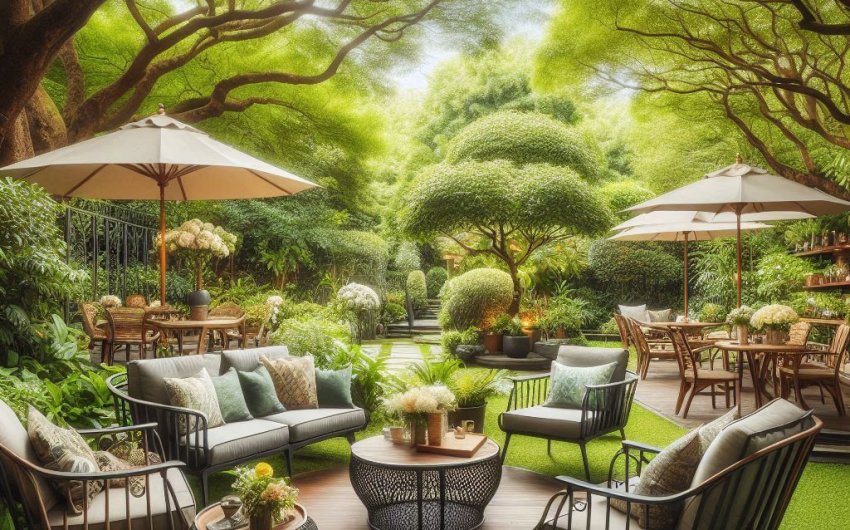
Is Your Outdoor Furniture Ready for Every Season?
Imagine the convenience: your garden furniture always ready for use, no matter the weather. No hauling heavy chairs in and out of storage, no wrestling with awkward covers. But as the seasons change, bringing scorching summer sun, pouring rain, falling leaves, and even snow and ice, a common question arises: Can I leave my garden furniture outside all year round? The answer isn't a simple yes or no. It depends heavily on the type of furniture, your local climate, and the level of care you're willing to provide. Understanding these factors is key to protecting your investment and ensuring your outdoor pieces last for years to come.
Factor 1: Understanding Your Climate's Impact
Your local climate is the single most important factor in determining whether your garden furniture can survive a year outdoors. Different weather conditions pose different threats.
1. Sunlight (UV Rays)
- Damage: The sun's ultraviolet (UV) rays are relentless. They can cause materials to fade, become brittle, crack, and generally degrade over time.
- Affected Materials:
- Plastics/Resin: Can become chalky, brittle, and discolored.
- Fabrics: Outdoor cushions and slings will fade dramatically and weaken.
- Wood: Can bleach, crack, and warp without protection.
- Metal: Painted finishes can fade, especially darker colors.
- Regions: Hot, sunny climates (e.g., deserts, tropical zones) pose the biggest UV threat.
2. Moisture (Rain, Humidity, Snow, Ice)
- Damage: Moisture is the primary enemy of many outdoor materials, leading to rot, rust, and mold.
- Affected Materials:
- Wood: Can swell, warp, crack, rot, and develop mildew if constantly wet.
- Iron/Steel: Prone to rust if protective coatings are compromised.
- Fabrics: Can develop mold, mildew, and unpleasant odors if left wet.
- Plastic/Resin: Can hold stagnant water, contributing to mildew.
- Regions: Humid climates, areas with heavy rainfall, and regions with snow and ice. Freezing and thawing cycles can be particularly damaging to porous materials or those that trap water.
3. Temperature Extremes (Hot and Cold)
- Damage: Rapid temperature swings, extreme heat, or prolonged freezing can stress materials.
- Affected Materials:
- Plastic/Resin: Can become brittle in extreme cold, or warp in extreme heat.
- Wood: Repeated freezing and thawing of water trapped in wood can cause cracking and splitting.
- Metal: Can expand and contract, potentially loosening joints. Dark metals can become extremely hot in the sun, causing burns.
- Regions: Climates with large seasonal temperature swings or very cold winters.
4. Wind
- Damage: Strong winds can blow lightweight furniture around, causing it to tip over, break, or damage other property.
- Affected Materials: Any lightweight furniture.
- Regions: Coastal areas, open plains, or high-rise balconies.
Understanding the specific challenges your climate presents is the first step in deciding whether your garden furniture is truly suitable for year-round outdoor living. You need to consider how weather impacts outdoor furniture durability.
Factor 2: Material Matters – Durability Breakdown
The material of your garden furniture is the most crucial factor in its year-round outdoor resilience. Some materials are inherently more suited to the elements than others.
1. Teak Wood
- Pros: Considered the gold standard for outdoor wood. Naturally rich in oils and rubber that make it highly resistant to rot, pests, moisture, and cracking. Ages beautifully to a silvery-gray patina if left untreated. Very durable.
- Cons: Very expensive. Will fade to gray if not regularly oiled (aesthetic preference).
- Year-Round Outside? Yes, high-quality teak can be left out year-round, even uncovered, without structural damage. It may gray, which many desire. Regular cleaning and occasional oiling can maintain its golden color.
2. Acacia Wood
- Pros: A dense hardwood, naturally durable and resistant to moisture and decay. A more affordable alternative to teak. Ages beautifully.
- Cons: Needs more maintenance than teak. Can crack or warp without regular oiling or sealing, especially in extreme climates. Some Acacia wood outdoor furniture includes a protective finish.
- Year-Round Outside? Generally yes, with regular maintenance. Will benefit greatly from covers in winter or extreme weather. Regular reapplication of wood oil or sealant is key to preserving its original color and preventing cracking.
3. Cast Aluminum
- Pros: Lightweight, rust-proof (aluminum does not rust), highly durable, and very weather-resistant. Often used for intricate, ornate designs (like the Oakland Living 3-Piece Rose Bistro Set). Powder-coated finish provides excellent protection.
- Cons: Can be more expensive than steel or some woods. Can get hot in direct sunlight (especially dark colors). May blow around in extreme winds if not heavy.
- Year-Round Outside? Yes, without structural damage. A quality powder-coated finish will protect it for many years. Covering in winter is recommended to preserve the finish and prevent accumulation of dirt/debris.
4. Wrought Iron / Steel
- Pros: Very heavy and sturdy (won't blow away). Classic, ornate look. Strong.
- Cons: Prone to rust if its protective paint or coating is chipped or worn. Requires more maintenance than aluminum (sanding, repainting rust spots). Can be very heavy to move. Gets hot in the sun.
- Year-Round Outside? Can be, but requires vigilant maintenance. Inspect regularly for rust. Touch up chips/scratches immediately with rust-inhibiting paint. Covering in winter is highly recommended to protect the finish and prevent rust.
5. All-Weather Wicker (Resin Wicker)
- Pros: Made from synthetic materials (polyethylene, PVC) woven over an aluminum or steel frame. Highly resistant to UV fading, moisture, and temperature changes. Lightweight (if on aluminum frame). Easy to clean. Often very comfortable.
- Cons: Can sometimes become brittle or fade over many years if exposed to harsh UV or extreme cold. Cheaper versions may unravel or crack.
- Year-Round Outside? Yes, most good quality all-weather wicker can stay out. Covers are recommended in winter to keep it clean and extend lifespan. Look for all weather outdoor wicker furniture.
6. Plastic / Resin
- Pros: Very affordable, lightweight, comes in many colors.
- Cons: Can fade, crack, and become brittle from UV exposure over time. Often less durable and aesthetically pleasing. Can blow away easily.
- Year-Round Outside? Not recommended for long-term year-round exposure, especially in climates with strong UV or freezing temperatures, unless you want to replace it frequently.
Understanding the strengths and weaknesses of each material is crucial for making an informed decision about year-round outdoor living.
Factor 3: The Role of Outdoor Furniture Covers
Even the most durable garden furniture materials can benefit significantly from a good quality outdoor furniture cover. Covers are your best friends for year-round protection.
Why Use Outdoor Furniture Covers?
- Protection from UV Rays: Covers shield furniture from constant sun exposure, preventing fading, embrittlement, and material breakdown. This is crucial even for "weather-resistant" materials.
- Protection from Moisture: They keep furniture dry from rain, snow, and dew, preventing rust, rot, and mildew buildup.
- Protection from Debris: Keep furniture free from dust, dirt, pollen, leaves, bird droppings, and sap. This significantly reduces cleaning time.
- Protection from Temperature Extremes: While materials withstand extreme temps, covers provide a buffer against rapid temperature fluctuations, which can stress materials over time. They also prevent metal from getting too hot or too cold.
- Extended Lifespan: By protecting your furniture from the elements, covers literally extend its lifespan, preserving its appearance and structural integrity for many more years. This is a cost-effective way to protect your investment. You can find many options for heavy duty outdoor furniture covers.
Key Features of a Good Furniture Cover
- Waterproof/Water-Resistant: Must repel rain and snow effectively.
- Breathable: Important to prevent moisture buildup under the cover, which can lead to mold or mildew. Look for vents or breathable fabrics.
- Durable Fabric: Made from heavy-duty, rip-resistant materials (e.g., polyester or vinyl with a coating).
- UV-Resistant: To prevent the cover itself from degrading in the sun.
- Secure Fit: Drawstrings, buckles, or elastic hems to keep the cover securely in place during windy conditions.
- Proper Size: Measure your furniture carefully to ensure the cover fits snugly but not too tightly.
When to Use Covers
- During Prolonged Bad Weather: Always cover your furniture during extended periods of rain, snow, or extreme heat/cold.
- Off-Season: For your dormant season (e.g., winter), keep furniture covered if leaving it outdoors.
- When Not in Use: Even if you plan to use furniture throughout the year, covering it when not in use (e.g., overnight, or during a work week) provides significant protection.
Using outdoor furniture covers is a smart, low-maintenance strategy to ensure your garden furniture lasts longer and stays looking great, even when left outside all year.
Factor 4: Location, Placement, and Practical Considerations
How and where you place your garden furniture in your outdoor space can also influence its ability to withstand year-round exposure.
1. Shaded vs. Sunny Locations
- Sun Protection: If possible, place furniture under a pergola, gazebo, large umbrella, or shade tree during peak sun hours. This significantly reduces UV damage and keeps surfaces cooler.
- Avoid Constant Direct Sun: Even if furniture is UV-resistant, constant, intense direct sun for years will cause some fading or degradation.
2. Patios, Decks, and Soil Contact
- Hard, Draining Surfaces: Placing furniture on a patio or deck is generally better than direct soil contact. These surfaces drain better and prevent the furniture legs from sitting in standing water or getting buried in damp earth, which can lead to rot (for wood) or rust (for metal).
- Elevate Legs: For wooden furniture on damp surfaces, consider placing small plastic or rubber risers under the legs to elevate them slightly and prevent constant moisture contact.
3. Wind Protection
- Sheltered Areas: Place lightweight furniture in more sheltered areas (e.g., against a wall, near dense shrubs).
- Secure Umbrellas: Always fold and secure outdoor umbrellas when not in use or during windy conditions. Use heavy bases. An essential accessory is a heavy duty patio umbrella base.
4. Cleaning and Maintenance Routine
- Regular Cleaning: Even if you plan to leave furniture out, maintain a regular cleaning routine (e.g., wash with mild soap and water a few times a season). This removes dirt, sap, bird droppings, and pollutants that can degrade finishes.
- Seasonal Checks: Inspect all furniture seasonally for signs of wear, chips in paint, rust, loose joints, or splintering wood. Address these promptly. Touch up painted surfaces, sand splinters, tighten bolts.
- Winterizing: For certain materials (like Acacia wood), regular reapplication of protective oils or sealants before winter is vital.
By being mindful of placement and adhering to a consistent maintenance routine, you enhance your garden furniture's ability to withstand year-round outdoor exposure.
Factor 5: The Ultimate Decision – To Store or Not to Store?
Ultimately, the decision to leave your garden furniture outside all year round often comes down to a balance of convenience, investment, and your local climate.
When to Seriously Consider Storing Indoors
- Harsh Winters: If you live in an area with prolonged freezing temperatures, heavy snow, or ice storms (especially with freeze-thaw cycles), consider storing any furniture indoors that is not made of teak or cast aluminum. Freezing water can cause immense damage to porous materials and stress structural joints.
- Very Humid/Rainy Climates: Constant high humidity and rain can lead to mildew and degradation of cushions and some frames, even with covers.
- High-Value Investment: If your garden furniture represents a significant investment, indoor storage is the best way to protect its appearance and ensure it lasts for decades.
- Limited Maintenance: If you know you won't be diligent with cleaning, covering, or touch-ups, indoor storage will prevent rapid deterioration.
- Fragile Materials: Furniture with delicate components, glass, or non-UV stabilized plastics will benefit hugely from indoor storage.
Best Case Scenario: Store Cushions and Delicate Items
- Cushions: Regardless of furniture material, always bring outdoor cushions, throw pillows, and blankets indoors during wet weather and over the winter. Most outdoor fabrics are mold/mildew resistant but not proof, and they will fare much better if kept dry. You can use a patio cushion storage bag.
- Umbrellas: Store umbrella canopies indoors when not in use for extended periods to prevent fading and mildew.
- Small Accessories: Bring in any lamps, small decor items, or portable fire pits.
The Realistic Compromise
For many homeowners, a realistic compromise is to:
- Invest in high-quality, weather-resistant furniture (e.g., teak, cast aluminum, all-weather wicker).
- Purchase good quality, breathable, waterproof outdoor furniture covers.
- Store cushions and any delicate accessories indoors during the off-season.
- Perform seasonal cleaning and spot maintenance.
This approach offers a good balance of convenience (furniture stays outside) and protection, ensuring your garden furniture remains a beautiful and inviting part of your outdoor living space for many years, enduring all that Mother Nature throws its way.