
How Can I Make My Patio Furniture Last Longer?
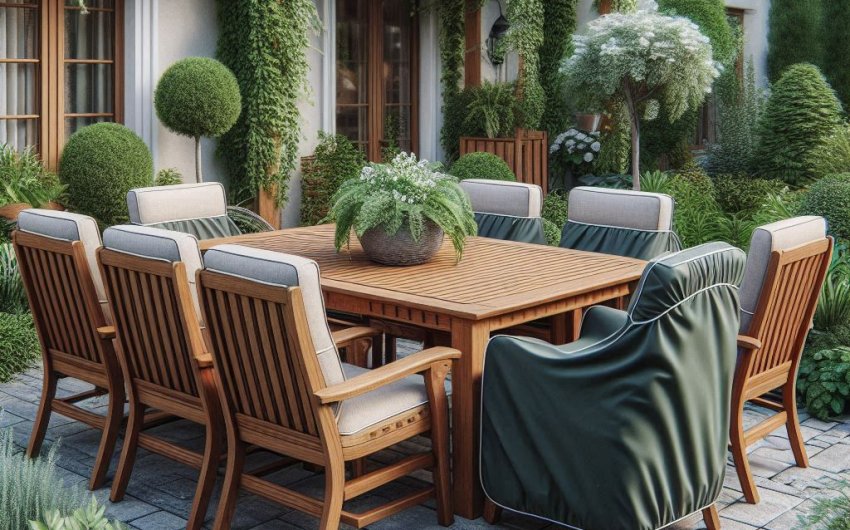
Investing in quality patio furniture is a significant decision, and naturally, you want to protect that investment for years of outdoor enjoyment. The good news is that with a proactive approach to care and maintenance, you can significantly extend the lifespan of your outdoor pieces, keeping them looking fresh and functioning beautifully season after season. Learning how to make your patio furniture last longer involves understanding the vulnerabilities of different materials and applying targeted protection and cleaning routines.
Why Does Patio Furniture Need Special Care?
Unlike indoor furniture, patio furniture is constantly exposed to the elements, which can take a heavy toll on its appearance and structural integrity. Understanding these challenges highlights why special care is so important.
What Environmental Factors Damage Furniture?
The harsh realities of outdoor living put furniture through a rigorous test.
How Does Sun (UV Rays) Harm Furniture?
Fading and discoloration: The sun's powerful ultraviolet (UV) rays are a major culprit for damage. They break down chemical bonds in pigments and materials, leading to fading and discoloration of fabrics, plastics, and even painted metals. Vibrant colors can become dull and washed out over time.
Material breakdown: Beyond color, UV radiation can cause a molecular breakdown in materials like plastics, resins, and even wood finishes. This leads to material breakdown, making them brittle, cracked, or chalky. Plastic chairs might become fragile, and wood finishes can peel or crack.
Heat damage: Direct sun exposure also generates significant heat, which can warp some materials, dry out wood, and further contribute to the breakdown of finishes and fabrics.
Advertisement
How Do Rain and Moisture Affect Furniture?
Rust and corrosion: For metal furniture (especially iron or steel), rain and moisture are the primary drivers of rust and corrosion. Water, combined with oxygen, causes metals to oxidize, leading to unsightly rust stains and eventually weakening the furniture's structure.
Mold and mildew growth: Persistent moisture creates ideal conditions for mold and mildew growth on cushions, fabrics, and even wood surfaces. These not only look unsightly and smell musty but can also degrade the material over time.
Wood rot and warping: For wood furniture, prolonged exposure to moisture can lead to wood rot, where fungal decay breaks down the wood fibers. It can also cause wood to warp, swell, or crack as it repeatedly absorbs and releases water.
What Role Do Temperature Changes Play?
Expansion and contraction: Furniture materials expand and contract with fluctuating temperatures. Over many cycles of heating and cooling, this can put stress on joints, fasteners, and material structures, leading to cracks, loosening of parts, or material fatigue.
Freezing damage: In colder climates, freezing temperatures are particularly damaging. Water can seep into tiny cracks in materials or finishes, then expand when it freezes, causing larger cracks, splitting wood, or shattering ceramic/stone elements.
How Do Pests and Debris Contribute to Damage?
Insects (wood borers, termites): Wood furniture can be susceptible to insect damage from wood borers, termites, or carpenter ants, which can tunnel through and weaken the structure.
Birds and animals (droppings, nesting): Birds and other small animals can leave droppings on furniture, which are acidic and can stain or etch surfaces if not cleaned promptly. Animals might also try to nest in covered furniture during off-season storage.
Dust, pollen, and debris: Accumulated dust, pollen, leaves, and other environmental debris can scratch surfaces, hold moisture against materials, and provide a breeding ground for mold if not regularly cleaned.
How Can I Protect My Patio Furniture from the Elements?
Proactive protection is the cornerstone of making your patio furniture last longer.
What Are the Best Covering Strategies?
Using protective covers is one of the easiest and most effective ways to shield your furniture.
What Kind of Furniture Covers Are Best?
Waterproof and breathable covers: Invest in high-quality, waterproof, and breathable furniture covers. Waterproof material prevents rain from reaching the furniture, while breathability (often achieved with vents) prevents moisture from getting trapped underneath, which can lead to mold and mildew. Look for durable, UV-resistant fabrics. A good patio furniture cover is essential.
Proper sizing: Ensure the covers are the correct size for your furniture. Covers that are too small won't offer full protection, while covers that are too large can flap in the wind, potentially causing damage or accumulating water. Measure your furniture before buying.
Secure fit: Look for covers with drawstrings, elastic hems, buckles, or straps to ensure a secure fit that won't blow off in strong winds.
When Should I Use Covers?
During off-season storage: This is critical. If you're not bringing furniture indoors for winter, always use covers during the off-season. This protects against snow, ice, freezing rain, and prolonged cold.
During long periods of non-use: Even during the active season, if you know you won't be using your furniture for an extended period (e.g., a vacation, a rainy week), cover it up to protect it from daily sun and rain.
Before heavy rain/storms: It's good practice to quickly cover furniture before an anticipated heavy rainstorm to minimize direct water exposure.
How Can I Store Furniture When Not in Use?
For optimal protection, especially in harsh climates, proper storage is paramount.
Indoor, climate-controlled storage: The best way to protect patio furniture during the off-season is to store it indoors in a climate-controlled environment (e.g., a garage, shed, or basement). This completely removes it from the elements.
Clean and dry before storage: Always clean and thoroughly dry all furniture components (frames, cushions, slings) before putting them into storage. Storing dirty or damp furniture encourages mold, mildew, and pest infestation.
Protect cushions: Cushions should always be stored in a dry, pest-free location, ideally indoors. Use breathable storage bags to prevent mustiness. A patio cushion storage bag can help.
Consider stacking/disassembling: If space is limited, choose furniture that can be stacked or disassembled for compact storage.
What About Sun Protection for Cushions and Umbrellas?
Fabrics are particularly vulnerable to UV degradation.
Bring indoors when not in use: For maximum lifespan, bring cushions and umbrellas indoors or store them in a deck box when not in use. Even a few hours of daily direct sun exposure adds up over time.
Choose fade-resistant fabrics (e.g., solution-dyed acrylic): When buying new cushions or umbrellas, look for fabrics specifically designed for outdoor use and fade resistance. Solution-dyed acrylic fabrics (like Sunbrella) are among the best, as their color is integrated into the fibers, making them highly resistant to UV fading. Sunbrella outdoor cushions are a popular choice.
Apply UV protectant spray: For existing fabrics or non-solution-dyed materials, consider applying a UV protectant spray formulated for outdoor fabrics. These sprays can help create a barrier against harmful UV rays.
How Can I Clean and Maintain Specific Patio Furniture Materials?
Different materials have different care requirements. Tailoring your cleaning and maintenance routine to each material is key.
How Do I Care for Woven (Wicker/Resin) Furniture?
Woven furniture, whether natural wicker or synthetic resin, needs regular cleaning.
Regular dusting and vacuuming: Use a soft brush or a vacuum cleaner with a brush attachment to regularly remove dust, dirt, and debris that can accumulate in the weave.
Washing with mild soap and water: For a deeper clean, wash woven furniture with a solution of mild soap (like dish soap) and warm water. Use a soft cloth or brush to gently scrub the weave.
Rinse thoroughly and dry completely: Rinse thoroughly with clean water to remove all soap residue. Allow the furniture to dry completely in the sun (if not too hot) or in a well-ventilated area before putting cushions back or covering.
Avoid harsh chemicals: Avoid abrasive cleaners, stiff brushes, or power washers on woven furniture, as these can damage the weave or finish.
How Do I Care for Wood Furniture?
Wood furniture (teak, cedar, acacia, etc.) requires specific attention to maintain its beauty and prevent rot.
Cleaning with mild soap and water: Clean wood furniture with mild soap and water using a soft brush or cloth to remove dirt and mildew. Rinse well.
Teak care (aging to silver-gray vs. maintaining original color):
- Natural silver-gray patina: Many people allow teak to naturally weather to a beautiful, soft silver-gray patina. If this is your preference, no special finish is needed beyond cleaning.
- Maintaining golden-brown color: To maintain teak's original golden-brown color, apply a teak sealer or teak oil periodically (usually once or twice a year). This penetrates the wood, protecting it from weathering and fading. Always clean the furniture thoroughly before applying. You can find teak oil products.
Sealing/Staining other woods: For other wood types (cedar, acacia), regular application of a wood sealer or outdoor stain is essential to protect them from moisture, UV rays, and rot. Follow product instructions for frequency.
Sanding and refinishing: If wood furniture becomes very weathered, dull, or shows signs of mildew, it might benefit from a light sanding and a fresh coat of outdoor wood stain or sealer.
How Do I Care for Metal Furniture?
Metal furniture (aluminum, wrought iron, steel) is prone to rust and needs rust prevention.
Washing with mild soap and water: Clean metal furniture with mild soap and water and a soft brush or cloth. Rinse thoroughly.
Rust prevention/treatment for iron/steel:
- Prevention: For wrought iron or steel furniture, keep an eye out for any scratches or chips in the paint finish. Touch up these areas immediately with rust-inhibiting primer and outdoor paint to prevent rust from starting.
- Treatment: If rust appears, use a wire brush or sandpaper to remove all loose rust. Apply a rust-converting primer, and then repaint with an outdoor metal paint. An anti-rust spray paint can be very useful for touch-ups.
Aluminum care: Aluminum furniture is naturally rust-resistant and requires less maintenance. Simply clean it regularly. Avoid abrasive cleaners that can scratch the finish.
Check and tighten fasteners: Periodically check all bolts, screws, and fasteners on metal furniture and tighten them as needed. Loose fasteners can stress joints and lead to breakage.
How Do I Care for Fabric and Cushions?
Cushions and fabrics are often the first things to show wear and tear.
Regular brushing/vacuuming: Regularly brush off loose dirt, pollen, and debris from cushions and slings. A soft brush or a handheld vacuum works well.
Spot cleaning spills immediately: Address spills immediately by blotting (not rubbing) with a clean cloth and a mild soap solution. This prevents stains from setting.
Deep cleaning: For a deeper clean, follow the manufacturer's instructions, which often involve hand washing with a mild detergent and thorough rinsing. Ensure cushions are completely dry before storing or putting them back on furniture to prevent mildew.
Store indoors/in waterproof boxes: As mentioned earlier, storing cushions indoors or in a waterproof deck box when not in use is the best way to protect them from sun, rain, and pests. A waterproof deck box is a great investment.
What Are General Best Practices for Patio Furniture Longevity?
Beyond material-specific care, some overarching habits will extend the life of all your patio furniture.
How Do I Clean Regularly?
Weekly dusting/wiping: Make weekly dusting and wiping a habit. Use a soft cloth to remove surface dirt, pollen, and environmental debris before it can build up and become harder to clean.
Seasonal deep cleaning: Perform a more thorough deep cleaning at least once or twice a year, typically at the beginning and end of the outdoor season. This involves washing all surfaces and inspecting for damage.
How Do I Inspect and Repair?
Regular inspections help catch small problems before they become big ones.
Check for damage regularly: Periodically inspect all furniture pieces for any signs of damage: rust spots, cracks, loose fasteners, fraying fabric, or mildew growth.
Address issues promptly: Don't delay! Address any issues promptly. Touch up paint chips, tighten loose screws, or patch small tears. Proactive small repairs prevent larger, more costly damage down the line. Keep a small outdoor repair kit handy.
What About Proper Placement?
Where you put your furniture can also affect its lifespan.
Avoid standing water: Position furniture so it doesn't sit in standing water after rain or irrigation. If your patio collects water, consider placing furniture on risers or moving it to a drier spot.
Use furniture glides/feet protectors: Apply furniture glides or feet protectors to the bottom of legs. This protects the furniture legs from direct contact with abrasive surfaces (like concrete) and prevents moisture from wicking up into the material.
Consider a patio umbrella/awning: For furniture constantly exposed to intense sun, a patio umbrella or an awning can provide shade, reducing UV exposure and heat stress.
By consistently applying these preventative measures, material-specific cleaning routines, and diligent maintenance habits, you can significantly extend the life of your patio furniture. This proactive approach ensures your outdoor investment remains functional, beautiful, and ready to provide years of comfort and enjoyment, making your outdoor living space a lasting haven.