
How Do I Choose Minimalist Garden Furniture for a Modern Zen Patio?
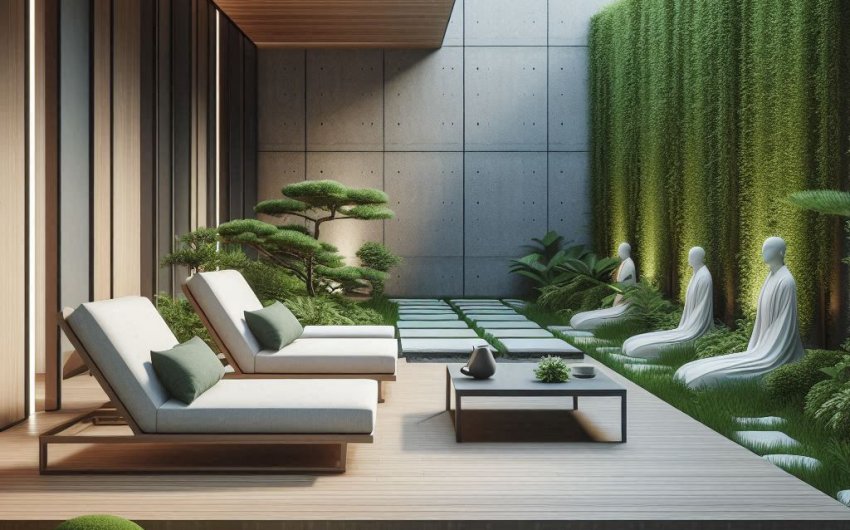
Designing a Modern Zen Patio requires a thoughtful approach, and a crucial element in achieving this serene aesthetic is knowing how to choose minimalist garden furniture. The essence of a Zen-inspired space lies in simplicity, clean lines, and a connection to nature, emphasizing calm and clarity over clutter. Selecting furniture that embodies these principles will create a tranquil outdoor sanctuary, inviting contemplation and relaxation.
What is a Modern Zen Patio?
A Modern Zen Patio is an outdoor living space that fuses the simplicity and tranquility of traditional Japanese Zen gardens with the clean lines and functionality of modern design. It's a place designed for quiet contemplation, relaxation, and a deep connection with nature, devoid of clutter and excess.
Principles of Zen Garden Design
Traditional Zen gardens, or kare-sansui, are typically dry landscape gardens that use carefully arranged rocks, gravel, sand, and moss to represent natural landscapes. Key principles include:
- Simplicity (Kanso): Elimination of clutter and excess.
- Asymmetry (Fukinsei): Natural balance achieved through irregular forms.
- Austerity (Koko): Beauty in simplicity and age.
- Naturalness (Shizen): Unforced and authentic.
- Profundity/Subtlety (Yugen): Hints of deeper meaning, not overt.
- Freedom from Attachment (Datsuzoku): Transcendence from conventionalism.
- Tranquility (Seijaku): Calmness, stillness.
Characteristics of a Modern Zen Patio
A Modern Zen Patio adapts these principles for a contemporary outdoor living space.
- Minimalism: Clean lines, uncluttered surfaces, and a focus on essential elements. Every item serves a purpose and adds to the calm.
- Natural Materials: Emphasizes raw and earthy materials like wood, stone, concrete, and metal.
- Neutral Color Palette: Dominantly uses muted tones such as grays, blacks, whites, and natural wood/stone colors.
- Greenery as Art: Plants are chosen for their form, texture, and ability to create a sense of calm. Often, a few carefully selected plants rather than an abundance.
- Clean Lines and Geometric Shapes: Furniture and hardscaping often feature straight lines and simple geometric forms.
- Open Space: Deliberate use of empty space to create a sense of openness and tranquility.
- Subtle Lighting: Soft, ambient lighting that enhances the mood without being harsh.
- Water Features: The sound and sight of water, often a minimalist fountain or basin, enhance the sense of calm. A small tabletop water fountain can fit compact spaces.
Why is Minimalist Garden Furniture Essential for This Style?
Minimalist garden furniture is not just a preference; it's a fundamental requirement for a Modern Zen Patio.
- Maintains Simplicity: Excessively ornate or bulky furniture would introduce visual clutter, directly clashing with the Zen principle of Kanso (simplicity).
- Emphasizes Form and Function: Minimalist pieces are designed with a focus on their essential form and practical use, aligning with modern design ethos.
- Complements Natural Materials: The simple lines and often natural materials of minimalist furniture allow them to blend seamlessly with stone, wood, and plants, enhancing the natural aesthetic.
- Creates Openness: Unobtrusive furniture contributes to the sense of open space and flow, promoting a tranquil atmosphere.
- Directs Focus: Simple furniture allows the focus to remain on key Zen elements like a raked gravel bed, a carefully placed plant, or a tranquil water feature.
What Materials Are Best for Minimalist Garden Furniture in a Zen Setting?
The choice of materials is paramount when selecting minimalist garden furniture for a Modern Zen Patio. These materials not only contribute to the aesthetic but also determine the furniture's durability, maintenance, and how well it integrates with the natural elements of a Zen-inspired space. Focus on natural, understated, and weather-resistant options.
1. Teak Wood
Teak is a premium choice for outdoor furniture due to its natural properties and aesthetic appeal.
- Characteristics: A dense, durable hardwood that naturally contains oils and rubber, making it highly resistant to rot, pests, and weathering. It ages beautifully to a soft, silvery-gray patina if left untreated, or can be maintained with teak oil to retain its warm golden-brown hue.
- Aesthetic Fit: Its natural warmth, clean lines (when crafted in minimalist styles), and organic feel perfectly align with both modern and Zen principles. The aging process adds character and depth.
- Pros: Extremely durable, low maintenance (if left to weather), beautiful natural appearance, comfortable.
- Cons: Expensive, can be heavy.
- Examples: Look for minimalist teak outdoor chairs or a teak outdoor bench.
2. Powder-Coated Aluminum
Aluminum is a popular modern outdoor furniture material due to its practicality and sleek appearance.
- Characteristics: Lightweight, rust-proof, and highly durable. Powder coating is a dry finishing process that bakes a protective layer onto the metal, providing excellent resistance to scratches, fading, and corrosion, and allowing for a wide range of matte or satin finishes.
- Aesthetic Fit: Its clean lines, geometric shapes, and often muted color options (grays, blacks, whites) are perfectly suited for a modern aesthetic. The matte finishes prevent shininess that would detract from a Zen feel.
- Pros: Lightweight (easy to move), rust-resistant, very low maintenance, durable.
- Cons: Can sometimes feel less substantial than wood or concrete.
- Examples: Consider black aluminum patio chairs or an aluminum outdoor coffee table.
3. Concrete / Fiber-Concrete
Concrete furniture offers a raw, industrial yet natural appeal.
- Characteristics: Heavy, extremely durable, and weather-resistant. Often incorporates fiberglass or other materials (fiber-concrete) to reduce weight and increase strength. Has a smooth, cool, minimalist aesthetic.
- Aesthetic Fit: Its inherent simplicity, monolithic forms, and natural gray tones embody modern minimalism and connect to the stone elements often found in Zen gardens.
- Pros: Extremely durable, very low maintenance, unique modern aesthetic, naturally cool to the touch.
- Cons: Very heavy (difficult to move once placed), can be expensive, may chip if dropped.
- Examples: Look for concrete outdoor benches or a concrete outdoor dining table.
4. Stainless Steel
For a truly sleek and durable modern look, stainless steel is an option.
- Characteristics: Highly resistant to rust and corrosion, very strong, and has a contemporary metallic sheen.
- Aesthetic Fit: Its polished or brushed finish provides a minimalist and industrial edge that can complement modern architecture.
- Pros: Extremely durable, high-end look, very low maintenance.
- Cons: Expensive, can get hot in direct sun, may show fingerprints.
- Examples: Stainless steel outdoor chairs.
Materials to Avoid (Generally for Modern Zen)
- Ornate Wrought Iron: Too decorative and heavy for minimalist Zen.
- Shiny Plastic/Resin: Can look cheap and detract from the natural aesthetic.
- Overly Cushioned or Bulky Pieces: Clashes with simplicity and open space.
- Bright, Bold Colors: Too distracting from the neutral, earthy palette.
Table: Material Comparison for Minimalist Zen Furniture
| Material | Aesthetic Fit | Pros | Cons |
|---|---|---|---|
| Teak Wood | Warm, natural, ages gracefully | Highly durable, pest/rot resistant | Expensive, heavy, requires occasional oiling to maintain color |
| Powder-Coated Aluminum | Sleek, modern, clean lines | Lightweight, rust-proof, low maintenance | Can feel less substantial |
| Concrete/Fiber-Concrete | Raw, industrial, monolithic | Extremely durable, very low maintenance | Very heavy, can chip |
| Stainless Steel | Ultra-modern, sleek, industrial | Highly durable, rust-resistant | Expensive, can get hot, shows fingerprints |
By carefully selecting materials that embody simplicity, natural beauty, and durability, you can choose minimalist garden furniture that seamlessly integrates into your Modern Zen Patio, fostering a truly tranquil and stylish outdoor retreat.
What Furniture Pieces Should You Choose for a Modern Zen Patio?
When selecting minimalist garden furniture for a Modern Zen Patio, the emphasis is on quality over quantity, and functionality combined with clean aesthetics. Each piece should contribute to a sense of calm and order, without introducing clutter.
Key Furniture Principles for a Zen Patio
- Simplicity of Form: Choose pieces with clean lines, geometric shapes, and minimal ornamentation.
- Low Profile: Furniture that sits closer to the ground can enhance a sense of calm and openness, often seen in Asian-inspired designs.
- Comfort (Subtle): While minimalist, the furniture should still be comfortable. Plush, removable cushions in neutral tones can add comfort without visual bulk.
- Versatility: Pieces that can serve multiple functions (e.g., a bench that also acts as a low table) align with the minimalist ethos.
Essential Furniture Pieces
1. Seating
Seating is the most important element for relaxation and contemplation. Choose simple, elegant options.
- Low Slung Chairs: Opt for low-profile outdoor chairs with clean lines in materials like teak, aluminum, or concrete. Look for chairs with comfortable, yet streamlined, cushions in muted tones.
- Minimalist Benches: A modern outdoor bench in a durable material like teak or concrete can offer flexible seating and contribute to the uncluttered look. It can also serve as a surface for displaying a single plant or stone.
- Modular Sectionals (Small Scale): If you desire a lounge area, a small, minimalist outdoor sectional sofa with clean lines and low backs can work. Choose one that can be configured to fit your specific patio dimensions, creating an inviting corner without overwhelming the space.
- Floor Cushions: For a truly low-profile, informal seating option that aligns deeply with Zen principles, consider durable outdoor floor cushions in natural fabrics and colors. These can be easily stored when not in use.
2. Tables
Tables on a Modern Zen Patio should be functional but subtle.
- Low Coffee Table: A low outdoor coffee table with a simple, solid top (concrete, large stone slab, or solid wood) provides a central surface for drinks or a single decorative object. Its low height helps maintain an expansive feel.
- Minimalist Side Tables: If a coffee table isn't needed, small, unobtrusive outdoor side tables can be placed beside seating. Look for simple geometric shapes in matching materials.
3. Dining Area (If Applicable)
If your patio is large enough to include a dining area, keep it simple.
- Sleek Dining Table: A minimalist outdoor dining table with a simple rectangular or square top in aluminum, teak, or concrete.
- Armless Dining Chairs: Choose chairs with clean lines and no arms to maintain an open feel and save space. Stackable outdoor dining chairs are practical.
What to Avoid
- Excessive Pieces: Don't overcrowd the patio. Leave ample negative space.
- Ornate or Decorative Furniture: Avoid anything with elaborate carvings, scrolls, or intricate patterns.
- Bulky or Overstuffed Furniture: These pieces will dominate the space and detract from the minimalist aesthetic.
- Bright Colors: Stick to a neutral and earthy color palette for furniture frames and cushions.
- Glass Tabletops: Can create glare and feel less grounded than solid surfaces.
By selecting minimalist garden furniture that prioritizes simplicity, clean lines, and natural materials, you can ensure each piece contributes to the serene and contemplative atmosphere of your Modern Zen Patio.
How Do You Integrate Minimalist Furniture with Zen Garden Elements?
The beauty of a Modern Zen Patio lies in the seamless integration of minimalist garden furniture with natural elements, creating a cohesive and tranquil outdoor sanctuary. Each component should complement the others, fostering a balanced and harmonious environment that invites relaxation and contemplation.
1. Hardscaping as the Foundation
The materials you choose for your patio surface itself are crucial for setting the Zen tone.
- Natural Stone: Natural stone pavers (like bluestone, granite, slate) in muted colors provide a grounded, organic feel. Lay them in a simple, orderly pattern.
- Concrete: Poured concrete in a natural gray tone, perhaps with a smooth or broom finish, offers a clean, modern, and uncluttered base.
- Gravel/Pebbles: Incorporate areas of raked Zen garden gravel or river pebbles. These elements are key to traditional Zen gardens, representing water or clouds, and add texture and visual interest.
- Decking: For wood decks, use natural-toned composite decking or weathered wood decking to maintain a natural aesthetic.
2. Strategic Placement of Furniture
Place your minimalist garden furniture to facilitate interaction with the Zen elements.
- Define Zones: Use the furniture arrangement to create distinct zones within the patio – e.g., a seating area for relaxation, a pathway for walking meditation.
- Face Focal Points: Arrange seating to face a key Zen element like a rock arrangement, a carefully chosen plant, or a tranquil water feature.
- Leave Negative Space: Do not fill every available spot. The empty spaces between furniture and elements are just as important as the objects themselves, contributing to the sense of calm (Ma in Japanese aesthetics).
- Consider Flow: Ensure pathways are clear and inviting, leading guests through the space naturally.
3. Incorporating Greenery (Less is More)
Plants are living elements that soften hardscaping and bring nature closer. For a Zen patio, choose plants for their form and texture, not just vibrant color.
- Containers: Use simple, modern planters in natural materials (concrete, dark ceramic, weathered steel) and neutral colors. Avoid ornate or brightly colored pots.
- Plant Selection:
- Evergreens: Japanese maples (dwarf varieties), bamboo (clumping, not running), ferns, moss.
- Grasses: Ornamental grasses with a graceful sway.
- Bonsai: A carefully placed bonsai tree can be a living sculpture.
- Succulents: For very sunny, dry areas, large, sculptural succulents can add a minimalist touch.
- Placement: Use plants to frame seating areas, soften corners, or create a simple backdrop. A single, well-placed plant can have more impact than many.
4. Water Features
The sound and sight of water are quintessential Zen elements.
- Minimalist Fountain: Choose a simple, modern outdoor fountain made of stone, concrete, or dark metal, designed for a gentle, trickling sound. Avoid ornate or splashing fountains.
- Water Basin: A still basin of water can reflect the sky and surrounding greenery, creating a sense of calm reflection.
- Placement: Place the water feature near seating so the sound can be enjoyed, but not so close that it overpowers conversation.
5. Lighting for Ambiance
Lighting should enhance the serene atmosphere, not overwhelm it.
- Soft and Indirect: Use low-voltage landscape lighting to highlight key features like a plant or a textured wall.
- Warm Tones: Choose warm white LED lights.
- Subtle Pathways: Recessed solar path lights can safely illuminate walkways without being intrusive.
- Candles/Lanterns: For an intimate glow, use simple outdoor lanterns with LED candles.
6. Sculptural Elements and Art
- Natural Stones: Carefully select and place a few significant large decorative garden stones. Their natural forms and textures are powerful Zen symbols.
- Minimalist Sculptures: If you add art, ensure it's simple, abstract, and made from natural materials, complementing the overall aesthetic without being a distraction.
By consciously integrating your minimalist garden furniture with carefully chosen Zen garden elements, you can transform your patio into a serene and harmonious outdoor retreat, truly embracing the essence of a Modern Zen Patio.