
Natural Bamboo Furniture: A Lightweight and Eco-Friendly Choice for Gardens
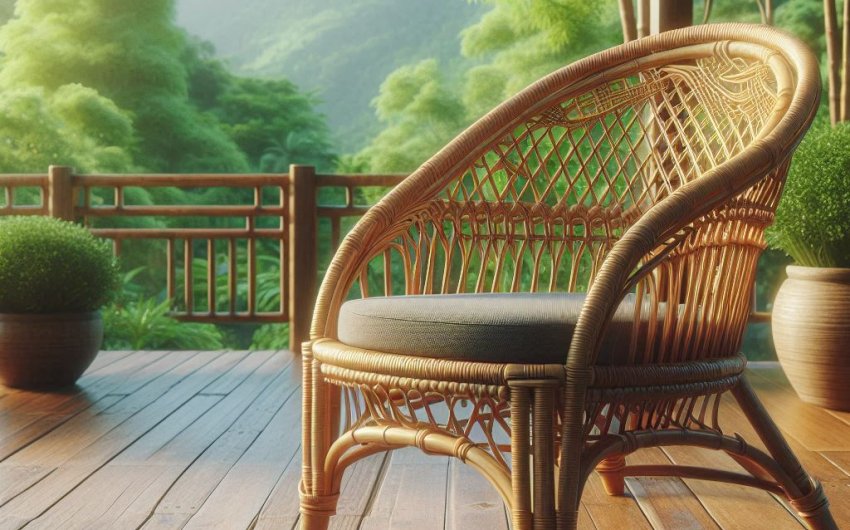
Embracing natural bamboo furniture offers a compelling combination of style, sustainability, and practicality for enhancing your outdoor living spaces, standing out as a notably lightweight and eco-friendly choice for gardens. This remarkable plant, often mistaken for wood, grows with incredible speed and possesses a unique strength-to-weight ratio, making it an ideal material for garden furnishings that are not only easy to move and rearrange but also contribute positively to environmental conservation. Discovering the myriad benefits of incorporating bamboo into your garden decor reveals a harmonious blend of natural beauty and ecological responsibility.
Why Choose Natural Bamboo Furniture for Your Garden?
Selecting natural bamboo furniture for your garden is a decision that brings together aesthetic appeal, practical advantages, and significant environmental benefits. This unique material offers a refreshing alternative to traditional garden furniture, aligning with modern preferences for sustainable and lightweight outdoor living solutions.
Lightweight and Easy to Move
One of the most immediate and appreciated advantages of natural bamboo furniture is its lightweight nature. Despite its strength, bamboo is considerably lighter than most hardwoods, metals, or even synthetic wicker furniture. This characteristic makes it incredibly easy to move and rearrange your garden layout as desired, whether you're chasing the sun, creating different seating zones for entertaining, or simply bringing pieces indoors for storage during inclement weather. A bamboo bistro set, for instance, can be effortlessly repositioned on a patio or balcony.
Eco-Friendly and Sustainable Material
Bamboo stands out as one of the most eco-friendly and sustainable materials available for furniture production. It's often referred to as "green steel" due to its rapid growth rate and strength.
- Rapid Growth: Bamboo is a grass, not a tree, and some species can grow up to three feet per day, reaching maturity in just 3-5 years, compared to decades for hardwoods. This makes it a highly renewable resource.
- No Replanting Needed: After harvesting, bamboo regrows from its existing root system, eliminating the need for replanting and preventing soil erosion.
- Less Water Intensive: Bamboo requires significantly less water to grow than many timber species.
- Carbon Sequestration: Bamboo forests are highly effective at absorbing carbon dioxide from the atmosphere, helping to combat climate change. Choosing bamboo garden furniture directly supports sustainable forestry practices and reduces demand for slower-growing timber.
Natural Beauty and Versatile Aesthetics
The distinctive appearance of natural bamboo furniture brings a unique and organic charm to any garden setting. Its light, woody texture, visible nodes, and warm, golden tones instantly evoke a sense of calm, nature, and exotic appeal.
- Versatile Styles: From sleek, minimalist designs to more rustic, bohemian looks, bamboo can be crafted into a wide range of furniture styles, making it suitable for various garden aesthetics.
- Blends with Nature: Its natural appearance integrates seamlessly with green foliage, water features, and other organic elements in a garden, enhancing the overall natural beauty of the space.
- Creates Ambiance: It can contribute to a relaxing, resort-like, or Zen-inspired ambiance, inviting outdoor relaxation and enjoyment. A bamboo lounge chair adds immediate serenity.
Durability and Strength
Despite its lightweight nature, bamboo is surprisingly durable and strong. Its fibers have high tensile strength (resistance to being pulled apart), making it tougher than many common woods.
- Resistant to Shrinking/Swelling: Bamboo is less prone to shrinking and swelling due to changes in humidity compared to traditional timber, which makes it more stable outdoors.
- Natural Resistance: It has some natural resistance to pests and fungi due to its unique composition. However, for outdoor use, proper treatment and maintenance are still essential to enhance its longevity and protect it from moisture.
By weighing these factors, it becomes clear why natural bamboo furniture is an increasingly popular and sensible choice for those looking to furnish their gardens responsibly and stylishly.
What Are the Different Types of Natural Bamboo Furniture for Gardens?
The world of natural bamboo furniture extends beyond simple benches, offering a diverse range of pieces designed to furnish every corner of your garden. From intimate dining setups to comfortable lounging options and decorative accents, there's a bamboo furniture type to suit almost any outdoor need and style.
Dining Sets and Bistro Tables
Bamboo dining sets and bistro tables provide charming and functional spaces for outdoor meals, coffee breaks, or intimate gatherings.
- Bamboo Dining Tables: Available in various sizes, often featuring a bamboo frame with a solid bamboo slatted top or sometimes a tempered glass top for easy cleaning. They offer a natural, inviting surface for al fresco dining. A bamboo outdoor dining table can become the centerpiece of your patio.
- Bamboo Dining Chairs: Often designed to complement the tables, these chairs are lightweight and comfortable, sometimes featuring woven bamboo seats or cushions for added comfort.
- Bamboo Bistro Sets: Perfect for smaller patios, balconies, or cozy garden nooks, these typically include a small round table and two matching chairs. Their compact size and lightweight nature make them easy to tuck away. Consider a compact bamboo bistro set for tight spaces.
Lounge Chairs and Sofas
For ultimate relaxation in your garden, bamboo lounge chairs and sofas offer comfortable and stylish options.
- Bamboo Lounge Chairs: Ranging from classic reclining designs to more contemporary armchairs, these pieces invite you to kick back and enjoy the outdoors. They often benefit from weather-resistant cushions for enhanced comfort. A bamboo patio lounge chair is perfect for sunbathing.
- Bamboo Sofas and Sectionals: For larger outdoor living areas, modular bamboo sofas and sectionals can create a cohesive and comfortable seating arrangement. These often feature thick, outdoor-grade cushions and can be configured to fit your space.
- Bamboo Daybeds: Some designs extend to full-size daybeds, ideal for sprawling out or napping in a shaded garden spot.
Side Tables and Coffee Tables
Complementing your seating arrangements, bamboo side tables and coffee tables offer convenient surfaces for drinks, books, or decorative items.
- Bamboo Side Tables: Lightweight and easily movable, they can be placed next to a lounge chair or at the end of a sofa.
- Bamboo Coffee Tables: Larger, central tables that anchor a seating area. Many feature intricate bamboo weaving or slatted tops. A bamboo outdoor coffee table ties a lounge area together.
Benches and Stools
Versatile and often space-saving, bamboo benches and stools offer flexible seating options.
- Bamboo Benches: Great for garden paths, under trees, or as extra seating on a patio. They can be simple, slatted designs or more elaborate.
- Bamboo Stools: Can be used as extra seating, small side tables, or plant stands. A set of bamboo garden stools offers great flexibility.
Decorative Accents and Shelving
Beyond seating, natural bamboo is also used for various decorative accents and shelving that enhance the garden's ambiance.
- Bamboo Planters: Stylish and naturally porous, ideal for potting plants.
- Bamboo Privacy Screens: Create beautiful, natural dividers in a garden or on a balcony.
- Bamboo Shelving Units: For displaying potted plants, garden decor, or tools.
The array of natural bamboo furniture options allows you to furnish your garden completely, creating a cohesive, stylish, and sustainable outdoor haven.
How Do You Care for Natural Bamboo Furniture in the Garden?
While natural bamboo furniture is inherently durable, proper care and maintenance are essential to maximize its lifespan and preserve its beauty when used in the garden. Exposure to the elements requires specific attention to protect the material from moisture, UV damage, and potential mold.
Regular Cleaning
- Dusting and Wiping: Regularly dust or wipe down your bamboo furniture with a soft, damp cloth to remove surface dirt, pollen, and debris. This prevents grime buildup that can attract mold or degrade the finish.
- Gentle Washing: For a deeper clean, use a mild soap (like dish soap) mixed with warm water and a soft brush or cloth. Gently scrub the bamboo, paying attention to crevices where dirt might accumulate.
- Rinsing: Rinse thoroughly with clean water, ensuring no soap residue is left behind.
- Drying: Allow the furniture to air dry completely in a well-ventilventilated area, preferably in the sun. Ensure it's completely dry before covering or storing. Avoid high-pressure washers, which can damage the bamboo fibers.
Protecting from Moisture
Moisture is the biggest enemy of natural bamboo furniture outdoors.
- Waterproof Sealant: Before initial use and annually thereafter, apply a high-quality, outdoor-grade waterproof sealant or bamboo outdoor sealer. This creates a protective barrier against rain, humidity, and spills, preventing water absorption which can lead to swelling, cracking, and mold growth. Look for sealants specifically designed for outdoor wood or bamboo.
- Avoid Standing Water: Ensure the furniture is not left in puddles of water. Use furniture feet or risers if necessary to keep the legs off damp ground.
- Quick Drying After Rain: If the furniture gets wet from rain, wipe it down or allow it to dry fully in the sun as quickly as possible.
- Winter Storage: In climates with harsh winters, heavy rain, or snow, it is strongly recommended to store your bamboo furniture indoors in a dry, cool, and well-ventilated space during the off-season. If indoor storage isn't possible, cover it with a breathable, waterproof outdoor furniture cover.
Guarding Against UV Damage and Fading
Prolonged exposure to direct sunlight can cause bamboo furniture to fade, lose its natural luster, and become brittle over time.
- Strategic Placement: Whenever possible, place your bamboo furniture in shaded areas of your garden, such as under a pergola, awning, or large tree.
- UV Protectant Sealant: Many outdoor sealants contain UV inhibitors that help protect against sun damage. Reapply these annually.
- Regular Rotation: If your furniture is consistently exposed to sun, periodically rotate the pieces to ensure even exposure and fading.
Addressing Mold and Mildew
If mold or mildew appears (often as black spots), it's usually due to persistent moisture and lack of airflow.
- Cleaning Solution: Mix a solution of 1 part white vinegar to 4 parts water, or a specialized outdoor mold remover. Apply to the affected area with a soft brush, gently scrub, and rinse thoroughly.
- Drying: Ensure the bamboo dries completely in a sunny, well-ventilated spot after cleaning.
- Prevention: The best defense is prevention: keep the furniture dry, apply sealant, and ensure good airflow around the pieces.
By following these simple care guidelines, your natural bamboo furniture can remain a beautiful and lasting fixture in your garden for many seasons.
How Can You Style Your Garden with Natural Bamboo Furniture?
Natural bamboo furniture offers a fantastic canvas for styling your garden, effortlessly blending with various decor themes and enhancing the overall ambiance. Its unique texture and warm tones provide a versatile base that can be dressed up or down to create your desired outdoor aesthetic.
Creating a Bohemian or Tropical Oasis
The inherent look of bamboo naturally lends itself to creating a relaxed, free-spirited, or exotic vibe in your garden.
- Layer with Textiles: Add an abundance of soft, textured textiles. Think outdoor cushions with ethnic patterns, throws with tassels or fringes, and macrame plant hangers.
- Warm Lighting: Incorporate string lights, bamboo lanterns, or solar-powered garden lanterns to create a soft, inviting glow for evening ambiance.
- Lush Plants: Surround your bamboo furniture with lush, tropical-looking plants like large-leafed ferns, palms, or monstera. Use a mix of potted plants and integrate them into surrounding garden beds.
- Natural Decor: Accent with natural elements like shells, driftwood, woven baskets, and natural fiber rugs. A bamboo rug for patio can ground the space.
Achieving a Zen or Minimalist Look
Bamboo's clean lines and natural simplicity make it perfect for a tranquil, uncluttered, Zen-inspired or minimalist garden.
- Simple Forms: Choose bamboo furniture with straightforward, uncluttered designs. Think slatted benches, simple square tables, or chairs with clean lines.
- Neutral Color Palette: Stick to a subdued color palette for cushions and accents, using shades of white, cream, gray, or subtle greens.
- Controlled Planting: Pair the furniture with carefully chosen plants that have architectural forms or a calming presence, such as ornamental grasses, succulents, or sculpted shrubs. Avoid overcrowding.
- Gravel and Stone: Incorporate elements like river rocks, pea gravel, or large, smooth stepping stones to create minimalist pathways or ground covers around the furniture. A small water feature with trickling sounds can enhance the tranquility.
Integrating with Modern and Contemporary Styles
Despite its natural origins, bamboo can surprisingly complement modern and contemporary garden designs with thoughtful integration.
- Sleek Designs: Look for bamboo furniture pieces that feature clean lines, geometric shapes, and a polished finish.
- Monochromatic Schemes: Use dark-stained or naturally dark bamboo contrasted with stark white, black, or metallic accents in your planters or decor.
- Concrete and Metal: Pair bamboo with modern materials like smooth concrete planters, corten steel garden edging, or minimalist metal sculptures to create an interesting material contrast.
- Architectural Plants: Choose plants with strong, defined shapes like agave, phormium, or tall, slender bamboo species (in contained planters) to echo the modern aesthetic.
Adding Pops of Color
While bamboo itself is neutral, it serves as an excellent backdrop for introducing vibrant colors.
- Bold Cushions: Use brightly colored outdoor cushions and pillows to instantly inject energy into your seating area. Change them out seasonally for a fresh look.
- Colorful Planters: Pot your plants in brightly glazed ceramic pots or planters in primary or jewel tones.
- Flowering Plants: Surround your furniture with show-stopping flowering plants like bougainvillea, canna lilies, or vibrant annuals to create a striking contrast with the natural bamboo.
By experimenting with these styling tips, you can transform your garden into a truly personalized oasis with the versatile beauty of natural bamboo furniture.
What are the Eco-Friendly Benefits of Bamboo as a Furniture Material?
The true appeal of natural bamboo furniture extends far beyond its aesthetic qualities and practicality, lying deeply in its profound eco-friendly benefits. Understanding why bamboo is considered such a sustainable material highlights its critical role in environmentally conscious living and responsible consumption for gardens and homes.
Rapid Renewable Resource
The most significant ecological advantage of bamboo is its status as a rapid renewable resource. Unlike hardwoods that can take 20-120 years to mature, many bamboo species used for furniture reach maturity in just 3-5 years. This incredibly fast growth rate means it can be harvested frequently without depleting natural forests. After harvesting, bamboo regrows from its existing root system (rhizomes), eliminating the need for replanting and allowing for continuous, sustainable harvesting cycles without disrupting the soil or requiring additional cultivation efforts. This contrasts sharply with traditional timber harvesting, which often involves clear-cutting and extensive replanting efforts.
Carbon Sequestration and Air Purification
Bamboo forests are highly effective carbon sinks. They absorb significant amounts of carbon dioxide (CO2) from the atmosphere, a primary greenhouse gas responsible for climate change. Studies show that bamboo can absorb more CO2 and release more oxygen than an equivalent stand of trees. This vigorous carbon sequestration helps to mitigate global warming. Furthermore, dense bamboo groves improve air quality by producing abundant oxygen, acting as natural air purifiers, making it a valuable plant for environmental health.
Soil Health and Erosion Prevention
Bamboo's extensive and intricate root system plays a crucial role in soil health and erosion prevention. Its rhizomes create a strong network that binds soil particles together, making it highly effective at preventing soil erosion, especially on sloped lands or in areas prone to heavy rainfall. This natural anchoring capability helps protect waterways from sedimentation and preserves valuable topsoil, promoting healthier ecosystems. Unlike many agricultural crops, bamboo cultivation often does not require chemical fertilizers or pesticides, further benefiting soil and water quality.
Biodegradability
At the end of its long life cycle, natural bamboo furniture is biodegradable, meaning it can break down naturally and return to the earth, enriching the soil. This contrasts with synthetic materials, which can persist in landfills for centuries, contributing to pollution. While treated bamboo may take longer to decompose, untreated or minimally processed bamboo is an inherently less impactful material at its end-of-life stage.
Reduced Environmental Footprint
The cultivation and processing of bamboo generally have a reduced environmental footprint compared to other materials.
- Low Water Usage: Bamboo typically requires less water to grow than many traditional timber species.
- No Harmful Chemicals: In many cases, bamboo is grown without the need for harmful pesticides or herbicides, as it's naturally resilient to many pests and diseases.
- Lower Energy Processing: Processing bamboo into furniture often requires less energy than manufacturing metal or plastic alternatives.
Choosing natural bamboo furniture for your garden is a conscious decision to support these significant eco-friendly benefits, making your outdoor space not just beautiful but also a testament to sustainable living.