
The Ultimate Guide to Organic Lawn Care: Tips for a Chemical-Free Lawn
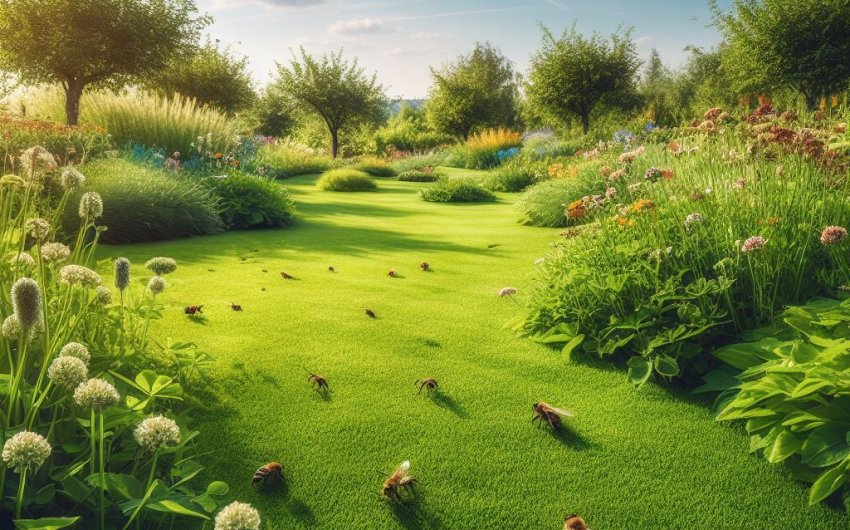
To achieve a chemical-free lawn through organic lawn care, prioritize nurturing healthy soil life, selecting the right grass for your climate, and implementing proper cultural practices like high mowing, deep watering, and organic fertilization. The ultimate goal is to build a resilient turf that naturally outcompetes weeds and pests, minimizing the need for synthetic inputs.
Why choose organic lawn care over conventional methods?
Choosing organic lawn care represents a fundamental shift in philosophy from conventional methods. Instead of relying on synthetic fertilizers, herbicides, and pesticides to address symptoms, organic care focuses on building a thriving, resilient ecosystem from the ground up. This approach prioritizes soil health, biodiversity, and long-term sustainability, offering numerous benefits for your family, pets, and the environment.
What are the main drawbacks of conventional lawn care?
- Chemical exposure: Synthetic pesticides and herbicides can pose risks to children, pets, and wildlife through direct contact or runoff.
- Environmental pollution: Runoff from chemical fertilizers can pollute waterways, leading to algal blooms and harming aquatic life.
- Soil degradation: Chemical inputs can harm beneficial soil microorganisms, leading to depleted soil life and a dependency on synthetic products.
- Short-term solutions: Often treats symptoms (weeds, pests) rather than addressing the root cause of an unhealthy lawn.
- Reduced biodiversity: Can reduce the diversity of beneficial insects and microorganisms in the lawn ecosystem.
What are the key benefits of an organic, chemical-free lawn?
- Healthier for families and pets: Eliminates exposure to potentially harmful chemicals.
- Environmentally friendly: Reduces water and air pollution, supports local ecosystems.
- Improved soil health: Fosters a thriving microbial community, leading to richer, more fertile soil over time.
- Resilient turf: A strong, healthy lawn grown organically is naturally more resistant to weeds, pests, and diseases.
- Long-term sustainability: Builds a self-sustaining lawn ecosystem that requires fewer external inputs over time.
- Better water retention: Organically rich soil holds moisture more effectively, reducing watering needs.
What is the foundation of organic lawn care: healthy soil?
The undisputed foundation of any successful organic lawn care program is building and maintaining healthy soil. Think of the soil as the "stomach" of your lawn; if it's healthy and full of beneficial life, your grass will thrive. Organic practices focus on nourishing this underground ecosystem.
Why is soil testing essential for organic lawn care?
A soil test is the first and most crucial step in organic lawn care. It provides a detailed snapshot of your soil's current pH level and nutrient composition.
- Targeted amendments: Prevents over-application of nutrients your soil doesn't need and helps you address specific deficiencies naturally.
- Optimal pH: Determines if your soil's pH is in the ideal range (typically 6.0-7.0 for most turfgrasses) for nutrient uptake.
- Long-term strategy: Provides a baseline to track improvements in soil health over time. You can get a professional soil test from your local cooperative extension office or use a home soil test kit.
How does organic matter improve soil health?
Adding organic matter (like compost) is the single most important action you can take to improve soil health for an organic lawn.
- Improved structure: Loosens heavy clay soils and helps sandy soils retain water and nutrients.
- Nutrient source: Provides a slow-release, natural source of all essential plant nutrients.
- Feeds microbes: Fuels the vast and diverse community of beneficial soil microorganisms that are crucial for breaking down organic matter, nutrient cycling, and disease suppression.
- Water retention: Acts like a sponge, dramatically increasing the soil's ability to hold onto moisture.
How do you choose the right grass for an organic lawn?
Selecting the correct grass type or blend for your specific climate and site conditions is a critical decision in organic lawn care. The right grass will be naturally more resilient and require fewer inputs.
What are cool-season vs. warm-season grasses?
- Cool-season grasses: Thrive in cooler climates, green up in spring and fall, often go dormant in hot summer. Examples: Kentucky bluegrass, perennial ryegrass, fescues.
- Warm-season grasses: Thrive in warmer climates, green up in summer, go dormant and turn brown in winter. Examples: Bermuda grass, Zoysiagrass, St. Augustine grass.
Choosing a grass type adapted to your region's climate is essential for its natural vigor and resistance to stress.
What role do native grass species play?
Considering native grass species or mixes can be highly beneficial for organic lawns. Native grasses are naturally adapted to your local climate, soil, and pest conditions, meaning they require fewer resources (water, fertilizer) and are inherently more resistant to local challenges. They also support local biodiversity.
Why is disease and pest resistance important when selecting grass?
Opting for grass cultivars that are known for their natural resistance to common diseases and pests in your region will significantly reduce the need for chemical interventions. Look for these traits on seed labels or ask your local nursery for recommendations. This proactive choice is a cornerstone of chemical-free lawn management.
What mowing practices promote a healthy organic lawn?
Proper mowing techniques are surprisingly impactful in maintaining a healthy, weed-resistant organic lawn. It's about more than just cutting; it's about nurturing.
Why is "mowing high" crucial for organic lawns?
Mowing high (keeping your grass blades longer, typically 2.5-3.5 inches or taller for most grasses) is perhaps the most important mowing practice for an organic lawn.
- Deeper roots: Taller grass blades allow the plant to produce a deeper, more extensive root system, making it more drought-tolerant and better able to absorb nutrients.
- Weed suppression: Taller grass shades the soil surface, preventing sunlight from reaching weed seeds and inhibiting their germination.
- Stress reduction: Longer blades provide more surface area for photosynthesis, making the plant more vigorous and resilient to stress.
- Cooler soil: The shade from taller grass keeps the soil cooler, benefiting microbial life.
What is "grasscycling" and why is it beneficial?
Grasscycling is the practice of leaving short grass clippings on the lawn after mowing.
- Natural fertilizer: As clippings decompose, they return nitrogen and other nutrients to the soil, reducing the need for supplemental fertilization.
- Adds organic matter: Contributes organic matter to the soil, feeding microbes and improving soil structure.
- Reduces waste: Diverts clippings from landfills.
- Method: Ensure you mow frequently enough so that clippings are no more than 1 inch long. Use a mulching mower blade for best results.
How often should you mow an organic lawn?
Mow your organic lawn frequently enough so that you never remove more than one-third of the blade height at any single mowing. This minimizes stress on the grass. Depending on growth rate, this might mean mowing once a week or more in peak season, and less frequently in cooler periods.
What watering strategies support a chemical-free lawn?
Efficient and effective watering is vital for organic lawn care. It focuses on promoting deep root growth and minimizing disease, rather than just keeping the grass green on the surface.
Why is deep, infrequent watering best for organic lawns?
Deep, infrequent watering encourages turfgrass to grow long, robust root systems that reach deep into the soil for moisture.
- Drought tolerance: Deeper roots make the lawn much more tolerant of dry spells, reducing overall water consumption.
- Weed suppression: Weeds, often shallow-rooted, struggle in drier surface conditions.
- Disease prevention: Allows the topsoil to dry out between waterings, discouraging surface-dwelling fungal pathogens.
When is the best time to water an organic lawn?
Water your lawn in the early morning (between 6:00 AM and 10:00 AM).
- Low evaporation: Minimizes water loss to evaporation, allowing more water to penetrate the root zone.
- Drying foliage: Gives grass blades time to dry completely before nightfall, significantly reducing the risk of fungal diseases.
- Avoid evening watering: Never water in the late afternoon or evening, as this leaves foliage wet overnight, creating prime conditions for disease.
How much water does an organic lawn need?
Aim for about 1 inch of water per week (including rainfall), delivered in one or two deep watering sessions. You can monitor soil moisture depth with a soil moisture meter for lawns or by pushing a screwdriver into the soil. If it goes in easily to 4-6 inches, your watering is deep enough.
How do you organically fertilize and nourish your lawn?
Organic fertilization focuses on feeding the soil, not just the grass. By enriching the soil with natural inputs, you support the microbial life that makes nutrients available to your turf.
What are common organic fertilizers for lawns?
- Compost: The ultimate organic fertilizer. Topdress your lawn with a thin layer (1/4 to 1/2 inch) of finished compost annually in spring or fall.
- Compost Tea: A liquid extract of compost, rich in beneficial microbes and nutrients. Apply as a foliar spray or soil drench. You can find organic compost tea bags for easy brewing.
- Organic granular fertilizers: Derived from natural sources like alfalfa meal, blood meal, bone meal, feather meal, or corn gluten meal. These release nutrients slowly over time. Look for organic lawn fertilizers with appropriate NPK ratios.
- Seaweed/Kelp extracts: Provide micronutrients and growth hormones.
When should you apply organic fertilizers?
- Cool-season grasses: Fertilize in fall (most important), late spring, and sometimes early spring.
- Warm-season grasses: Fertilize in late spring/early summer, and mid-summer.
- Frequency: Organic fertilizers are generally slow-release, so they're applied less frequently than synthetics. A soil test will guide timing and amounts.
What about other soil amendments?
- Lime or sulfur: Used to adjust soil pH, based on soil test results, to create optimal conditions for nutrient availability.
- Worm castings: Super-rich in nutrients and beneficial microbes; can be topdressed or mixed into soil.
- Humic acid/Fulvic acid: Can improve nutrient uptake and overall soil health.
How do you organically manage weeds, pests, and diseases?
Organic lawn care largely prevents weeds, pests, and diseases by building a robust turf ecosystem. When issues do arise, organic methods focus on natural controls and strengthening the lawn's inherent defenses.
What are organic weed control strategies?
- Dense turf: The best defense. Healthy, thick grass simply outcompetes weeds.
- Hand-pulling: For individual weeds, especially when young and after rain.
- Corn gluten meal: A natural pre-emergent that inhibits weed seed germination. Apply in early spring and fall. Will also inhibit grass seed, so don't overseed after application.
- Spot treating: For stubborn weeds, use targeted applications of organic weed killers (e.g., horticultural vinegar, fatty acid herbicides), being careful as many are non-selective.
- Aeration: Reduces compaction that broadleaf weeds love.
What are organic pest control strategies for lawns?
- Healthy soil life: A diverse soil ecosystem supports beneficial insects and microbes that keep pest populations in check.
- Resistant grass varieties: Choose those less susceptible to common lawn pests.
- Proper mowing/watering/fertilizing: Reduce stress on the grass.
- Beneficial nematodes: Microscopic worms that can control grubs and other soil-dwelling pests. Apply with a hose-end sprayer for nematodes.
- Diatomaceous earth: A natural, non-toxic powder that can deter some surface-dwelling insects.
- Insecticidal soap/Neem oil: For specific insect outbreaks, use organic insecticidal soaps or neem oil.
How do you organically beat lawn diseases?
- Cultural practices: The most effective defense. Correct watering (morning only), proper mowing, and balanced fertilization.
- Disease-resistant grass: Select cultivars known for their resistance.
- Good air circulation: Prune trees to reduce shade, aerate lawn to reduce thatch.
- Compost tea: Inoculates the turf with beneficial microbes that can suppress fungal pathogens.
The ultimate guide to organic lawn care revolves around nurturing a healthy soil ecosystem and implementing sound cultural practices. By prioritizing rich, living soil, selecting appropriate grass types, mowing high, watering deep, and feeding organically, you empower your lawn to become a resilient, chemical-free expanse. This holistic approach ensures a vibrant, naturally beautiful turf that is safe for families and pets, while also contributing positively to the surrounding environment.