
The Advantages of Using Plastic Mulch in Your Garden
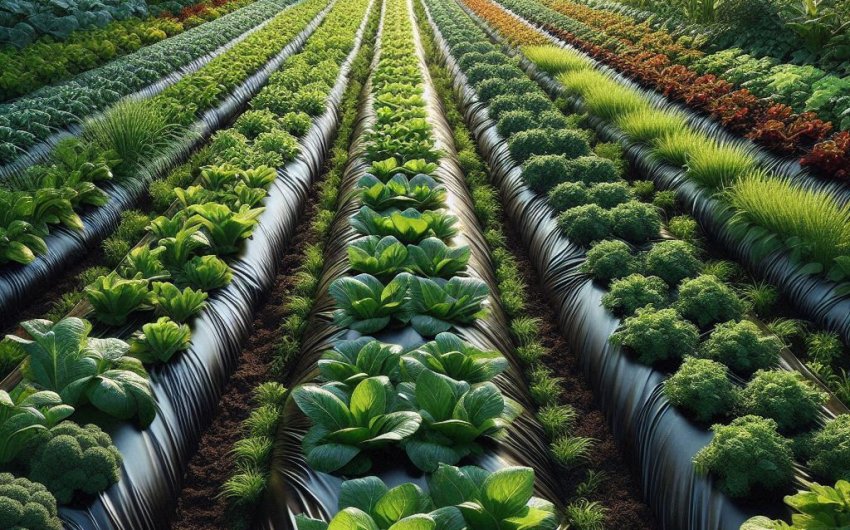
Plastic mulch has become a popular choice for gardeners looking to improve crop yield, control weeds, and manage soil temperature. This type of mulch, typically made from polyethylene, offers unique benefits that make it particularly effective in vegetable gardens and flower beds. By using plastic mulch, you can create an ideal growing environment for plants, reduce maintenance, and boost overall productivity.
In this guide, we’ll explore the many advantages of using plastic mulch in your garden, how it differs from traditional mulch, and tips for making the most of this versatile gardening tool.
What is Plastic Mulch?
Plastic mulch is a synthetic material used to cover soil, similar to traditional mulches like wood chips or straw. Made from durable polyethylene plastic, it’s available in various colors, thicknesses, and types, each suited to specific gardening needs. Unlike organic mulch, plastic mulch is water-resistant, controls soil temperature, and creates a barrier that helps retain moisture and prevent weed growth.
Common Types of Plastic Mulch
- Black Plastic Mulch: Blocks sunlight to prevent weed growth and helps retain heat, making it ideal for warm-season crops.
- Clear Plastic Mulch: Allows sunlight through and traps heat, often used to warm soil in early spring.
- Red Plastic Mulch: Reflects certain light wavelengths that can enhance fruit production, particularly beneficial for tomatoes.
- White Plastic Mulch: Reflects sunlight and keeps soil cooler, ideal for crops that prefer lower temperatures.
Order black plastic mulch (available for $10–$30) to control weeds and retain heat for a variety of crops.
Key Advantages of Using Plastic Mulch
Plastic mulch offers several distinct advantages that can transform your garden’s productivity. By providing a barrier that retains moisture, blocks weeds, and regulates temperature, plastic mulch is a practical choice for many gardeners.
1. Excellent Weed Control
One of the primary benefits of plastic mulch is its effectiveness in controlling weeds. By creating a barrier that blocks sunlight, plastic mulch prevents weed seeds from germinating, reducing the need for frequent weeding and minimizing competition for nutrients.
- Black plastic mulch is particularly effective at blocking sunlight, making it ideal for weed control.
- Fewer weeds mean healthier plants, as they won’t have to compete for soil nutrients and moisture.
Get a roll of weed-control plastic mulch (available for $10–$25) to keep your garden weed-free and productive.
2. Enhanced Soil Moisture Retention
Plastic mulch creates a barrier that reduces water evaporation from the soil, helping to retain moisture. This not only keeps your plants hydrated but also reduces the frequency of watering.
- Especially beneficial in hot climates, where water tends to evaporate quickly.
- Saves time and resources, as you’ll need to water less frequently.
Find a soaker hose (available for $15–$30) to use under your plastic mulch for efficient watering.
3. Temperature Control for Optimal Growth
Plastic mulch can regulate soil temperature, which is essential for root development and overall plant health. Different colors of plastic mulch have various effects on soil temperature.
- Black plastic mulch warms the soil by absorbing heat, which is beneficial for warm-season crops like tomatoes and peppers.
- White or reflective mulch helps keep soil cooler, ideal for cool-season crops.
Order a roll of reflective plastic mulch (available for $10–$25) to keep soil temperatures down in warmer climates.
4. Faster Plant Growth and Higher Yields
With better moisture retention, fewer weeds, and ideal soil temperatures, plants grown with plastic mulch often grow faster and produce higher yields. The improved conditions encourage stronger root development and healthier plants.
- Great for vegetable gardens, as it can lead to earlier harvests and more abundant produce.
- Consistent growth conditions help prevent issues related to irregular moisture or temperature fluctuations.
Use plastic mulch for vegetable gardens (available for $10–$30) to improve crop growth and increase yield.
5. Improved Soil Structure
Plastic mulch protects soil from the impact of heavy rains, which can cause erosion, compact soil, and harm root systems. By maintaining a barrier over the soil, plastic mulch prevents these issues and keeps soil structure intact.
- Reduces erosion, preserving the nutrients and organic matter in the soil.
- Keeps the ground loose and workable, promoting root growth and healthier plants.
Shop for durable garden plastic mulch (available for $15–$40) to protect soil and improve structure.
6. Reduced Risk of Soil-Borne Diseases
By creating a barrier, plastic mulch prevents soil from splashing onto plants during rain or watering, which can reduce the spread of soil-borne diseases. This is particularly beneficial for tomatoes and other plants susceptible to fungal infections.
- Minimizes contact between soil and plant leaves, reducing the chance of disease spread.
- Ideal for gardens in humid climates where fungal diseases are common.
Get a roll of disease-prevention plastic mulch (available for $10–$25) to protect plants from soil-borne diseases.
7. Lower Maintenance and Labor
With plastic mulch, the reduced need for weeding, less frequent watering, and fewer disease problems mean lower maintenance. This saves time and labor, allowing you to spend more time enjoying your garden.
- Ideal for busy gardeners or those with larger plots.
- Helps create a garden that requires minimal upkeep while still producing excellent results.
Order low-maintenance plastic mulch (available for $10–$20) to simplify your gardening tasks.
Different Colors and Their Uses in the Garden
Plastic mulch comes in a variety of colors, each with unique properties that can benefit certain plants and gardening goals. Choosing the right color can make a big difference in plant growth, soil temperature, and overall garden success.
Black Plastic Mulch
- Benefits: Absorbs sunlight, warms the soil, and blocks weeds.
- Ideal For: Warm-season crops like tomatoes, peppers, and melons.
- Temperature Control: Raises soil temperature, encouraging early-season growth.
Find black plastic mulch (available for $10–$30) for optimal growth of heat-loving plants.
Clear Plastic Mulch
- Benefits: Warms the soil faster by allowing sunlight through while still retaining moisture.
- Ideal For: Early-season crops that need a head start, like carrots and potatoes.
- Temperature Control: Raises soil temperature significantly, often more than black mulch.
Get clear plastic mulch (available for $10–$25) to speed up growth for early-season crops.
Red Plastic Mulch
- Benefits: Reflects certain light wavelengths that promote growth and fruiting in some plants.
- Ideal For: Tomatoes, strawberries, and other fruiting crops.
- Temperature Control: Warms soil but with a unique reflective quality that can enhance yield.
Order red plastic mulch (available for $10–$25) to increase yields for tomato and strawberry plants.
White Plastic Mulch
- Benefits: Reflects sunlight, keeping soil cooler and retaining moisture.
- Ideal For: Cool-season crops like lettuce, cabbage, and cauliflower.
- Temperature Control: Prevents soil from overheating, creating a cooler environment.
Shop for white plastic mulch (available for $15–$30) to keep soil cooler for leafy greens and other cool-weather plants.
Tips for Using Plastic Mulch in Your Garden
To get the most out of plastic mulch, it’s essential to use it properly. Follow these tips to maximize the benefits and ensure a productive garden.
1. Prepare the Soil Before Laying Mulch
Before applying plastic mulch, remove any existing weeds and amend the soil with compost or other nutrients. This ensures that your plants have all they need to grow strong and healthy.
Use garden compost (available for $15–$30) to enrich your soil before applying mulch.
2. Secure the Mulch Properly
Plastic mulch needs to be secured to prevent it from shifting or blowing away. Use garden staples or soil to anchor the edges, ensuring the mulch stays in place throughout the season.
Order garden staples (available for $5–$15) to keep your plastic mulch firmly in place.
3. Use Drip Irrigation Under the Mulch
Drip irrigation is an effective way to water plants under plastic mulch. It delivers water directly to the roots, preventing moisture loss and ensuring even hydration.
Find a drip irrigation system (available for $20–$50) to install under your plastic mulch for efficient watering.
4. Cut Planting Holes Carefully
When placing plants under plastic mulch, use a sharp knife or garden scissors to cut holes for planting. This helps prevent the mulch from tearing and keeps weeds out.
Get a pair of garden scissors (available for $10–$20) for clean, precise cuts in your plastic mulch.
5. Monitor Soil Moisture
Although plastic mulch retains moisture, it’s essential to monitor soil conditions, especially during hot weather. Check moisture levels regularly and adjust watering as needed.
Use a soil moisture meter (available for $10–$20) to keep track of soil moisture under your plastic mulch.
6. Remove Plastic Mulch After the Growing Season
At the end of the season, remove the plastic mulch to allow the soil to breathe and prevent buildup of salts or residues. Store it properly if you plan to reuse it next season.
Order a garden tool storage box (available for $20–$40) to store your plastic mulch and other garden supplies.
Environmental Considerations
While plastic mulch has many advantages, it’s important to consider its environmental impact. Some gardeners choose biodegradable or recyclable plastic mulch options to reduce waste.
Biodegradable Plastic Mulch
Biodegradable mulch breaks down over time, eliminating the need to remove it after the growing season. This option is more eco-friendly and simplifies cleanup.
Find biodegradable plastic mulch (available for $15–$30) for an eco-friendly alternative in your garden.
Recyclable Plastic Mulch
Some types of plastic mulch can be recycled, reducing their environmental footprint. Always check with your local recycling center to see if they accept plastic mulch.
Use recyclable plastic mulch (available for $10–$25) for a more sustainable approach to plastic mulching.
Plastic mulch offers many benefits for gardeners, from controlling weeds and retaining moisture to improving yields and protecting plants. By choosing the right type, preparing the soil, and following best practices, you can enjoy a more productive, efficient, and low-maintenance garden.