
How to Revive a Lawn Damaged by Heavy Traffic?
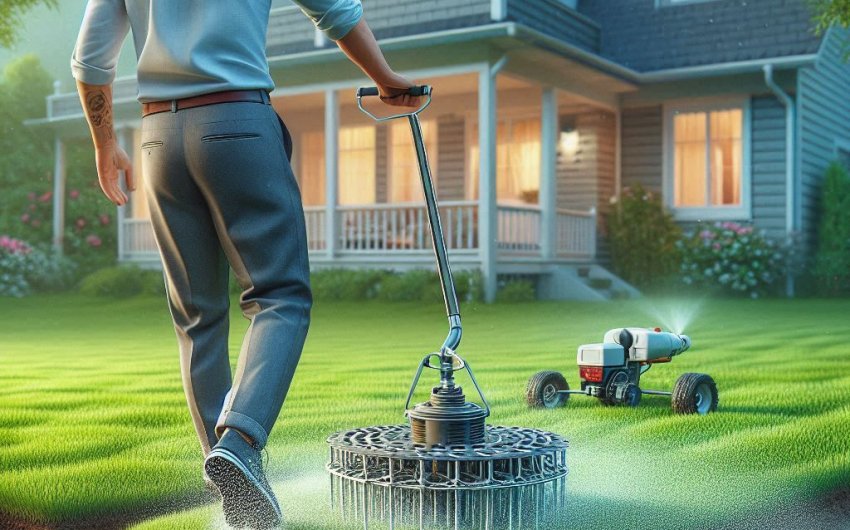
A lush, green lawn is often the pride of a homeowner, providing a beautiful backdrop for outdoor activities and enhancing curb appeal. But sometimes, even the most meticulously cared-for turf can suffer from the demands of everyday life. Whether it's the constant patter of little feet, the playful antics of pets, the repeated path to a shed, or the impact of backyard gatherings, heavy traffic can leave a once-vibrant lawn looking thin, compacted, and worn. Those worn-down patches, bare spots, and areas where grass simply refuses to grow can be frustrating, marring the uniform beauty of your green carpet.
The problem isn't just about the grass blades being trampled. Heavy traffic fundamentally alters the soil beneath, leading to soil compaction. When soil is compacted, the tiny air pockets essential for healthy root growth are squeezed out. This means roots struggle to get oxygen, water drains poorly (or runs off), and nutrients become less available. The grass literally suffocates and starves, making it incredibly difficult for it to recover on its own. Rescuing a lawn damaged by heavy traffic requires a targeted approach that addresses both the visible damage and the hidden soil issues.
This guide will provide you with a comprehensive plan to revive a lawn damaged by heavy traffic. We'll delve into understanding the signs of compaction, implementing key aeration techniques, selecting the right grass seed for tough conditions, and establishing long-term solutions to minimize future wear. Get ready to transform those worn-out patches back into a verdant, resilient lawn that can better withstand the joys and demands of outdoor living. Let's bring your lawn back to life, one healthy root at a time.
What Does Heavy Traffic Do to Your Lawn?
Understanding the specific ways heavy traffic harms your lawn is crucial for knowing how to fix it. It's more than just flattened blades of grass.
What is Soil Compaction?
The primary and most damaging effect of heavy traffic on a lawn is soil compaction.
- Pressure: Repeated foot traffic, pet activity, or even machinery applies pressure to the soil.
- Eliminating air pockets: This pressure squeezes the soil particles closer together, eliminating the essential tiny air pockets (pores) that exist in healthy soil.
- Consequences: These air pockets are vital for several reasons: they hold oxygen for grass roots, they allow water to drain properly, and they facilitate the movement of nutrients.
How Does Compaction Harm Grass Roots?
When soil is compacted, it directly harms grass roots:
- Oxygen deprivation: Roots need oxygen to "breathe" and perform their metabolic functions. In compacted soil, the lack of air pockets means roots are starved of oxygen, essentially suffocating.
- Stunted growth: Without proper oxygen, roots cannot grow deeply or widely. They remain shallow and weak, making the grass less resilient.
- Poor water and nutrient absorption: Compacted soil also makes it difficult for roots to absorb water and nutrients, even if they are present. Water tends to run off the surface instead of penetrating, or it sits on top, creating puddles. Nutrients become "locked up" and unavailable.
What are the Visible Signs of Heavy Traffic Damage?
The visible signs of heavy traffic damage on a lawn are usually quite clear:
- Thinning grass: The grass appears sparse and less dense in high-traffic areas.
- Bare spots: Patches where grass has completely died off, leaving bare soil.
- Hardened soil: The soil in these areas feels hard, compacted, and almost like concrete when you try to dig into it.
- Poor drainage/runoff: Water tends to puddle on the surface after rain or irrigation, or runs off quickly rather than soaking in.
- Increased weeds: Weeds, especially broadleaf varieties, often thrive in compacted, unhealthy soil because they are more tolerant of these tough conditions than desirable turfgrass.
- Footpaths: Clearly visible worn paths where traffic is most concentrated.
Does it Affect Water and Nutrient Uptake?
Yes, heavy traffic damage severely affects water and nutrient uptake.
- Water runoff: Compacted soil has poor infiltration rates. Instead of soaking into the ground, water often runs off the surface, leading to wasted water and potentially erosion.
- Nutrient lockout: Even if you fertilize, compacted soil makes it difficult for grass roots to absorb those nutrients. They become less available, effectively starving the grass even when food is present. This leads to a vicious cycle: compacted soil weakens grass, which then becomes even more susceptible to damage.
How Do You Assess and Prepare a Damaged Lawn?
Before you start revitalizing your lawn, it's important to assess the damage and prepare the area properly. This ensures your efforts are effective.
How Do You Identify Compacted Soil?
Confirming compacted soil is key.
- Screwdriver test: Try pushing a long screwdriver into the soil. In healthy soil, it should slide in relatively easily. In compacted soil, it will be very difficult to push in beyond a few inches.
- Digging test: Dig a small section with a spade. In compacted areas, it will feel very hard and resistant. You might notice shallow, struggling roots.
- Water puddle test: Water a small area heavily. If water pools for a long time or runs off quickly, it indicates poor drainage due to compaction.
When is the Best Time to Repair?
The best time to repair a lawn damaged by heavy traffic is during the cool growing seasons for your type of grass.
- Cool-season grasses (fescue, rye, bluegrass): Early fall (late August to October) is ideal. The soil is still warm enough for germination, but temperatures are cooling, and there's usually good rainfall. Spring (March-April) is also possible but less ideal due to weed competition and impending summer heat.
- Warm-season grasses (Bermuda, zoysia, St. Augustine): Late spring to early summer (May to July) is best, when temperatures are consistently warm and the grass is actively growing. Avoid attempting major repairs during the hottest parts of summer or the coldest parts of winter, as new grass will struggle to establish.
How Do You Clear the Damaged Area?
Before you begin, clear the damaged area of any debris.
- Remove loose material: Rake away dead grass, leaves, and any visible debris.
- Weed removal: Pull out any weeds from the bare or thinned spots. It's easier to remove them now than after new grass starts to sprout. For larger areas, a garden rake works best.
Should You Amend the Soil?
Yes, amending the soil is a crucial step after addressing compaction.
- Why amend: Even after aeration, adding organic matter will further improve soil structure, drainage, and nutrient retention, creating a better environment for new grass roots.
- What to use: Spread a layer (1-2 inches) of good quality, well-rotted compost over the affected areas. You can gently rake it in, or it will work its way down after aeration and watering.
- Leveling: Use the compost to help level out any depressions in the damaged areas.
What Are Core Aeration Techniques?
Core aeration is the most effective way to address soil compaction in your lawn. It physically creates new air pockets, allowing roots to breathe and water/nutrients to penetrate.
What is Core Aeration?
Core aeration involves using a machine (an aerator) that literally pulls out small plugs or "cores" of soil from the lawn.
- Benefits: These holes create pathways for air, water, and nutrients to reach the grass roots. They also allow roots to grow deeper and more vigorously.
- Process: The aerator punches holes typically 2-4 inches deep and about 1/2 inch in diameter, leaving the small soil plugs on the surface. These plugs will break down and disappear back into the lawn within a few weeks.
Can You Rent an Aerator?
Yes, for larger lawns or significant compaction, renting an aerator is often the most practical option.
- Rental centers: Aerators are typically available at tool rental centers or garden equipment rental stores.
- Machine types: You'll usually find walk-behind aerators that resemble a lawnmower.
- Timing: Plan to rent it for the optimal time for your grass type (early fall for cool-season, late spring/early summer for warm-season).
- Instructions: Get clear instructions on how to operate it safely and effectively.
What Are Alternatives to Renting an Aerator?
For smaller areas or less severe compaction, there are alternatives, though generally less effective than a core aerator.
- Manual core aerator: A manual core aerator is a hand tool that allows you to pull plugs, one at a time. It's labor-intensive but good for small, targeted spots.
- Spike aerators: These tools (either manual or attachable to a lawnmower) poke holes in the soil but do not remove plugs. They can cause some compaction around the edges of the holes and are generally less effective than core aerators.
- Aerating shoes: Sandals with spikes on the bottom. While they seem easy, they provide very limited aeration and can compact the soil around the spikes. Not generally recommended for serious compaction.
How Often Should You Aerate?
For lawns with heavy traffic damage, you might need to aerate once or twice a year during the appropriate growing season until the lawn recovers. Once it's healthier, annual aeration is often sufficient, especially in high-traffic zones. In less compacted areas, aeration every 2-3 years might be enough.
What About Liquid Aerators?
Liquid aerators are products applied to the lawn that claim to "loosen" soil without physical aeration.
- How they work: They typically contain surfactants that help water penetrate the soil more easily.
- Effectiveness: While they can improve water penetration, they do not physically remove plugs or create the lasting air channels that core aeration does. They can be a good supplement to physical aeration, but they are not a replacement for addressing severe compaction. A liquid lawn aerator can be used between core aerations.
How Do You Overseed a Damaged Lawn?
After aeration and soil amendment, overseeding is the next crucial step to fill in bare spots and thicken thinning areas in your damaged lawn.
What Type of Grass Seed Should You Use?
Choosing the right type of grass seed is vital for success, especially for areas prone to heavy traffic.
- Match existing lawn: Ideally, use the same grass seed blend that matches your existing lawn for a uniform look.
- Traffic tolerance: If the area receives continuous heavy traffic, consider using grass seed varieties known for their high traffic tolerance.
- Cool-season: Perennial Ryegrass and Tall Fescue are generally more traffic tolerant than Kentucky Bluegrass or Fine Fescues. Blends often work best.
- Warm-season: Bermuda Grass is highly traffic tolerant and recovers quickly. Zoysia Grass is also very durable.
- Disease resistance: Choose seed blends that offer good disease resistance for your region.
How Do You Prepare for Overseeding?
After aeration and adding compost:
- Rake the area: Lightly rake the bare and thin spots to ensure good seed-to-soil contact. Remove any remaining thatch or debris.
- Spread seed: Spread the grass seed evenly over the prepared areas. Follow the application rates on the seed package. You can use a handheld seed spreader for even distribution.
- Lightly rake in: Gently rake the seed into the top 1/4 inch of soil to ensure good soil contact and protect it from birds.
- Topdress (optional but recommended): For best results, apply a very thin layer (1/8 to 1/4 inch) of peat moss or compost over the newly sown seeds. This helps retain moisture, provides a sterile seedbed, and protects the seeds.
How Do You Water Newly Seeded Areas?
Consistent moisture is absolutely critical for successful seed germination. This is where many people fail.
- Keep constantly moist: For the first 2-3 weeks (or until new grass is established), the seeded area must be kept continuously moist. This means watering lightly, but frequently, several times a day. Do not let the seedbed dry out.
- Gentle watering: Use a gentle sprinkler or hose nozzle setting to avoid washing away seeds. A oscillating sprinkler can provide consistent, gentle coverage.
- Gradually reduce: Once the grass sprouts and reaches a height of 1-2 inches, you can gradually reduce watering frequency but increase the duration of each watering to encourage deeper root growth.
When Can You Mow and Fertilize New Grass?
- Mowing: Wait until the new grass has reached the recommended mowing height (typically 3-4 inches) and the roots are well-established, usually around 4-6 weeks after seeding. Ensure your mower blades are sharp.
- Fertilizing: Wait about 6-8 weeks after seeding before applying a starter fertilizer. Use a lawn starter fertilizer specifically formulated for new grass, which is higher in phosphorus. Avoid high-nitrogen fertilizers on new grass.
How Do You Maintain a Traffic-Damaged Lawn for Long-Term Health?
Once you've revived your lawn damaged by heavy traffic, implementing long-term maintenance strategies is essential to prevent future issues and keep it healthy.
How Do You Manage Traffic Patterns?
The most effective long-term solution is to manage traffic patterns and reduce wear on sensitive areas.
- Identify main paths: Observe where people (and pets) naturally walk.
- Create alternative paths: Install stepping stones, a gravel path, or even a narrow paved walkway in these high-traffic zones. This diverts traffic away from the grass. A simple garden stepping stone set can be a great starting point.
- Educate users: Gently encourage family members or visitors to use designated paths.
- Relocate activity: If possible, move play areas, pet runs, or frequently accessed points to less critical lawn areas or install durable surfaces there.
What is the Importance of Proper Mowing?
- Mow at correct height: Mow your grass at the highest recommended height for your grass type (usually 3-4 inches). Taller grass shades the soil, promotes deeper roots, and is more resilient to stress, including traffic.
- Sharp blades: Use a lawn mower with sharp blades. Dull blades tear grass, making it more susceptible to disease and stress.
- Vary mowing direction: Change your mowing pattern each time to prevent ruts and compaction in the same spots.
How Do Proper Watering and Fertilizing Help?
Consistent proper watering and fertilizing contribute to a healthy, resilient lawn.
- Deep and infrequent watering: Encourage deep root growth by watering deeply when the lawn needs it, rather than lightly and frequently. This makes grass more drought and traffic tolerant.
- Balanced fertilization: Fertilize regularly according to your lawn type and soil test results. A healthy, well-fed lawn is better equipped to repair itself and resist stress. Avoid over-fertilizing with nitrogen, which can lead to rapid, weak growth.
Why is Seasonal Aeration and Overseeding Important?
- Annual aeration: For lawns prone to traffic, consider annual core aeration during the appropriate growing season to relieve compaction and keep the soil healthy.
- Regular overseeding: Overseed thin areas each year, even if there isn't obvious damage, to maintain turf density and encourage new, healthy grass growth. This helps fill in weak spots before they become bare patches.
Should You Consider Alternative Groundcovers?
For areas with extreme, constant traffic where grass repeatedly fails, consider alternative groundcovers or hardscaping.
- Permeable pavers: Create paths with permeable pavers or gravel instead of forcing grass.
- Tough groundcovers: Some groundcovers are more tolerant of light foot traffic than turfgrass, such as creeping thyme or certain sedums, depending on your climate and sun conditions.
- Artificial turf: For areas with impossible growing conditions or very high use, high-quality artificial turf can be a durable, low-maintenance solution. Sometimes, the best solution isn't more grass, but a different material altogether.