
Planter Benches: Combine Seating and Greenery for a Unique Touch
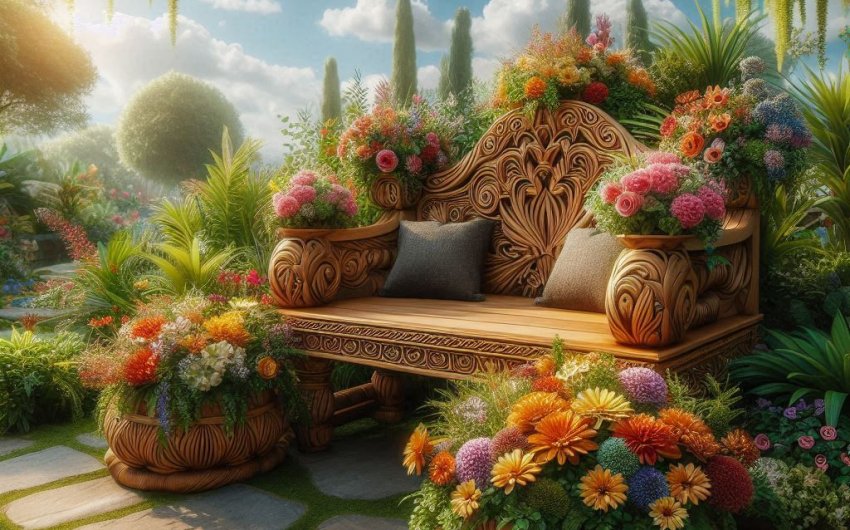
Incorporating a touch of nature into our living spaces has become an essential aspect of modern home and garden design. Whether you live in a sprawling house or a cozy apartment, the concept of blending seating with greenery brings a refreshing vibe. A planter bench offers the perfect opportunity to create a functional and aesthetically pleasing space where you can sit and relax while enjoying lush plants. Let's explore how these innovative seating solutions can enhance your outdoor or indoor spaces, offering a combination of practicality and beauty.
Why Planter Benches Are Gaining Popularity
Planter benches are not just simple pieces of furniture; they are a combination of seating solutions and greenery. This makes them ideal for various environments. Whether placed on a patio, balcony, or in a garden, these dual-purpose benches bring a natural touch while providing comfortable seating.
Here are some reasons why planter benches are becoming a popular choice among homeowners and designers:
- Space-saving design: For people with small spaces, combining planters with seating is a space-efficient solution. It allows you to have both a seating area and greenery in one place.
- Enhancing aesthetics: The natural beauty of plants can transform a simple bench into a stunning focal point in your garden or yard.
- Customizable options: You can customize your planter bench to fit your style, whether you prefer a rustic wooden look, a sleek modern design, or something entirely unique.
This trend has grown immensely as more people look to make their outdoor spaces more inviting and functional.
How to Incorporate Planter Benches in Different Spaces
1. Planter Benches for the Patio
A patio is often seen as an extension of the home. It’s the perfect spot for gatherings, dining, or simply unwinding with a book. A planter bench can be seamlessly integrated into this outdoor space to enhance the atmosphere. The greenery provides a fresh feel, while the bench itself offers seating for guests.
When choosing a planter bench for your patio, look for materials that match your style. For a rustic look, go for a wooden planter bench. Wooden options, such as cedar or teak, not only offer durability but also age beautifully when exposed to the elements. The natural grain of the wood complements the greenery, creating a harmonious blend.
If you’re after a more modern look, consider metal planter benches. Aluminum and steel offer a sleek appearance and are resistant to rust, making them perfect for outdoor settings.
Explore your ideal wooden planter bench to elevate your patio’s style.
2. Planter Benches for the Garden
A garden is the ideal place for nature lovers to unwind and soak up the beauty of the outdoors. Integrating a planter bench in your garden not only provides seating but also acts as a decorative element that enhances the overall landscape. Whether your garden is filled with blooming flowers, succulents, or herbs, a planter bench will complement the setting.
For those with sprawling gardens, larger planter benches can be placed in pathways or corners to create relaxing nooks. You can plant climbing vines or trailing plants in the planters, allowing them to cascade down, creating a charming natural effect around the bench. Choose plants that align with your garden’s theme, such as roses for a romantic setting or lavender for a more calming ambiance.
Find the right garden planter bench to complete your outdoor retreat.
3. Planter Benches for the Balcony
Apartment dwellers and those with small spaces often look for ways to add greenery without sacrificing space. A planter bench is an ideal solution for balconies. It allows you to add plants while providing a cozy seating area. The compact design of a planter bench fits well even on narrow balcony spaces.
Plants such as ferns, herbs, or ornamental grasses can thrive in the planters, turning your balcony into an urban oasis. Additionally, consider using portable planter benches that can be moved around based on your preference.
Upgrade your balcony with this compact planter bench to maximize both seating and greenery.
Planter Bench Designs to Suit Every Style
1. Rustic Wooden Planter Benches
For those who love a classic, natural look, wooden planter benches are a timeless choice. Whether you're aiming for a rustic, cottage garden feel or prefer the sleek lines of contemporary design, wood can cater to a range of aesthetics. Teak, cedar, and redwood are popular options for outdoor planter benches because they are durable and resistant to weather elements.
A wooden planter bench with built-in compartments for herbs or small shrubs can make a simple yet effective statement. The beauty of these natural materials lies in their ability to weather gracefully, giving them a more charming appearance as they age.
Enhance your garden with a teak planter bench for a rustic touch.
2. Modern Metal Planter Benches
If you prefer a more contemporary look, a metal planter bench might be more to your taste. Steel or aluminum benches offer a sleek, polished appearance that fits well with modern gardens and urban settings. These materials are known for their longevity and are often treated to resist rust and weathering.
Metal planter benches are ideal for those looking for a minimalist aesthetic. These benches can be powder-coated in various colors to match your outdoor design, from matte black to bright metallic hues.
Check out this steel planter bench to give your space a modern edge.
3. Concrete Planter Benches for a Bold Look
For a bolder, industrial design, concrete planter benches offer both durability and a striking aesthetic. Concrete has become increasingly popular in outdoor design for its raw, textured appearance. A concrete planter bench works well in urban environments, blending effortlessly into city landscapes, minimalist gardens, or industrial-style homes.
Concrete benches can be paired with lush greenery for contrast, or with succulents and grasses to complement the stark look. Though heavy, concrete is an extremely durable option that can withstand the elements for years.
Explore durable and stylish concrete planter benches for an urban chic design.
4. Recycled Materials and Eco-friendly Options
As sustainability becomes a growing trend, many homeowners are opting for planter benches made from recycled materials. Reclaimed wood or composite materials are used to create eco-friendly benches that have minimal environmental impact. These benches still offer the same durability and aesthetic appeal as other materials but with the added benefit of being kinder to the planet.
A planter bench made from recycled plastic is another great eco-friendly option. These benches are incredibly low maintenance and come in a variety of styles and colors. The use of recycled materials in outdoor furniture has made a significant impact, allowing homeowners to reduce their carbon footprint without sacrificing style.
Choose an eco-friendly planter bench to contribute to a sustainable environment.
Choosing the Right Plants for Your Planter Bench
The type of plants you select for your planter bench can make all the difference in its overall appearance and functionality. The choice will depend on whether your bench is located indoors or outdoors, the climate, and the amount of sunlight the area receives. Here are some popular options to consider:
1. Succulents and Cacti
Succulents and cacti are popular choices for those looking to add low-maintenance greenery. These plants thrive in bright sunlight and require minimal watering, making them ideal for outdoor benches or sunny balconies. Succulents come in a variety of shapes and colors, adding texture and interest to your planter bench. Meanwhile, cacti offer a more sculptural look.
Find the perfect succulent plants for your planter bench.
2. Flowering Plants
If you want to add color and vibrancy to your planter bench, flowering plants are an excellent choice. Depending on the season, you can plant a variety of annuals and perennials that will bloom throughout the year. Popular options include petunias, marigolds, begonias, and geraniums. Flowering plants not only enhance the aesthetics of your planter bench, but they can also attract pollinators such as bees and butterflies, bringing even more life to your outdoor space.
Browse beautiful flowering plants to bring color to your bench.
3. Herbs and Edible Plants
For those who love gardening with a purpose, planting herbs or other edible plants in your planter bench adds a functional aspect to your space. Basil, mint, rosemary, and thyme are all easy to grow in small planters and can be used in your cooking. For larger spaces, you can even grow tomatoes, peppers, or lettuce in the planter compartments.
Grow your own herb garden with these planters.
4. Trailing Plants and Vines
For a more dramatic effect, consider planting trailing plants or vines in your planter bench. Plants like English ivy, sweet potato vine, or creeping Jenny cascade gracefully from the planter, softening the edges of the bench and creating a lush, natural look. Climbing plants like clematis or morning glories can also be used to wrap around the structure of your bench, providing shade and a cozy feel to your seating area.
Add trailing elegance with vines and trailing plants to your bench setup.
DIY Planter Benches: Create Your Own Custom Piece
For the DIY enthusiast, building a planter bench can be a rewarding project that allows for customization based on your specific needs. With a few simple tools, materials, and basic carpentry skills, you can create a unique planter bench tailored to your space and preferences.
Step 1: Choose Your Materials
Select the type of material that will best suit your project. Wood is a popular option for DIYers because it's easy to work with, but metal or composite materials can also be used for a modern twist. Be sure to choose a durable, weather-resistant material if you plan to place your bench outdoors.
Shop for high-quality woodworking materials for your DIY project.
Step 2: Design Your Bench
Sketch out a design for your planter bench that includes seating and planters. Make sure the dimensions are appropriate for your space. If you're unsure of where to start, look for online plans or DIY kits that offer easy-to-follow instructions.
Get started with a DIY planter bench kit.
Step 3: Build the Planter Bench
Gather your tools—such as a saw, drill, and measuring tape—and begin construction. Assemble the frame of the bench first, followed by the planter compartments. Be sure to add drainage holes to the bottom of the planters to prevent water from accumulating and damaging your plants.
Find essential DIY tools to complete your project.