
Serving Bowls for Fresh Garden Salads
Why do I need special serving bowls for garden salads?
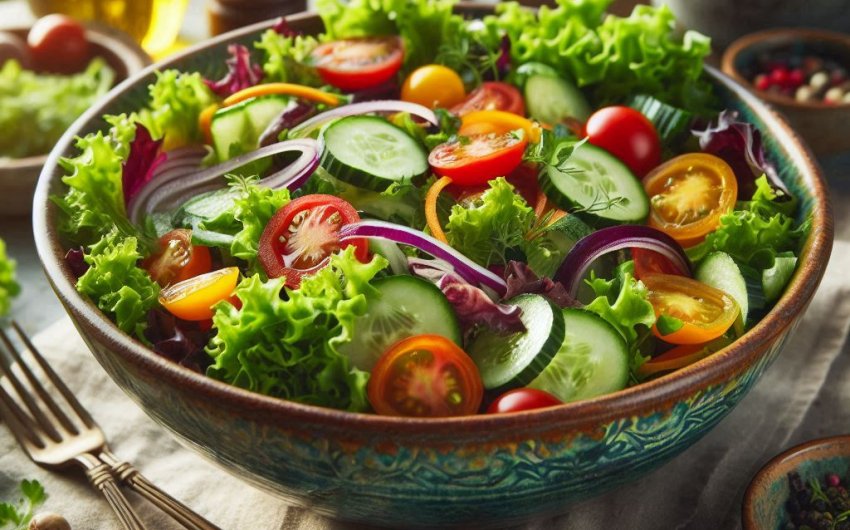
Imagine you’ve just picked crisp lettuce, juicy tomatoes, and vibrant peppers from your garden. You’ve tossed them with a zesty vinaigrette and a sprinkle of herbs. Now, how do you present this masterpiece? Throwing it into any old bowl just won't do! A good serving bowl for your fresh garden salads isn't just about holding the greens; it's about making your salad shine. It enhances the visual appeal, keeps the salad fresh, and makes serving a breeze.
Think of it this way: your garden salad is a work of art. You wouldn't frame a beautiful painting in a flimsy, crooked frame, would you? The same goes for your salad. The right serving bowl celebrates the colors and textures of your homegrown ingredients, making your healthy creation even more inviting. It also helps keep everything perfectly mixed and easy for guests to serve themselves, without spilling or squishing the delicate leaves.
What materials are best for serving bowls?
Serving bowls come in a dazzling array of materials, each with its own look, feel, and practical benefits. The material you choose can affect everything from how your salad looks to how easy the bowl is to clean and how durable it is for outdoor use.
Wooden serving bowls: rustic charm and natural beauty
There's something truly special about a wooden serving bowl. They bring a warm, rustic, and natural feel to any table, perfectly complementing the organic beauty of a garden salad. Wooden bowls are often handcrafted, giving them a unique charm. They are also gentle on salad greens, preventing bruising, and they won't scratch your serving utensils.
Wooden bowls are generally very durable if cared for properly. They need to be hand-washed and shouldn't be soaked in water or put in a dishwasher, as this can cause them to crack or warp. Regular oiling (with food-safe mineral oil) helps keep the wood nourished and looking its best. They come in various types of wood, like acacia, bamboo, or olive wood. An Acacia Wood Salad Bowl offers both beauty and durability.
Ceramic and stoneware bowls: elegant and versatile
Ceramic and stoneware serving bowls are incredibly versatile and come in a huge range of colors, patterns, and glazes. They can be elegant and formal, or casual and charming, making them suitable for any party theme. These bowls are known for their weight and stability, so they won't easily tip over.
Many ceramic and stoneware bowls are microwave and dishwasher safe, which is a big plus for easy cleaning and reheating (though you likely won't be reheating your salad!). They can also help keep salads cool, especially if they are chilled in the refrigerator before serving. They are generally durable but can chip or break if dropped. A beautiful Ceramic Large Serving Bowl can become a centerpiece for your salad.
Glass serving bowls: sleek, modern, and showcases your salad
If you want your salad to be the star of the show, a glass serving bowl is an excellent choice. Glass bowls are clear, allowing the vibrant colors and fresh textures of your garden salad to truly stand out. They offer a sleek, modern, and often elegant look.
Glass bowls are non-porous, meaning they won't absorb odors or flavors, and they are generally easy to clean, often being dishwasher safe. They can also be pre-chilled in the refrigerator to help keep your salad crisp longer. While beautiful, glass bowls can be fragile and are prone to breaking if dropped. However, their ability to showcase a beautifully arranged salad is unmatched. A Large Glass Salad Bowl is a timeless option.
Melamine bowls: durable, lightweight, and perfect for outdoors
For outdoor parties, picnics, or poolside gatherings, melamine serving bowls are a fantastic choice. Melamine is a type of plastic that is incredibly durable, lightweight, and shatter-resistant. You don't have to worry about them breaking if they get knocked off a table.
Modern melamine bowls come in a wide array of stylish designs, colors, and patterns that mimic the look of ceramic or stoneware, often without the fragile nature. They are also usually dishwasher safe and easy to clean. While generally not microwave-safe, they are ideal for serving cold dishes like salads. A colorful Melamine Serving Bowl Set is practical and pretty for outdoor dining.
Stainless steel bowls: practical, modern, and chilling power
Stainless steel serving bowls offer a practical and modern aesthetic. They are incredibly durable, lightweight, and virtually unbreakable, making them excellent for casual outdoor events where durability is key. They also have the advantage of being able to be chilled very quickly in the refrigerator or freezer, helping to keep your salad extra cool, which is a great benefit on a hot day.
Stainless steel bowls are non-reactive, so they won't affect the taste of your food, and they are usually dishwasher safe for easy cleaning. While they might not offer the decorative flair of ceramic or wooden bowls, their practicality and cooling abilities make them a smart choice, especially for larger gatherings or when you want to prep your salad ahead of time. A Large Stainless Steel Mixing Bowl can easily double as a serving bowl.
What size and shape of serving bowl is best for salads?
Beyond the material, the size and shape of your serving bowl play a big role in how well it functions for salads and how appealing your presentation is.
How big should my salad bowl be?
The ideal size of your salad bowl depends on the number of people you're serving and whether the salad is a main course or a side dish.
- Small (1-2 quarts / 4-8 cups): Good for individual portions or a very small side salad for 2-3 people.
- Medium (3-5 quarts / 12-20 cups): This is a versatile size for most family meals or smaller gatherings (4-8 people) where salad is a side.
- Large (6-10+ quarts / 24-40+ cups): Essential for parties, potlucks, or when your salad is a substantial main course for a larger group. You need enough room to properly toss the salad with dressing right in the bowl without everything spilling out.
Remember, a salad usually looks best when it has a bit of "breathing room" in the bowl, allowing the ingredients to be seen and easily picked up. Don't overstuff a bowl that's too small.
What shapes work best for serving salads?
While personal preference plays a role, certain shapes are generally more functional and visually appealing for serving salads.
- Wide and Shallow Bowls: These are fantastic for showcasing your salad's vibrant colors and varied ingredients. They make it easy for guests to see everything and serve themselves without digging. They're also great for composed salads where you arrange ingredients nicely.
- Deep and Narrow Bowls: While they hold a lot, they can make tossing a salad a bit harder and might hide ingredients at the bottom. They are better suited for pasta salads or potato salads that don't need a lot of delicate tossing.
- Flared or Angled Bowls: These offer a modern, elegant look and can make the salad appear abundant. They also provide a wider opening for easy serving.
- Bowls with a Lip/Rim: A slight lip or rim can help contain dressing and prevent spills as guests serve themselves.
Ultimately, the best shape is one that allows for easy tossing and serving, while also letting your fresh garden salad look as good as it tastes.
What features make a serving bowl extra special for salads?
Some serving bowls go beyond just holding your salad, offering features that make them more convenient, functional, or attractive.
Do I need a lid for my salad bowl?
Having a lid for your serving bowl is incredibly handy, especially for outdoor parties or if you're preparing the salad ahead of time.
- Keeps it fresh: A lid helps prevent your greens from wilting and keeps other ingredients crisp, especially in outdoor heat or if left uncovered.
- Protection from pests: Outdoors, a lid keeps unwelcome guests like flies or bugs away from your food.
- Easy transport: If you're bringing your salad to a potluck or picnic, a secure lid makes transport much easier and spill-free.
- Refrigeration: It allows you to store leftover salad directly in the serving bowl in the fridge.
Many melamine and stainless steel bowls come with fitted lids, making them highly practical. A Large Salad Bowl with Lid is a convenient option.
Are integrated serving utensils helpful?
Some salad serving bowls come as a set with matching serving utensils (often tongs or a fork and spoon set). This is a nice bonus because:
- Convenience: You don't have to hunt for the right utensils.
- Matching style: The utensils complement the bowl's design, creating a cohesive look.
- Storage: Some bowls even have slots or notches for the utensils to rest on the rim, keeping them tidy and preventing them from falling into the salad.
Integrated serving utensils are particularly useful for busy party hosts who appreciate ready-to-go serving solutions.
What about temperature control features?
For outdoor parties, especially on warm days, keeping your salad chilled is important for both freshness and food safety. Some serving bowls offer features that help with this:
- Double-walled insulation: Similar to insulated drink tumblers, some bowls have a double wall that creates a vacuum or air layer, keeping contents colder for longer.
- Built-in ice compartments: These smart bowls have a separate compartment underneath or around the main salad bowl where you can place ice, keeping the salad cool without watering it down. This is fantastic for mayonnaise-based salads or anything that needs to stay very cold. A Salad Bowl with Ice Chamber is a great example.
- Material that chills well: As mentioned earlier, glass, ceramic, and especially stainless steel bowls can be pre-chilled in the refrigerator or freezer to provide a cold start for your salad.
These features are especially beneficial if your salad will be sitting out for an extended period.
Do decorative elements matter?
Absolutely! The visual appeal of your serving bowl contributes to the overall ambiance of your outdoor party.
- Colors and patterns: Choose bowls that complement your existing dinnerware or reflect your personal style. Vibrant colors can make your salad pop, while subtle patterns can add elegance.
- Texture: The texture of the bowl material (smooth glass, rustic wood, glossy ceramic) adds another layer of visual interest.
- Shape: Unique or artistic shapes can turn a simple salad into a focal point on your table.
The right serving bowl doesn't just hold food; it tells a story and sets the mood for your meal.
Tips for serving the freshest garden salads
Even with the best serving bowl, a few simple tips can ensure your garden salad looks and tastes its absolute best at your party.
Keep ingredients separate until serving
This is the golden rule for crisp salads! Do not dress your salad until just before serving. Dressing causes greens to wilt quickly, especially vinaigrettes with acidic components.
- Prep ahead: Wash and dry your greens thoroughly. Store them in an airtight container or a salad spinner in the refrigerator. Chop all your other veggies and ingredients and store them separately.
- Dress at the last minute: Just before guests arrive, combine your ingredients in your chosen serving bowl, drizzle with dressing, and toss gently. This ensures maximum freshness and crunch.
For larger parties, you might even consider setting up a "salad bar" where guests can add their own dressing and toppings.
Proper storage for ingredients
- Lettuce and greens: After washing, make sure greens are very dry (a salad spinner is key!). Store them in a large bag lined with paper towels in the crisper drawer. This absorbs excess moisture and keeps them crisp for days.
- Hardy vegetables: Items like carrots, cucumbers, and bell peppers can be chopped a day ahead and stored in airtight containers in the fridge.
- Delicate items: Tomatoes and avocados are best sliced right before serving to prevent them from getting mushy or browning.
Garnish for visual appeal
Once your salad is in the serving bowl, a few simple garnishes can take it from good to gorgeous.
- Fresh herbs: A sprinkle of freshly chopped parsley, basil, or chives adds color and aroma.
- Edible flowers: If you have edible flowers from your garden (like nasturtiums or pansies), they can add a beautiful, delicate touch.
- Colorful toppings: A scattering of brightly colored ingredients like pomegranate seeds, corn kernels, or thinly sliced radishes can make your salad visually pop.
- Drizzles: A final drizzle of a contrasting dressing or a swirl of balsamic glaze can be very appealing.
Remember, people eat with their eyes first!
Use appropriate serving utensils
Make sure you have the right serving utensils readily available next to your salad bowl. Long-handled salad tongs or a separate fork and spoon set are ideal for tossing and serving. This prevents guests from struggling or using their personal utensils, which is more hygienic. As mentioned, some bowls come with matching sets, which is a nice touch.
Place your salad strategically on the table
- Easy access: Position your salad bowl in an easily accessible spot on your buffet or serving table so guests can reach it without difficulty.
- Group similar items: If you have multiple side dishes, group the salad with other cold items.
- Keep it cool: If you don't have a bowl with an ice chamber, place your salad bowl on a larger tray filled with ice, especially if it's a hot day and the salad will be out for a while. This helps maintain its crispness and safety.
By combining the right serving bowl with these preparation and presentation tips, your fresh garden salads will always be a highlight of your outdoor gatherings.