
Garden Benches: A Stylish Touch for Your Green Space
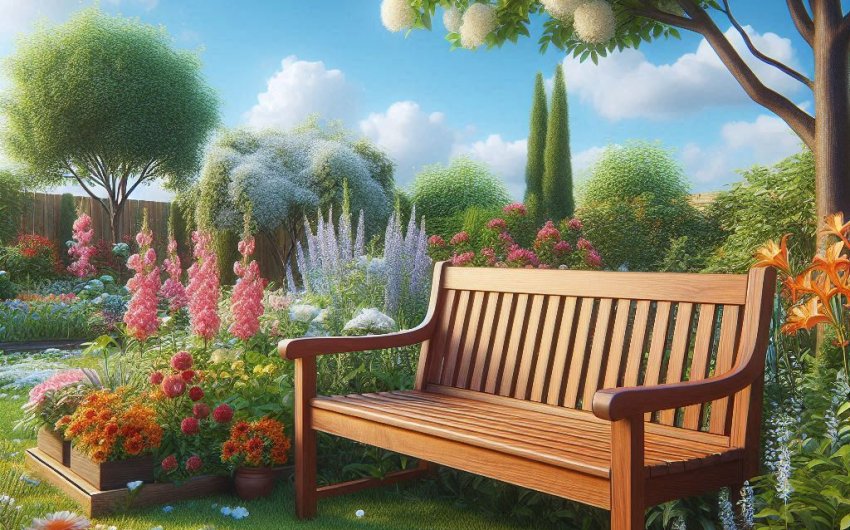
A well-placed garden bench can transform your green space into a relaxing retreat, providing not only a comfortable spot to rest but also an aesthetically pleasing focal point. Whether you're working with a sprawling backyard or a small urban garden, incorporating a garden bench adds functionality and style. In this guide, we'll explore the various types of garden benches, how to choose the right one for your space, and tips for enhancing your garden's overall look with the perfect bench.
1. Types of Garden Benches
There are many styles and materials to choose from when selecting a garden bench. Understanding the different types available can help you decide which one fits your garden's aesthetic and practical needs.
Wooden Garden Benches
Wooden garden benches are a timeless classic, known for their natural appearance that blends seamlessly into outdoor environments. Available in a variety of wood types, these benches can enhance both traditional and contemporary garden designs.
- Teak is a popular choice due to its durability and resistance to weathering. Teak benches age beautifully, developing a silver-gray patina over time.
- Cedar and acacia are also excellent choices for outdoor furniture, offering resistance to decay and insects.
Consider investing in a teak garden bench for a durable and attractive seating option that can withstand harsh weather conditions.
Metal Garden Benches
Metal garden benches bring a sleek and sturdy element to your outdoor space. Available in materials like wrought iron, aluminum, and steel, these benches can offer both a modern and vintage appeal.
- Wrought iron benches often feature intricate designs and are perfect for adding an elegant touch to formal gardens.
- Aluminum benches are lightweight and rust-resistant, making them ideal for humid or coastal environments.
If you're looking for a sophisticated yet low-maintenance option, a wrought iron garden bench or an aluminum garden bench can make a stylish addition to your garden.
Stone and Concrete Garden Benches
For a more permanent and substantial presence in your garden, stone or concrete garden benches are a solid choice. These benches are durable and weather-resistant, making them a great option for year-round outdoor use.
- Concrete benches offer a minimalist, modern look and are highly customizable in terms of size and shape.
- Stone benches, on the other hand, bring a natural, organic feel to the garden, blending with the surrounding landscape.
Although heavier and more difficult to move, a concrete garden bench or stone bench is perfect for a permanent seating solution in your garden.
Recycled Plastic Garden Benches
If you're looking for an eco-friendly option, consider recycled plastic garden benches. These benches are made from durable materials that can withstand harsh weather, making them a low-maintenance option.
- Recycled plastic benches often mimic the look of wood but offer greater resistance to rot, insects, and warping.
- Available in a variety of colors and styles, these benches can be a versatile addition to both modern and rustic garden designs.
A recycled plastic garden bench is a great way to incorporate sustainable furniture into your green space without sacrificing style.
2. Choosing the Right Garden Bench for Your Space
Selecting the right garden bench for your green space involves considering both the design and the functionality of the bench. Here's how to ensure your bench fits your needs and complements your garden.
Consider Your Garden Style
Your garden's overall aesthetic should influence the style of bench you choose. Whether your garden leans towards a more natural, rustic look or a clean, contemporary design, there's a garden bench to match.
- For a cottage garden or more traditional landscape, a wooden bench with ornate carvings or a wrought iron bench with decorative detailing can add a vintage charm.
- In a modern garden, opt for sleek materials like metal or concrete, which offer clean lines and minimalistic beauty.
If you're unsure which style to choose, a garden decor guide can provide inspiration based on your garden’s design elements.
Placement and Functionality
The placement of your garden bench will significantly impact its functionality and the overall look of your space. Think about how and where you’ll use the bench before making your purchase.
- Place your bench in quiet, secluded areas of the garden for peaceful relaxation, or position it in high-traffic areas where it can be used as a practical seating solution.
- Consider placing a bench under a shade tree or next to a flower bed for a serene spot to sit and admire your plants.
You can also add a garden table nearby to create a full seating area, perfect for outdoor meals or drinks with friends.
Bench Size and Comfort
Choosing the right size is key to ensuring your garden bench provides both comfort and balance to your space.
- A two-seater bench is ideal for smaller gardens or intimate seating areas, while a larger bench can provide ample seating for family gatherings.
- Look for benches with armrests or backrests for added comfort, or add cushions for extra support and a pop of color.
For maximum comfort, consider a cushioned garden bench or purchase outdoor cushions to complement your chosen bench.
3. Adding a Personal Touch with Accessories
Once you've selected your garden bench, you can enhance its style and functionality with a few well-chosen accessories. These elements can help tie the bench into the overall design of your garden while also making it more comfortable and inviting.
Garden Benches with Storage
A garden bench with storage is a practical option that can serve dual purposes—offering a place to sit while also providing extra space to store gardening tools or outdoor cushions.
- These benches typically feature a storage compartment beneath the seat, which can keep your garden neat and organized.
- Opt for weather-resistant materials like plastic or treated wood to ensure your bench can withstand the elements while protecting its contents.
A storage bench can be especially useful in smaller gardens, where maximizing space is key.
Add Cushions and Throws
Enhance the comfort and style of your garden bench by adding outdoor cushions and throws. These accessories not only provide extra comfort but also allow you to change the look of your garden seating with ease.
- Choose weather-resistant cushions to ensure durability and easy maintenance.
- Opt for colors and patterns that complement the surrounding garden plants or other outdoor furniture.
You can also add a garden throw blanket for extra warmth and coziness on cooler evenings, making your bench even more inviting.
Incorporating Planters and Greenery
One of the easiest ways to integrate your garden bench into the surrounding landscape is to surround it with greenery and planters.
- Add flower pots or planter boxes filled with your favorite plants to frame the bench and create a natural, lush atmosphere.
- Consider incorporating hanging plants or climbing vines to further integrate the bench into your garden.
For a seamless look, match your bench material to the planters or surrounding features, creating a cohesive design throughout your garden.
4. Creating Garden Bench Zones
Your garden bench doesn't have to stand alone—it can become the focal point of a larger seating area or garden zone. By arranging additional furniture, decor, and plants around your bench, you can create a peaceful garden nook or an outdoor living space.
Garden Benches in Meditation Zones
If you want to create a calming retreat in your garden, consider setting up your bench in a meditation zone. The right bench can provide a tranquil spot for relaxation, reflection, or reading.
- Surround your bench with low-maintenance plants like ferns or lavender to create a peaceful environment.
- Incorporate wind chimes or water features for soothing sounds that enhance the meditative experience.
You can also add a yoga mat nearby for moments of mindfulness and relaxation.
Garden Benches as Dining Areas
Transform your garden bench into a dining space by adding a garden dining table or bistro set for al fresco meals.
- Opt for a folding table if you want flexibility in your space, allowing you to stow it away when not in use.
- Incorporate outdoor lighting, like string lights or lanterns, to create a cozy ambiance for evening dining.
Whether you're hosting a casual brunch or an intimate dinner, your garden bench can serve as the perfect seating option for outdoor meals.
Benches for Children’s Play Areas
If you have children, a garden bench can serve as both a seating area and a focal point for play areas. Choose a child-sized bench to make the space more inviting for little ones.
- Place the bench near a sandbox or play structure to create a cozy seating area for both kids and parents.
- Incorporate outdoor toys nearby to encourage playtime and outdoor activities.
A well-placed bench in a play area provides a comfortable spot for supervising children or relaxing while they explore the garden.
5. Seasonal Maintenance Tips for Garden Benches
To keep your garden bench looking great year-round, it’s important to maintain it properly based on the material and exposure to the elements.
Wooden Bench Care
- Teak benches can be treated with teak oil to maintain their natural color, or left to age naturally for a silver patina.
- Cedar and acacia benches should be cleaned regularly and treated with wood sealers to protect against moisture and pests.
Metal Bench Maintenance
- Wrought iron and steel benches should be inspected for rust. If rust spots appear, sand them off and apply a rust-resistant paint to prevent further damage.
- Aluminum benches require minimal maintenance but should be wiped down periodically to remove dirt and debris.
Cleaning Stone and Concrete Benches
Stone and concrete benches may accumulate dirt or moss over time. Use a pressure washer or a gentle cleaning solution to remove grime and restore their appearance.