
How to Tackle Lawn Rust Disease Effectively?
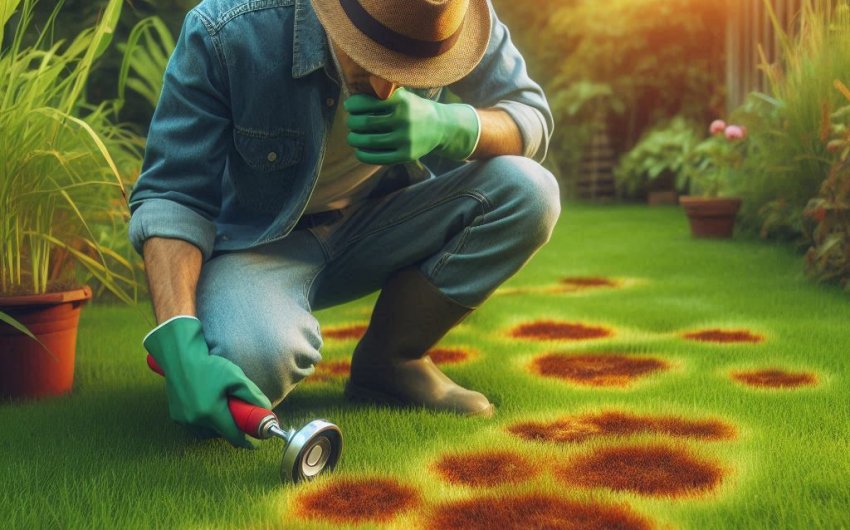
Lawn rust is a common fungal disease that affects many types of grass, causing it to turn an unsightly orange or yellow color. If left untreated, lawn rust can weaken grass, leading to thin, patchy areas that are more vulnerable to other diseases and weeds. While lawn rust may seem alarming, it’s manageable with the right steps. Here’s a detailed guide on how to tackle lawn rust disease effectively and keep your lawn healthy and green.
What is Lawn Rust?
Lawn rust is caused by fungal pathogens that thrive in moist, warm conditions. It’s named for the rust-like, powdery spores that cover grass blades, giving them an orange or yellow appearance. This disease often appears in late summer or early fall when temperatures are mild, and moisture levels are high.
Key Factors that Cause Lawn Rust
- Excess Moisture: Prolonged moisture from dew, rain, or irrigation creates an ideal environment for fungal growth.
- Poor Air Circulation: Limited airflow traps moisture around the grass, encouraging rust spores to spread.
- Nitrogen Deficiency: Low nitrogen levels can weaken grass, making it more susceptible to diseases.
- Slow Growth: Grass that’s not actively growing is more likely to be affected by rust, as the disease has more time to develop.
Recognizing and addressing these factors can help prevent lawn rust from taking hold.
1. Mow Regularly and at the Right Height
Proper mowing is essential for managing lawn rust, as it removes infected leaf blades and encourages new growth. Cutting grass too short, however, can stress the lawn, making it more susceptible to disease.
- Mowing Height: Keep grass around 2.5 to 3 inches for most lawn types.
- Remove Clippings: Collect and remove clippings when rust is present to prevent the spread of fungal spores.
Using a lawn mower with adjustable height allows you to set the ideal cutting height and help reduce rust spread.
2. Water Early in the Morning
Watering practices play a significant role in managing lawn rust. Watering early in the morning allows the grass blades to dry quickly throughout the day, reducing moisture that fungi thrive on.
- Best Time to Water: Between 5 a.m. and 9 a.m. is ideal for watering.
- Frequency: Water deeply but infrequently to encourage deep root growth.
A sprinkler timer can help you automate early morning watering, ensuring that grass dries out during the day.
3. Improve Air Circulation Around Your Lawn
Increasing air circulation helps reduce moisture buildup and lowers the risk of lawn rust. By trimming overgrown trees, bushes, and other plants, you can improve airflow across the lawn.
- Prune Nearby Plants: Remove branches and thin out dense foliage to allow more sunlight and air to reach the grass.
- Avoid Overcrowding: Keep space between shrubs and other plants to reduce humidity levels around the grass.
Using a pair of reliable pruning shears can make it easier to trim plants and improve airflow in your lawn area.
4. Fertilize with Nitrogen for Healthy Growth
A healthy lawn is less susceptible to rust. Applying a nitrogen-rich fertilizer boosts grass growth and gives it the strength to resist diseases. Just be careful not to over-fertilize, as too much nitrogen can also lead to other issues.
- Balanced Fertilization: Apply a balanced fertilizer in the early spring and fall.
- Avoid Excess Nitrogen: Stick to the recommended application rate for your grass type.
A nitrogen lawn fertilizer provides the nutrients your lawn needs to grow thick and resist rust.
5. Overseed Thin Areas to Encourage Dense Growth
Thin or sparse lawns are more vulnerable to lawn rust because there is less grass to resist the spread of spores. Overseeding helps fill in these areas, creating a thicker lawn that’s less likely to succumb to rust.
- Best Time to Overseed: Early fall or spring, depending on your grass type.
- Seed Choice: Use a high-quality seed that’s resistant to diseases like rust.
Using a grass seed spreader helps you distribute seed evenly, improving lawn thickness and health.
6. Aerate the Lawn to Relieve Soil Compaction
Soil compaction limits grass root development and makes it harder for water and nutrients to reach roots, creating conditions that favor rust. Aerating the soil loosens compacted areas, improving drainage and airflow.
- When to Aerate: Aerate in early spring or fall when grass is actively growing.
- Method: Use a core aerator to remove small soil plugs, allowing air and water to penetrate the soil.
A lawn aerator tool can help relieve compaction and improve grass health, making it more resistant to rust.
7. Remove Lawn Thatch
Thatch is a layer of dead grass, roots, and debris that builds up between the soil and live grass blades. Excessive thatch can trap moisture, creating a favorable environment for lawn rust.
- Dethatching Frequency: Remove thatch annually or as needed, depending on buildup.
- Thatch Depth: Aim to keep thatch layers under 0.5 inches.
Using a dethatching rake can help you break up thatch and improve water and air flow, reducing the likelihood of rust.
8. Apply Organic Fungicides
If rust persists despite cultural practices, applying organic fungicides can help control the disease. Organic fungicides are safer for the environment and can effectively reduce rust without using harsh chemicals.
- Application Timing: Apply fungicides when you first notice rust, and reapply every few weeks as needed.
- Natural Ingredients: Look for products with neem oil or sulfur, which are effective against fungal diseases.
A natural lawn fungicide can be a gentle but effective option for controlling lawn rust.
9. Avoid Heavy Traffic on the Lawn
Excessive foot traffic on the lawn can stress the grass and increase the risk of rust. Encourage foot traffic in specific areas or create pathways to protect your lawn.
- Design Pathways: Use stepping stones or mulch to create walkways through the lawn.
- Reroute Traffic: Redirect foot traffic to prevent soil compaction and damage to grass.
Adding garden stepping stones can protect your lawn from wear and tear, keeping it healthier and more resistant to disease.
10. Check Lawn for Other Stressors
Lawn rust often appears in areas where grass is already stressed. Identifying other issues such as pest damage or nutrient deficiencies can help address underlying problems and make the lawn less susceptible to rust.
- Inspect for Pests: Look for signs of insect activity, such as chewed grass blades or bare patches.
- Check for Discolored Grass: Yellow or pale grass may indicate nutrient deficiencies.
Using a soil test kit can help you determine if your lawn has nutrient imbalances that need correcting.
11. Rake Up and Dispose of Fallen Leaves
Fallen leaves and other debris can trap moisture and block sunlight, creating an environment where rust spores thrive. Regularly raking up leaves reduces the chance of rust developing and spreading.
- Rake Frequency: Rake weekly in fall and after storms that cause leaf drop.
- Dispose Properly: Dispose of leaves to prevent spores from returning to the lawn.
Using a leaf rake helps you keep the lawn clear of debris, reducing moisture buildup and rust risk.
12. Adjust Mowing Schedule in Humid Conditions
During humid weather, mowing schedules may need adjustment to prevent rust from spreading. Shorter, less frequent mowing can help reduce the spread of spores while allowing grass to stay healthy.
- Mowing Frequency: Mow less frequently when rust is present to avoid spreading spores.
- Blade Height: Keep the mower blade sharp to avoid tearing grass.
Using a self-propelled lawn mower with adjustable blade height ensures you can mow at the optimal length during different seasons.
13. Avoid Over-Fertilizing in Mid-Summer
While fertilizing can boost grass health, too much nitrogen in mid-summer can make grass more susceptible to lawn rust. Applying moderate amounts during the growing season is key.
- Application Timing: Fertilize in early spring and late fall, when the grass is growing actively.
- Use Slow-Release Fertilizer: This helps avoid sudden nitrogen spikes that encourage rust.
Applying a slow-release lawn fertilizer provides steady nutrients, supporting healthy growth without increasing rust risks.
14. Monitor for Early Signs of Rust
The earlier you spot lawn rust, the easier it is to control. Regular inspection of your lawn allows you to detect any yellow or orange spotting on grass blades before it spreads.
- Inspection Tips: Check for color changes or powdery spots on grass blades.
- Act Quickly: Remove affected grass and adjust care practices immediately.
Using a garden magnifying glass can help you closely examine grass for early signs of rust.
15. Use Disease-Resistant Grass Varieties
If rust continues to be a problem, consider overseeding with disease-resistant grass varieties that can withstand fungi better than others. Mixing resistant varieties into your lawn can help prevent rust outbreaks in the future.
- Grass Choices: Ryegrass and fescues are generally more resistant to rust.
- Overseeding: Seed affected areas with resistant grass in fall or spring.
A disease-resistant grass seed mix can help build a lawn that’s naturally better at fending off diseases like rust.
16. Avoid Watering in the Late Afternoon
Watering in the late afternoon can leave grass wet overnight, promoting fungal growth. Watering in the early morning reduces moisture levels, helping to prevent lawn rust.
- Watering Time: Water your lawn before 9 a.m. to allow grass to dry during the day.
- Watering Method: Water deeply and less often to encourage deeper root growth.
Using a watering timer can help you stick to an optimal watering schedule, reducing excess moisture that leads to rust.
17. Consider Mulching Instead of Bagging
While bagging clippings is effective for reducing rust spread, mulching can also be beneficial when done correctly. Mulched clippings return nutrients to the soil, but be cautious when rust is present.
- Avoid During Rust Outbreaks: Mulch only when rust is under control to avoid spreading spores.
- Use Mulch Sparingly: Avoid over-mulching, which can trap moisture and worsen rust.
Using a mulching mower can help you mulch clippings evenly, enriching the soil without increasing disease risk.
18. Clean Lawn Equipment Regularly
Lawn equipment can spread rust spores from one area of the lawn to another. Cleaning tools after use reduces this risk and prevents reinfection.
- Clean Mower Blades: Wipe down blades after mowing to remove any spores.
- Sanitize Tools: Use a diluted bleach solution to disinfect tools between uses.
A lawn mower blade cleaner helps you maintain tools, keeping your lawn equipment rust-free and sanitary.