
The Benefits of a Garden Bucket vs. a Compost Bin
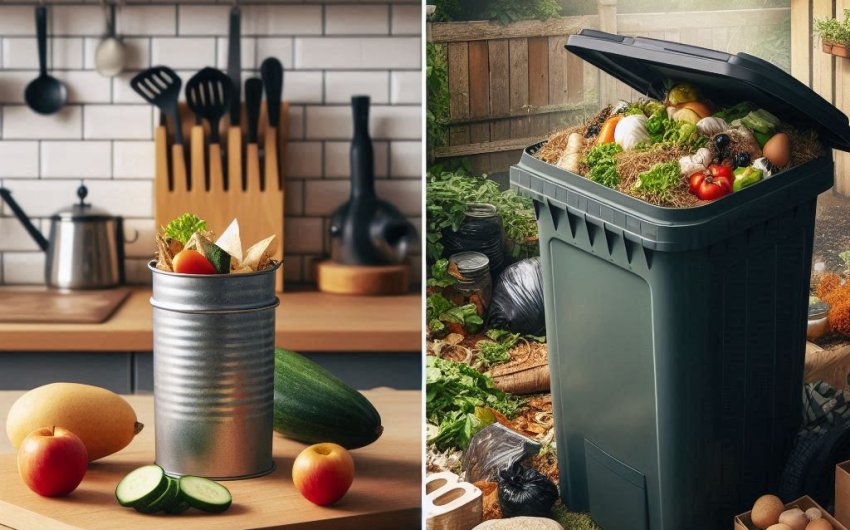
The primary benefit of a garden bucket is its convenience for temporary indoor storage of kitchen scraps, minimizing odors and pests before transfer. A compost bin, on the other hand, is designed for the actual decomposition of organic waste into nutrient-rich compost, offering a long-term, larger-scale solution for creating soil amendments.
What is a Garden Bucket Used For?
A garden bucket, often referred to as a kitchen compost collector or countertop compost bin, serves as an intermediary storage solution for organic waste generated indoors. Its main purpose is to conveniently collect food scraps like fruit peels, vegetable trimmings, coffee grounds, and tea bags, preventing them from going into the regular trash. This temporary holding area makes it easy to gather materials over a few days before transferring them to a larger outdoor compost system, whether that's a traditional compost bin, a worm bin, or even a community composting site. These buckets are typically compact, lidded, and designed to minimize odors, making them a discreet addition to any kitchen.
What are the Key Features of a Good Garden Bucket?
A good garden bucket, designed for kitchen scrap collection, prioritizes ease of use, odor control, and cleanliness.
- Size: Needs to be small enough to fit conveniently on a countertop or under a sink, typically holding 1-2 gallons. Larger options might exist for bigger households.
- Airtight Lid: Crucial for containing odors and preventing fruit flies. Some lids might have charcoal filters for extra odor absorption.
- Material: Durable and easy to clean. Common materials include stainless steel, ceramic, or BPA-free plastic. Stainless steel is popular for its sleek look and rust resistance.
- Handle: A sturdy handle makes it easy to carry the bucket to the outdoor compost bin.
- Ease of Cleaning: Smooth, non-porous surfaces are preferred for quick rinsing and cleaning to prevent bacterial buildup.
- Aesthetics: Many options are designed to be visually appealing, blending into kitchen decor.
Some popular choices include the Stainless Steel Compost Bin with Charcoal Filter or a Ceramic Compost Bin for a more decorative look.
What is a Compost Bin Used For?
A compost bin is an outdoor container or structure specifically designed to facilitate the decomposition of organic materials into nutrient-rich compost. Unlike a garden bucket which is for temporary collection, a compost bin is where the actual biological process of composting takes place. It provides an environment that supports microorganisms, fungi, and other decomposers in breaking down food scraps, yard waste, and other organic matter into a valuable soil amendment. The resulting compost, often referred to as "black gold," improves soil structure, water retention, and provides essential nutrients for plants. Compost bins come in various sizes and designs, from simple open piles to sophisticated tumbling systems, each suited for different volumes of waste and levels of user engagement.
What are the Different Types of Compost Bins?
Compost bins come in a variety of styles, each offering different advantages for various needs and spaces.
- Pile Composting: The simplest method, involving just a heap of organic materials. It's inexpensive but can take longer to break down and may attract pests if not managed well. Best for large volumes of yard waste.
- Open Bins (Three-Sided or Four-Sided Structures): These are typically made from wire mesh, wooden pallets, or recycled plastic. They are easy to turn and allow for good aeration. Examples include a Wire Mesh Compost Bin or a Compost Bin with Access Door.
- Closed Bins (Plastic or Metal Drums): These are usually lidded, enclosed containers that protect the pile from pests and retain heat. They are great for smaller spaces and where aesthetics are a concern. Often have aeration holes.
- Tumbling Composters: These bins rotate, making it easy to turn the compost pile for aeration without manual effort. They speed up the composting process due to efficient mixing. A popular choice is a Dual Chamber Tumbling Composter, which allows for continuous composting.
- Worm Composting (Vermicomposting): Uses specific types of worms (like red wigglers) to break down organic waste, producing nutrient-rich worm castings. Ideal for indoor use or small spaces, handling kitchen scraps efficiently. A Worm Composting Bin is designed for this purpose.
- Digester Composters (e.g., Green Cones): These are partially buried units that rely on solar heat and anaerobic decomposition to break down food waste, including cooked foods and meat, that might not be suitable for other bins.
What are the Benefits of Using a Garden Bucket?
The benefits of a garden bucket are centered around convenience and hygiene for indoor organic waste collection. It significantly simplifies the process of diverting kitchen scraps from the landfill by making it easy to collect them throughout the day. By having a dedicated, lidded container on your countertop or under the sink, you eliminate the need for multiple trips outside to a compost bin every time you peel a vegetable or finish a meal. The sealed design helps to contain odors, which is a major advantage for indoor use, and also deters common kitchen pests like fruit flies. This makes it a clean and efficient precursor to outdoor composting, encouraging more consistent composting habits.
How Does a Garden Bucket Improve Kitchen Hygiene?
A garden bucket, particularly one with a well-fitting lid and a charcoal filter, significantly improves kitchen hygiene by containing odors and reducing pest attraction.
- Odor Containment: The primary way it enhances hygiene is by sealing in unpleasant smells from decaying food scraps, preventing them from permeating the kitchen.
- Pest Deterrence: A sealed lid acts as a barrier against fruit flies, ants, and other small kitchen pests that are attracted to exposed food waste.
- Reduced Trash Odors: By diverting food waste, the regular kitchen trash bin contains less smelly, decaying organic material, leading to a fresher kitchen environment.
- Easier Cleaning: Many garden buckets are designed with smooth, non-porous interiors that are easy to rinse out, preventing bacterial buildup and keeping the container itself clean.
By concentrating food scraps in a single, managed container, the kitchen remains cleaner and more pleasant, making the initial step of composting a seamless part of daily routine.
What are the Benefits of Using a Compost Bin?
The benefits of using a compost bin extend far beyond simple waste management; they are deeply rooted in environmental sustainability and soil enrichment. A compost bin is where true resource recovery occurs, transforming what would otherwise be discarded into a valuable, nutrient-rich soil amendment. This "black gold" improves soil structure, increases water retention, and provides essential nutrients, reducing the need for chemical fertilizers. From an environmental perspective, composting diverts significant amounts of organic waste from landfills, where it would decompose anaerobically (without oxygen) and produce methane (CH₄), a potent greenhouse gas. Furthermore, it closes the loop on organic matter, returning vital carbon and nutrients to the soil, fostering healthier ecosystems.
How Does Composting Benefit Your Garden Soil?
Composting offers a multitude of benefits for your garden soil, transforming its health and productivity.
- Enriches Soil with Nutrients: Compost is packed with essential macro and micronutrients that plants need for healthy growth, providing a slow-release, balanced food source.
- Improves Soil Structure: It adds organic matter, which binds sandy soils to improve water retention and loosens clay soils to enhance drainage and aeration. This creates an ideal environment for root growth.
- Increases Water Retention: Compost acts like a sponge, allowing soil to hold more moisture, reducing the need for frequent watering, especially in drought-prone areas.
- Enhances Beneficial Microbial Activity: Compost introduces and feeds a diverse community of beneficial bacteria, fungi, and other microorganisms that are vital for nutrient cycling and suppressing plant diseases. A single teaspoon of healthy compost can contain billions of microbes.
- Balances Soil pH: While not a dramatic pH changer, compost acts as a buffer, helping to stabilize soil pH closer to the neutral range, making nutrients more available to plants.
- Suppresses Plant Diseases and Pests: A healthy, biologically active soil from compost can naturally suppress certain plant pathogens and deter pests.
- Reduces Chemical Fertilizer Needs: By providing a natural source of nutrients, compost lessens or eliminates the reliance on synthetic fertilizers, saving money and reducing environmental impact.
- Sequester Carbon: Healthy soil rich in organic matter can store atmospheric carbon, contributing to climate change mitigation.
How Does Composting Help the Environment?
Composting plays a crucial role in environmental sustainability by addressing several key issues related to waste management and climate change.
- Reduces Landfill Waste: Organic waste (food scraps, yard waste) makes up a significant portion of municipal solid waste. Composting diverts these materials from landfills, extending landfill life and reducing the need for new landfill sites.
- Mitigates Methane Emissions: When organic matter breaks down in landfills without oxygen (anaerobically), it produces methane (CH₄), a potent greenhouse gas that is 25 times more effective at trapping heat than carbon dioxide (CO₂). Composting, an aerobic process, primarily produces CO₂, which is less impactful.
- Reduces Need for Synthetic Fertilizers: By creating a natural soil amendment, composting lessens the demand for synthetic fertilizers, which are energy-intensive to produce and can lead to water pollution through runoff.
- Conserves Water: Compost improves soil's water-holding capacity, reducing the need for irrigation and conserving precious water resources.
- Reduces Carbon Footprint of Transportation: Composting locally reduces the transportation distance for waste, thus lowering fuel consumption and emissions.
- Enriches Biodiversity: Healthy, compost-amended soil supports a thriving ecosystem of beneficial microorganisms, insects, and other creatures, contributing to overall biodiversity.
- Closes the Loop: Composting helps create a circular economy where organic "waste" is repurposed as a valuable resource, mimicking natural ecological processes.
Garden Bucket vs. Compost Bin: Key Differences
Understanding the fundamental differences between a garden bucket and a compost bin is crucial for effective organic waste management. While both play a role in reducing waste, their functions, locations, and scales of operation are distinct. A garden bucket is a collection tool for immediate, indoor use, focusing on temporary storage and odor control. A compost bin, conversely, is a processing unit located outdoors, dedicated to the actual biological breakdown of organic materials into usable compost. The garden bucket is a stepping stone to the compost bin, not a substitute for it.
| Feature | Garden Bucket (Kitchen Collector) | Compost Bin (Outdoor System) |
|---|---|---|
| Primary Function | Temporary indoor collection | Decomposition of organic waste |
| Location | Kitchen countertop, under sink | Outdoor yard, garden, balcony |
| Capacity | Small (1-2 gallons) | Large (multiple cubic feet/gallons) |
| Odor Control | Critical (sealed lid, filters) | Managed by proper carbon/nitrogen mix |
| Pest Control | Crucial (sealed) | Managed by heat, proper ratio, cover |
| Waste Type | Kitchen scraps (no meat/dairy) | Kitchen scraps, yard waste, leaves |
| Output | None (transfer to compost bin) | Nutrient-rich finished compost |
| Role | Pre-composting step | Actual composting process |
Can I Use a Garden Bucket as a Compost Bin?
No, you generally cannot use a typical garden bucket, especially a small kitchen countertop model, as a true compost bin for long-term decomposition. Garden buckets are designed for temporary collection of scraps indoors, usually over a few days, and their small size and sealed nature prevent the proper aeration and volume needed for effective aerobic composting. Aerobic composting, which is the most common and efficient method, requires a balance of carbon and nitrogen materials, sufficient moisture, and most importantly, plenty of oxygen to support the microbial activity that breaks down organic matter. A sealed garden bucket will quickly become anaerobic (without oxygen), leading to foul odors, very slow decomposition, and an unappealing, sludgy mess rather than usable compost.
What Happens if a Compost Pile Becomes Anaerobic?
If a compost pile becomes anaerobic, meaning it lacks sufficient oxygen, the decomposition process shifts from desirable aerobic decomposition to undesirable anaerobic decomposition. This happens when the pile is too wet, too compacted, or not turned frequently enough.
Several negative consequences arise from an anaerobic compost pile:
- Foul Odors: The most noticeable sign is a strong, rotten egg or ammonia-like smell. Anaerobic bacteria produce unpleasant byproducts like hydrogen sulfide (rotten egg smell), putrescine, and cadaverine.
- Slow Decomposition: Anaerobic decomposition is significantly slower than aerobic decomposition, meaning it will take much longer for your materials to break down.
- Slimy/Sludgy Consistency: The compost material may become slimy, waterlogged, and very dense, rather than crumbly and earthy.
- Methane Production: As mentioned previously, anaerobic decomposition produces methane (CH₄), a potent greenhouse gas, which is environmentally undesirable.
- Reduced Nutrient Value: The final product from an anaerobic pile is often of lower quality and can even contain substances harmful to plants.
- Pest Attraction: The putrid odors can attract rodents and other undesirable pests.
To remedy an anaerobic pile, you need to introduce oxygen. This typically involves turning the pile thoroughly, adding more dry, bulky "brown" materials (like shredded leaves, wood chips, or straw) to improve air circulation, and checking moisture levels to ensure it's not too wet.
What Materials Can Go into a Garden Bucket and Compost Bin?
Understanding what materials can go into your garden bucket and, subsequently, your compost bin is crucial for successful composting. While a garden bucket is for kitchen scraps, the compost bin can handle a broader range of organic matter.
Materials for a Garden Bucket (Kitchen Scraps):
The contents of a garden bucket are generally limited to plant-based kitchen scraps that are less likely to produce strong odors or attract pests during their short indoor stay.
- Fruit and vegetable scraps (peels, cores, trimmings)
- Coffee grounds and filters
- Tea bags (remove staples if present)
- Eggshells (crush for faster decomposition)
- Bread scraps (small amounts, ideally not moldy)
- Old pasta, rice (plain, cooked, in small amounts)
Avoid: Meat, dairy products, oils, greasy foods, large quantities of cooked foods, bones, and pet waste in your garden bucket, as these can create strong odors, attract pests, and are generally not suitable for typical home compost bins unless you have a specialized digester or hot composting system.
Materials for a Compost Bin (Greens and Browns):
A compost bin requires a balanced mix of "greens" (nitrogen-rich) and "browns" (carbon-rich) for efficient decomposition.
Greens (Nitrogen-Rich): Provide the nitrogen needed for microbial growth and heat generation.
- Kitchen scraps (all items from the garden bucket)
- Fresh grass clippings (in thin layers to prevent matting)
- Spent garden plants (non-diseased)
- Coffee grounds
- Tea bags
- Manure (from herbivores like cows, horses, chickens; avoid pet waste)
- Green leaves (young, succulent leaves)
Browns (Carbon-Rich): Provide carbon for energy for microorganisms and create bulk and air pockets.
- Dry leaves
- Shredded newspaper and cardboard (non-glossy, non-colored ink)
- Straw and hay
- Wood chips and sawdust (in moderation, can be slow to break down)
- Twigs and small branches (chopped or shredded)
- Pine needles (acidic, use in moderation)
- Untreated wood ash (in moderation, can raise pH)
Materials to Avoid in a Standard Compost Bin:
- Meat, Bones, Fish: Attract pests (rodents, raccoons), create foul odors, and can carry pathogens.
- Dairy Products (Milk, Cheese, Yogurt): Attract pests and create odors.
- Oils and Greasy Foods: Attract pests, slow decomposition, and can create unpleasant odors.
- Diseased Plants: Can spread pathogens to your garden.
- Weeds with Seeds: Weed seeds can survive the composting process if the pile doesn't get hot enough and then germinate in your garden.
- Pesticide-Treated Plants: Can introduce harmful chemicals into your compost.
- Pet Waste (Dog/Cat Feces): Can contain parasites and pathogens harmful to humans.
- Non-Biodegradable Items: Plastics, metals, glass.
Maintaining a good carbon-to-nitrogen ratio (C:N ratio), ideally around 25-30:1, is key to successful composting. This usually translates to roughly equal parts green and brown materials by volume, though it can vary depending on the specific materials. Regular turning and moisture management are also critical.
How Do I Maintain a Garden Bucket for Optimal Use?
Maintaining a garden bucket for optimal use is straightforward, focusing primarily on cleanliness and odor control to ensure it remains a pleasant addition to your kitchen.
- Empty Regularly: The most important step is to empty the bucket into your outdoor compost bin every 2-4 days, or more frequently if it fills up quickly or if you notice any odors. Don't let scraps sit for too long.
- Rinse After Emptying: After each emptying, rinse the bucket with warm, soapy water. For stubborn residues, a gentle scrub brush can be helpful.
- Dry Thoroughly: Allow the bucket to air dry completely or wipe it dry before replacing the lid. Moisture can lead to mold and unpleasant smells.
- Charcoal Filter Replacement: If your bucket uses a charcoal filter in the lid (like many Stainless Steel Compost Bins), replace it every 4-6 months, or as recommended by the manufacturer, to maintain optimal odor absorption.
- Use Compostable Liners (Optional): Some people prefer to use Compostable Liners for their garden bucket. While convenient for cleanliness, ensure they are certified compostable and break down properly in your outdoor compost system.
By following these simple steps, your garden bucket will remain hygienic and efficient, seamlessly supporting your composting efforts.
How Do I Maintain a Compost Bin for Efficient Decomposition?
Maintaining a compost bin for efficient decomposition requires attention to four key factors: the carbon-to-nitrogen ratio, moisture, aeration, and particle size. Getting these elements right encourages rapid microbial activity and leads to a quicker turnaround for usable compost.
- Balance Carbon and Nitrogen (C:N Ratio): This is perhaps the most critical factor. Aim for a ratio of roughly 25-30 parts carbon ("brown" materials like dry leaves, wood chips, shredded paper) to 1 part nitrogen ("green" materials like food scraps, grass clippings, fresh manure).
- Too Much Green: Can lead to a smelly, slimy, anaerobic pile. Add more browns.
- Too Much Brown: Will decompose very slowly. Add more greens.
- Maintain Proper Moisture: The compost pile should feel like a wrung-out sponge – moist but not soaking wet.
- Too Dry: Microbial activity slows down or stops. Add water slowly while turning.
- Too Wet: Becomes anaerobic, smelly, and slimy. Add more dry browns and turn the pile.
- Ensure Adequate Aeration (Turning): Oxygen is essential for aerobic bacteria. Turning the pile regularly (weekly or bi-weekly) mixes the materials, introduces oxygen, and prevents compaction.
- Use a Compost Aerator Tool or a pitchfork.
- More frequent turning generally speeds up the process.
- Manage Particle Size: Smaller pieces break down faster because they have more surface area for microbes to act upon.
- Chop or shred food scraps and yard waste before adding them. A Garden Shredder can be very useful for woody materials.
- Monitor Temperature (Optional but Helpful): An active compost pile will heat up to 120-160 °F (49-71 °C) in the center. This heat indicates vigorous microbial activity and helps kill weed seeds and pathogens. Use a Compost Thermometer to monitor.
- If the pile isn't heating up, it might be too dry, too wet, or lack enough nitrogen (greens).
- Cover the Pile: A cover (e.g., a tarp or the lid of a closed bin) helps retain moisture, insulate the pile, and deter pests. However, ensure it still allows for some air circulation.
Consistent management of these factors will lead to a healthy, active compost pile that transforms your organic waste into valuable garden amendments in a timely manner.
Can I Have Both a Garden Bucket and a Compost Bin?
Absolutely! Having both a garden bucket and a compost bin is the most effective and practical approach for comprehensive home composting. They serve complementary roles rather than being alternatives. The garden bucket acts as your convenient indoor collection point, managing fresh kitchen scraps daily without odors or mess. It streamlines the initial gathering process. The compost bin, positioned outdoors, then takes on the crucial role of actually processing these and other organic materials into finished compost. This dual system provides the best of both worlds: indoor convenience and outdoor decomposition power, creating a seamless and efficient composting cycle for your home.