
Top Garden Tents for Shade and Style
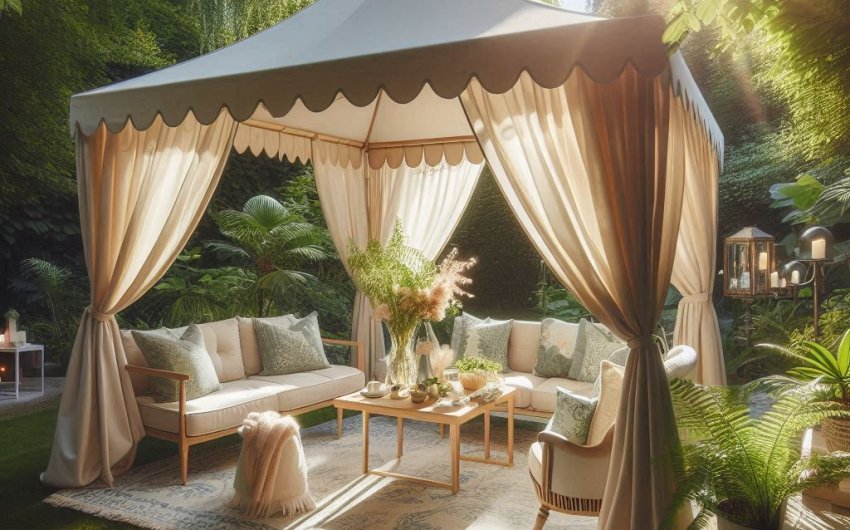
Garden tents for shade and style offer a perfect blend of practical sun protection and aesthetic enhancement for your outdoor living spaces. They provide a versatile solution for creating comfortable, shaded retreats that complement your garden's design.
Why Choose a Garden Tent for Your Outdoor Space?
A garden tent is more than just a temporary shelter; it's a versatile addition that can transform your outdoor area into a more functional, comfortable, and stylish extension of your home. They address both practical needs and aesthetic desires, making them a popular choice for backyard enjoyment.
What are the Benefits of Garden Tents?
- Superior Shade and UV Protection: The primary benefit of any garden tent is reliable shade. They create cool, comfortable zones, protecting you, your guests, and even outdoor furniture from harsh UV rays and intense sunlight. This makes spending time outdoors more enjoyable and safer.
- Enhanced Outdoor Comfort: By offering shade and often a sense of enclosure, garden tents make outdoor spaces more inviting. They can reduce glare, provide a cooler ambient temperature, and even offer a slight barrier against light breezes or sudden drizzles.
- Stylish Outdoor Decor: Modern garden tents come in a vast array of designs, colors, and materials, allowing them to serve as a strong aesthetic focal point. They can instantly elevate the look and feel of your patio, deck, or lawn, creating a sophisticated outdoor "room."
- Versatile Outdoor Living Space: A garden tent can define a specific area for various activities:
- An outdoor dining room for al fresco meals.
- A cozy lounge area for relaxation and reading.
- A play zone for children, protected from the sun.
- A temporary shelter for garden parties, BBQs, or small gatherings.
- Protection for Outdoor Furniture: The shade provided by a garden tent helps to shield your outdoor furniture from sun damage, fading, and excessive heat, extending its lifespan.
- Increased Property Value/Appeal: A well-designed and functional outdoor living space, enhanced by a stylish garden tent, can make your home more attractive and enjoyable.
- Privacy: Many garden tents come with side walls or curtains, offering a customizable level of privacy from neighbors or open views.
- Portability (for some types): Many pop-up or lightweight garden tents are easy to set up, take down, and move, offering flexible shade wherever you need it in your yard.
What are the Main Types of Garden Tents?
When considering a garden tent, you'll generally find these main categories:
- Pop-Up Canopies/Instant Shelters:
- Characteristics: Designed for quick and easy setup and takedown. Feature a folding accordion-style frame.
- Pros: Highly portable, great for temporary events, often come with carrying bags.
- Cons: Less durable for long-term placement, can be susceptible to strong winds, often more utilitarian in style.
- Gazebos (Soft-Top or Hard-Top):
- Characteristics: More permanent or semi-permanent structures. Soft-top gazebos have a fabric canopy, while hard-top gazebos feature solid roofs (metal, polycarbonate, wood).
- Pros: Offer robust, long-term shade and shelter, often highly decorative, create a defined outdoor "room."
- Cons: Less portable (especially hard-top), require more involved assembly, generally higher cost.
- Pergola Canopies/Shade Structures:
- Characteristics: Often have a more open, slatted roof design, sometimes with a retractable fabric canopy or a fixed fabric top. They provide partial shade or adjustable shade.
- Pros: Can be highly stylish and integrate well into garden designs, offer flexibility with retractable tops.
- Cons: Less complete sun protection than a fully enclosed tent, may require anchoring.
- Party Tents/Event Tents:
- Characteristics: Larger, often temporary structures designed for big gatherings. Can be fully enclosed with walls.
- Pros: Offer significant covered space for events.
- Cons: Not typically designed for everyday backyard use due to size and temporary nature.
By offering a blend of practical shade and significant style, garden tents are a versatile and valuable addition to enhance any outdoor living space.
What Factors Should I Consider When Choosing a Garden Tent?
Selecting the perfect garden tent for shade and style involves weighing several key factors. A thoughtful choice ensures you get a tent that meets your needs for both function and aesthetics, and withstands your local climate.
Key Considerations for Your Garden Tent:
Size and Space:
Advertisement- Measure Your Area: Before anything else, accurately measure the outdoor space where you plan to put the tent. Account for any overhangs or clearance needed.
- Consider Your Needs: How many people do you typically want to accommodate? Will it house a dining set, a lounge set, or just a couple of chairs?
- Common Sizes:
- 10x10 feet (3x3 meters): Good for small gatherings, a dining set for 4-6.
- 10x12 or 10x13 feet (3x3.6 or 3x4 meters): Accommodates a larger dining set or a moderate lounge area.
- 12x16 feet (3.6x4.8 meters) and larger: For big parties or extensive outdoor living areas.
Material (Frame and Canopy):
- Frame Materials:
- Steel (Powder-Coated): Common, durable, and affordable. Powder coating helps prevent rust.
- Aluminum: Lighter than steel, rust-resistant (ideal for coastal areas or humid climates), but often more expensive.
- Wood: Offers a natural, aesthetically pleasing look, but requires more maintenance (sealing, staining) and can be heavier.
- Canopy Materials:
- Polyester (with PU coating): Common, affordable, offers good UV protection and some water resistance. Look for higher denier counts (e.g., 200D-400D) for better durability. PU (polyurethane) coating enhances waterproofing.
- Polycarbonate: Used for hard-top gazebos. Durable, UV-resistant, allows light through while blocking heat.
- Steel/Aluminum (for hard-tops): Extremely durable, long-lasting.
- Acrylic Fabric (e.g., Sunbrella): High-end, very durable, fade-resistant, and water-resistant. Often used for higher-quality retractable awnings or custom canopies.
- Frame Materials:
Durability and Weather Resistance:
- Wind Resistance: Look for sturdy frames, wide bases, and options for anchoring (stakes, sandbags, bolting down). Pop-up tents are less wind-resistant than gazebos.
- Water Resistance/Proofing: A water-resistant canopy can handle light rain. For more protection, look for "waterproof" ratings or PU-coated fabrics. Ensure seams are sealed.
- UV Protection: Most canopies offer UV protection. Look for UPF ratings if available (e.g., UPF 50+).
- Snow Load (for hard-tops): If you live in an area with snow, hard-top gazebos should have a stated snow load capacity. Soft-tops typically need to be removed for winter.
Style and Aesthetics:
- Match Your Home/Garden: Choose a garden tent that complements your existing outdoor furniture, home architecture, and garden design.
- Colors: Neutral colors (tan, gray, off-white) are versatile, while bold colors can make a statement.
- Design Details: Consider decorative elements, roof shape (domed, pitched, flat), and options for side walls/curtains.
Portability vs. Permanence:
- Pop-Up/Temporary: If you need shade for occasional events or to move around the yard, a lightweight pop-up is ideal.
- Semi-Permanent/Permanent Gazebo: If you want a dedicated outdoor room for long-term use, a gazebo requires more involved assembly but offers greater stability and durability.
Assembly and Maintenance:
- Assembly Difficulty: Read reviews regarding assembly. Some tents are truly "instant," others require hours and multiple people.
- Maintenance: Consider how easy the canopy is to clean or replace. Hard-tops generally require less annual maintenance than soft-tops (which may need to be removed or stored in winter).
Additional Features:
- Side Walls/Netting: For privacy, insect protection (mosquito netting), or extra shade.
- Integrated Lighting: Some gazebos come with built-in LED lights or hooks for hanging lights.
- Vented Top: Improves airflow and helps with wind resistance.
By carefully evaluating these factors, you can confidently choose a garden tent for shade and style that will enhance your outdoor living for years to come.
What Are the Best Types of Garden Tents for Shade?
When seeking garden tents for shade and style, various types offer different levels of sun protection, durability, and aesthetic appeal. Understanding these categories helps narrow down the best fit for your outdoor space.
Top Categories of Garden Tents:
Pop-Up Canopies (Instant Shelters):
- Description: These are designed for ultimate convenience and quick deployment. They feature an accordion-style frame that expands and collapses easily, often with a simple push-button mechanism. The canopy attaches to the frame.
- Shade Level: Provides good overhead shade from direct sun.
- Style: Generally more functional and less decorative, though some come in attractive colors.
- Best For:
- Temporary events (BBQs, tailgating, craft fairs).
- Occasional use in the backyard.
- Anyone needing highly portable shade.
- Pros: Very easy and fast setup/takedown (often minutes), portable, relatively affordable.
- Cons: Less stable in strong winds (requires proper anchoring), not typically designed for long-term outdoor exposure, can look less "permanent" or stylish.
- Recommended Product: E-Z UP Envoy Instant Shelter Canopy
Soft-Top Gazebos:
- Description: Feature a sturdy metal (usually steel or aluminum) frame with a fabric canopy, often made of polyester with a PU coating. They are designed for more semi-permanent placement than pop-ups.
- Shade Level: Excellent, consistent shade. Many include vented tops for airflow and added stability in wind.
- Style: Offer a more refined, decorative look than pop-ups, often mimicking a permanent structure. Available in various roof shapes (pitched, domed).
- Best For:
- Creating a dedicated outdoor living area on a patio or deck.
- Gardeners wanting consistent shade for furniture.
- Adding a stylish focal point.
- Pros: More durable and stable than pop-ups, elegant appearance, often include mosquito netting or privacy curtains.
- Cons: Requires more involved assembly (usually 2+ people), canopy may need to be removed or replaced periodically (especially in harsh climates), not portable.
- Recommended Product: Gazebo with Mosquito Netting (search for specific sizes like 10x12)
Hard-Top Gazebos:
- Description: Feature a robust frame (steel, aluminum, or wood) and a rigid, durable roof made of materials like polycarbonate, galvanized steel, or even wood. These are essentially permanent or very long-term structures.
- Shade Level: Superior, impenetrable shade and protection from rain, snow, and UV rays.
- Style: The most luxurious and permanent-looking option, truly creating an outdoor room. Can be highly architectural and integrate seamlessly into high-end landscape designs.
- Best For:
- Long-term, all-weather outdoor living spaces.
- Adding significant value and a permanent structure to your property.
- Those seeking maximum durability and minimal annual canopy maintenance.
- Pros: Extremely durable, weather-resistant (snow load capacity often included), highly stylish, adds significant value.
- Cons: Highest cost, requires professional or complex DIY assembly (often needs anchoring to a concrete slab or deck), not portable at all.
- Recommended Product: Outsunny Hardtop Gazebo with Aluminum Frame
Pergola Canopies (with retractable or fixed fabric tops):
- Description: Pergolas typically have an open, slatted roof, but many are now combined with a retractable fabric canopy or a fixed fabric top to offer better shade.
- Shade Level: Adjustable (with retractable options) or partial (with slatted roof). Fabric tops provide full shade.
- Style: Often integrate well with existing garden structures, creating a sophisticated, airy feel.
- Best For:
- Defining outdoor spaces while maintaining an open feel.
- Those wanting adjustable shade options.
- Adding a modern or classic architectural element.
- Pros: Can be highly stylish, versatile in design, some offer adjustable shade.
- Cons: May require anchoring, fixed fabric tops might need seasonal removal, less protection than full gazebos.
- Recommended Product: Purple Leaf Outdoor Pergola with Retractable Canopy
Choosing the right type of garden tent means balancing your need for shade, desired style, budget, and commitment to permanence, ensuring your outdoor space becomes a true oasis.
How Can I Choose a Stylish Garden Tent for My Aesthetic?
Selecting a garden tent for shade and style involves more than just functionality; it's about integrating a new architectural element into your outdoor living space that complements your existing aesthetic.
Key Elements of Style and Design:
Match Your Home's Architecture:
- Modern Homes: Look for garden tents with clean lines, minimalist designs, dark or metallic frames (aluminum, black steel), and neutral-colored canopies (gray, white, black). Hard-top gazebos with polycarbonate roofs often fit this aesthetic.
- Traditional/Classic Homes: Consider gazebos with ornate details, scrollwork, or natural wood frames. Pitched or domed fabric canopies in classic colors like cream, deep green, or burgundy can enhance this style.
- Farmhouse/Rustic: Opt for wood-framed gazebos, or metal frames with a distressed finish. Earthy tones for canopies (tan, brown, muted green) or even striped patterns can work well.
Harmonize with Your Garden's Theme:
- Tropical Garden: Choose tents with vibrant canopy colors (e.g., terracotta, bright blue) or those with airy, open sides.
- Zen/Minimalist Garden: Simple, unadorned designs, natural wood or black frames, and serene neutral colors.
- Cottage Garden: A soft-top gazebo with a whimsical, slightly rounded roof, perhaps in a pastel or light floral pattern.
Consider Color Palettes:
- Neutrals (Grey, Beige, White, Black): Most versatile, blend easily with various styles, and won't clash with colorful plants. They also tend to reflect heat well.
- Earth Tones (Brown, Terracotta, Forest Green): Natural and grounding, ideal for blending into garden landscapes.
- Bold Colors (Red, Blue, Yellow): Can make a strong statement and create a focal point, but ensure they don't overpower your garden or clash with your home.
- Patterned Canopies: Stripes or subtle patterns can add visual interest, but choose carefully to ensure they enhance rather than detract.
Frame Design and Material:
- Sleek Aluminum: Offers a contemporary or modern feel.
- Sturdy Steel with Decorative Accents: Can be elegant, classic, or industrial depending on the details.
- Natural Wood: Provides warmth, organic appeal, and a timeless look.
Roof Shape and Fabric Details:
- Pitched Roofs: Offer a traditional, house-like appearance and are good for shedding rain.
- Domed/Curved Roofs: Provide a softer, often more contemporary look.
- Flat Roofs: Common for modern pergolas or minimalist tents.
- Vented Roofs: Not just functional, the tiered look of a vented roof can add a subtle architectural detail.
- Scalloped Edges, Valances: Can add a touch of traditional charm or whimsy.
- Tensioned Fabric: A taut, wrinkle-free canopy always looks more refined.
Side Walls, Curtains, or Netting:
- Solid Curtains: Offer privacy and a sense of an "outdoor room." Choose fabrics that complement the canopy.
- Mosquito Netting: Practical for insect protection, but consider how it looks when tied back. Some integrated netting systems are very discreet.
- Retractability: The ability to open or close walls/curtains offers versatility in both privacy and aesthetic.
Making the Decision:
- Browse Inspiration: Look at magazines, online galleries, and garden shows to see how different garden tents are used in various settings.
- Create a Mood Board: Collect images of your favorite outdoor styles and see which tents fit in.
- Visualize: Imagine the tent in your space. Will it look balanced? Will it feel harmonious?
By consciously considering these style elements, you can select a garden tent for shade and style that not only provides comfort but also significantly elevates the beauty and character of your outdoor living area. A [Purple Leaf Outdoor Pergola with Retractable Canopy](https://www.amazon.com/s?k=Purple+Leaf+Outdoor+Pergola+with+Ret retractable+canopy&linkCode=ll2&tag=onlinestorebo-20) offers a sleek, modern aesthetic with functional shade.
What are Essential Accessories for My Garden Tent?
Once you've chosen the perfect garden tent for shade and style, adding the right accessories can elevate its functionality, comfort, and aesthetic appeal. These extras transform your tent into a truly inviting outdoor living space.
Must-Have and Enhancing Accessories:
Anchoring and Stability Gear (Crucial for Safety!):
- Heavy-Duty Stakes/Ground Anchors: Essential for securing pop-up canopies or soft-top gazebos to the ground, preventing them from blowing away in windy conditions.
- Sandbags/Weights: Ideal for securing tents on patios, decks, or hard surfaces where stakes can't be used. Fill with sand, gravel, or water.
- Bolting Hardware: For permanent or hard-top gazebos, you'll need the appropriate hardware to bolt the frame securely to a concrete slab or wooden deck.
- Tip: Always ensure your garden tent is properly anchored, especially if you live in a windy area. Never leave temporary tents unsupervised in strong winds. A set of Canopy Weights Sand Bags is a versatile safety accessory.
Lighting:
- String Lights (LED): Battery-powered or solar-powered string lights can be draped along the tent frame to create a magical ambiance at night.
- Solar Lanterns: Portable and eco-friendly, they can be hung from tent hooks or placed on tables.
- Rechargeable Lamps: Modern, portable lamps designed for outdoor use can provide task lighting for reading or dining.
- Integrated Lighting: Some high-end gazebos come with built-in LED lighting systems.
- Tip: Opt for warm white lights for a cozy atmosphere.
Side Walls, Curtains, and Netting:
- Mosquito Netting: Essential for keeping pesky insects out, allowing you to enjoy evenings bug-free. Most gazebos come with integrated netting or have attachment points.
- Privacy Curtains/Walls: Offer extra shade from low sun angles, protection from wind, and a customizable level of privacy. They can transform an open tent into a secluded outdoor room.
- Replacement Canopies/Side Walls: Over time, fabric canopies can wear out. Having access to replacements ensures the longevity of your garden tent.
Outdoor Furniture:
- Dining Sets: Create an al fresco dining experience.
- Lounge Seating: Comfortable sofas, armchairs, or chaise lounges for relaxation.
- Coffee/Side Tables: Essential for drinks, books, or snacks.
- Tip: Choose furniture made from weather-resistant materials like aluminum, wicker, or treated wood.
Comfort and Decor Items:
- Outdoor Rug: Defines the space, adds comfort underfoot, and introduces color/texture.
- Outdoor Pillows and Throws: Add pops of color, pattern, and coziness. Choose weather-resistant fabrics.
- Portable Fan: For hot, still days, a battery-operated or solar-powered fan can provide a welcome breeze.
- Plants: Potted plants, hanging baskets, or climbing vines (on a pergola tent) can soften the edges and integrate the tent into your garden.
Heating Options (for cooler evenings):
- Outdoor Patio Heater: Electric or propane heaters can extend the usability of your garden tent into cooler evenings. Ensure adequate ventilation and safety clearances.
- Fire Pit (Caution!): A small, contained fire pit (with extreme caution and proper clearance) can provide warmth and ambiance, but never directly under the tent canopy due to fire and carbon monoxide risks. Place it safely away.
By accessorizing thoughtfully, your chosen garden tent for shade and style will become a comfortable, functional, and aesthetically pleasing extension of your living space, inviting you to spend more time outdoors.
How Do I Maintain and Care for My Garden Tent?
Proper maintenance and care are essential to ensure your garden tent for shade and style remains beautiful, functional, and durable for many seasons. Neglecting these steps can lead to premature wear, fading, and structural issues.
Key Maintenance Practices:
Regular Cleaning of Canopy and Frame:
- Frequency: Clean the canopy and frame regularly, especially after pollen season, heavy rain, or if you notice dirt buildup. At least monthly during active use.
- Canopy Cleaning:
- Brush off loose dirt, leaves, and debris with a soft brush.
- Mix a solution of mild soap (dish soap works well) and lukewarm water.
- Use a soft-bristled brush or sponge to gently scrub the canopy.
- Rinse thoroughly with clean water using a garden hose (avoid high-pressure washers, which can damage fabric).
- Allow to air dry completely before folding or storing to prevent mildew.
- Frame Cleaning: Wipe down the frame with a damp cloth and mild soap. Rinse and dry to prevent water spots and rust.
- Tip: For stubborn stains or mildew on fabric, specialized outdoor fabric cleaners may be needed, but always test in an inconspicuous area first.
Check and Tighten Fasteners:
- Periodically (e.g., monthly): Inspect all nuts, bolts, screws, and connection points on the tent frame. Over time, these can loosen due to wind, movement, and temperature changes.
- Tighten as Needed: Use appropriate wrenches or screwdrivers to tighten any loose fasteners. This maintains structural integrity and prevents wobbling or collapse.
Inspect for Damage and Wear:
- Canopy: Look for small tears, fraying seams, or excessive fading. Address minor tears with a repair kit or strong outdoor fabric tape to prevent them from worsening.
- Frame: Check for dents, bends, or rust spots (especially on steel frames). Touch up rust spots with rust-inhibiting paint if caught early.
- Netting/Curtains: Inspect for holes or tears. Repair or replace as necessary to maintain functionality.
Winterization (for Soft-Top & Pop-Up Tents):
- Remove Canopy: In regions with harsh winters (snow, ice, strong winds), it is essential to remove fabric canopies from soft-top gazebos and pop-up tents. Snow accumulation can cause the frame to collapse, and freezing temperatures can damage fabric.
- Clean and Store: Clean the canopy thoroughly and ensure it's bone-dry before folding and storing it in a cool, dry, pest-free location (e.g., shed, garage) over winter.
- Store Frame: If your frame is portable (pop-up) or disassembled (soft-top gazebo), clean it and store it indoors or in a dry, protected area to prolong its life. Hard-top gazebos can typically remain assembled year-round, but check manufacturer guidelines for snow load.
Proper Anchoring (Ongoing Vigilance):
- Always ensure your tent is properly anchored according to its type and local weather conditions. Regularly check that stakes are firmly in the ground or weights are securely attached.
- Never leave temporary garden tents unattended in anticipated high winds. Take them down.
Protect from Harsh Chemicals:
- Avoid using harsh chemical cleaners, bleach, or abrasive materials on your tent, as these can damage the fabric's coatings or the frame's finish.
By following these consistent maintenance and care tips, your chosen garden tent for shade and style will provide a comfortable and attractive outdoor retreat for many years to come.
What are Common Problems with Garden Tents and How Do I Fix Them?
Even with proper care, you might encounter issues with your garden tent for shade and style. Knowing how to identify and address common problems can save you money and extend the lifespan of your outdoor shelter.
Troubleshooting and Fixing Common Garden Tent Problems:
Problem: Canopy Sagging or Puddling Water
- Cause: Insufficient tension in the fabric, frame not fully extended, or poor drainage design.
- Fix:
- Adjust Tension: Ensure the frame is fully extended and locked into place. Re-attach and tighten all canopy straps, bungee cords, or fasteners.
- Check Assembly: Double-check that all frame poles are correctly assembled and seated.
- Clear Debris: Remove any accumulated leaves or debris that might be weighing down the canopy.
- Add Support (Temporary Fix): For minor sagging, you can sometimes prop up the center with a pole, ensuring it doesn't pierce the fabric.
- Consider Replacement: If the canopy is stretched out or structurally warped due to prolonged puddling, it might need replacing.
Problem: Rust on Metal Frame
- Cause: Exposure to moisture and air, especially with steel frames that have damaged powder coating.
- Fix:
- Small Spots: Lightly sand the rust spot with fine-grit sandpaper. Clean the area thoroughly. Apply a rust-inhibiting primer, then touch up with exterior metal paint matching the frame color.
- Prevention: Regularly inspect the frame for scratches or chips in the paint. Clean and dry the frame after rain. Store steel frames indoors during winter if possible.
- A Rust-Oleum Rust Reformer Spray can help neutralize existing rust.
Problem: Tears or Rips in Fabric Canopy
- Cause: Wind damage, sharp objects, prolonged sun exposure, or age.
- Fix:
- Small Tears: Use a strong, waterproof outdoor fabric repair tape or a fabric patch kit designed for tents/canopies. Clean and dry the area thoroughly before applying.
- Large Rips: For significant damage, the canopy may need professional repair or complete replacement. Check if the manufacturer offers replacement canopies.
- Prevention: Secure the tent properly in windy conditions. Remove the canopy during severe weather. Store it dry in winter.
Problem: Frame Wobbling or Instability
- Cause: Loose fasteners, improper assembly, inadequate anchoring, or damaged frame components.
- Fix:
- Tighten Fasteners: Inspect and tighten all nuts, bolts, and screws.
- Check Assembly: Re-read the assembly instructions and ensure all components are correctly seated and locked.
- Improve Anchoring: Use heavier weights, longer stakes, or bolt the frame down if appropriate for your type of tent and surface.
- Inspect Frame: Look for bent or cracked poles. Depending on the severity, individual frame parts might be replaceable from the manufacturer.
Problem: Mildew or Mold on Canopy Fabric
- Cause: Prolonged dampness, lack of airflow, or storing the canopy wet.
- Fix:
- Cleaning Solution: Mix a solution of 1 part bleach to 10 parts water (use with caution, can fade colors) or use a specialized outdoor mildew remover. Test on an inconspicuous area first.
- Scrub and Rinse: Apply the solution, scrub gently with a soft brush, and rinse thoroughly.
- Dry Completely: Ensure the canopy is bone-dry before folding or storing.
- Prevention: Always allow the canopy to dry fully after rain. Clean regularly. Ensure good air circulation around the tent.
Problem: Canopy Fading or Deterioration from UV:
- Cause: Continuous exposure to direct sunlight. Most fabrics will fade and weaken over time.
- Fix:
- Replace Canopy: This is largely unavoidable over many years. When fading is severe or the fabric starts to tear easily, it's time for a replacement canopy.
- Prevention: When buying, look for canopies with higher UV resistance ratings or those made from solution-dyed acrylics (though these are pricier). Consider removing the canopy during intense off-season sunlight if possible.
By being proactive in identifying and addressing these common issues, you can extend the life and continued enjoyment of your garden tent for shade and style.