
The Ultimate Guide to Fertilizing Your Lawn for Every Season
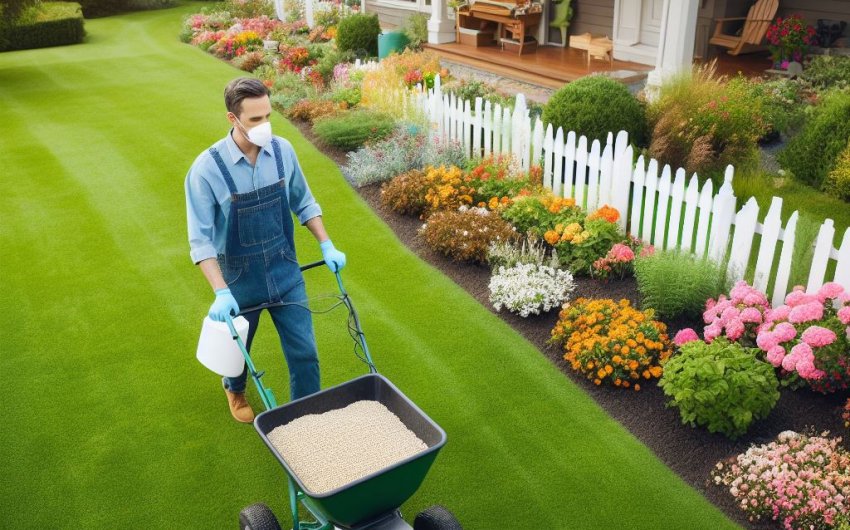
Fertilizing your lawn for every season is a foundational practice for maintaining a lush, healthy turf, ensuring it receives the precise nutrients it needs throughout its annual growth cycle. The key is to understand your grass type and apply the correct fertilizer at the optimal time to support its seasonal vigor and resilience. This ultimate guide will walk you through a tailored fertilization schedule for year-round lawn health.
Why is a Seasonal Fertilization Schedule Important for My Lawn?
A seasonal fertilization schedule is important for your lawn because different grass types have distinct growth patterns and nutrient needs throughout the year. Applying the right nutrients at the right time supports these natural cycles, promoting strong roots, dense turf, disease resistance, and a vibrant green color, while avoiding issues like excessive growth or stress.
- Matches Grass Growth Cycles: Both cool-season and warm-season grasses have peak growth periods. A seasonal schedule ensures nutrients are available when the grass is most actively growing and can best utilize them for root development, blade growth, and energy storage.
- Optimizes Nutrient Uptake: Plants absorb nutrients more efficiently during active growth phases. Fertilizing outside these windows can lead to wasted product, runoff, or even harm to the grass.
- Promotes Root Development: Strategic fall fertilization for cool-season grasses, for instance, focuses on root growth, which is crucial for winter hardiness and early spring vigor.
- Enhances Resilience: Properly timed feeding strengthens the grass, making it more resilient to environmental stresses like drought, heat, cold, and foot traffic.
- Improves Pest and Disease Resistance: A well-fed lawn is less susceptible to pests and diseases. Strong, healthy grass can often fend off minor infestations or recover more quickly from damage.
- Prevents Weed Invasion: A dense, vigorously growing lawn naturally crowds out weeds by competing for light, water, and nutrients.
- Avoids Over-Fertilization: A planned schedule helps prevent applying too much fertilizer, which can burn the lawn, contribute to nutrient runoff, or promote excessive, weak growth.
- Maintains Color and Density: Consistent, appropriate feeding ensures your lawn maintains a lush green color and a thick, uniform appearance throughout its active growing season.
Understanding the specific needs of your grass type for each season is the cornerstone of effective lawn care.
What's the Difference Between Cool-Season and Warm-Season Grasses?
Understanding the difference between cool-season and warm-season grasses is fundamental to creating an effective fertilization schedule and overall lawn care plan. These two broad categories of turfgrasses thrive in different temperature ranges, dictating their peak growth periods and thus their optimal feeding times.
What are Cool-Season Grasses?
Cool-season grasses are types of turf that grow most actively during the cooler temperatures of spring and fall. They tend to go dormant (or semi-dormant) during the heat of summer and the cold of winter.
- Ideal Temperatures: Thrive in air temperatures between 60-75°F (15-24°C).
- Peak Growth: Experience their most vigorous growth in early spring and again in early to mid-fall.
- Dormancy: Can become stressed and go dormant (turn brown) during prolonged periods of hot summer weather (above 80°F / 27°C) or freezing winter conditions.
- Common Types:
- Kentucky Bluegrass: Known for its beautiful blue-green color and ability to spread and repair itself.
- Perennial Ryegrass: Establishes quickly, often used for overseeding or in mixes.
- Tall Fescue: More heat and drought tolerant than other cool-season grasses, with a deeper root system.
- Fine Fescue: Tolerates shade and low fertility well.
- Geographic Range: Dominant in the northern half of the United States, Canada, and similar temperate climates.
What are Warm-Season Grasses?
Warm-season grasses are types of turf that grow most actively during the warmer temperatures of late spring, summer, and early fall. They go dormant (turn brown) during the cooler months of fall and winter.
- Ideal Temperatures: Thrive in air temperatures between 75-90°F (24-32°C).
- Peak Growth: Exhibit their most vigorous growth during the heat of summer.
- Dormancy: Go dormant and lose their green color after the first hard frost in fall and remain dormant through winter.
- Common Types:
- Bermudagrass: Aggressive, fast-growing, excellent heat and drought tolerance, but goes completely dormant in winter.
- Zoysiagrass: Dense, slow-growing, good wear and drought tolerance, but also goes dormant in winter.
- St. Augustinegrass: Coarse-bladed, tolerant of heat and some shade, common in coastal Southern states.
- Centipedegrass: Low-growing, low maintenance, prefers acidic soils.
- Bahiagrass: Coarse-textured, very drought-tolerant, often used for pastures or low-maintenance areas.
- Geographic Range: Dominant in the southern half of the United States and similar subtropical to tropical climates.
Knowing which type of grass you have is the essential starting point for tailoring a successful seasonal fertilization program, as their nutrient requirements and optimal feeding times are diametrically opposed.
Why is a Soil Test Essential Before Fertilizing?
A soil test is essential before fertilizing because it provides a precise scientific analysis of your lawn's current nutrient levels and pH. Guessing or relying on general advice can lead to over-fertilization, nutrient imbalances, wasted money, and potential environmental harm, making a soil test the foundational step for any effective fertilization plan.
- Identifies Specific Nutrient Needs:
- A soil test tells you exactly how much nitrogen (N), phosphorus (P), and potassium (K) are present, along with crucial micronutrients like iron, manganese, and zinc.
- This prevents applying fertilizers for nutrients your lawn doesn't need (which is wasteful) or overlooking deficiencies that are actually limiting growth.
- Determines Soil pH:
- Soil pH (a measure of acidity or alkalinity) is critical because it dictates nutrient availability. Most grasses thrive in a pH range of 6.0-7.0.
- If your soil is too acidic or alkaline, nutrients can become "locked up" and unavailable to the grass roots, even if they are present in the soil. The test will recommend adjustments (e.g., adding lime to raise pH, sulfur to lower pH). You can find lawn soil test kits for home use.
- Prevents Over-Fertilization and Burn:
- Applying too much of any nutrient, especially nitrogen, can "burn" your lawn, causing yellowing or browning. A soil test guides you on appropriate application rates, saving your lawn and your wallet.
- Reduces Environmental Impact:
- Unnecessary fertilizer applications can lead to nutrient runoff into waterways, contributing to harmful algae blooms and water pollution. A soil test ensures you apply only what's needed.
- Saves Money and Time:
- Why buy and apply expensive fertilizers if your soil already has plenty? A soil test helps you purchase only the specific products required, making your fertilization efforts more efficient.
- Optimizes Lawn Health:
- By addressing specific deficiencies and pH imbalances, you create the ideal conditions for strong root development, dense turf, and enhanced disease/pest resistance.
You can purchase a home soil test kit or, for more comprehensive results, send a sample to your local Cooperative Extension office. Performing a soil test every 3-5 years is a wise investment in your lawn's long-term health.
What Do N-P-K Numbers on Fertilizer Mean?
The N-P-K numbers on fertilizer represent the guaranteed minimum percentages by weight of the three primary macronutrients essential for plant growth: Nitrogen (N), Phosphorus (P), and Potassium (K). Understanding these numbers is crucial for choosing the right fertilizer for your lawn's seasonal needs.
- N (Nitrogen): For Lush Green Growth
- Function: Nitrogen is the most important nutrient for leafy, vegetative growth. It promotes a vibrant green color and rapid growth.
- Symptoms of Deficiency: Yellowing or pale green leaves (chlorosis), especially older leaves; stunted growth.
- Fertilizer Role: Fertilizers high in Nitrogen (e.g., 20-5-10, 30-0-0) are used to promote quick green-up and vigorous blade development.
- Caution: Too much nitrogen can lead to excessive, weak growth susceptible to disease and pest damage, and can burn the lawn.
- P (Phosphorus): For Strong Roots and Energy Transfer
- Function: Phosphorus is vital for root development, seedling growth, flower and fruit formation, and energy transfer within the plant.
- Symptoms of Deficiency: Purplish tint on leaves, stunted growth, poor root development.
- Fertilizer Role: Fertilizers high in Phosphorus (e.g., 5-20-10) are often used as starter fertilizers for new lawns or when overseeding, as well as for flowering and fruiting plants.
- Caution: Excess phosphorus can contribute to water pollution (eutrophication) and is often restricted or regulated in many areas. Soil tests often show adequate phosphorus levels in established lawns.
- K (Potassium): For Overall Plant Health and Resilience
- Function: Potassium (also called potash) is crucial for overall plant health, disease resistance, drought tolerance, cold hardiness, and efficient water use. It's often called the "stress reliever."
- Symptoms of Deficiency: Yellowing or browning of leaf margins (edges), weak stems, increased susceptibility to disease.
- Fertilizer Role: Fertilizers high in Potassium (e.g., 10-5-20) are beneficial for strengthening the lawn's resistance to environmental stresses.
- Caution: Too much potassium is less common but can interfere with the uptake of other nutrients.
Fertilizer Ratios and When to Use Them:
- High Nitrogen (e.g., 30-0-0, 20-5-10): For green-up during active growth (spring for cool-season, summer for warm-season).
- Starter Fertilizer (e.g., 5-20-10): High in phosphorus, used when establishing new lawns or overseeding. You can find many lawn starter fertilizers on Amazon.
- Balanced/All-Purpose (e.g., 10-10-10): Provides equal amounts of all three, good for general maintenance if soil test indicates.
- High Potassium (e.g., 10-5-20): Often used in fall for cool-season grasses to boost winter hardiness, or to strengthen any grass type against stress.
Always perform a soil test to determine the specific N-P-K ratio your lawn actually needs, rather than just using a generic "lawn food."
What's the Best Fertilization Schedule for Cool-Season Grasses?
The best fertilization schedule for cool-season grasses focuses on feeding during their peak growth periods in the fall and spring, while limiting applications during summer dormancy. This strategy supports strong root development, disease resistance, and vibrant green growth when the grass is most active.
Fertilizing Cool-Season Grasses in the Fall:
- Timing (Most Important Application): Apply fertilizer twice in the fall:
- Early Fall (September to early October): As temperatures start to cool.
- Late Fall (October to November, before ground freezes): This is often considered the single most important fertilization for cool-season grasses.
- Type of Fertilizer: Use a winterizer fertilizer or a fertilizer high in nitrogen and potassium, with lower phosphorus (e.g., 20-5-10 or 24-0-12, or as per soil test). The nitrogen helps maintain green color into winter, and potassium boosts winter hardiness and disease resistance. You can find winterizer fertilizer for lawn.
- Why Fall is Key: Fall fertilization promotes strong root growth, which allows the grass to store energy for the winter and gives it a vigorous start in spring. It also helps the lawn recover from summer stress.
Fertilizing Cool-Season Grasses in the Spring:
- Timing: Apply fertilizer once in early spring (March to April), as new growth begins but before soil temperatures get too high.
- Type of Fertilizer: Use a balanced lawn food or one with a slightly higher nitrogen content (e.g., 16-4-8 or 20-5-10). Avoid overly high nitrogen, which can lead to excessive top growth at the expense of roots.
- Why Spring: Spring feeding helps the grass green up and recover from winter. It provides nutrients for vigorous blade development.
Fertilizing Cool-Season Grasses in the Summer:
- Timing: Generally, avoid heavy fertilization during summer (June to August) for cool-season grasses.
- Type of Fertilizer: If absolutely necessary (e.g., for recovery from stress or light summer green-up), use a very light application of a slow-release, low-nitrogen fertilizer (e.g., 10-0-10).
- Why Summer Caution: Cool-season grasses go semi-dormant in summer heat. Heavy nitrogen applications can stress the grass, making it more susceptible to drought, heat stress, and diseases like brown patch. If the lawn goes dormant (turns brown), do not fertilize until it greens up again.
Fertilizing Cool-Season Grasses in the Winter:
- Timing: No fertilization is needed during winter when the grass is completely dormant.
Summary for Cool-Season Grasses:
| Season | Timing | Fertilizer Type | Purpose |
|---|---|---|---|
| Fall | Early Fall (Sep-Oct) & Late Fall (Oct-Nov) | High N, Moderate K (e.g., 20-5-10, 24-0-12) - "Winterizer" | Strong roots, winter hardiness, energy storage, early spring vigor |
| Spring | Early Spring (Mar-Apr) | Balanced N (e.g., 16-4-8, 20-5-10) | Green-up, blade development, recovery from winter |
| Summer | Light, if any (June-Aug) | Very low N, slow-release (e.g., 10-0-10) if needed; generally avoid | Minimize stress during dormancy |
| Winter | N/A | None | Dormancy |
This targeted approach ensures your cool-season lawn gets the right nutrients at the optimal times for a healthy, green appearance year-round.
What's the Best Fertilization Schedule for Warm-Season Grasses?
The best fertilization schedule for warm-season grasses focuses on feeding during their active growth period in late spring and summer, when temperatures are consistently warm. This strategy supports vigorous growth, density, and color, while avoiding feeding during their dormant winter months.
Fertilizing Warm-Season Grasses in the Spring:
- Timing: Apply fertilizer once in late spring (April to June), after the grass has fully greened up and is actively growing (after the danger of frost has passed, and daytime temperatures are consistently warm, 70°F+ / 21°C+).
- Type of Fertilizer: Use a balanced lawn food or one with a higher nitrogen content (e.g., 16-4-8 or 20-5-10, or as per soil test) to promote spring green-up and robust growth.
- Why Spring: This first feeding provides the initial boost warm-season grasses need as they emerge from winter dormancy and begin their active growth cycle.
Fertilizing Warm-Season Grasses in the Summer:
- Timing (Most Important Applications): Apply fertilizer two to three times during summer (June to August), spaced 6-8 weeks apart, as this is their peak growing season.
- Type of Fertilizer: Use a high-nitrogen lawn fertilizer (e.g., 30-0-0, 28-0-10) to support continuous vigorous growth and maintain a deep green color.
- Why Summer is Key: Warm-season grasses thrive in heat, and these summer feedings provide the fuel for their most active growth, helping them withstand stress and outcompete weeds.
Fertilizing Warm-Season Grasses in the Fall:
- Timing: Apply fertilizer once in early fall (September to October), about 4-6 weeks before the first expected hard frost.
- Type of Fertilizer: Use a low-nitrogen, higher potassium fertilizer (e.g., 10-0-10 or 5-10-15). Potassium helps to increase the grass's cold hardiness and prepare it for winter dormancy. Avoid high nitrogen, which can promote tender growth susceptible to frost.
- Why Fall Caution: Fertilizing too late in fall with nitrogen can cause new, tender growth that will be damaged by frost, depleting the plant's energy reserves.
Fertilizing Warm-Season Grasses in the Winter:
- Timing: No fertilization is needed during winter when the grass is completely dormant and brown.
Summary for Warm-Season Grasses:
| Season | Timing | Fertilizer Type | Purpose |
|---|---|---|---|
| Spring | Late Spring (Apr-June, after green-up) | Balanced N (e.g., 16-4-8, 20-5-10) | Initial green-up, robust growth as dormancy ends |
| Summer | June, July, August (2-3 applications, 6-8 weeks apart) | High N (e.g., 30-0-0, 28-0-10) | Peak growth, color, density, stress resistance |
| Fall | Early Fall (Sep-Oct, before first hard frost) | Low N, Higher K (e.g., 10-0-10, 5-10-15) - "Winterizer" | Increase cold hardiness, prepare for dormancy |
| Winter | N/A | None | Dormancy |
This tailored approach ensures your warm-season lawn receives the necessary nutrients precisely when it needs them for optimal health and vigor.
What is the Best Way to Apply Granular Fertilizer?
The best way to apply granular fertilizer is to use a broadcast spreader for even distribution, ensuring proper calibration and following a specific pattern to avoid streaks or overlaps. Even application is key to preventing burning, achieving uniform growth, and maximizing the effectiveness of your seasonal fertilization.
- Read the Fertilizer Bag:
- Crucial First Step: Always read the specific instructions on your fertilizer bag. It will tell you the recommended application rate per square footage, the correct spreader settings, and any important safety precautions.
- Calibrate Your Spreader:
- Accuracy: Calibrate your fertilizer spreader to the setting recommended on the fertilizer bag for your specific type of spreader (rotary/broadcast or drop spreader). If no setting is given, consult your spreader's manual for guidance on how to calibrate for a specific rate.
- Half Rate Method: Many professionals recommend setting the spreader to half the recommended rate and making two passes over your lawn (one perpendicular to the other). This greatly reduces the risk of streaking or over-application.
- Prepare the Lawn:
- Mow First: Mow your lawn a day or two before fertilizing. This ensures the granular fertilizer can reach the soil more easily.
- Dry Grass: Apply granular fertilizer to dry grass. Wet grass can cause granules to stick to the blades, potentially leading to burn spots.
- Empty Stomach: Fertilize when the grass is not under severe heat or drought stress.
- Application Technique (Broadcast Spreader):
- Edge First: Start by making a pass or two around the perimeter of your lawn to create a border. This helps prevent over-fertilizing edges and provides a turning radius.
- Overlap: Walk in a systematic pattern (e.g., parallel lines). Slightly overlap each pass by about 10-20% to ensure even coverage and avoid misses.
- Keep Moving: Keep the spreader moving at a consistent pace to avoid clumps and uneven application.
- Shut Off at Turns: Close the spreader gate when turning at the end of each pass to prevent excess fertilizer from dropping.
- Application Technique (Drop Spreader):
- Drop spreaders apply fertilizer in a precise width directly beneath the spreader.
- Exact Overlap: Ensure each pass slightly overlaps the previous one to avoid gaps.
- Careful Turns: Be extra careful on turns, as any missed strips will be very visible.
- Water In Immediately:
- Crucial Step: After applying granular fertilizer, water your lawn thoroughly and immediately. This washes the fertilizer granules off the grass blades and down into the soil where the roots can absorb them, preventing chemical burn.
- Duration: Water for about 20-30 minutes, or enough to soak the top few inches of soil. A garden hose nozzle with various spray patterns can help with even distribution.
- Clean Up:
- Sweep any fertilizer granules that landed on sidewalks, driveways, or patios back onto the lawn to prevent staining and runoff into storm drains.
- Clean your spreader thoroughly after use to prevent corrosion.
Following these precise steps ensures safe, effective, and even application of granular fertilizer, leading to a uniformly healthy and green lawn.
What are the Best Practices for Applying Liquid Fertilizer?
The best practices for applying liquid fertilizer involve proper dilution, even coverage, and mindful application to ensure nutrients are absorbed efficiently without causing plant burn. Liquid fertilizers offer quick nutrient uptake and precise application, making them a popular choice for immediate results or targeted feeding.
- Read the Product Label Carefully:
- Dilution Ratios: This is the most important step for liquid fertilizers. The label will specify the correct dilution ratio (e.g., 1 ounce per gallon of water) for your lawn type and desired application rate.
- Safety Precautions: Note any safety warnings.
- Choose the Right Applicator:
- Hose-End Sprayer: Many liquid lawn fertilizers come in bottles designed to attach directly to your garden hose, automatically diluting the concentrate. These are convenient for larger areas. Ensure the correct dial setting is used. You can find hose end sprayer for liquid fertilizer.
- Pump Sprayer: For smaller, more precise applications or concentrated mixes, a garden pump sprayer is ideal. You'll need to manually mix the concentrate with water in the tank.
- Prepare the Lawn:
- Mow First: Mow your lawn a day or two before applying liquid fertilizer to ensure the solution can reach the soil.
- Lightly Damp Grass: Unlike granular, liquid fertilizer can be applied to a slightly damp lawn. This helps prevent leaf burn and improves absorption. Avoid applying to completely dry, stressed grass on a hot day.
- Mix and Apply Evenly:
- Follow Dilution: Accurately measure the fertilizer concentrate and mix it with the correct amount of water in your sprayer. Do not guess.
- Consistent Movement: Apply the liquid fertilizer in a consistent, even sweeping motion across your lawn. Walk at a steady pace to avoid over-applying in spots. Overlap slightly to ensure complete coverage.
- Avoid Streaking: Uneven application of liquid fertilizer can still lead to streaks of darker or lighter green grass.
- Timing of Application:
- Cooler Parts of the Day: Apply liquid fertilizer in the early morning or late evening, especially during warm weather. This reduces evaporation and the risk of leaf burn from direct sun.
- Avoid Windy Days: Do not apply on windy days, as the spray can drift to unwanted areas (neighboring plants, gardens, or paved surfaces).
- Light Watering After (Optional but Recommended):
- While many liquid fertilizers are designed to be absorbed through the leaves (foliar feeding) or can be left to dry, a light watering (about 10-15 minutes) after application can help wash any residual fertilizer off the grass blades and into the soil, preventing burn and ensuring deeper root uptake. Always check the specific product label for watering instructions.
- Clean Up:
- Rinse your sprayer thoroughly with clean water after use.
- Wash hands and any exposed skin.
By meticulously following these guidelines, you can effectively apply liquid fertilizer, providing a quick nutrient boost for your lawn and promoting vibrant, healthy growth.
What Role Does Mulch Play in Lawn Health and Fertilization?
Mulch plays a vital role in lawn health and fertilization by improving soil structure, conserving moisture, moderating soil temperatures, and providing a slow, steady release of organic nutrients. While not a direct fertilizer application itself, a healthy layer of organic mulch in garden beds adjacent to your lawn contributes to a healthier overall landscape that benefits the grass.
- For Garden Beds (Adjacent to Lawn):
- Moisture Conservation: A 2-4 inch layer of organic garden mulch (wood chips, shredded leaves, straw, compost) significantly reduces water evaporation from the soil. This keeps soil moisture more consistent, benefiting plant roots in beds and potentially reducing runoff to your lawn.
- Temperature Moderation: Mulch insulates the soil, keeping it cooler in summer and warmer in winter. This protects root systems from extreme temperature fluctuations.
- Weed Suppression: Mulch physically blocks sunlight from reaching weed seeds, suppressing their germination and reducing weed competition for nutrients and water. This is especially helpful along lawn edges.
- Soil Enrichment: As organic mulch breaks down over time, it adds valuable organic matter to the soil. This improves soil structure, aeration, and fertility, creating a healthier environment for plant roots and beneficial soil microorganisms. It acts as a slow-release, natural fertilizer.
- Erosion Control: Mulch helps prevent soil erosion from wind and heavy rain.
- For the Lawn Itself (Grass Clippings):
- "Mulch Mowing": Leaving short grass clippings on your lawn (mulch mowing) acts as a form of natural mulching.
- Natural Nitrogen: Grass clippings are rich in nitrogen (N). As they decompose, they return these nutrients to the soil, acting as a free, slow-release fertilizer. This can reduce your need for supplemental nitrogen fertilizer by up to 25%.
- Improved Soil Structure: Clippings also add organic matter to the soil, enhancing its structure and microbial activity over time.
- Moisture Retention: A light layer of clippings can help retain some surface moisture.
- Weed Suppression: A healthy layer of clippings can also help shade out some weed seeds.
- Caution: Ensure clippings are short and dispersed evenly. Thick clumps can smother grass and cause disease.
While you don't typically apply traditional mulch to your lawn, the practice of mulch mowing with grass clippings and using organic mulch in adjacent garden beds are integral strategies that indirectly support lawn health and optimize the effectiveness of your seasonal fertilization efforts. Both practices build healthier soil from the ground up.
What are Common Fertilization Mistakes to Avoid?
Avoiding common fertilization mistakes is just as important as following a good schedule, as errors can lead to burned grass, wasted product, and environmental harm. Being mindful of these pitfalls ensures your seasonal fertilization efforts are effective and beneficial.
- Not Doing a Soil Test:
- Mistake: Guessing your lawn's needs without knowing its actual nutrient levels or pH.
- Result: Applying the wrong fertilizer, leading to nutrient imbalances, deficiencies, or excesses, which can harm the lawn and waste money.
- Solution: Conduct a soil test kit for lawn every 3-5 years.
- Applying Too Much Fertilizer (Over-fertilization):
- Mistake: Using more than the recommended amount or making too many passes with the spreader.
- Result: Chemical burn (yellowing, browning, or blackening of grass), excessive weak growth, increased susceptibility to disease, and unnecessary runoff pollution.
- Solution: Always read the label, calibrate your spreader, and stick to recommended application rates.
- Applying Fertilizer at the Wrong Time of Year:
- Mistake: Fertilizing cool-season grasses in summer heat, or warm-season grasses in winter dormancy.
- Result: Stresses the grass when it's vulnerable, encourages weeds, or promotes tender growth that will die off, depleting energy reserves.
- Solution: Follow the specific seasonal fertilization schedule for your grass type.
- Applying Granular Fertilizer to Wet Grass:
- Mistake: Spreading granular fertilizer when grass blades are wet.
- Result: Granules stick to the blades, causing localized burning and streaking.
- Solution: Always apply granular fertilizer to dry grass.
- Not Watering In Granular Fertilizer:
- Mistake: Leaving granular fertilizer on the surface after application.
- Result: Fertilizer sits on grass blades, causing severe burn. Nutrients are not moved into the root zone.
- Solution: Immediately water in granular fertilizer thoroughly (20-30 minutes) to wash it off blades and into the soil.
- Using the Wrong Type of Fertilizer for the Season:
- Mistake: Using a high-nitrogen fertilizer in the fall for warm-season grasses or using a starter fertilizer on an established lawn that doesn't need phosphorus.
- Result: Inefficient nutrient use, promoting unwanted growth or neglecting crucial needs for hardiness/root development.
- Solution: Match the N-P-K ratio to the season and your soil test results.
- Ignoring Soil pH:
- Mistake: Fertilizing without addressing an improper soil pH.
- Result: Even if nutrients are present, they become unavailable to the grass roots, leading to deficiencies despite fertilization.
- Solution: Use a soil test to check and adjust pH as recommended.
- Fertilizing Stressed Grass:
- Mistake: Applying fertilizer to a lawn that is severely drought-stressed, diseased, or insect-infested.
- Result: Fertilizer can further stress already weakened grass, making problems worse.
- Solution: Address the underlying stressor (water, pest control, disease treatment) first, then fertilize once the lawn is recovering.
- Not Cleaning Up Spills:
- Mistake: Leaving fertilizer granules on sidewalks, driveways, or patios.
- Result: Stains surfaces, and more importantly, washes into storm drains and pollutes waterways.
- Solution: Sweep up any spills immediately and return them to the lawn or spreader.
By conscientiously avoiding these common fertilization mistakes, you'll maximize the benefits of your seasonal feeding program and ensure your lawn remains healthy, vibrant, and resilient.
Mastering the art of fertilizing your lawn for every season is the cornerstone of a truly vibrant and resilient turf. By understanding your grass type, conducting regular soil tests, and applying the right nutrients at the optimal times with careful techniques, you can ensure your lawn receives precisely what it needs to thrive year-round. This diligent, seasonal approach to lawn fertilization will not only result in a lush, green carpet but also contribute to a healthier, more sustainable outdoor space.