
How to Use Planters and Pots in Garden Design?
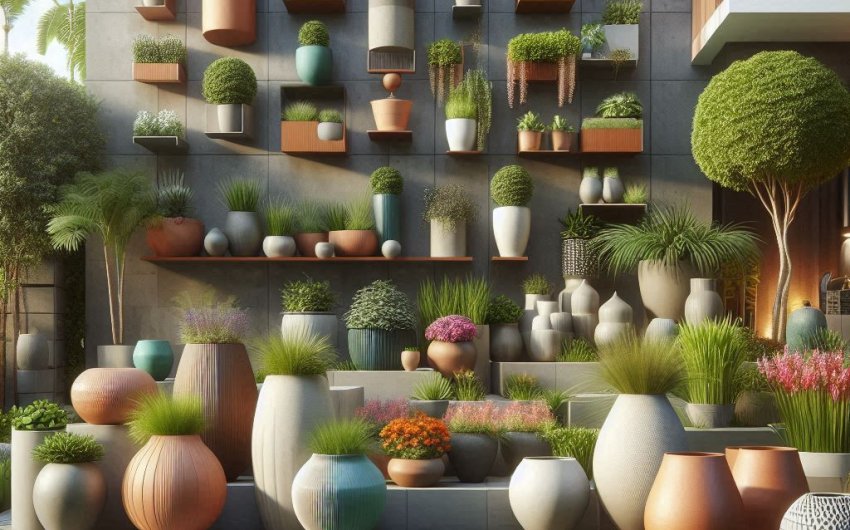
Incorporating containers into your outdoor spaces offers an incredibly versatile and impactful way to enhance visual appeal and introduce vibrant plant life. Understanding how to use planters and pots in garden design is fundamental, allowing you to add color, texture, and structure, define areas, and bring greenery to otherwise challenging spots. This guide explores the strategic placement and creative possibilities of container gardening to elevate your outdoor aesthetic.
Why Use Planters and Pots in Garden Design?
Planters and pots are far more than just homes for plants; they are dynamic design elements that offer flexibility, aesthetic appeal, and practical solutions for a variety of gardening challenges. Their versatility makes them indispensable in modern garden planning.
What are the Key Benefits of Container Gardening?
Integrating containers into your garden offers a wide array of advantages, transforming how you approach outdoor planting.
- Flexibility and Portability: This is arguably the biggest advantage. Unlike in-ground plantings, planters and pots allow you to easily move plants around. You can chase the sun, bring tender plants indoors for winter, rearrange displays for new looks, or move plants to highlight specific blooms. A plant caddy with wheels can make large pots easy to move.
- Adds Instant Impact and Color: Containers are excellent for creating immediate splashes of color, texture, and height. You can quickly fill a bare spot or refresh a tired area with vibrant arrangements.
- Defines Spaces and Creates Focal Points: A strategically placed large planter or a cluster of pots can define an outdoor room, mark an entrance, or draw the eye to a specific area of the garden, acting as a visual anchor.
- Gardening in Limited Spaces: For urban dwellers, apartment balconies, small patios, or even rooftops, containers make gardening possible where in-ground planting is not an option. They are ideal for creating a balcony garden kit.
- Elevates Plants for Easier Access: For individuals with mobility issues or those who prefer not to bend down, raised planters or tall pots bring plants up to a more comfortable working height, making planting, weeding, and harvesting easier.
- Better Control Over Soil Conditions: You have complete control over the soil type, pH, and nutrients in a container. This is particularly beneficial for plants with specific soil requirements or for areas with poor native soil.
- Pest and Disease Management: Containing plants can sometimes help isolate or manage specific soil-borne pests or diseases, preventing them from spreading throughout your in-ground garden.
- Seasonal Displays: Containers allow for easy swapping of plants to match the season, keeping your garden looking fresh and interesting year-round.
How Can Pots and Planters Solve Garden Design Challenges?
Beyond their general benefits, containers are powerful tools for overcoming specific design hurdles in your outdoor space.
- Adding Vertical Interest: Tall planters or tiered arrangements can add much-needed height to a flat garden, drawing the eye upwards. Use a vertical planter stand for this.
- Color and Texture Introduction: If your garden beds are predominantly green, pots with vibrant annuals or unique textured plants can provide a punch of color and visual interest.
- Concealing Unsightly Areas: A strategically placed large planter with lush foliage can help disguise an unsightly utility box, a bare wall, or a patchy area of lawn.
- Creating "Rooms" Outdoors: Use groups of containers to define seating areas, dining spaces, or separate different functional zones within a larger garden. They act as movable walls or dividers.
- Solving Poor Soil Issues: If you have heavy clay, sandy soil, or contaminated soil, containers allow you to garden effectively with a high-quality potting mix.
- Growing Sensitive Plants: Plants that require specific soil conditions, pH levels, or extra drainage (like some herbs or succulents) thrive in containers where their environment can be precisely controlled.
- Temporary Solutions: Containers are excellent for short-term planting needs, like decorating for a party, or testing out a plant in a location before committing to in-ground planting.
What are the Different Types of Planters and Pots?
The sheer variety of planters and pots available offers endless possibilities for garden design. Understanding their materials, styles, and functions will help you make the best choices for your specific needs.
What are Common Pot Materials and Their Characteristics?
The material of your pot impacts its weight, moisture retention, durability, and aesthetic.
- Terracotta/Clay:
- Pros: Porous, allowing roots to breathe and soil to dry out faster (good for plants prone to root rot), classic aesthetic, affordable.
- Cons: Dries out quickly (requires more frequent watering), heavy when large, can crack in freezing temperatures. A terracotta pot set is a timeless choice.
- Plastic:
- Pros: Lightweight, affordable, durable, wide range of colors and styles, retains moisture (less frequent watering), frost-resistant.
- Cons: Can look less natural, some may degrade over time in harsh sun. Look for recycled plastic planters for an eco-friendly option.
- Ceramic (Glazed):
- Pros: Beautiful, decorative, retains moisture well, durable.
- Cons: Heavy, can be expensive, may crack in freezing temperatures if waterlogged.
- Concrete/Cast Stone:
- Pros: Extremely heavy and stable (good for windy areas), very durable, modern or classic look, retains moisture.
- Cons: Very heavy (difficult to move), can be expensive. A concrete planter provides substantial presence.
- Metal (Steel, Aluminum, Galvanized Steel):
- Pros: Modern, sleek, lightweight (aluminum), durable, rust-resistant (galvanized, stainless, powder-coated).
- Cons: Can heat up quickly in direct sun (stressing roots), may rust if not properly coated. A galvanized metal planter offers a rustic industrial look.
- Wood (Cedar, Redwood, Treated Pine):
- Pros: Natural look, can be custom-built, good insulation for roots.
- Cons: Can rot over time (even treated wood), requires more maintenance (sealing/painting), lighter woods may attract pests. A wooden raised garden bed kit is a large-scale wooden planter.
- Fiberglass/Resin:
- Pros: Lightweight, durable, weather-resistant, can mimic other materials (stone, terracotta) convincingly, frost-resistant.
- Cons: Can be expensive, may look less authentic than real materials.
What are Different Styles and Forms of Planters?
Beyond material, the shape, size, and specific function of planters and pots open up various design possibilities.
- Traditional Pots: Classic round or square pots, varying in size, are fundamental. A large terracotta pot can hold a small tree.
- Tall Planters/Vases: Used to add vertical interest, especially to entrances or along walls.
- Window Boxes: Designed to fit on windowsills or railings, adding charm and color to windows. A window box planter with bracket is a complete solution.
- Hanging Baskets: Utilized to add plants at eye level or above, creating a cascading effect.
- Raised Beds: Large, bottomless structures that act as oversized planters directly on the ground, offering excellent drainage and easier access. A metal raised garden bed is popular.
- Trough Planters/Long Rectangular Planters: Ideal for creating linear borders, planting herbs, or grouping similar plants together.
- Tiered Planters/Stands: Multi-level systems that allow you to plant several items in a compact vertical space. A tiered planter stand is great for small areas.
- Urns and Pedestals: More formal and decorative, often used to frame entrances or act as classical focal points.
- Self-Watering Planters: Designed with a reservoir at the bottom, providing a consistent water supply to the plant. A self-watering planter outdoor is convenient for busy gardeners.
How to Strategically Place Planters and Pots in Garden Design?
The effective placement of planters and pots is where their true power as design tools shines, transforming static spaces into dynamic, inviting garden vignettes.
How to Create Focal Points and Define Areas?
Strategic placement of containers can draw the eye and structure your outdoor spaces.
- Entrance Enhancement: Place a matching pair of tall planters or urns at either side of a doorway, gate, or pathway entrance. This creates an inviting welcome and adds a sense of grandeur or order.
- Focal Points: A single, striking large planter with an architectural plant (like a topiary, a mature shrub, or a bold succulent) can become a strong focal point in a garden bed, at the end of a vista, or in the center of a patio.
- Defining Outdoor "Rooms": Use groups of containers or long trough planters to create subtle visual dividers on a large patio or deck, defining a dining area from a lounging space. They act as movable walls.
- Highlighting Features: Position containers to draw attention to a beautiful statue, a unique garden gate, or a stunning specimen tree.
- Ending a Vista: Place a significant planter at the end of a path or a long view from a window to provide a satisfying visual endpoint.
How to Add Color, Texture, and Height?
Containers are unmatched in their ability to quickly introduce diverse visual elements into your garden.
- Color Punches: Fill planters with vibrant annuals that provide continuous bloom and color. Change them seasonally to refresh your palette. Use contrasting or complementary colors to make them pop.
- Vertical Interest: Use tall, narrow planters or those on pedestals to add height to an otherwise flat garden. Plant tall, upright plants (e.g., cannas, bamboo, grasses) in them.
- Textural Contrast: Choose pots with interesting textures (e.g., rough concrete, smooth glazed ceramic, woven wicker) and pair them with plants that offer contrasting foliage textures (e.g., fine grasses next to large-leafed hostas).
- Tiered Displays: Use a tiered planter stand to create a multi-level display of various plants, adding depth and visual richness to a compact area.
- Repeating Elements: Use the same type or color of pot repeatedly throughout a space to create a sense of cohesion and rhythm, even with different plants in each.
How to Incorporate Them into Existing Garden Beds?
Planters and pots don't just belong on patios; they can enhance in-ground garden beds too.
- Seasonal Swaps: Bury a plastic nursery pot (with drainage) directly into a garden bed. You can then drop in decorative pots with seasonal plants. As one plant fades, simply lift the pot and replace it with a fresh one, keeping the bed vibrant year-round without disturbing the in-ground plants.
- Controlling Invasive Plants: For plants that tend to spread aggressively (like mint or some bamboo varieties), plant them in a pot and then sink the pot directly into the garden bed. This contains their root system.
- Adding Height and Drama: Place a large, elegant urn or tall planter directly into a garden bed. Fill it with a show-stopping plant that provides a strong vertical accent, lifting the eye above the surrounding plantings.
- Integrating Different Soil Needs: If your garden bed has heavy clay, but you want to grow plants that prefer sharp drainage (like succulents or Mediterranean herbs), a well-drained pot placed within the bed is the perfect solution.
What are Design Principles for Using Planters and Pots?
Beyond individual placement, applying fundamental design principles helps create cohesive, aesthetically pleasing arrangements of planters and pots that truly elevate your garden's overall look.
How to Choose the Right Size and Scale?
The size of your pots and plants should be proportionate to their surroundings.
- Plant-to-Pot Ratio: As a general rule, the plant should typically be about one to two times the height of the pot. This creates a balanced look. For very large plants or trees, the pot should be substantial enough to support their root system and visual weight.
- Pot-to-Space Ratio: In a small space, a single large, statement pot can be more effective than many small, cluttered ones. In a large area, you'll need larger or more numerous pots to make an impact.
- Avoid Overcrowding: Don't cram too many plants into one pot or too many pots into one area. Give plants room to grow and breathe, and allow each pot to be appreciated.
How to Use the "Thrill, Fill, Spill" Method?
This is a popular and effective method for creating balanced and visually appealing container arrangements.
- Thrill (The Star): Choose a tall, upright plant for the center or back of the pot that provides vertical interest and acts as the focal point. This is your "thriller." Think ornamental grasses, salvias, small shrubs, or dracaenas.
- Fill (The Volume): Select plants that are mounding or bushy to fill out the middle of the container, providing volume and continuous color. These are your "fillers." Examples include impatiens, petunias, coleus, or calibrachoa.
- Spill (The Trailing Element): Choose plants that gracefully spill over the sides of the pot, softening the edges and adding a cascading effect. These are your "spillers." Examples include creeping Jenny, sweet potato vine, ivy, or bacopa.
- Variety: Use different leaf textures, colors, and bloom types within your "thrill, fill, spill" arrangement for maximum impact.
How to Group Pots for Impact?
Clustering pots together creates a more powerful visual statement than individual, isolated containers.
- Odd Numbers: Group pots in odd numbers (3, 5, 7) for a more natural and visually appealing arrangement.
- Varying Heights and Sizes: Use pots of different heights, widths, and materials within a group. This creates dynamic interest and depth. Place the tallest plant/pot in the back or center.
- Mix Materials: Combine different pot materials (e.g., a tall concrete planter, a medium terracotta pot, and a small glazed ceramic pot) to add textural variety.
- Create Vignettes: Arrange a small collection of pots, perhaps with a piece of garden art or a small lantern, to create a mini-scene or tableau.
- Consider the View: Arrange groups so they look appealing from all angles, especially if they are visible from multiple vantage points (e.g., from a patio and from inside the house).
How to Incorporate Color and Texture?
Use planters and pots to enhance your garden's color palette and textural richness.
- Color Harmony/Contrast: Choose pot colors that either harmonize with your plants and home's exterior (e.g., neutral tones like terracotta, gray, or black) or provide a bold contrast (e.g., a vibrant blue pot with yellow flowers).
- Texture of Pots: Consider the surface texture of the pots themselves. Smooth, glossy pots reflect light and look sleek. Rough, unglazed terracotta or concrete pots offer a more earthy, rustic feel.
- Leaf Texture and Shape: Pay attention to the varying leaf textures (feathery, broad, spiky) and shapes (round, pointed, elongated) of the plants you choose for your containers. Mix them for visual interest.
- Repeating Colors: Use a consistent color scheme for either the pots themselves or the plants within them throughout your garden to create a cohesive flow.
Mastering how to use planters and pots in garden design unlocks an exciting dimension of creativity in your outdoor spaces. By thoughtfully selecting materials, strategically placing your containers, and applying key design principles, you can transform any patio, balcony, or garden bed into a dynamic, flexible, and visually stunning oasis that truly reflects your unique style and passion for living with plants.