
UV-Resistant Patio Furniture Covers: Protecting Your Investment
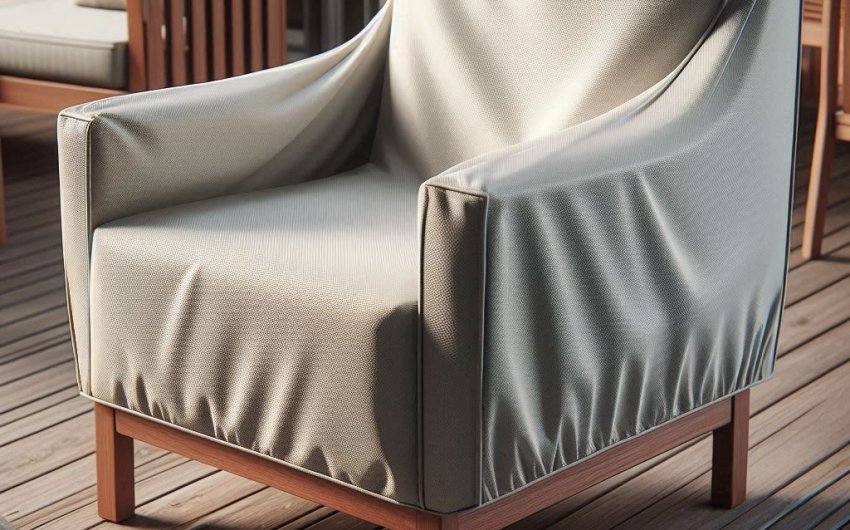
Investing in quality outdoor living spaces is a joy, but protecting that investment from the elements is crucial for its longevity and appearance. Among the many weather challenges, UV-resistant patio furniture covers stand out as a primary defense against the sun's damaging rays. These specialized covers are designed to shield your outdoor furniture from fading, cracking, and deterioration, ensuring your patio remains beautiful and functional for years to come.
Why is UV Protection Crucial for Patio Furniture?
The sun's seemingly gentle rays pose a significant threat to the durability and aesthetics of your outdoor living pieces. Understanding this unseen damage highlights why UV-resistant patio furniture covers are not just an accessory, but a necessity.
Understanding UV Radiation:
- What it is: Ultraviolet (UV) radiation is a form of electromagnetic radiation emitted by the sun. While essential for life, too much UV can be destructive.
- Types: The two main types that reach Earth's surface are UVA and UVB. Both contribute to the degradation of materials.
- Constant Exposure: Unlike rain or snow, which are intermittent, UV radiation is present whenever the sun is out, even on cloudy days. This constant exposure means continuous, cumulative damage to outdoor materials.
The Damaging Effects of UV on Furniture Materials:
- Fading (Color Degradation):
- Mechanism: UV rays break down the chemical bonds in pigments and dyes, altering their molecular structure. This leads to a loss of color vibrancy.
- Impact: What was once a vibrant blue cushion might turn pale, or a rich dark brown wicker chair might become a dull, washed-out grey. This significantly diminishes the aesthetic appeal of your patio.
- Material Breakdown (Deterioration):
- Mechanism: UV radiation directly attacks the polymer chains in materials like plastics, resins (found in wicker), and even natural fibers. This process, called photodegradation, weakens the material's structure.
- Impact on Plastics/Resins/Wicker: Causes brittleness, cracking, splintering, and chalking (a powdery residue on the surface). This reduces the material's strength and eventually leads to structural failure. A chair might break simply from sitting on it.
- Impact on Wood: Accelerates the breakdown of lignin (the natural glue in wood), leading to grey discoloration, surface checking (fine cracks), and increased susceptibility to rot and insect damage. Even composite wood decking can suffer.
- Impact on Metals: While less direct, UV can contribute to the breakdown of protective coatings on metal frames, leading to accelerated rust and corrosion, especially for powder-coated aluminum furniture.
- Reduced Lifespan: All of these individual damaging effects combine to drastically shorten the overall lifespan of your outdoor furniture. What might have lasted 10-15 years could deteriorate in just a few, forcing premature and costly replacements.
- Fading (Color Degradation):
Why Standard Protection Isn't Enough:
- Umbrellas/Awnings: While they provide shade for people, they don't fully protect furniture from reflected UV or early morning/late afternoon sun. They also aren't practical for constant, all-day coverage.
- Weather Coatings (Non-UV Specific): Many furniture pieces have water-resistant coatings, but these often don't include strong UV inhibitors. Water repellency doesn't equal UV protection.
Investing in UV-resistant patio furniture covers is a proactive measure that safeguards your aesthetic investment, prolongs the life of your furniture, and ultimately saves you money by preventing premature wear and tear from the sun's relentless assault.
What Makes a Patio Furniture Cover UV-Resistant?
Not all furniture covers are created equal. For effective protection, understanding the specific features and materials that contribute to a cover's UV resistance is key. This knowledge helps you make an informed purchase decision.
Material Composition:
- Polyester (Most Common): High-quality woven polyester fabrics are frequently used. For UV resistance, these are treated or infused with specific chemicals during manufacturing.
- Denier Rating: Look for a higher denier (e.g., 300D, 600D, up to 1200D). This indicates the density and strength of the fibers, contributing to durability and often better UV resistance. A higher denier often correlates with heavier, more robust fabric.
- Polyethylene (PE): Often found in lighter-duty or less expensive covers. While it offers some inherent UV stability, it's generally less durable and tear-resistant than higher-denier polyester.
- Solution-Dyed Acrylic (e.g., Sunbrella): Considered the gold standard for outdoor fabrics. The color is added to the molten polymer before the fiber is formed, meaning the color goes all the way through the fiber, not just on the surface.
- Benefits: Exceptional fade resistance, highly durable, water-resistant, and inherently UV stable without needing additional coatings. These fabrics are more expensive but offer superior longevity. Covers made from Sunbrella fabric are top-tier.
- Vinyl (PVC): Less common now for general covers, but sometimes used. Can be very waterproof but tends to become brittle and crack with prolonged UV exposure. Often used for more rigid, form-fitting covers.
- Polyester (Most Common): High-quality woven polyester fabrics are frequently used. For UV resistance, these are treated or infused with specific chemicals during manufacturing.
UV Stabilizers and Coatings:
- UV Inhibitors: Polyester and PE covers are typically treated with chemical additives called UV inhibitors (or UV stabilizers) during manufacturing. These chemicals absorb or reflect UV radiation, preventing it from damaging the fabric fibers.
- PU Coating (Polyurethane Coating): Many covers also feature a PU coating on the underside. While primarily for waterproofing, some formulations can also contribute to UV protection by adding an extra layer. However, the primary UV protection comes from the fabric itself.
- Acrylic Coating: A clear acrylic coating on the fabric surface can add an additional layer of UV resistance and water repellency.
Fabric Weave and Density:
- A tighter, denser fabric weave provides more material per square inch, creating a better physical barrier against UV rays. This is where the denier rating comes into play – higher denier fabrics are denser.
Color of the Cover:
- Lighter Colors: Tend to reflect more UV radiation and absorb less heat, which can be beneficial for the longevity of the cover itself. They also show fading less prominently.
- Darker Colors: Absorb more UV radiation and heat, which can potentially accelerate their own degradation over time, but they might initially hide dirt better.
- Overall: The most important factor is the material and its UV treatment, rather than just the color.
Industry Ratings and Warranties:
- Fade Resistance Ratings: Some manufacturers will provide a specific number of years for fade resistance, especially for premium fabrics like solution-dyed acrylics.
- Warranty: A longer warranty, especially one that specifically covers UV degradation or fading, indicates a manufacturer's confidence in their product's UV resistance. Look for a patio furniture cover with warranty.
By scrutinizing these features, you can confidently select UV-resistant patio furniture covers that truly offer the protection your outdoor investments deserve, prolonging their life and keeping them looking their best.
What Are the Key Features to Look for in UV-Resistant Covers?
Beyond just UV resistance, the best patio furniture covers offer a suite of features that enhance their effectiveness, durability, and ease of use. Considering these aspects ensures comprehensive protection for your outdoor investment.
Attachment Mechanisms:
- Why they're important: Prevents covers from blowing off in windy conditions.
- Types:
- Buckle Straps: Common and effective. Straps with buckles that go around furniture legs or bases provide a secure fit. Look for durable, adjustable straps.
- Drawstrings/Cords: Run along the hem of the cover, allowing you to cinch it tight around the base of the furniture. Less secure than buckles but good for custom fits.
- Velcro/Hook-and-Loop Fasteners: Often used on seams or flaps for easy opening and closing, or to secure a custom fit around odd shapes.
- Elastic Hems: Provide a snug fit but are less reliable in very high winds than buckles.
- Recommendation: Covers with multiple attachment points, especially buckle straps, offer the best security. Look for a patio furniture cover with buckle straps.
Ventilation:
- Why it's important: Prevents moisture buildup, mold, and mildew. Airflow also helps reduce condensation under the cover.
- Features:
- Air Vents: Typically mesh-covered vents located strategically to allow air circulation while preventing rain and pests from entering.
- Poles/Support Systems: Some covers come with poles or inflatable bladders that create a slight peak or dome, preventing water from pooling on top and allowing air to flow underneath.
- Benefit: Good ventilation is crucial for the health of your furniture, especially preventing mold on cushions and frames. A patio cover with air vents is a wise choice.
Waterproofing/Water Resistance:
- Why it's important: Protects furniture from rain, snow, and dew, preventing rust, rot, and moisture damage to cushions.
- Features:
- PU (Polyurethane) Coating: A common waterproofing layer applied to the underside of the fabric.
- Seam Sealing/Taping: Critical. Even the most waterproof fabric will leak at the seams if they're not properly sealed or taped. Look for covers with "taped seams" or "sealed seams."
- Water-Repellent Finish: An outer layer that causes water to bead up and roll off.
- Recommendation: Look for covers explicitly stating "100% waterproof" or "highly water-resistant" with sealed seams.
Durability and Tear Resistance:
- Why it's important: Ensures the cover lasts for multiple seasons without ripping from wind, sharp edges, or general wear.
- Features:
- High Denier Fabric: As mentioned, a higher denier (e.g., 600D, 900D) indicates a denser, stronger fabric.
- Reinforced Corners/Seams: Extra stitching or patching at stress points makes the cover more resistant to tears.
- Ripstop Weave: A special weaving technique that makes the fabric resistant to tearing and ripping. If a tear does occur, it's less likely to spread.
- Recommendation: Prioritize covers with a good balance of denier, reinforced areas, and quality stitching.
Easy On/Off Design:
- Why it's important: You'll be more likely to use the covers regularly if they are easy to put on and take off.
- Features:
- Lightweight but Strong: Heavy covers can be cumbersome.
- Handles: Strategically placed handles can make it easier to lift and maneuver larger covers.
- Zippers/Fasteners: Zippers can make it easier to fit around odd-shaped furniture, but ensure they are heavy-duty and waterproof.
Size and Fit (Crucial):
- Importance: A cover that is too small won't fit, and one that is too large can flap excessively in the wind, leading to wear and less effective protection.
- Measurement: Always measure your furniture accurately (length, width, height, including the highest point like a backrest).
- Variety of Shapes: Look for covers specifically designed for different furniture types: outdoor sofa cover, dining set cover, chaise lounge cover, etc. Many brands offer covers designed for modular sectionals or large combined sets.
By carefully considering these features, you can select UV-resistant patio furniture covers that not only protect from the sun but also offer all-around durability and convenience, truly safeguarding your outdoor living space.
How Do You Measure Your Furniture for the Right Cover Size?
Getting the correct size is paramount for UV-resistant patio furniture covers to be effective. A cover that's too small won't fit, and one that's too large can billow in the wind, allowing water and debris underneath, and causing premature wear. Accurate measurement is key.
Measure All Dimensions:
- You will need the Length (L), Width (W) (or Depth, D), and Height (H) of your furniture.
- Use a flexible measuring tape for accuracy.
Specific Measurement Instructions for Common Furniture Types:
Rectangular Tables, Coffee Tables, Benches:
- Length: Measure the longest side from end to end.
- Width: Measure the shortest side from end to end.
- Height: Measure from the ground to the highest point (usually the tabletop, or top of the backrest for benches if you're covering that).
Chairs (Single or Stacked):
- Length (Depth): Measure from the front of the seat to the back of the backrest.
- Width: Measure across the widest point (usually the arms).
- Height: Measure from the ground to the highest point of the backrest.
- For Stacked Chairs: Measure the length, width, and height of the entire stack of chairs you intend to cover as one unit.
Sofas and Sectionals:
- Length: Measure the longest dimension from end to end.
- Width (Depth): Measure from the front of the seat to the back of the backrest.
- Height: Measure from the ground to the highest point of the backrest.
- For Sectionals: You'll often need multiple covers for each module, or a very large, specialized sectional patio cover designed for specific sectional configurations (L-shaped, U-shaped). Measure each piece individually if buying separate covers, or measure the overall outer perimeter if buying a custom-fit sectional cover.
Round Tables:
- Diameter: Measure across the widest point of the tabletop (going through the center).
- Height: Measure from the ground to the highest point of the tabletop.
Chaise Lounges:
- Length: Measure from one end to the other when the lounge is flat.
- Width: Measure across the widest point (usually the arms).
- Height: Measure from the ground to the highest point (often the backrest when upright, or the end of the bed if flat).
Umbrellas:
- Length: Measure from the tip of the umbrella (when closed) to the very bottom of the canopy.
- Width: The width of the folded canopy at its widest point.
- You'll need an outdoor umbrella cover specifically designed for umbrellas.
Add a Little Extra for Ease of Fit:
- Once you have your exact measurements, it's generally a good idea to add 1-2 inches to each dimension (length, width, and height). This small allowance ensures the cover will slip on and off easily without being too tight, and allows for slight variations in manufacturing.
Consider Protrusions:
- Factor in any unusual shapes or protrusions, like built-in fire pits on tables, large armrests, or decorative finials. These can impact the effective coverage height and width.
When in Doubt, Go Slightly Larger (with caution):
- If you're between sizes, it's usually better to go with the slightly larger cover. However, a cover that's excessively large can become a sail in the wind, so only go slightly larger. That's why attachment mechanisms are so important.
By diligently following these measurement guidelines, you can ensure you select the perfectly sized UV-resistant patio furniture covers, providing a snug fit that maximizes protection and minimizes wind damage.
How Do You Properly Use and Care for UV-Resistant Covers?
Having the best UV-resistant patio furniture covers is only half the battle; knowing how to properly use and care for them ensures their longevity and effectiveness in protecting your outdoor investment.
Before Putting the Cover On:
- Clean and Dry Furniture: Always ensure your patio furniture is clean and completely dry before covering it. Trapping moisture underneath a cover can lead to mold, mildew, rust, or other damage. Wipe down surfaces and allow cushions to thoroughly air dry.
- Remove Cushions (Optional but Recommended): For long-term storage or in very wet climates, it's best to remove cushions and store them indoors or in a weatherproof deck box. If you leave them on, ensure they are perfectly dry. A waterproof deck box is great for cushion storage.
- Protect Sharp Edges: If your furniture has any sharp corners or protrusions (like decorative elements or unwrapped table legs), place some padding (like old towels, pool noodles, or foam) over them before covering. This prevents the cover from tearing.
Putting the Cover On (Proper Placement):
- Center and Drape: Gently unfold the cover and center it over the furniture. Drape it evenly, ensuring all parts of the furniture are covered down to the bottom.
- Secure Attachment Straps: Crucial for preventing wind lofting. Fasten all buckle straps around the furniture legs or base, cinch drawstrings tightly, and secure any Velcro flaps. Ensure the cover is snug but not so tight that it strains the seams.
- Elevate Center (Prevent Water Pooling): If your cover doesn't have built-in support poles, place an inflatable bladder, inverted bucket, or even a patio umbrella (if it's a table cover) under the center of the cover. This creates a peak that prevents rainwater from pooling and stretching the cover, which can lead to leaks over time. You can use patio cover support poles.
- Ensure Ventilation: Make sure any built-in air vents are not blocked by the furniture or other objects.
Routine Maintenance of the Covers:
- Shake Off Debris: Regularly shake off leaves, snow, ice, and standing water from the top of the covers. This prevents buildup, maintains effectiveness, and prolongs the cover's life.
- Spot Clean: For small spots of dirt or mildew, use a soft brush or cloth with mild soap and water. Rinse thoroughly.
- Deep Cleaning (Annually/Bi-Annually):
- Method: Wash the covers periodically (once or twice a year, or as needed) with mild soap (like dish soap) and lukewarm water. You can hand wash with a soft brush or sponge, or some covers may be machine washable on a gentle cycle (check manufacturer instructions).
- Avoid Harsh Chemicals: Do not use bleach, strong detergents, or abrasive cleaners, as these can damage the UV-resistant coatings and fabric fibers.
- Air Dry Thoroughly: Always allow the covers to air dry completely before folding and storing them. Never put a damp cover away, as this will lead to mildew.
Winter Storage (If Not Used Year-Round):
- Clean and Dry: Before storing your covers for the off-season, ensure they are perfectly clean and bone dry.
- Fold Neatly: Fold them neatly to prevent creases and damage.
- Store in a Dry, Protected Place: Keep them in a shed, garage, or storage bag for patio covers away from direct sunlight, extreme temperatures, and pests.
By following these best practices for use and care, your UV-resistant patio furniture covers will continue to provide optimal protection, safeguarding your valuable outdoor furniture investment for many seasons to come.