
How Do I Create a Vintage-Inspired Garden Setting with Upcycled Furniture?
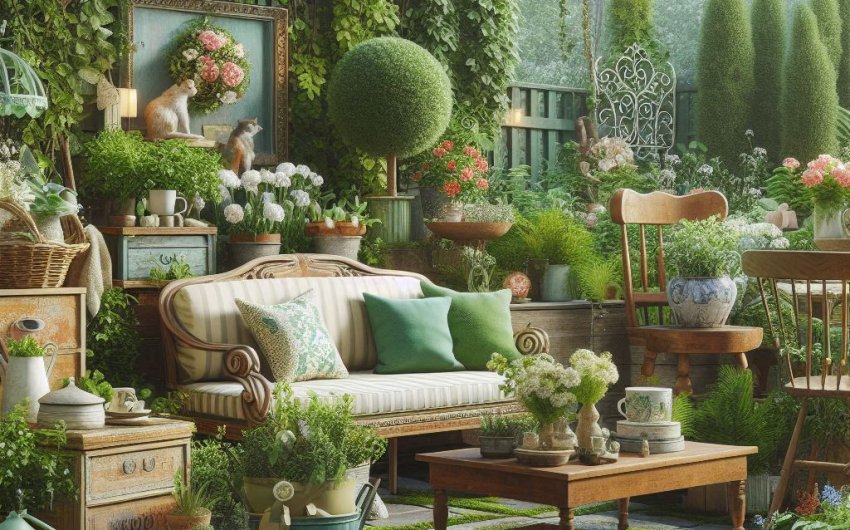
To create a vintage-inspired garden setting with upcycled furniture, you should begin by sourcing unique, pre-loved pieces with character, then adapt them for outdoor use using weather-resistant paints and sealants. Complement these revamped items with classic garden elements like aged planters, antique accents, and appropriate vintage-style plants to achieve a cohesive, charming aesthetic.
Why Choose Upcycled Furniture for a Vintage Garden Setting?
Upcycling furniture for your garden is more than just a trend; it's a creative and sustainable way to bring unique charm and personality to your outdoor space. For a vintage-inspired look, upcycled pieces are often the best choice.
Unique Character and History
- One-of-a-Kind: Unlike mass-produced garden furniture, upcycled pieces tell a story. Their imperfections, patina, and original design give them an unmatched character that adds depth to your garden.
- Authentic Vintage Feel: It's genuinely vintage! These pieces carry the style and essence of bygone eras, instantly elevating the vintage aesthetic of your garden.
- Conversation Starters: Each piece has a past, inviting curiosity and conversation among guests.
Sustainability and Eco-Friendliness
- Reduces Waste: By giving old furniture a new life, you divert items from landfills, contributing to a more sustainable lifestyle.
- Low Environmental Impact: Upcycling requires fewer resources and less energy than manufacturing new furniture.
- Conscious Living: It's a tangible way to practice environmental responsibility in your home and garden.
Cost-Effectiveness
- Budget-Friendly: You can often find pre-loved furniture at very low prices (or even free!) at flea markets, thrift stores, garage sales, or roadside finds.
- DIY Savings: While you might invest in paint and supplies, the overall cost is typically much lower than buying new, high-quality outdoor furniture.
Creative Freedom and Customization
- Personal Expression: Upcycling allows you to unleash your creativity, transforming pieces to perfectly match your vision for a vintage garden.
- Custom Colors and Finishes: You're not limited to standard outdoor furniture colors. You can paint, distress, or finish your pieces exactly as you desire.
- Tailored to Your Space: Adapt furniture dimensions or functions to fit specific nooks and crannies in your garden.
Where Can I Find Furniture for Upcycling?
The thrill of creating a vintage-inspired garden often begins with the hunt for the perfect raw materials. Keep an open mind and look for pieces with good bones.
Thrift Stores and Charity Shops
- Hidden Gems: Often have a rotating stock of furniture at very affordable prices. Look past the current condition and envision its potential.
- Variety: You might find anything from old wooden chairs to small dressers.
Flea Markets and Antique Fairs
- More Curated: These venues often have furniture that's already considered vintage or antique, sometimes with higher prices but often better quality.
- Bargaining: Don't be afraid to negotiate prices.
Garage Sales and Estate Sales
- Direct from Homes: Often yield unique items from various eras.
- Early Bird Gets the Worm: Arrive early for the best selection.
Online Marketplaces (Facebook Marketplace, Craigslist, Freecycle)
- Convenience: Browse from home. Many people offer items for free if you can pick them up.
- "Curb Alerts": Look for posts about items left out for free pickup.
Roadside Finds
- Free! Be vigilant when driving around, especially on trash collection days. Always check for bed bugs or serious damage before taking anything.
What to Look For:
- Good Bones: Prioritize structural integrity. A wobbly leg can be fixed, but rotten wood or extensively warped metal might not be worth the effort.
- Character: Look for interesting details, unique shapes, or a natural patina.
- Material:
- Solid Wood: Durable and easy to paint/distress. Pine, oak, and even older particleboard can be upcycled.
- Metal: Wrought iron, cast iron, or aluminum pieces can be cleaned, sanded, and repainted.
- Wicker/Rattan (Natural): Can be used for sheltered areas or if you commit to diligent sealing/covering.
- Old Doors/Shutters: Excellent for repurposing into tables or decorative screens.
- Old Trunks/Suitcases: Can become tables or unique planters.
How to Prepare Upcycled Furniture for Outdoor Use?
Making indoor furniture suitable for the garden requires specific preparation and protection against the elements. This is a critical step to ensure longevity.
1. Cleaning
- Thorough Wash: Start by thoroughly cleaning the piece. Use a stiff brush and a solution of warm water with mild detergent. For stubborn grime or mold, a mix of 1 part bleach to 3 parts water can be used (test on an inconspicuous area first).
- Rinse and Dry: Rinse thoroughly with clear water and allow to dry completely. Any trapped moisture can lead to mold or paint adhesion issues.
2. Inspection and Repair
- Check for Damage: Look for loose joints, cracks, rust, or weak spots.
- Tighten/Reinforce: Tighten screws, reinforce wobbly joints with wood glue and clamps, or add metal brackets where needed.
- Sand Rough Spots: Smooth out any splinters or rough areas. For metal, remove any loose rust with a wire brush or sandpaper.
3. Sanding
- Create a Surface for Adhesion: Lightly sand all surfaces you plan to paint or seal. This creates "tooth" for the new finish to adhere to.
- Grit: Use medium-grit sandpaper (100-150 grit) for general sanding, followed by finer grit (180-220) for a smoother finish.
- Dust Removal: Wipe down the piece thoroughly to remove all sanding dust before proceeding.
4. Priming
- Essential for Durability: Apply an outdoor-grade primer. Primer helps paint adhere better, provides an extra layer of protection, and prevents stains from bleeding through.
- Specific Primers:
- Wood: Use an oil-based outdoor primer or a good quality latex primer formulated for exterior use.
- Metal: Use a rust-inhibiting primer designed for outdoor metal.
- Plastic/Laminate: Use a primer specifically formulated for adhesion to difficult surfaces.
- Even Coat: Apply a thin, even coat according to product directions. Allow to dry completely.
5. Painting or Finishing
- Outdoor-Grade Paint: This is non-negotiable. Choose paint specifically formulated for outdoor use, resistant to UV rays, moisture, and temperature fluctuations.
- Acrylic Latex Exterior Paint: Durable, flexible, and easy to clean up.
- Oil-Based Exterior Paint: Very durable, good for high-traffic areas, but takes longer to dry.
- Spray Paint: Can be effective for intricate designs or quick coats, but ensure it's "all-surface" and "outdoor" rated.
- Apply Thin Coats: Apply multiple thin coats rather than one thick coat for better adhesion and durability. Lightly sand between coats for an even finish.
- Color Choice: For a vintage look, consider muted pastels, classic whites, creams, or even distressed darker tones like forest green or muted blue.
- Distressing (Optional): Once the base coats are dry, you can lightly sand edges or raised areas to create a worn, aged look. Apply a clear topcoat after distressing.
6. Sealing/Topcoat
- Added Protection: Apply multiple coats of a clear, UV-resistant outdoor sealant or varnish. This adds a crucial layer of protection against moisture, UV damage, and general wear.
- Types: Look for polyurethane, spar varnish, or clear acrylic sealants specifically for exterior use.
- Coverage: Ensure complete coverage, especially on horizontal surfaces and legs.
- Drying Time: Allow ample drying time between coats and before exposing the furniture to the elements.
What Types of Upcycled Furniture Can I Use?
Almost any old piece of furniture can find new life in your garden with the right preparation and a dose of creativity.
Old Wooden Chairs / Rocking Chairs
- Transformation: Paint them a vintage color, distress them, or even turn them into unique planters by placing a pot in the seat.
- Use: Cozy seating nooks, decorative accents.
Dressers or Chests of Drawers
- Transformation: Paint and seal. Remove drawers and turn the open spaces into shelves for potted plants, or use drawers as individual planters.
- Use: Potting bench, display cabinet for garden decor, unique plant stand.
Old Doors or Shutters
- Transformation: Clean, sand, paint, and seal.
- Use: Tabletop (on a sturdy base), decorative screen, backdrop for seating, unique garden gate.
Bathtubs or Sinks
- Transformation: Thoroughly clean. Paint the exterior for a pop of color or leave as-is for industrial chic.
- Use: Large, unique planter for flowers or even a small vegetable patch.
Wooden Crates or Pallets
- Transformation: Sand, clean, and seal.
- Use: Stack them to create shelving, use as low tables, or build simple benches.
Metal Cabinets or Lockers
- Transformation: Remove rust, clean, paint with metal-specific outdoor paint.
- Use: Rustic outdoor storage for gardening tools, quirky plant stands.
Old Bikes
- Transformation: Clean, paint, add baskets or planters.
- Use: Whimsical garden decor, unique planter display.
How to Style Your Vintage Garden Setting with Upcycled Furniture?
Once your furniture is ready, styling is where the magic happens, bringing together all the elements for that authentic vintage vibe.
Color Palette
- Muted Tones: Think soft greens, dusty blues, creams, whites, and faded pastels. These evoke a timeless, aged feel.
- Distressed Look: Embrace chippy paint, rust (if controlled and sealed), and natural weathering for an authentic vintage patina.
Accessorize with Vintage Finds
- Lighting:
- String Lights: Edison bulb string lights add a warm, nostalgic glow.
- Lanterns: Old metal lanterns (with LED candles) scattered around.
- Planters:
- Aged Terracotta: Classic and timeless.
- Galvanized Buckets/Tubs: For a rustic, farmhouse vintage look.
- Old Teapots/Kettles/Beds/Wagons: Repurpose as quirky planters.
- Decorative Accents:
- Birdcages: Antique birdcages can be repurposed as plant holders or simply decor.
- Old Watering Cans: Even if not functional, they add charm.
- Sundials: A classic garden feature.
- Weathered Garden Statues: Cherubs, gnomes, or simple classical figures.
- Vintage Tools: Display old garden tools on a wall or bench.
- A Solar Powered Outdoor String Lights set can enhance the ambiance.
Fabric and Textiles
- Cushions and Pillows: Choose patterns like toile, florals, stripes, or checks in muted vintage colors. Look for outdoor-rated fabrics (e.g., Sunbrella) for durability.
- Outdoor Rugs: A faded oriental-style rug or a classic striped pattern can anchor the lounge area.
- Lace/Crochet: Consider adding touches of vintage lace or crochet fabric on tables (protected by glass) or as decorative accents.
Plants for a Vintage Feel
- Classic Cottage Garden Plants: Roses (especially climbing or heirloom varieties), hydrangeas, lavender, hollyhocks, delphiniums, foxgloves, and hostas.
- Fragrant Blooms: Honeysuckle, jasmine, wisteria – for a sensory experience.
- Climbers: Allow vines to gracefully intertwine with upcycled trellises or archways.
- Herbs: Plant traditional herbs like rosemary, thyme, and mint in aged pots.
- Flowering Annuals: Petunias, impatiens, and marigolds in complementary colors.
How to Maintain Your Upcycled Vintage Garden Furniture?
Even with proper preparation, upcycled furniture will require ongoing care to withstand the elements and maintain its vintage charm.
Regular Cleaning
- Dust and Debris: Regularly brush off loose dirt, leaves, and cobwebs.
- Mild Soap Wash: Every few weeks, wipe down surfaces with a solution of mild soap and water.
- Rinse and Dry: Rinse thoroughly to remove soap residue and allow to dry completely.
- Check for Mold: In humid conditions, check for mold or mildew and clean promptly with a diluted bleach solution (1 part bleach to 3 parts water) for non-porous surfaces.
Reapplying Sealant/Paint
- Annual Inspection: At least once a year (ideally before or after the harshest season), inspect all upcycled pieces for signs of wear.
- Touch-Ups: Spot-treat any chipped paint or areas where the sealant is degrading.
- Re-seal: Every 1-3 years, depending on exposure and the type of sealant, consider applying a fresh coat of outdoor sealant or varnish to all surfaces. This is crucial for wooden pieces.
Protection from the Elements
- Furniture Covers: Invest in high-quality, breathable furniture covers for seasonal storage or during prolonged periods of heavy rain or intense sun.
- Shelter: If possible, place upcycled furniture under a covered patio, pergola, or large umbrella to minimize direct exposure.
- Bring Indoors (if small): Small pieces can be easily brought into a shed or garage during winter or severe weather.
Rust Management (for metal pieces)
- Monitor: Regularly check for any signs of new rust.
- Treatment: If rust appears, gently sand it off, apply a rust-inhibiting primer, and touch up with outdoor metal paint. Embrace a little surface rust for character if it's stable and sealed.
Creating a vintage-inspired garden setting with upcycled furniture is a rewarding journey that combines sustainability with timeless style. By carefully selecting unique pieces, preparing them meticulously for outdoor use, and complementing them with classic garden elements and mindful styling, you can craft a charming, personalized oasis that truly reflects your creative spirit.