
Yellow Leaves on Houseplants: Causes and Solutions
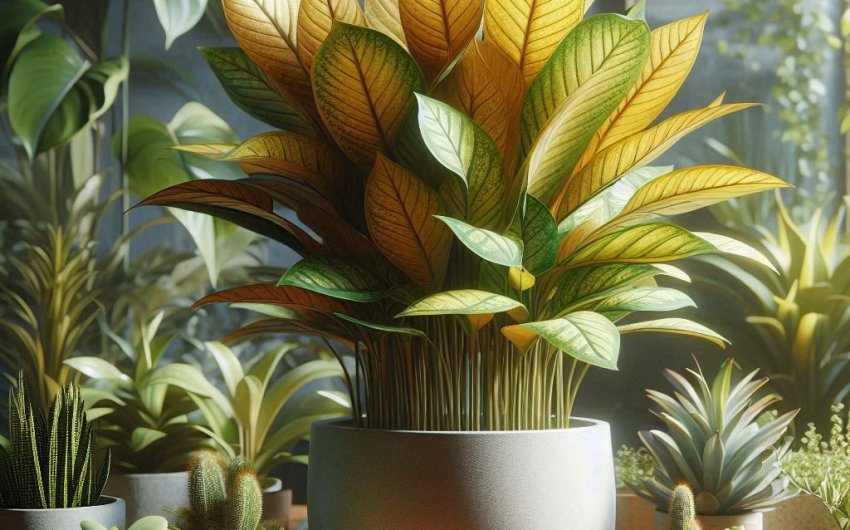
Seeing a once-vibrant houseplant begin to fade, its lush green leaves slowly turning yellow, can be disheartening for any plant parent. Yellow leaves on houseplants are one of the most common signs of distress, and while it might feel like a mystery, your plant is actually trying to tell you something important about its well-being. It's like a subtle cry for help, indicating that something in its environment or care routine isn't quite right. The good news is that yellowing leaves are often a symptom of solvable problems, not a death sentence.
Understanding the various reasons behind yellowing leaves is the first step toward diagnosing the issue and nursing your beloved plant back to health. It could be something as simple as inconsistent watering, or it might point to a deeper problem with light, nutrients, or even pests. Becoming a plant detective, observing the patterns of discoloration, and ruling out common culprits will empower you to provide the precise care your plant needs to regain its vibrant green hue. Let's delve into the most frequent causes of yellow leaves on houseplants and, more importantly, how to bring your green companions back to their glorious best.
What Are the Most Common Reasons for Yellow Leaves on Houseplants?
When you spot yellow leaves on your houseplants, it's your plant's way of signaling distress. While the symptom is clear, the underlying cause can vary widely. It's like a fever in humans – it tells you something's wrong, but not exactly what. By far, the most frequent culprits relate to how we manage their water and light.
1. Improper Watering (Too Much or Too Little):
This is hands down the number one cause of yellow leaves on houseplants. Both overwatering and underwatering can lead to similar symptoms, which can be confusing.
- Overwatering (More Common):
- The Problem: When plants are overwatered, their roots sit in soggy, oxygen-deprived soil. Roots need oxygen to breathe, and when deprived, they essentially suffocate and begin to rot (root rot). Damaged roots cannot absorb water or nutrients, even if they are present in the soil.
- Symptoms: Leaves turn yellow, often starting on older, lower leaves. The yellowing might be uniform across the leaf, or sometimes the leaf feels soft and mushy. Leaves may also drop off easily. The soil will remain wet for a very long time.
- Why it Happens: Watering too frequently, having a pot without drainage holes, using a heavy or dense potting mix that retains too much water, or using a pot that's too large for the plant.
- Underwatering:
- The Problem: The plant doesn't receive enough water to support its physiological processes. Cells dehydrate and eventually die.
- Symptoms: Leaves turn yellow, often becoming crispy or dry before turning brown and eventually falling off. The yellowing might appear anywhere on the plant, sometimes starting on newer growth if dehydration is severe. The soil will be bone dry.
- Why it Happens: Forgetting to water, not watering thoroughly enough (so water doesn't reach all roots), or using a potting mix that drains too quickly for the plant's needs.
2. Insufficient Light:
- The Problem: Plants need light for photosynthesis, the process by which they convert light energy into food. Without enough light, they can't produce enough energy to support all their leaves, especially older ones.
- Symptoms: Older, lower leaves turn yellow and may drop off. The plant may also exhibit leggy growth (long, stretched stems with widely spaced leaves) as it tries to reach for more light. New growth is small and weak.
- Why it Happens: Placing a plant that needs bright light in a dark corner, or seasonal changes where winter light is much lower.
3. Nutrient Deficiencies:
- The Problem: Over time, the nutrients in a plant's potting mix get used up by the plant or washed away with watering (leaching). Without enough essential nutrients, the plant can't produce chlorophyll or build healthy tissues.
- Symptoms: The pattern of yellowing depends on the specific nutrient:
- Nitrogen (N) Deficiency: General yellowing of older, lower leaves. This is very common.
- Magnesium (Mg) Deficiency: Yellowing between the veins of older leaves, with the veins remaining green.
- Iron (Fe) Deficiency: Yellowing between the veins of new, younger leaves, with the veins remaining green.
- Why it Happens: Not fertilizing, inconsistent fertilizing, using a low-quality potting mix, or the soil pH being off (which prevents nutrient absorption).
Understanding these top three causes is crucial. Always check your watering habits and the light conditions first, as they are the most frequent offenders when it comes to yellow leaves on houseplants.
How Do You Diagnose the Cause of Yellow Leaves? A Step-by-Step Approach.
When your houseplant's leaves start turning yellow, it's time to put on your detective hat. A methodical approach helps narrow down the cause and find the right solution. Don't jump to conclusions; observe carefully!
Step 1: Examine the Yellowing Pattern and Location.
The location of the yellowing on the plant (old vs. new leaves) and the pattern of discoloration (entire leaf, edges, between veins) are vital clues.
- Older, Lower Leaves Turning Yellow:
- Uniform Yellowing: Most commonly points to overwatering (especially if soil is wet, mushy leaves) or nitrogen deficiency (if soil is dry, plant overall slow).
- Crispy Edges/Tips: Often a sign of underwatering (if soil is bone dry), low humidity, or potassium deficiency.
- Yellowing Between Veins (Veins Stay Green): Indicates magnesium deficiency.
- Natural Aging: It's normal for a few older, lower leaves to yellow and drop occasionally, especially on plants like Ficus, Dracaena, or large Philodendrons. If it's just one or two leaves over time, it might be natural. If it's rapid and widespread, it's a problem.
- New, Upper Leaves Turning Yellow:
- Yellowing Between Veins (Veins Stay Green): Points strongly to iron deficiency.
- Overall Pale/Stunted New Growth: Can indicate severe nitrogen deficiency (affecting everything) or possibly calcium deficiency (often with distorted new growth).
- Scorched or Bleached: Too much direct, intense light (sunburn).
Step 2: Check the Soil Moisture.
This is the most critical immediate check.
- Feel the Soil: Stick your finger 2-3 inches deep into the soil.
- Soggy/Wet: Indicates overwatering or poor drainage.
- Bone Dry: Indicates underwatering.
- Uniformly Moist (but not wet): This suggests watering isn't the primary issue, and you need to investigate further.
- Lift the Pot: A very light pot often means it's dry. A very heavy pot suggests it's waterlogged.
- Check Drainage Holes: Is water draining freely from the bottom after watering? Are there any holes at all?
Step 3: Assess the Light Conditions.
- Review Plant Needs: Research your specific plant's light requirements (e.g., bright indirect, medium, low light, direct sun).
- Observe Your Spot: How much light does the plant actually receive in its current location? Is it getting blasted by direct sun when it needs indirect? Is it in a dark corner when it needs bright light?
- Shadow Test: In a bright spot, hold your hand over the plant. If it casts a sharp shadow, it's getting direct light. If the shadow is soft, it's bright indirect. No shadow means low light.
Step 4: Examine for Pests and Diseases.
- Inspect Leaves and Stems: Look closely, especially on the undersides of leaves and in leaf axils (where the leaf meets the stem).
- Sticky Residue/Tiny Bumps: Could be scale or mealybugs.
- Fine Webbing: Suggests spider mites.
- Small Bumps/Specks: Thrips or aphids.
- Check Roots (If Suspected Overwatering/Disease): If you suspect root rot, gently remove the plant from its pot and inspect the roots. Healthy roots are usually white or tan and firm. Rotting roots are soft, black, or mushy and may smell foul.
Step 5: Consider Environmental Factors.
- Temperature Fluctuations: Sudden drafts, cold windows, or proximity to heat vents can cause stress and yellowing.
- Low Humidity: Some tropical plants will yellow and brown (crispy edges) if the air is too dry.
- Repotting Shock: Recently repotted plants might yellow and drop a few leaves as they adjust to their new environment. This is usually temporary.
- Natural Senescence: As mentioned, occasional yellowing of very old lower leaves is normal for some plants as they shed them.
By methodically going through these steps, you can typically pinpoint the reason behind yellow leaves on your houseplants and move on to the solution.
What Are the Solutions for Yellow Leaves Caused by Watering Issues?
Watering problems are the leading cause of yellow leaves on houseplants. Thankfully, once you correctly identify whether it's overwatering or underwatering, the solutions are straightforward. Consistent and appropriate watering is vital for a healthy plant.
Solution 1: Fixing Overwatering (and Preventing Root Rot)
This is the most critical issue, as prolonged overwatering leads to root rot, which can be deadly.
- Stop Watering Immediately: Do not water again until the soil has dried out significantly.
- Assess Soil Moisture: Stick your finger 2-3 inches deep into the soil. If it's still soggy, act quickly.
- Improve Drainage:
- Check Drainage Holes: Ensure your pot has drainage holes. If it doesn't, repot immediately into a pot that does.
- Remove Standing Water: Always empty any excess water from the saucer under the pot.
- Enhance Airflow Around Roots (If Severe Overwatering/Root Rot Suspected):
- Remove from Pot: Gently take the plant out of its pot.
- Inspect Roots: Carefully knock off as much of the old, soggy soil as possible. Inspect the roots: healthy roots are firm and white/tan. Rotting roots are soft, mushy, black, or brown and may smell foul.
- Prune Rotted Roots: Using clean, sharp pruning shears pruning shears, carefully trim away all the mushy, rotting roots. Don't be afraid to cut back to healthy tissue.
- Repot with Fresh, Well-Draining Soil: Repot the plant into a clean pot (you might use the same size or even slightly smaller if a lot of roots were removed) with fresh, well-draining potting mix well-draining potting mix. A good mix usually contains perlite, orchid bark, or coarse sand.
- Wait to Water: After repotting for root rot, wait a few days (3-7 days, depending on the plant and environment) before watering to allow any cut roots to heal. This reduces the risk of new rot.
- Adjust Future Watering Habits:
- Water Only When Top Soil is Dry: Develop a consistent routine of checking the soil moisture before watering. Don't water on a schedule.
- Water Thoroughly: When you do water, water deeply until water flows out of the drainage holes.
Solution 2: Fixing Underwatering
This is usually easier to correct than overwatering.
- Water Thoroughly:
- Place the potted plant in a sink or tub.
- Slowly pour room-temperature water over the soil until it starts to drain from the bottom.
- Allow the pot to sit in about an inch of water for 15-30 minutes if the soil is extremely dry and has become hydrophobic (repels water). This allows the soil to slowly rehydrate.
- Once the soil feels evenly moist throughout, remove it from the standing water.
- Adjust Future Watering Habits:
- Consistent Checks: Make it a habit to check the soil every few days, especially for smaller plants or those in bright light. Use your finger or a soil moisture meter soil moisture meter.
- Consider Pot Size: If your plant is frequently bone dry very quickly, it might be root-bound and need repotting into a slightly larger pot.
- Potting Mix: If your potting mix dries out too quickly, you might consider adding a small amount of coir or a higher quality potting mix that retains a bit more moisture.
By accurately identifying and correcting your watering habits, you can often quickly reverse the yellowing leaves on your houseplants and prevent future occurrences.
What Are the Solutions for Yellow Leaves Caused by Light, Nutrients, or Environment?
Once you've ruled out watering issues, or if the yellowing pattern points elsewhere, it's time to consider other factors like light, nutrient deficiencies, or environmental stress. These issues also lead to yellow leaves on houseplants but require different solutions.
Solution 1: Addressing Insufficient Light
- Symptoms: Older, lower leaves yellow and drop; leggy growth (stems stretching, widely spaced leaves); stunted growth.
- Solution:
- Relocate the Plant: Move your plant to a brighter location in your home.
- Bright Indirect Light: Most houseplants thrive here. This means near a window (east, north, or a few feet back from a south/west window) where it gets plenty of ambient light but no harsh, direct sun.
- Direct Sun: If your plant is a sun-lover (e.g., succulents, cacti, olive trees), move it to a south or west-facing window.
- Clean Leaves: Dust can block light. Gently wipe leaves regularly with a damp cloth.
- Rotate: Rotate your plant periodically so all sides receive even light exposure, promoting balanced growth.
- Supplemental Lighting: In darker homes or during winter months, consider using a plant grow light plant grow light to provide the necessary light spectrum.
- Relocate the Plant: Move your plant to a brighter location in your home.
Solution 2: Correcting Nutrient Deficiencies
- Symptoms: Specific patterns of yellowing (e.g., older leaves overall yellow for Nitrogen; interveinal chlorosis for Magnesium/Iron). Stunted growth, poor flowering.
- Solution:
- Fertilize: During the active growing season (spring and summer), apply a balanced liquid houseplant fertilizer balanced liquid houseplant fertilizer diluted to half or quarter strength.
- Specific Nutrients: If you've identified a particular deficiency:
- Nitrogen: Any balanced fertilizer will help.
- Magnesium: Use Epsom salts Epsom salts for plants (1 teaspoon per quart of water as a foliar spray or mixed into soil).
- Iron: Apply a chelated iron supplement chelated iron supplement.
- General Micronutrients: Use a micronutrient plant food plant micronutrient food.
- Repotting: If your plant hasn't been repotted in a long time (1-2 years), the existing soil is likely depleted. Repot into fresh, nutrient-rich potting mix.
- Check Soil pH: An incorrect pH can make nutrients unavailable. Use a soil pH test kit soil pH test kit if you suspect a pH issue.
Solution 3: Addressing Environmental Stress
- Symptoms: Sudden yellowing or dropping of leaves after a change, crispy edges from dryness, general decline.
- Temperature Stress:
- Problem: Sudden cold drafts, extreme heat from vents, or temperatures outside the plant's ideal range.
- Solution: Move the plant away from drafty windows, exterior doors, or heat/AC vents. Maintain consistent room temperatures.
- Low Humidity:
- Problem: Dry air (common in heated homes in winter) can cause crispy, yellowing leaf edges, especially on tropical plants.
- Solution: Increase humidity around the plant using a plant humidifier plant humidifier, pebble trays, or by grouping plants together.
- Transplant Shock:
- Problem: Temporary yellowing and leaf drop after repotting or moving to a new location.
- Solution: This is usually temporary. Provide consistent care (but don't overwater!), bright indirect light, and patience. The plant should recover within a few weeks.
- Pest Infestations:
- Problem: Sap-sucking pests (spider mites, mealybugs, scale, aphids) drain the plant's vitality, leading to yellowing, distorted leaves, and overall decline.
- Solution: Inspect thoroughly. Treat with insecticidal soap insecticidal soap, neem oil, or by physically removing pests (wiping with alcohol swabs). Repeated treatment is often necessary.
By systematically addressing these common causes, you can effectively resolve yellow leaves on your houseplants and help them return to their vibrant, healthy state. Remember to remove the yellowed leaves once the problem is identified and corrected, as they won't turn green again.
How to Prevent Future Yellow Leaves on Houseplants?
Preventing yellow leaves on houseplants is much easier than fixing them. It all comes down to consistent, attentive care and understanding your plant's basic needs. A proactive approach creates a stable and healthy environment where your plants can thrive.
1. Master Proper Watering:
This is the golden rule for prevention.
- Know Your Plant's Needs: Some plants prefer consistently moist soil (e.g., ferns, calatheas), while others prefer to dry out significantly between waterings (e.g., succulents, cacti, ZZs). Research your specific plant!
- Check Before Watering: Always stick your finger 2-3 inches deep into the soil to feel for moisture. Don't water on a rigid schedule. Lift the pot to gauge its weight. A soil moisture meter soil moisture meter can also be helpful.
- Water Thoroughly: When you do water, soak the soil until water drains freely from the bottom.
- Empty Saucers: Never let your pot sit in standing water.
- Use Proper Potting Mix: Ensure your soil mix is well-draining and appropriate for your plant. Add perlite perlite for plants or orchid bark orchid bark for soil to improve drainage if needed.
- Drainage Holes are a Must: Always use pots with drainage holes.
2. Provide Adequate Light:
- Match Plant to Location: Research your plant's light requirements and place it in a spot where those needs are met.
- Low Light: ZZs, Snake Plants, Pothos, Peace Lilies.
- Medium Light: Philodendrons, Prayer Plants, larger Pothos.
- Bright Indirect Light: Fiddle Leaf Figs, Monstera, Birds of Paradise, Rubber Plants.
- Bright Direct Light: Cacti, Succulents, Citrus.
- Rotate Regularly: Turn your plants every week or two to ensure all sides receive even light exposure and promote balanced, symmetrical growth.
- Clean Leaves: Dust buildup can block light absorption. Gently wipe leaves periodically with a damp cloth.
3. Maintain Consistent Nutrient Levels:
- Regular Fertilization: During the active growing season (spring and summer), fertilize your plants regularly with a balanced liquid houseplant fertilizer balanced liquid houseplant fertilizer diluted to half or quarter strength.
- Repot Annually/Bi-Annually: Repot your plants into fresh potting mix fresh potting mix every 1-2 years. Old soil loses its nutrients and breaks down, leading to compaction.
- Consider Organic Amendments: Mixing a handful of worm castings worm castings into the potting mix during repotting can provide a gentle, slow-release nutrient boost.
4. Ensure Environmental Stability:
- Consistent Temperatures: Avoid placing plants near drafty windows, exterior doors, or directly in front of heating/AC vents, which cause sudden temperature swings.
- Adequate Humidity: For tropical plants, consider increasing humidity.
- Use a plant humidifier plant humidifier.
- Place pebble trays under pots.
- Group plants together to create a humid microclimate.
- Avoid Sudden Moves: Try to find a good spot for your plant and leave it there. Frequent relocation can cause stress and lead to yellowing leaves.
5. Proactive Pest Management:
- Regular Inspection: Routinely check your plants for signs of pests, especially on the undersides of leaves and in crevices.
- Early Treatment: If you spot pests, address them immediately with appropriate organic solutions like insecticidal soap insecticidal soap spray or neem oil. A healthy plant is less susceptible to severe pest damage.
By being consistent with these preventative measures, you can create a happy, thriving environment for your houseplants, minimizing the occurrence of yellow leaves and enjoying their lush beauty for years to come.