
Anti-Microbial Outdoor Fabrics for Garden Furniture Cushions
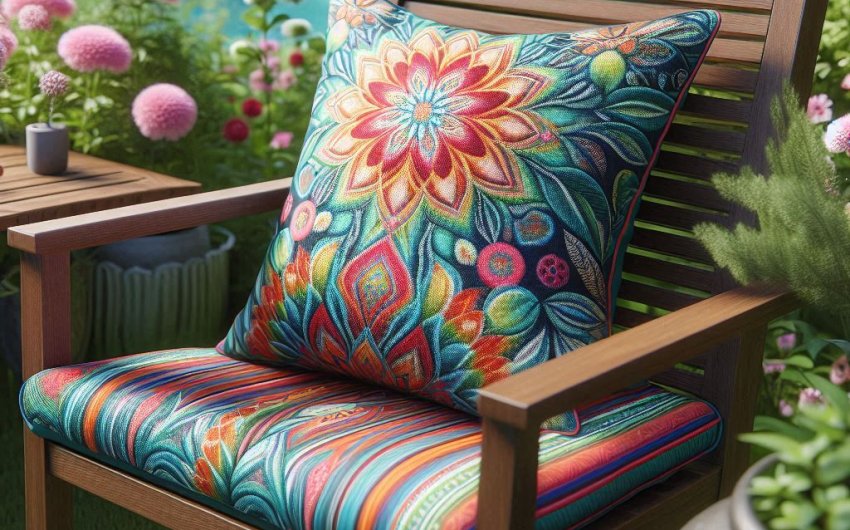
Enhancing the longevity and hygiene of your outdoor living spaces often involves selecting the right materials for your garden furniture. One of the most significant advancements in this area is the development of anti-microbial outdoor fabrics for cushions. These innovative textiles offer a superior level of protection against common outdoor nuisances like mold, mildew, and bacteria, ensuring your patio remains a clean, fresh, and inviting retreat. Moving beyond basic water resistance, these specialized fabrics bring a new dimension of durability and cleanliness to your exterior furnishings.
What Makes Outdoor Fabrics Anti-Microbial?
The term anti-microbial might sound technical, but its core function is simple: to prevent the growth of tiny, unwanted organisms. For outdoor fabrics, this means a significant upgrade in terms of hygiene and durability. Understanding the science behind these fabrics helps explain why they are a game-changer for garden furniture cushions.
The Problem: Mold, Mildew, and Bacteria Outdoors
Outdoor environments are ripe for the growth of microbes. Humidity, rain, dew, and fluctuating temperatures create ideal conditions for mold, mildew, and bacteria to flourish on surfaces, especially porous ones like fabric.
Mold and Mildew: The Unsightly Invaders
- Mold and mildew are types of fungi that thrive in damp, warm conditions.
- They appear as black, green, or white fuzzy or slimy patches.
- Beyond being unsightly, they can cause a musty odor and, in some cases, trigger allergies or respiratory issues in sensitive individuals.
- They also degrade the fabric over time, leading to discoloration and weakened fibers. This is especially problematic for outdoor cushion foam.
Bacteria: The Invisible Threat
- While often less visible, bacteria can also grow on outdoor surfaces.
- Certain types of bacteria can contribute to odors and, in some settings, pose health concerns.
The Solution: Integrated Anti-Microbial Technologies
Anti-microbial outdoor fabrics are designed to actively inhibit or kill these microorganisms. This is achieved through various technological approaches, often integrated directly into the fabric's fibers or applied as a durable finish.
Silver Ions: A Natural Defense
One common and effective method involves incorporating silver ions into the fabric. Silver has long been known for its anti-microbial properties.
- How it works: When microbes come into contact with the fabric, the silver ions are released. These ions disrupt the microbes' cellular functions, preventing their growth and reproduction.
- Benefits: Silver-based technologies are effective against a broad spectrum of bacteria, mold, and mildew. They are often durable and long-lasting, as the silver is bound within the fabric structure. Look for outdoor fabric with silver technology.
Zinc Pyrithione: A Powerful Fungicide
Zinc pyrithione is another active ingredient used in some anti-microbial treatments. It's primarily effective as an antifungal agent.
- How it works: It targets fungal cell membranes, preventing their growth.
- Benefits: Highly effective against mold and mildew, which are major concerns for outdoor cushions.
Quaternary Ammonium Compounds (Quats): Broad-Spectrum Protection
Some fabrics use quaternary ammonium compounds (often shortened to "quats") as anti-microbial agents.
- How it works: Quats work by disrupting the cell walls of various microorganisms, including bacteria and fungi.
- Benefits: They offer broad-spectrum protection and are often used in surface disinfectants as well.
Permanent Integration vs. Topical Finishes
The most effective anti-microbial outdoor fabrics have the anti-microbial agents integrated directly into the polymer structure of the fibers during manufacturing. This ensures the treatment is durable, doesn't wash out, and remains effective for the life of the fabric. Less durable options might involve topical finishes that can diminish over time with exposure to weather and cleaning. Always check the product description for details on how the anti-microbial properties are achieved, especially when buying fabric by the yard.
Why Should You Choose Anti-Microbial Fabrics for Your Outdoor Cushions?
Investing in anti-microbial outdoor fabrics for your garden furniture cushions offers a multitude of benefits that go beyond just aesthetics. They contribute to a healthier, cleaner, and more enjoyable outdoor living space.
Enhanced Hygiene and Health Benefits
This is the primary advantage. By preventing microbial growth, these fabrics significantly improve the cleanliness of your outdoor cushions.
Preventing Mold and Mildew Buildup
- Cleaner surfaces: Reduces the incidence of unsightly and difficult-to-remove mold and mildew stains.
- Odor control: Eliminates the musty smells associated with microbial growth, keeping your cushions smelling fresh.
- Reduced allergens: For individuals sensitive to mold spores, anti-microbial fabrics can help reduce exposure to common outdoor allergens, contributing to a more comfortable environment. This is especially important for outdoor cushion covers that are in constant contact with users.
Inhibiting Bacterial Growth
- Improved sanitation: While outdoor cushions aren't sterile environments, reducing bacterial load contributes to overall cleanliness, especially in areas with high usage.
Increased Durability and Longevity
Microbes don't just look and smell bad; they actively degrade fabric. By preventing their growth, anti-microbial fabrics extend the life of your cushions.
Preventing Fabric Degradation
- Fiber protection: Mold and mildew can break down fabric fibers, leading to weakening, tearing, and premature wear. Anti-microbial treatments protect the structural integrity of the fabric.
- Color retention: Microbial growth can cause discoloration and spotting. By inhibiting this, the vibrant colors and patterns of your cushions are preserved for longer. This is particularly noticeable on Sunbrella fabrics, which are known for their colorfastness.
Resistance to Stains and Odors
- While primarily focused on microbes, many anti-microbial outdoor fabrics also come with stain-resistant and water-resistant properties, as these often go hand-in-hand with durability for outdoor use.
- By inhibiting odor-causing bacteria, the fabric remains fresher between cleanings.
Reduced Maintenance and Cleaning Effort
Less microbial growth means less frequent and less intensive cleaning.
Easier Cleaning
- Stains from mold and mildew are notoriously difficult to remove. With anti-microbial fabrics, you'll spend less time scrubbing stubborn stains.
- Regular wiping or hosing down will often be sufficient to keep them clean. A good outdoor fabric cleaner can still be useful for general grime.
Less Frequent Deep Cleans
Because the fabric actively resists microbial growth, the need for harsh chemical cleaners or intensive deep cleaning is significantly reduced, saving you time and effort over the season.
Enhanced Aesthetics and Comfort
A clean, fresh-looking cushion undoubtedly enhances the overall appeal and comfort of your outdoor seating.
Aesthetically Pleasing
- No unsightly mold spots means your outdoor furniture always looks inviting and well-maintained.
- The fabric's original beauty is preserved longer.
More Enjoyable Outdoor Space
- Sitting on clean, fresh-smelling cushions is simply more pleasant. It elevates the experience of relaxing in your garden or on your patio. A comfortable patio cushion set is key to enjoyment.
What Types of Anti-Microbial Outdoor Fabrics Are Available?
The market for outdoor fabrics has grown significantly, with several leading brands incorporating anti-microbial technologies into their high-performance offerings. These fabrics are designed not only to resist microbes but also to withstand the rigors of outdoor exposure.
Solution-Dyed Acrylic: The Gold Standard
Solution-dyed acrylic is widely considered the top choice for outdoor cushions due to its exceptional durability, colorfastness, and resistance to environmental factors. Brands like Sunbrella are pioneers in this category.
Properties of Solution-Dyed Acrylic
- Colorfastness: The color is added to the acrylic fibers before they are spun into yarn, meaning the color goes all the way through the fiber. This makes it incredibly resistant to fading from UV exposure and harsh cleaning.
- Water-Repellent: While not fully waterproof, it's highly water-repellent, meaning water beads up and rolls off rather than soaking in quickly. This helps prevent moisture from being trapped and fueling microbial growth.
- Breathable: Despite its water resistance, it's still breathable, which prevents condensation and helps the fabric dry out faster.
- Soft Hand: Unlike some older outdoor fabrics, modern solution-dyed acrylic is surprisingly soft and comfortable to the touch, similar to indoor upholstery.
- Anti-Microbial Treatment: Many solution-dyed acrylics, especially premium ones, integrate anti-microbial treatments directly into their fiber or as a durable finish, enhancing their natural resistance to mold and mildew. This makes them ideal for outdoor chair cushions.
Leading Brands
- Sunbrella: Arguably the most well-known brand, Sunbrella fabrics are synonymous with high-performance outdoor textiles. They use a proprietary anti-microbial process that inhibits mold and mildew.
- Tempotest: Another high-quality European brand offering solution-dyed acrylic fabrics with excellent resistance to fading and microbial growth.
- Outdura: Known for its durable and stylish solution-dyed acrylics, often incorporating protective finishes.
Olefin (Polypropylene): Durable and Affordable
Olefin, or polypropylene, is another popular choice for outdoor fabrics, often found in more affordable outdoor cushion sets. It offers good resistance to moisture and is inherently resistant to mold and mildew.
Properties of Olefin
- Water Resistant: Olefin fibers are hydrophobic, meaning they naturally repel water, which helps prevent moisture absorption and subsequent microbial growth.
- Fade Resistant: While not as fade-resistant as solution-dyed acrylic, solution-dyed olefin still offers good UV stability.
- Strong and Durable: It's a tough fiber that stands up well to abrasion and wear.
- Naturally Anti-Microbial: Due to its low moisture absorption, olefin is inherently less hospitable to mold and mildew than some other fibers. Many olefin fabrics are further treated to enhance these properties, making them suitable for outdoor bench cushions.
- Affordable: Generally more cost-effective than acrylic.
Brands to Consider
- Many furniture manufacturers use generic solution-dyed olefin, but look for brands that specify added anti-microbial treatments for enhanced protection.
PVC-Coated Polyester: Heavy-Duty and Waterproof
For heavy-duty applications where complete waterproofing and extreme durability are needed, PVC-coated polyester is a strong contender.
Properties of PVC-Coated Polyester
- Waterproof: The PVC coating makes the fabric completely impervious to water, preventing any moisture from reaching the inner cushion.
- Highly Durable: Extremely resistant to tearing, abrasion, and punctures.
- Easy to Clean: The smooth surface is easy to wipe down.
- Anti-Microbial Properties: The PVC coating itself often contains fungicides and biocides to prevent mold and mildew growth on the surface, making it excellent for outdoor patio cushions in very wet climates.
- Less Breathable: Can feel less "fabric-like" and may not be as breathable as acrylic or olefin.
Common Uses
- Often used for commercial outdoor furniture, boat upholstery, and applications where maximum weather protection is paramount.
Other Performance Fabrics
The market continues to evolve, with new blends and treatments emerging. Always look for fabrics specifically labeled as "outdoor performance" and check for explicit claims of anti-microbial, mold-resistant, or mildew-resistant properties. Consider a sample book of outdoor fabrics to compare textures and colors.
How Do You Care for Anti-Microbial Outdoor Fabric Cushions?
Even with their advanced properties, anti-microbial outdoor fabrics still require proper care to maintain their effectiveness and appearance. Regular maintenance will ensure your cushions remain stunning and hygienic for years.
General Maintenance: Keep it Clean
Regular, light cleaning is your best defense against buildup and helps the anti-microbial treatment do its job effectively.
Brush Off Loose Dirt
- Regularly brush off any loose dirt, leaves, or debris using a soft-bristled upholstery brush. This prevents organic matter from breaking down and creating a food source for microbes.
Rinse with Water
- Periodically rinse your cushions with clear water using a garden hose to remove surface dust and light grime. Allow them to air dry completely.
Spot Clean Spills Immediately
- For spills, blot immediately with a clean cloth. For most outdoor fabrics, a mild soap and water solution is sufficient. For tougher stains, consult the fabric manufacturer's cleaning guide. A spray bottle for cleaning with a soap solution can be handy.
Deep Cleaning for Tougher Situations
While anti-microbial fabrics resist mold and mildew, extreme conditions or prolonged neglect can still lead to some growth.
Mild Soap and Water Solution
- For a more thorough clean, mix a solution of mild soap (like dish soap) and lukewarm water.
- Apply the solution with a soft brush or sponge, gently scrubbing the fabric.
- Rinse thoroughly with a hose until all soap residue is gone.
- Allow to air dry completely. Never store cushions while they are damp.
Using Specific Cleaners (If Necessary)
- For stubborn mold or mildew spots that develop despite the anti-microbial treatment (e.g., if the cushions were left in a constantly damp, shaded area for an extended period), you might need a specialized mold and mildew stain remover for outdoor fabrics.
- Always test any cleaner on an inconspicuous area first to ensure it doesn't damage the fabric or fade the color.
- Follow the product instructions carefully.
Avoiding Harsh Chemicals
- Never use bleach (unless specifically recommended by the fabric manufacturer for a particular stain, and then only diluted as instructed) or abrasive cleaners, as these can damage the fabric's fibers, compromise its water repellency, and potentially negate the anti-microbial treatment.
Storage: Protecting Your Investment
Proper storage during off-seasons or extended periods of non-use is crucial for extending the life of your cushions, even those with anti-microbial properties.
Clean and Dry Before Storing
- Before storing your cushions, ensure they are thoroughly clean and completely dry. Any lingering moisture will encourage microbial growth, even on anti-microbial fabrics, and can lead to mildew and odors inside the cushion foam.
Use Breathable Storage Bags
- Store cushions in a cool, dry, well-ventilated area. Use breathable storage bags or containers that allow for air circulation to prevent moisture buildup. Avoid airtight plastic bags, which can trap humidity.
Consider Outdoor Storage Boxes
- If storing outdoors, invest in a waterproof outdoor storage box with good ventilation. Elevate the cushions slightly off the bottom of the box to allow air to circulate underneath.
Are There Any Downsides to Anti-Microbial Outdoor Fabrics?
While the benefits of anti-microbial outdoor fabrics are significant, it's helpful to consider all aspects before making a purchase. Understanding potential limitations or nuances can help set realistic expectations.
Cost Considerations
Anti-microbial outdoor fabrics often come at a higher price point than standard outdoor textiles.
Premium Materials and Technology
- The advanced manufacturing processes, high-quality base materials (like solution-dyed acrylic), and integrated anti-microbial technologies contribute to a higher production cost.
- This is an investment in durability, longevity, and reduced maintenance, which can save money in the long run by not needing to replace cushions as frequently. Think of it as a long-term outdoor furniture investment.
Balancing Budget with Benefits
- For budget-conscious consumers, solution-dyed olefin with anti-microbial treatment offers a good balance of performance and affordability.
Environmental Concerns (Minimal in Most Cases)
Some people express concerns about the environmental impact of anti-microbial agents.
Regulated and Safe for Use
- The anti-microbial agents used in outdoor fabrics (like silver ions, zinc pyrithione) are generally well-researched and regulated to ensure they are safe for consumers and the environment in their applied forms.
- Leading manufacturers often provide transparency regarding the chemicals used and their environmental certifications. Look for fabrics with OEKO-TEX certification, which ensures textiles are free from harmful substances.
Integrated vs. Leaching
- Fabrics where the anti-microbial properties are integrated into the fiber structure are less likely to leach chemicals into the environment compared to topical spray-on treatments. This also means the treatment lasts longer.
Not a Substitute for Basic Care
While highly resistant, anti-microbial fabrics are not self-cleaning or maintenance-free.
Still Requires Cleaning
- They prevent microbial growth but don't prevent dirt, pollen, bird droppings, or other organic matter from accumulating on the surface. These still need to be cleaned off to prevent staining and maintain appearance.
- If organic debris is left on the fabric for extended periods, it can still break down and potentially provide a food source for microbes, eventually leading to some growth, especially in persistently damp conditions. A leaf blower for patio areas can help keep surfaces clear.
Drying is Still Crucial
- While resistant to mold and mildew, allowing cushions to remain soaking wet for prolonged periods can still lead to issues, especially if water penetrates into the foam. Always ensure cushions dry thoroughly after rain or cleaning.
Availability of Styles and Colors
While extensive, the selection of anti-microbial outdoor fabrics might still be slightly more limited than the entire spectrum of indoor upholstery fabrics.
Growing Variety
- The good news is that as these fabrics become more popular, manufacturers are offering an ever-expanding range of colors, patterns, and textures, making it easier to find options that match your aesthetic.
- You can find anti-microbial outdoor fabric by the yard to customize your look.