
Brick-Inspired Beauty: Creative Garden Decor Ideas
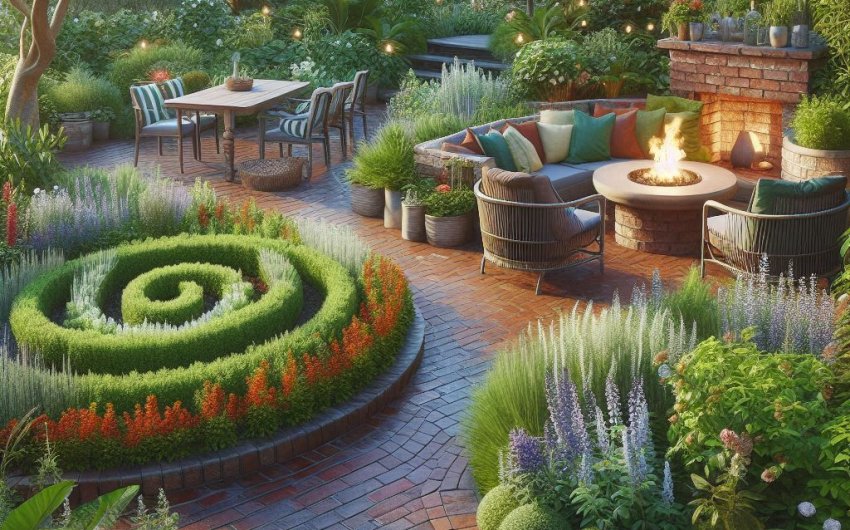
The timeless appeal of bricks extends far beyond building walls and patios; their earthy tones, rugged texture, and inherent durability make them a fantastic medium for infusing character and charm into any outdoor space. From rustic pathways to artistic focal points, brick garden decor ideas offer a unique blend of classic elegance and creative DIY potential. Whether you're working with salvaged bricks from an old project or new ones from the hardware store, these versatile elements can transform an ordinary garden into an inviting sanctuary. This guide explores a myriad of innovative ways to integrate brick-inspired beauty into your garden, adding warmth, structure, and a touch of handcrafted artistry.
Why Choose Bricks for Garden Decor?
Bricks are more than just building blocks; they offer a unique set of advantages that make them a prime material for enhancing your garden's aesthetic and functionality. Their widespread availability and range of styles provide endless creative possibilities.
What Makes Bricks Ideal for Garden Decor?
- Durability and Longevity: Bricks are incredibly tough. They can withstand harsh weather conditions, including freezing temperatures, heavy rain, and intense sun, without decaying or losing their appeal. This means your brick garden decor will last for many years with minimal maintenance.
- Natural Aesthetic: Their earthy colors – reds, browns, oranges, and even greys – blend seamlessly with natural surroundings. They provide a warm, inviting, and classic look that complements greenery, flowers, and other garden elements.
- Versatility: Bricks can be used for both structural and decorative purposes. They can form solid, functional borders or be laid out in artistic patterns purely for visual appeal. Their uniform size also makes them easy to work with for various projects.
- Affordability and Availability: Bricks are generally easy to find and can often be sourced affordably, especially if you're looking for salvaged or reclaimed bricks. Many home improvement stores stock a wide variety of paver bricks or standard building bricks.
- DIY-Friendly Potential: While some larger projects might require professional help, many brick garden decor ideas are perfectly suited for the do-it-yourself enthusiast. Their manageable size and stackable nature make them approachable for beginners.
Can You Use Salvaged Bricks for Garden Projects?
Absolutely! Salvaged bricks often come with a unique patina, character, and history that new bricks can't replicate. They can be found at architectural salvage yards, demolition sites (with permission), or sometimes through online marketplaces.
- Charm and Character: The aged appearance of salvaged bricks adds instant rustic charm and a sense of timelessness to your garden.
- Cost-Effective: They are often more affordable than new bricks, sometimes even free if you're lucky enough to find someone giving them away.
- Sustainability: Reusing materials is environmentally friendly. Things to consider: Ensure salvaged bricks are clean of excess mortar and check for structural integrity if they will bear weight. Not all bricks are made for ground contact, so research their original use if possible. Old bricks might also be more porous, affecting frost resistance.
What Are Creative Brick Pathway Ideas?
Brick pathways are a quintessential garden feature, offering a sturdy, attractive route through your landscape. Beyond simple straight lines, there are many creative ways to lay bricks for visual interest.
How Can You Design Winding Brick Paths?
Instead of a straight line, consider a gently winding brick path that invites exploration.
- Soft Curves: Use soft, organic curves that follow the contours of your garden beds or lead to a hidden seating area. This creates a more natural and less formal feel.
- Edge Definition: Use a flexible garden edging material, like plastic landscape edging, to define the curves before laying your bricks.
- Patterns: Lay bricks in a running bond or basketweave pattern to enhance the curved shape and add texture.
What are Unique Brick Laying Patterns?
Beyond the common running bond, various patterns can add significant visual appeal to your brick pathways or patios.
- Herringbone Pattern: This zig-zag pattern is highly durable and visually dynamic, great for both paths and patios. It's excellent at distributing weight.
- Basketweave Pattern: Bricks are laid in pairs, alternating direction, creating a woven appearance. This is a classic and charming choice, perfect for a cottage garden feel.
- Pinwheel Pattern: Larger central bricks are surrounded by smaller ones, creating a pinwheel effect. This works well for square or rectangular areas.
- Stacked Bond: Bricks are laid directly one on top of the other, creating a very modern and minimalist look. This is less stable for heavy traffic unless mortared.
- Mixing Materials: Combine bricks with other materials like gravel, decomposed granite, or larger stepping stones. For example, lay bricks on either side of a gravel path, or use spaced bricks with groundcover growing in between.
How Can You Incorporate Inlaid Designs?
For a truly custom look, inlay designs can add artistry to your brick pathways or patios.
- Geometric Shapes: Use contrasting brick colors to create squares, diamonds, or other geometric patterns within your path.
- Mosaics: Cut bricks into smaller pieces or combine them with broken tiles or stones to create simple mosaic designs.
- Symbolic Shapes: Create a focal point like a sun, star, or a personal motif. This requires more precision and skill but results in a unique, handcrafted feature.
What Are Creative Brick Edging and Border Ideas?
Brick edging is a simple yet effective way to define garden beds, paths, and lawns, adding neatness and structure.
How to Create Simple Stacked Brick Edging?
One of the easiest brick edging ideas is to simply stack bricks on their side or end, either one or two layers high.
- Single Layer: Lay bricks end-to-end to create a clean, low border for flowerbeds.
- Double Layer: For a slightly higher border, stack a second layer on top, offsetting the joints for stability.
- Angled Edging: Bury bricks at an angle, with one corner sticking out of the ground. This creates a charming saw-tooth or zig-zag pattern. This works best with standard rectangular bricks.
What are Raised Brick Borders?
For more pronounced separation or to create raised garden beds, brick borders can be built a few courses high.
- Raised Beds: Stack bricks (using mortar for stability if building higher than 1-2 feet) to create durable and attractive raised garden beds. These can be rectangular, square, or even curved.
- Defining Spaces: Use a single course of bricks laid flat to delineate a seating area or a specific zone within your garden. This can subtly separate different functions without creating a tall barrier.
Can You Create Decorative Brick Patterns for Edging?
Yes, just like with pathways, you can use various patterns for brick edging to add visual interest.
- Basketweave Edging: Lay small sections of basketweave patterns along the edge of a bed.
- Alternating Directions: Alternate laying bricks flat and then on their side to create a varied texture.
- Soldier Course: Lay bricks upright with their long, narrow side facing out, creating a formal and sturdy edge.
A brick hammer and chisel can be useful for cutting bricks to fit specific designs or curves.
What Are Unique Brick Container and Planter Ideas?
Bricks are excellent for building custom garden containers and planters, offering a rustic look and sturdy construction.
How to Build Simple Brick Planters?
- Stacked Rectangle/Square: The easiest way is to dry-stack bricks (without mortar) to form a simple square or rectangular planter. These are great for herbs, annuals, or small shrubs. You can easily dismantle and move them if needed. Ensure gaps between bricks for drainage or add drainage holes to the bottom of your liner.
- Tiered Planters: Stack bricks in diminishing sizes to create a tiered planter, perfect for displaying multiple types of plants or succulents.
- L-shaped or U-shaped Planters: Use bricks to define a planter space along a wall or corner, creating an interesting architectural element.
Can You Create a Brick Herb Spiral?
A brick herb spiral is a fantastic and functional piece of garden decor.
- Design: Bricks are stacked in a spiral shape, gradually increasing in height towards the center. This creates different microclimates (drier at the top, wetter at the bottom) and allows for a variety of herbs with different needs to thrive in a compact space.
- Construction: Lay bricks in a spiral, building up courses with or without mortar. Fill with good quality potting soil as you go.
- Planting: Plant drought-loving herbs (rosemary, thyme, oregano) at the top and moisture-loving herbs (mint, basil) at the bottom.
How to Repurpose Bricks as Individual Planters?
- Broken Brick Planters: Large, hollow, or broken bricks can be repurposed as tiny individual planters for succulents or small annuals. Fill the hollow with soil and plant a small succulent.
- Drilled Bricks: With the right tools (a masonry drill bit), you could potentially drill holes into solid bricks to create tiny pockets for mosses or miniature succulents, though this is more challenging.
- Stacked Planter Stands: Stack bricks loosely to create small plinths or stands for existing potted plants, adding height and visual interest to your arrangements.
What Are Artistic Brick Focal Points and Features?
Bricks aren't just for practical structures; they can be used to create stunning artistic elements that draw the eye and add personality to your garden.
How to Build a Small Brick Fire Pit?
A small brick fire pit can be a charming focal point and gathering spot.
- Design: Dry-stack fire-rated bricks or concrete blocks in a circular or square shape to create a simple fire pit. You can use standard bricks for the outer ring, but the inner ring must be made of fire bricks, which are designed to withstand high temperatures.
- Location: Ensure it's located safely away from flammable materials and over a non-combustible surface.
- Ambiance: Surround it with seating and use it as a cozy evening feature. You can find ready-made fire pit rings that make construction even easier.
Can You Create Brick Garden Sculptures?
Unleash your creativity by designing brick garden sculptures.
- Abstract Stacks: Stack bricks in imaginative, interlocking patterns to create abstract forms. These can be simple, angular designs or more complex, organic shapes.
- Figurative Art: For ambitious DIYers, bricks can be mortared together to form simple figures, animals, or even miniature architectural features like arches or columns.
- Brick Walls with Openings: Build a decorative low wall with deliberate openings or cutouts that frame views or allow light to pass through.
How to Use Bricks for Water Features?
Bricks can be cleverly incorporated into garden water features.
- Fountain Base: Build a brick base for a small garden fountain or bird bath.
- Edging for Ponds: Use bricks to create a clean, defined edge around a small pond or water garden.
- Cascading Feature: Build a tiered brick structure where water can gently cascade down, creating a soothing sound. This would require proper waterproofing and a pump system.
What are Creative Brick Art Walls or Screens?
- Perforated Walls: Build a low brick wall but leave intentional gaps or patterns (e.g., using bricks turned on their side with spaces between them). This creates a permeable screen that offers privacy without blocking air or light entirely.
- Artistic Inlays: Incorporate found objects, colorful tiles, or pieces of glass into a mortared brick wall to create unique mosaic art.
- Painted Bricks: While bricks are beautiful in their natural state, you can also paint them to match a specific garden theme or to add a pop of color. Use exterior-grade paint for durability.
What Are Functional Brick Ideas for the Garden?
Beyond pure aesthetics, bricks can also serve practical purposes in your garden, enhancing its functionality and organization.
How to Build a Small Brick Composting Bin?
A brick composting bin is sturdy, long-lasting, and visually appealing.
- Single or Double Bin: Dry-stack bricks (without mortar) to create a single square or rectangular bin for your compost pile. For more advanced composting, build a double or triple bin system to manage different stages of decomposition.
- Airflow: Leave small gaps between bricks, especially at the bottom, to ensure adequate airflow, which is crucial for efficient composting.
- Accessibility: Design one side with a removable lower section of bricks to allow easy access for turning the compost or removing finished compost.
Can You Create a Brick Garden Bench?
A brick garden bench offers a permanent and charming seating area.
- Simple Bench: Build two solid brick pillars (using mortar for stability) and top them with a sturdy piece of reclaimed wood, stone slab, or a weather-resistant composite decking board.
- Integrated Seating: Create a low brick wall around a patio area that doubles as casual seating.
- Curved Bench: If you're skilled with masonry, a curved brick bench can be a beautiful feature.
How to Make a Potting Station or Work Surface?
Bricks can form the sturdy base for an outdoor potting station or work table.
- Simple Table Base: Build two parallel brick columns and top them with a durable surface like a thick piece of reclaimed wood, stone, or a concrete slab.
- Storage: Design the brick columns with open spaces or shelves to store potting soil bags, small tools, or empty pots.
- Durability: A brick base will withstand the elements better than wood and provide a stable surface for all your gardening tasks.
What About Brick Rainwater Collection Features?
Bricks can be part of a rustic rainwater harvesting system.
- Rain Barrel Stand: Build a sturdy brick platform to elevate a rain barrel for easier access to the spigot.
- Channeling Water: Use bricks to create simple, decorative channels that guide rainwater from downspouts into a rain garden or collection basin.
What Are Tips for Working with Bricks in the Garden?
Whether you're a seasoned DIYer or just starting, a few tips can help ensure your brick garden decor projects are successful and long-lasting.
What Tools Do You Need?
- Shovel and Trowel: For digging and spreading mortar (if used).
- Level: Essential for ensuring your brick work is even and plumb. A spirit level is crucial.
- Rubber Mallet: For gently tapping bricks into place without breaking them.
- String Line and Stakes: For creating straight lines and guiding your work.
- Tape Measure: For accurate measurements.
- Safety Gear: Gloves, safety glasses, and sturdy shoes are always recommended.
- Mortar Tools (if using mortar): Trowel, hawk, mortar mixer (for larger projects).
- Brick Hammer/Chisel or Wet Saw (for cutting): A brick hammer and chisel for basic cuts, or a wet saw for precise, clean cuts (rentable).
How to Prepare the Site for Brick Projects?
Proper site preparation is key to the stability and longevity of your brick garden features.
- Clear the Area: Remove all existing vegetation, rocks, and debris.
- Excavate: Dig out the area to the required depth for your project. For paths and patios, this means enough depth for a base layer.
- Level the Ground: Ensure the base layer is completely level. Use sand or gravel as a leveling course.
- Compact: Use a hand tamper or plate compactor to compact the soil and base material. This prevents settling and shifting over time.
When Should You Use Mortar vs. Dry Stacking?
- Dry Stacking: For low borders, temporary planters, or features that don't need to bear significant weight. It's easier, more flexible, and allows for easy changes. Ensure good drainage.
- Mortar: For permanent structures, taller walls, raised beds that will hold significant soil, or any feature requiring structural stability and durability. Mortar adds strength and prevents shifting. You can buy pre-mixed mortar for smaller jobs.
What About Drainage for Brick Planters?
When building brick planters or raised beds, ensure adequate drainage.
- Gaps: If dry-stacking, leave small gaps between bricks at the bottom for water to escape.
- Gravel Layer: Add a layer of gravel or crushed stone at the bottom of the planter before adding soil to improve drainage.
- Drainage Holes: If using a solid liner within a brick structure, drill drainage holes in the liner.
How to Clean and Maintain Brick Decor?
- Regular Cleaning: Brush off loose dirt and debris regularly.
- Moss/Algae Removal: If moss or algae grow on your bricks (common in damp, shaded areas), you can scrub them with a stiff brush and water, or a dilute solution of bleach or a specialized moss and algae remover.
- Weed Control: For dry-stacked bricks with gaps, weeds can sprout. Regularly pull them by hand or apply a weed killer designed for pathways. Filling gaps with polymeric sand can help deter weeds.
By embracing the versatility and charm of bricks, you can infuse your garden with enduring beauty and functional elegance, creating a truly unique outdoor oasis.