
The Best Practices for Avoiding Lawn Scalping During Mowing
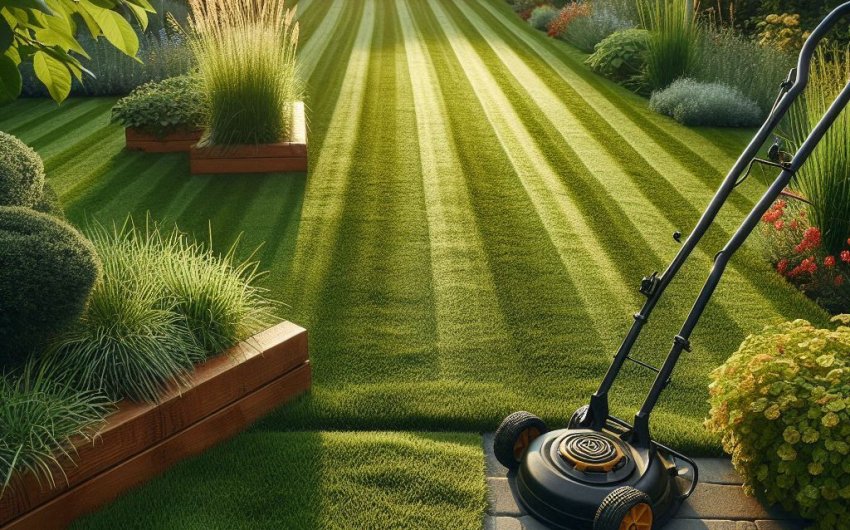
Avoiding lawn scalping during mowing is crucial for maintaining a healthy, vibrant lawn, preventing stress, disease, and weed invasion. The best practices involve understanding proper mowing heights for your grass type, maintaining your mower, and adapting your technique to your lawn's unique contours.
What is Lawn Scalping and Why is it Harmful?
Lawn scalping occurs when you cut grass blades too short, especially when you remove more than one-third of the blade length in a single mowing. This often results in patches of brown, stubbly grass, or even exposed soil.
- How it Happens:
- Mower Set Too Low: The most common cause, especially in spring.
- Uneven Terrain: Mowing over bumps or dips can cause the mower deck to dip and cut too low in spots.
- Dull Blades: Dull blades tear and rip grass, exacerbating the damage of a low cut.
- Infrequent Mowing: Allowing grass to get too tall, then attempting to cut it back to a very short height in one pass.
- Why it's Harmful to Your Lawn:
- Weakens Grass Plants: Grass plants store energy in their blades. Scalping removes too much of this photosynthetic surface, starving the plant and forcing it to use stored energy to recover, weakening it.
- Stresses the Root System: A weaker top corresponds to a weaker, shallower root system, making the grass more susceptible to drought and heat stress.
- Increases Weed Invasion: Bare or thinned spots created by scalping provide an ideal environment for weed seeds to germinate and thrive, as they face less competition from healthy turf.
- Promotes Disease: Stressed grass is more vulnerable to fungal diseases. The open wounds from tearing (especially with dull blades) are entry points for pathogens.
- Increases Water Evaporation: Exposed soil loses moisture more quickly, requiring more frequent watering.
- Unsightly Appearance: Scalped areas look brown, uneven, and unhealthy, detracting from your lawn's overall appeal.
Understanding the severe consequences of lawn scalping highlights the importance of proper mowing techniques for a healthy turf.
What is the "One-Third Rule" and Why is it Important?
The "One-Third Rule" is the golden rule of mowing and is central to avoiding lawn scalping during mowing.
- The Rule: Never remove more than one-third of the grass blade's total height in a single mowing session.
- Example: If you want your grass to be 3 inches tall, you should mow it when it reaches no more than 4.5 inches tall (3 inches / 0.66 = 4.5 inches). You're cutting off 1.5 inches, which is one-third of 4.5 inches.
- Why It's Important:
- Preserves Photosynthesis: By leaving two-thirds of the blade, you ensure the grass plant has enough leaf surface to efficiently perform photosynthesis, producing the energy it needs to grow and thrive.
- Maintains Energy Reserves: The plant isn't forced to deplete its energy reserves to recover from a drastic cut.
- Encourages Deep Roots: A healthy, vigorous top growth supports a robust and deep root system, making the grass more resilient to environmental stresses like drought and heat.
- Shades Soil: Taller grass shades the soil, keeping it cooler, reducing water evaporation, and suppressing weed germination.
- Reduces Stress: Minimizes stress on the grass plant, making it less susceptible to disease and pests.
Adhering to the "One-Third Rule" is the most fundamental practice for avoiding lawn scalping during mowing and ensuring your lawn's long-term health.
How Do You Determine the Ideal Mowing Height for Your Grass Type?
The "One-Third Rule" works in conjunction with knowing the ideal mowing height for your specific grass type. This is a critical step in avoiding lawn scalping during mowing.
1. Identify Your Grass Type
Most lawns consist of either cool-season or warm-season grasses.
- Cool-Season Grasses:
- Types: Kentucky Bluegrass, Tall Fescue, Fine Fescue, Perennial Ryegrass.
- Ideal Height: Generally 2.5 to 3.5 inches, or even higher (up to 4 inches) during periods of heat stress (summer). Mowing taller helps these grasses tolerate summer heat and competition from weeds.
- Growth Pattern: Grow best in temperatures between 60-75°F (15-24°C), actively growing in spring and fall.
- Warm-Season Grasses:
- Types: Bermuda Grass, Zoysia Grass, St. Augustine Grass, Centipede Grass.
- Ideal Height: Generally 1 to 2.5 inches, depending on the specific cultivar. Some types like Bermuda can tolerate very low cuts, but even then, avoid scalping.
- Growth Pattern: Grow best in temperatures between 75-95°F (24-35°C), actively growing in summer.
2. Adjust Mowing Height Seasonally
- Spring/Fall (Cool-Season Grasses): Mow at the lower end of their recommended range (e.g., 2.5-3 inches) to encourage denser growth.
- Summer (Cool-Season Grasses): Raise your mower height to the upper end (3.5-4 inches). Taller grass helps cool-season grasses survive heat and drought, and outcompete weeds.
- Summer (Warm-Season Grasses): Maintain their preferred height. These grasses are resilient to summer heat at their optimal cut.
- Winter (Warm-Season Grasses): If your warm-season grass goes dormant, you might cut it lower once in late fall to remove excess brown leaf matter, but avoid scalping the crowns.
3. Check Your Mower Deck
- Measure: Regularly measure the actual cutting height of your mower deck from a flat surface to the bottom of the blades. Don't just rely on the numbered settings, as they can vary between mowers.
- Level Deck: Ensure your mower deck is level from side to side and front to back. An uneven deck can cause scalping in stripes.
By knowing your grass type and adjusting your mower height accordingly, you implement one of the most effective strategies for avoiding lawn scalping during mowing.
What Mower Maintenance Tips Prevent Scalping?
Proper mower maintenance is crucial for avoiding lawn scalping during mowing, ensuring a clean cut and preventing stress on your grass.
1. Sharpen Mower Blades Regularly
- Problem with Dull Blades: Dull blades don't cut cleanly; they tear, rip, and shred grass blades. This creates ragged, open wounds that turn brown, stress the plant, and make it more susceptible to disease. It also looks unsightly.
- Frequency: Sharpen your mower blades at least once per season, or more frequently if you mow a large area, hit debris often, or notice ragged grass tips.
- How to Sharpen: Use a Lawn Mower Blade Sharpener Kit or a metal file. Ensure the blade is balanced after sharpening to prevent mower vibration. If uncomfortable, have a professional sharpen them.
- Extra Set: Have an extra set of sharpened blades on hand for quick swaps.
2. Level the Mower Deck
- Problem with Uneven Deck: An uneven mower deck will cut the grass shorter on one side or in patches, leading to scalping even if the overall height setting is correct.
- How to Check: Place your mower on a flat, level surface (like a garage floor). Measure the distance from the bottom of the cutting blade (or deck rim) to the ground at all four corners or points. Adjust the deck height mechanisms as needed to ensure the deck is level from side to side. Some mowers also require the front of the deck to be slightly lower than the rear.
- Consult Manual: Refer to your mower's owner's manual for specific instructions on how to level the deck.
3. Clean Under the Mower Deck
- Problem with Buildup: Clippings can accumulate under the mower deck, creating clumps that interfere with proper blade rotation and airflow. This can lead to uneven cuts, scalping, and striping.
- Frequency: Clean under the deck after every few mows, or after any particularly wet or heavy mowing session.
- How to Clean: Disconnect the spark plug wire (for gas mowers) or remove the battery (for electric mowers) for safety. Scrape off caked-on grass with a putty knife or Mower Deck Scraper.
4. Check Tire Pressure (for Riding Mowers)
- Problem: Uneven tire pressure, especially on riding mowers, can cause the mower deck to sit unevenly, leading to scalping.
- Solution: Regularly check and inflate tires to the recommended pressure.
Consistent mower maintenance is a proactive measure that goes hand-in-hand with proper height settings for avoiding lawn scalping during mowing.
How Can You Adapt Mowing Techniques to Prevent Scalping?
Your mowing technique itself plays a crucial role in avoiding lawn scalping during mowing, especially on uneven terrain or after periods of rapid growth.
1. Follow the "One-Third Rule" Strictly
- Frequent Mowing: The best way to adhere to this rule is to mow more frequently during periods of rapid growth (spring, heavy fertilization, plenty of rain). It's better to mow twice a week, taking off a small amount, than once every two weeks, scalping the lawn.
- No "Catching Up": If your grass has grown too tall (e.g., after vacation), don't try to cut it back to its ideal height in one go. Instead, make multiple passes over several days, raising the mower height for the first cut, then lowering it slightly for subsequent cuts until you reach your desired height.
2. Adjust Mowing Direction and Overlap
- Vary Patterns: Mow in different directions each time (e.g., north-south, then east-west, then diagonally). This prevents compacting the soil in the same tracks and helps the grass stand up for a more even cut.
- Overlap: Overlap each mowing pass by 2-4 inches to ensure complete coverage and prevent uncut strips.
3. Navigate Uneven Terrain Carefully
- Raise Mower on Bumps: As you approach a raised area (like a tree root or a subtle hump), slightly raise the front of your mower to avoid scalping the top.
- Lower Mower in Dips: As you approach a depression or dip, slightly lower the front of your mower to ensure an even cut and prevent the blades from missing the grass entirely.
- Diagonal Mowing on Slopes: On gradual slopes, mowing diagonally (across the slope) can help prevent scalping and provide more even results than mowing straight up and down. For safety, avoid mowing steep slopes horizontally, as this can cause the mower to tip.
- Fill Depressions: For persistent low spots that cause scalping, consider filling them gradually with a mixture of topsoil and sand, then reseeding.
4. Mow Dry Grass
- Avoid Wet Grass: Do not mow when the grass is wet. Wet grass clumps under the mower deck, clogs the blades, and leads to an uneven, often scalped, cut. It also stresses the grass and can spread disease.
5. Start High, Adjust Down (If Needed)
- Initial Cut: If you're unsure of the correct height or it's the first mow of the season, start with your mower at a higher setting. You can always make a second pass and lower it slightly if needed, but you can't put grass back on once it's scalped.
By consciously adapting your mowing techniques to your lawn's unique features, you effectively implement the best practices for avoiding lawn scalping during mowing.
How Does Scalping Impact Long-Term Lawn Health?
The consequences of lawn scalping extend far beyond a single unsightly mow, negatively impacting the long-term health and resilience of your turf.
1. Weakened Root System
- Energy Depletion: When too much of the grass blade is removed, the plant must divert energy from root development to regrow its leaves.
- Shallow Roots: Chronic scalping leads to a shallow, weak root system. Shallow roots make the grass highly vulnerable to:
- Drought Stress: Unable to access deeper soil moisture.
- Heat Stress: Less tolerant of high temperatures.
- Nutrient Deficiencies: Inefficient at absorbing nutrients from the soil.
2. Increased Susceptibility to Weeds
- Bare Spots: Scalping creates exposed patches of soil. Weed seeds, which are often present in the soil, readily germinate in these sunny, open areas without competition from dense turf.
- Weakened Competition: Even if not completely bare, scalped grass is weak and cannot effectively compete with aggressive weeds for water, nutrients, and sunlight. This often leads to a rapid increase in broadleaf weeds and crabgrass.
3. Increased Risk of Disease
- Stress: Scalped grass is stressed grass. Stressed plants have weaker natural defenses against diseases.
- Open Wounds: Ripped grass blades (especially from dull mower blades after scalping) create open wounds that are easy entry points for fungal pathogens.
- Sun Scorch: Exposing the tender crowns and underlying soil to intense sunlight can cause sun scorch, further weakening the grass and making it more susceptible to disease.
4. Higher Water Demands
- Evaporation: Shorter grass provides less shade for the soil. Exposed soil loses moisture more quickly through evaporation, leading to increased water demands.
- Runoff: If the soil becomes compacted due to constant exposure and foot traffic (a consequence of thin grass), water may run off rather than infiltrate, creating a vicious cycle of drought stress and erosion.
5. Unsightly and Patchy Lawn
- Aesthetic Impact: Continuously scalped areas remain brown, thin, and patchy, ruining the uniform, lush appearance of a healthy lawn. It will look perpetually unhealthy.
By consistently practicing proper mowing techniques and avoiding lawn scalping during mowing, you invest in the fundamental health of your lawn, promoting strong roots, dense growth, and natural resistance to common problems.
When Should You Consider Professional Help for Mowing Issues?
While most issues related to avoiding lawn scalping during mowing can be managed by the homeowner, there are situations where professional help might be beneficial or necessary.
- Severe Grading Problems: If your lawn has extreme undulations, very steep slopes, or significant drainage issues that consistently lead to scalping or uneven cuts, professional regrading by a landscape contractor might be the only permanent solution.
- Persistent Uneven Cuts: If, despite leveling your mower deck and consistently sharpening blades, you still get uneven cuts or scalping stripes, there might be a more complex mechanical issue with your mower that requires a small engine repair professional.
- Large, Complex Lawns: For very large properties or those with intricate landscaping, obstacles, or multiple turf types, professional lawn care services have the specialized equipment (e.g., zero-turn mowers designed for efficiency) and expertise to manage it effectively.
- Lack of Time or Equipment: If you simply don't have the time to mow frequently, perform detailed mower maintenance, or invest in a high-quality mower suitable for your lawn, hiring a reputable lawn care service can ensure your lawn is mowed properly.
- Diagnosing Lawn Health Issues: If your lawn is consistently struggling despite good mowing practices, a professional turf specialist or a local university extension agent can help diagnose underlying issues like soil compaction, nutrient deficiencies, or persistent disease problems.
- Initial Lawn Renovation: If your lawn is severely damaged from years of scalping or neglect and requires a complete overhaul (e.g., de-thatching, aerating, extensive overseeding), a professional service can streamline the process.
While the principles for avoiding lawn scalping during mowing are straightforward, knowing when to call in an expert ensures your lawn gets the specialized care it needs.
FAQs About Avoiding Lawn Scalping During Mowing
Here are common questions and answers about avoiding lawn scalping during mowing.
Can I fix a scalped lawn?
Yes, you can often fix a scalped lawn, but it takes time and proper care.
- Stop Scalping: Immediately adjust your mower height and follow the "One-Third Rule."
- Water Properly: Water deeply and infrequently to encourage deep root growth.
- Fertilize Gently: Avoid high-nitrogen fertilizers until the lawn recovers. A balanced, slow-release fertilizer or compost topdressing can help.
- Overseed: For severe bare patches, overseed with a high-quality grass seed to help fill in the gaps. Do this during the ideal seeding time for your grass type (fall for cool-season, late spring/early summer for warm-season).
- Patience: It can take several weeks or even months for a severely scalped lawn to fully recover.
What causes those brown stripes in my lawn after mowing?
Brown stripes after mowing are a classic sign of an uneven mower deck. When the deck is not level, one side or a certain section of the blade cuts the grass significantly shorter, leading to scalping in that stripe. This can also happen if tires on a riding mower have uneven pressure. Regularly checking and leveling your mower deck is the solution.
Should I bag grass clippings if I've scalped the lawn?
If you've scalped the lawn, especially severely, it's generally better to bag the clippings from the scalped areas. Scalped clippings are mostly stem material (less nutritious) and can add excessive thatch or unsightly clumps. However, once the lawn recovers and you're mowing at the correct height, leaving clippings (if they are short enough) is beneficial as they return nutrients to the soil.
Does mowing too often cause scalping?
No, mowing too often does not cause scalping; mowing too low causes scalping. In fact, mowing more frequently often helps prevent scalping, as it allows you to consistently adhere to the "One-Third Rule" by taking off only a small amount of grass each time. The less you remove per mow, the less likely you are to scalp.
Can a robotic lawn mower help avoid scalping?
Yes, robotic lawn mowers are excellent at avoiding scalping. They are designed to mow very frequently (often daily or every other day) and remove only tiny amounts of grass each time. This constant, light trimming inherently adheres to the "One-Third Rule," promoting dense, healthy turf with minimal stress and virtually eliminating scalping due to height issues. They also distribute very fine clippings back into the lawn.
My lawn has a lot of bumps and dips. How do I mow without scalping?
- Adjust Mower Height: Set your mower to the highest recommended height for your grass type to provide a larger buffer.
- Manual Adjustment: On very noticeable bumps, slightly lift the front of the mower as you go over them. In dips, slightly lower the front.
- Mow Diagonally: Mowing across undulations can sometimes provide a more even cut than going straight over them.
- Fill in Low Spots: For permanent solutions, gradually fill in low spots with a mixture of topsoil and sand over time, then reseed or allow grass to grow in. For significant bumps, you may need to level them.
Is it okay to cut the grass very short just once at the beginning of the season?
This practice, often called a "scalping cut" or "power rake cut," is sometimes done intentionally in warm-season grasses in early spring (before they green up) to remove dead winter growth and stimulate new spring growth. However, it should never be done on cool-season grasses, and even for warm-season grasses, it's a stressful event done only once and specifically to remove thatch, not for regular maintenance. For ongoing health, avoiding lawn scalping during mowing is always the best practice.
Mastering the art of avoiding lawn scalping during mowing is a fundamental skill for any homeowner seeking a vibrant, resilient, and beautiful lawn. It directly impacts your lawn's ability to withstand stress, fight off weeds and diseases, and thrive throughout the seasons.