
Tiny Titans: Harnessing Beneficial Insects for Pest Control
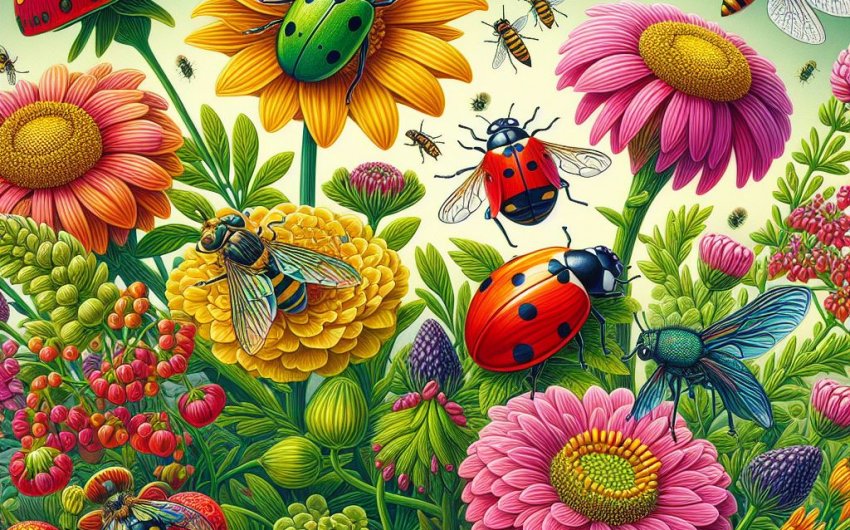
Harnessing beneficial insects for pest control is a powerful, eco-friendly strategy that taps into tiny titans of the insect world to protect your garden. This biological approach reduces reliance on chemical pesticides, creating a naturally balanced ecosystem where nature handles pest management. This guide explores how to attract, identify, and utilize these garden allies for a thriving, chemical-free space.
Why Are Beneficial Insects Your Garden's Best Allies?
Beneficial insects are invaluable allies in any garden, serving as nature's own pest control squad and vital pollinators. Embracing their presence transforms your garden into a balanced ecosystem where problems are managed naturally. Understanding why beneficial insects are your garden's best allies is the first step in harnessing beneficial insects for pest control and unleashing the power of these tiny titans.
What are the Dangers of Chemical Pesticides to Beneficial Insects?
The dangers of chemical pesticides to beneficial insects are profound and far-reaching, often undermining the very ecosystem they are intended to protect. These broad-spectrum chemicals rarely discriminate, killing indiscriminately and disrupting the delicate balance of your garden. Understanding these detrimental effects highlights why protecting these tiny titans is paramount for successful harnessing beneficial insects for pest control.
Here are the dangers of chemical pesticides to beneficial insects:
- Non-Selective Killing:
- Problem: Most conventional pesticides are designed to kill a wide range of insects, making them "non-selective." They don't differentiate between the harmful pests and the helpful beneficial insects.
- Impact: This means ladybugs, lacewings, parasitic wasps, and predatory mites are often killed along with aphids or cabbage worms.
- Disruption of the Food Web:
- Problem: Killing off beneficial insects removes the natural predators and parasites that keep pest populations in check.
- Impact: This can lead to a phenomenon called "secondary pest outbreaks," where a minor pest that was previously controlled by natural enemies suddenly explodes in numbers because its predators are gone.
- Reduced Pollination:
- Problem: Many pesticides are highly toxic to essential pollinators like bees (honeybees, bumblebees, solitary bees) and butterflies.
- Impact: This contributes to alarming declines in pollinator populations, which are vital for the reproduction of countless plants, including many fruits, vegetables, and wildflowers in your garden. Pesticides can kill them directly, impair their foraging ability, or disrupt their navigation.
- Delayed Toxicity (Residual Effects):
- Problem: Many chemical pesticides leave toxic residues on plants for days or even weeks.
- Impact: Beneficial insects and pollinators that visit these treated plants long after the initial application can still be poisoned.
- Disrupting Insect Behavior:
- Problem: Even sub-lethal doses of pesticides can impair the ability of beneficial insects to find food, mates, or lay eggs, reducing their effectiveness as biological controls.
- Pest Resistance:
- Problem: By killing off susceptible individuals, pesticides select for resistant pests. This forces the use of stronger or different chemicals, leading to a "pesticide treadmill."
- Impact: A healthy population of diverse beneficial insects provides a more sustainable and less prone-to-resistance form of pest management.
- Environmental Contamination:
- Problem: Pesticides can drift from the target area, leach into groundwater, or run off into waterways.
- Impact: Harms beneficial insects in surrounding ecosystems and aquatic life.
What are the Benefits of Using Beneficial Insects for Pest Control?
The benefits of using beneficial insects for pest control are vast, transforming your garden into a self-regulating, thriving ecosystem. This natural approach goes beyond simple bug removal, fostering a healthier environment for all living things. Understanding these advantages highlights why harnessing beneficial insects for pest control is such a powerful and sustainable strategy, leveraging the strength of these tiny titans.
Here are the benefits of using beneficial insects for pest control:
- Natural and Sustainable Pest Management:
- How it works: Beneficial insects (predators and parasitoids) are living, self-replicating pesticides. They actively hunt, consume, or parasitize pest insects.
- Benefit: Provides continuous, long-term pest control without constant manual intervention or chemical applications.
- Reduced Reliance on Chemical Pesticides:
- How it works: By letting nature do the work, you significantly decrease or eliminate the need for synthetic chemical sprays.
- Benefit: Creates a safer environment for your family, pets, and the wider ecosystem. Reduces exposure to harmful toxins and prevents pesticide runoff.
- Protects Pollinators:
- How it works: Unlike broad-spectrum chemical pesticides, attracting and supporting beneficial insects (many of which are also pollinators) ensures the survival of these vital garden helpers.
- Benefit: Supports bee and butterfly populations, which are crucial for pollinating your fruits, vegetables, and flowering plants, leading to better yields.
- Builds a Healthier Garden Ecosystem:
- How it works: Encourages biodiversity. A garden with a variety of insect life, including beneficials, is a balanced ecosystem that is more resilient to pest outbreaks.
- Benefit: Fosters healthy soil life, attracts birds, and creates a more vibrant and self-sustaining outdoor space.
- Prevents Pest Resistance:
- How it works: Pests rarely develop resistance to predators or parasites in the same way they do to chemical insecticides.
- Benefit: Offers a long-term solution that avoids the "pesticide treadmill."
- Cost-Effective in the Long Run:
- How it works: Once established, a thriving population of beneficial insects provides free pest control.
- Benefit: Reduces ongoing expenses for chemical pesticides and related equipment.
- Empowers the Gardener:
- How it works: Learning to attract and support beneficial insects deepens your understanding of ecological principles.
- Benefit: Provides a sense of accomplishment and connection to your garden's natural processes.
What Are the Key Types of Beneficial Insects?
To successfully implement harnessing beneficial insects for pest control, recognizing the key types of beneficial insects is essential. These tiny titans fall into categories of predators and parasitoids, each with specific hunting strategies and target pests. Understanding who's who in your garden's pest patrol empowers you to attract and utilize them effectively.
Who Are the Best Predatory Insects for Garden Pests?
Predatory insects are the frontline warriors in your garden's defense, actively hunting and consuming pest insects. These natural allies are indispensable when harnessing beneficial insects for pest control, providing continuous, chemical-free management. Understanding who the best predatory insects for garden pests are is crucial for unleashing these tiny titans against your unwanted invaders.
Here are the best predatory insects for garden pests:
- Ladybugs (Lady Beetles):
- Appearance: Adults are small, dome-shaped beetles, typically red or orange with black spots. Larvae are alligator-like, grayish-black with orange markings.
- Diet: Both adults and larvae are voracious predators of aphids, scale insects, mealybugs, whiteflies, and spider mites. A single ladybug larva can eat hundreds of aphids.
- How to Attract/Support: Plant dill, fennel, cilantro, cosmos, yarrow. Avoid broad-spectrum pesticides. You can buy live ladybugs for garden for release.
- Lacewings (Green and Brown):
- Appearance: Adults have delicate, lacy wings and are often green or brown. Larvae (sometimes called "aphid lions") are formidable, alligator-like creatures with large pincers.
- Diet: The larvae are fierce predators of aphids, mealybugs, thrips, spider mites, whiteflies, and small caterpillars. Adults of some species also prey on pests, while others feed on nectar/pollen.
- How to Attract/Support: Plant dill, dandelion, cosmos, sweet alyssum. Avoid pesticides. You can buy lacewing larvae for pest control for release.
- Hoverflies (Syrphid Flies):
- Appearance: Adults often mimic bees or wasps (black and yellow striped), but they have only one pair of wings and a characteristic hovering flight. Larvae are legless, green, or brown maggots.
- Diet: The larvae are extremely effective predators of aphids, consuming hundreds during their development. Adults feed on nectar and pollen.
- How to Attract/Support: Plant small-flowered plants like dill, fennel, sweet alyssum, marigolds. Avoid pesticides.
- Ground Beetles:
- Appearance: Usually dark, shiny beetles, often found under rocks or logs. Many are nocturnal.
- Diet: Feed on a wide range of garden pests, including slugs, snails, cutworms, cabbage maggots, cucumber beetle larvae, and armyworms.
- How to Attract/Support: Provide mulch, rocks, or logs for shelter. Avoid soil-disturbing pesticides.
- Predatory Mites:
- Appearance: Tiny, often translucent mites, difficult to see with the naked eye.
- Diet: Specific species target spider mites (red spider mites, two-spotted spider mites) and other small pests.
- How to Attract/Support: Maintain a diverse planting, avoid broad-spectrum pesticides. You can buy predatory mites for spider mites.
- Spiders:
- Appearance: Vary widely.
- Diet: Generalist predators that eat a vast array of insects.
- How to Attract/Support: Provide diverse habitats and avoid pesticides.
Who Are the Best Parasitoid Insects for Garden Pests?
Parasitoid insects represent another ingenious strategy in nature's arsenal for non-toxic pest control, offering highly targeted and effective management of specific pest populations. Unlike predators that consume multiple prey, parasitoids lay their eggs on or inside a single host, eventually killing it. Understanding who these tiny titans are is crucial for harnessing beneficial insects for pest control.
Here are the best parasitoid insects for garden pests:
- Parasitic Wasps (Braconid, Ichneumon, Chalcid Wasps):
- Appearance: Most are very tiny (some almost microscopic), often dark-colored, and go unnoticed by gardeners. They are not aggressive towards humans.
- How they Work: Female wasps lay their eggs on or inside specific host pests. The wasp larva hatches and feeds on the host, eventually killing it. The host often becomes "mummified" or shows distinctive signs of parasitism.
- Diet/Targets: Different species of parasitic wasps target a wide range of pests:
- Aphids: Tiny wasps lay eggs inside aphids, which then swell into brittle, tan or black "mummies."
- Caterpillars: Wasps lay eggs inside caterpillars (e.g., tomato hornworms often have white rice-like cocoons on their backs from Braconid wasps).
- Whiteflies: Some wasps parasitize whitefly nymphs.
- Scale Insects: Various wasps target different scale species.
- Cabbage Worms: Tiny wasps parasitize cabbage worm eggs.
- How to Attract/Support:
- Plant Nectar-Rich Flowers: Adults need small amounts of nectar and pollen for energy. Plant flowers with tiny, accessible blossoms (e.g., dill, fennel, cilantro, parsley, sweet alyssum, yarrow). A pollinator seed mix can help.
- Avoid Pesticides: Highly susceptible to chemical pesticides.
- Provide Water: Shallow water source.
- Buy and Release: Specific parasitic wasps (e.g., Trichogramma wasps for moth/butterfly eggs) can be purchased and released.
- Tachinid Flies:
- Appearance: Resemble houseflies but are often hairy and more robust.
- How they Work: Lay eggs on or near caterpillars, cutworms, armyworms, grasshoppers, and other pests. The larva burrows into the host and develops internally, killing it.
- Diet/Targets: Primarily various caterpillars, beetles, and grasshoppers.
- How to Attract/Support: Plant umbelliferous flowers (e.g., dill, carrots, parsley) and other small, nectar-producing flowers.
- Braconid Wasps (specific mention):
- Appearance: Tiny, dark, slender wasps.
- How they Work: Often responsible for the "mummified" aphids and the white cocoons seen on parasitized tomato hornworms.
- Diet/Targets: Aphids, various caterpillars, beetle larvae.
- How to Attract/Support: General nectar sources like sweet alyssum and dill.
Key Difference (Predators vs. Parasitoids):
- Predators: Actively hunt and consume multiple prey insects. (e.g., one ladybug eats many aphids).
- Parasitoids: Lay eggs on or in one host insect, which is eventually killed by the developing larva. (e.g., one parasitic wasp larva kills one aphid).
Both types are essential for creating a balanced garden ecosystem that keeps pests in check.
How Do You Attract and Keep Beneficial Insects in Your Garden?
To truly succeed at harnessing beneficial insects for pest control, actively attracting and keeping them in your garden is a foundational strategy. This involves creating a welcoming habitat that provides for their needs, ensuring they have consistent access to food, water, and shelter. Understanding these simple steps is key to unleashing your tiny titans for effective, natural pest management.
What are the Best Plants for Attracting Beneficial Insects?
Selecting the best plants for attracting beneficial insects is a cornerstone of non-toxic pest control, turning your garden into a natural magnet for these helpful allies. These plants provide the vital nectar, pollen, and shelter that beneficials need to thrive, forming the foundation of your pest management strategy. Choosing these plants helps you effectively harness beneficial insects for pest control.
Here are the best plants for attracting beneficial insects:
- Plants with Small, Flat-Topped Flowers (Umbellifers):
- Why: The tiny florets are perfectly sized for the small mouths of many beneficial insects, especially parasitic wasps and hoverflies, which feed on nectar and pollen.
- Examples:
- Dill (Anethum graveolens): Attracts parasitic wasps, ladybugs, lacewings.
- Fennel (Foeniculum vulgare): Attracts parasitic wasps and hoverflies.
- Cilantro/Coriander (Coriandrum sativum): When allowed to flower, attracts various beneficials.
- Parsley (Petroselinum crispum): Attracts hoverflies and parasitic wasps.
- Yarrow (Achillea millefolium): Attracts ladybugs, parasitic wasps, predatory mites.
- Action: Allow some herbs to "bolt" (go to flower) to provide these resources.
- Daisy-Like Flowers (Composites):
- Why: Offer a landing platform and a central disc of accessible nectar and pollen.
- Examples:
- Cosmos (Cosmos bipinnatus): Attracts ladybugs, lacewings, hoverflies.
- Marigolds (Tagetes species): Attracts hoverflies and some parasitic wasps.
- Sunflowers (Helianthus annuus): Attracts a wide range of beneficials and pollinators.
- Echinacea (Coneflower): Attracts hoverflies and predatory wasps.
- Chamomile (Matricaria chamomilla): Attracts beneficial wasps and flies.
- Alyssum (Lobularia maritima, Sweet Alyssum):
- Why: Produces masses of tiny, fragrant white or purple flowers, an excellent groundcover or border plant for beneficials.
- Examples: 'Snow Princess' (a common variety).
- Action: Plant around the base of vegetable plants.
- Mint Family Plants (Lamiaceae):
- Why: Many members of the mint family produce small flowers attractive to bees and wasps.
- Examples: Mint, oregano, thyme, basil, catnip.
- Action: Grow in containers to control spread.
- Legumes (Peas, Beans, Clover):
- Why: Some legumes attract beneficials. Clover, in particular, is a great low-growing option.
- Examples: Crimson clover, white clover (can be planted as a lawn alternative or in specific areas). A white clover seed mix can create a beneficial groundcover.
- Native Plants:
- Why: Native plants are naturally adapted to your local ecosystem and are often the best food sources and habitats for native beneficial insects.
- Action: Research native plants for your region that are known to attract beneficials.
General Tips for Planting for Beneficials:
- Diversity is Key: Plant a wide variety of flowers with different bloom times and flower shapes to provide continuous resources throughout the season.
- Mass Plantings: Plant in larger patches rather than single scattered plants to make them more attractive.
- Avoid Pesticides: Absolutely critical. Even "organic" pesticides can harm beneficials.
What are Essential Habitat Elements for Supporting Beneficial Insects?
Beyond providing food, creating essential habitat elements for supporting beneficial insects is crucial for harnessing beneficial insects for pest control. These elements offer shelter, breeding grounds, and protection from the elements, encouraging these tiny titans to take up permanent residence in your garden. Understanding these needs is key to fostering a thriving, naturally balanced ecosystem.
Here are essential habitat elements for supporting beneficial insects:
- Water Source:
- Why: Just like other living creatures, insects need water.
- How to provide: A shallow dish filled with pebbles or marbles (to provide landing spots and prevent drowning), a birdbath, or a small pond.
- Undisturbed Areas / Shelter:
- Why: Many beneficial insects need places to hide, rest, overwinter, or lay eggs, especially during adverse weather or between hunting expeditions.
- How to provide:
- Mulch: A layer of organic mulch (wood chips, straw) provides shelter for ground beetles and other soil-dwelling beneficials.
- Leaf Litter: Leaving a small, undisturbed pile of leaves in a corner of your garden can provide overwintering sites.
- Brush Piles: A small pile of branches or twigs.
- Tall Grass/Native Plant Patches: Areas of unmowed grass or native plants offer refuge.
- Insect Hotels / Bug Houses:
- Why: Specifically designed structures to provide shelter and nesting sites for beneficial insects like solitary bees, lacewings, and some parasitic wasps.
- How to provide: You can purchase or DIY a bug hotel made from hollow stems, drilled wood blocks, or straw.
- Bare Soil Patches:
- Why: Some beneficial insects, particularly ground-nesting solitary bees, need patches of bare, unmulched soil for nesting.
- How to provide: Leave a few small, sunny areas of bare ground.
- Diversity of Plants:
- Why: A wide variety of plants creates a complex habitat with different microclimates, foliage types, and hiding spots, supporting a greater diversity of beneficial insects.
- How to provide: Mix flowers, herbs, vegetables, and small shrubs.
How Do You Incorporate Beneficial Nematodes for Pest Control?
To address soil-dwelling pests with a powerful, non-toxic alternative to chemical pesticides, incorporating beneficial nematodes for pest control is an advanced yet accessible strategy. These microscopic tiny titans provide a biological solution that specifically targets harmful larvae in the soil without harming other organisms. Understanding their application is key to effectively harnessing beneficial insects for pest control.
What are Beneficial Nematodes and Which Pests Do They Target?
Beneficial nematodes are microscopic, unsegmented roundworms that are naturally occurring in soil, serving as potent biological agents in nature's arsenal for non-toxic pest control. Unlike harmful plant-parasitic nematodes, these specific species are allies in your garden, targeting a range of destructive soil-dwelling insects. Understanding what beneficial nematodes are and which pests they target is key to effective use.
What are Beneficial Nematodes?
- Microscopic Allies: They are tiny, thread-like worms, typically invisible to the naked eye.
- Naturally Occurring: Found naturally in healthy soils worldwide.
- Host Specific: Different species of beneficial nematodes (e.g., Steinernema carpocapsae, Heterorhabditis bacteriophora) are more effective against specific types of insect pests.
- How They Work (Mechanism):
- Seek and Infect: The infective juvenile stage of the nematode actively searches for suitable insect larvae or pupae in the soil.
- Enter Host: Once a host is found, the nematode enters its body, usually through natural openings (mouth, anus, spiracles).
- Release Bacteria: Inside the host, the nematode releases symbiotic bacteria. These bacteria multiply rapidly and kill the insect host within 24-48 hours.
- Reproduce: The nematodes feed on the bacteria and the decaying host, reproduce, and then new generations of infective juveniles emerge from the dead host to seek out new prey.
Which Pests Do Beneficial Nematodes Target?
Beneficial nematodes are primarily effective against soil-dwelling insect larvae (grubs) and some surface-feeding caterpillars during their larval stage. They are generally ineffective against adult insects or pests that primarily feed above ground.
Key Target Pests (by common nematode species available to homeowners):
- Grubs:
- Japanese Beetle Grubs: Very effective.
- European Chafer Grubs
- Oriental Beetle Grubs
- Masked Chafer Grubs
- Billbug Larvae: (The C-shaped grubs with brown heads, common in turf).
- Flea Beetle Larvae
- Cutworms
- Armyworms and Sod Webworms: While these caterpillars feed on the surface, their early larval stages can sometimes be reached by nematodes, or they may hide in thatch/soil.
- Fungus Gnat Larvae: Especially useful for indoor plants or greenhouses.
- Mole Crickets
- Thrips Pupae: In the soil.
What They Don't Target (and are safe for):
- Humans and Pets: Completely harmless.
- Plants: Do not parasitize plants.
- Earthworms: Harmless.
- Beneficial Insects: Generally safe for adult beneficial insects, pollinators, and ladybugs.
- Adult Pests: Not effective against adult beetles, moths, or flying insects.
- Above-Ground Pests: Less effective against pests that remain on foliage (e.g., aphids, spider mites).
Purchasing: You can buy beneficial nematodes for grub control online or at garden centers. They typically come as a sponge or powder mixed with water.
How Do You Apply Beneficial Nematodes Effectively?
To ensure the success of your non-toxic pest control strategy, knowing how to apply beneficial nematodes effectively is critical. These living organisms require specific environmental conditions and handling to thrive and effectively target pests. Following these precise steps is key to harnessing beneficial insects for pest control and unleashing the power of these tiny titans in your garden.
Step-by-Step Guide to Applying Beneficial Nematodes Effectively:
- Choose the Right Nematode Species:
- Action: Ensure you've purchased the correct nematode species for the specific pest you're targeting (e.g., Heterorhabditis bacteriophora for grubs is common).
- Why: Different species are effective against different pests.
- Timing is Crucial:
- Action: Apply when the target pests (e.g., grubs) are in their vulnerable, actively feeding larval stage, and when soil temperatures are within the nematode's optimal range (typically 60-90°F or 15-32°C).
- For Grubs: Usually late summer to early fall (August-September) is best in many regions, as young grubs are feeding close to the surface.
- Why: Nematodes are living organisms; they won't survive or be effective outside their temperature range or if pests aren't present.
- Order and Store Correctly:
- Action: Order nematodes from a reputable supplier. They typically arrive as a perishable product in a sponge or powder. Store immediately in the refrigerator (not freezer) until ready to use.
- Why: They are living organisms with a limited shelf life.
- Prepare the Lawn/Soil:
- Action:
- Mow: Mow your lawn to its normal height beforehand.
- Water: Thoroughly water the area to be treated before application. The soil needs to be moist (but not waterlogged) for nematodes to move freely.
- Why: Dry soil inhibits nematode movement and survival.
- Action:
- Mix the Nematodes:
- Action: Follow the package directions precisely. Typically, you mix the nematode concentrate with water in a bucket. Ensure it's not tap water with high chlorine (let tap water sit out overnight, or use filtered water).
- Why: Chlorine can harm nematodes. Proper mixing ensures even distribution.
- Consideration: Use all nematodes within a few hours of mixing.
- Apply Evenly:
- Action: Apply using a clean hose-end sprayer, a pump sprayer with a coarse nozzle, or a watering can.
- Why: A fine mist sprayer can damage nematodes. Even application ensures full coverage. Keep the solution agitated occasionally during application to prevent nematodes from settling.
- Water In After Application (Crucial!):
- Action: Immediately after application, water the treated area thoroughly and lightly for 15-20 minutes.
- Why: This washes the nematodes off the foliage and into the soil, where they can reach their target pests. It's essential for their survival and mobility.
- Maintain Moisture:
- Action: Keep the treated soil moist for at least 7-10 days after application.
- Why: Nematodes need moisture to survive and move through the soil in search of pests.
- Apply in the Evening or on a Cloudy Day:
- Action: Nematodes are sensitive to UV light and dehydration. Apply during cooler parts of the day, preferably late afternoon/evening or on an overcast day.
- Why: Maximizes their survival rate.
By actively harnessing beneficial insects for pest control, you tap into the incredible power of these tiny titans to create a thriving, resilient garden. This comprehensive approach, encompassing the attraction and protection of natural predators and parasitoids, combined with the strategic application of beneficial nematodes, provides highly effective, non-toxic alternatives to chemical pesticides. Embracing nature's arsenal cultivates a balanced ecosystem where pests are managed sustainably, ensuring a healthy and vibrant outdoor space for all.