
What Are the Benefits of Modular Garden Furniture?
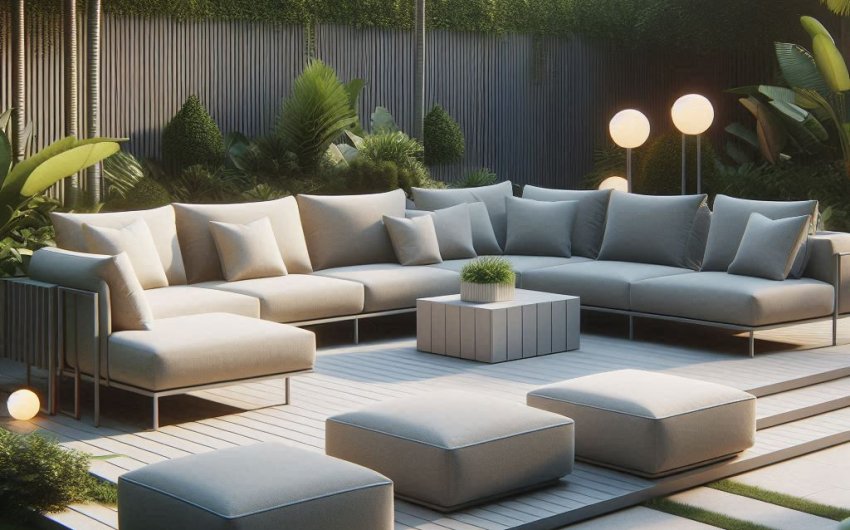
Modular garden furniture offers unparalleled versatility and adaptability, allowing you to reconfigure your outdoor living space to suit different occasions, guest numbers, and seasonal needs. Its primary benefit lies in its flexibility, making it a smart investment for evolving lifestyles and diverse outdoor areas.
Why is Modular Garden Furniture a Smart Choice?
In today's dynamic world, outdoor spaces are no longer static. They need to adapt. Modular garden furniture provides a solution that traditional, fixed outdoor sets simply cannot match, giving you the freedom to redesign and optimize your patio, deck, or garden with ease.
What are the Core Advantages of Modular Design?
- Unmatched Versatility and Flexibility: This is the hallmark of modular furniture. Individual pieces can be moved, combined, or separated to create various configurations, from a large sectional for entertaining to separate seating areas for intimate conversations.
- Adaptability to Changing Needs: As your family grows, your entertaining style shifts, or you simply want a fresh look, modular furniture can adapt without needing to purchase entirely new sets.
- Space Optimization: Ideal for both large and small spaces. In small areas, you can create compact seating; in large areas, you can define multiple zones or a sprawling lounge.
- Cost-Effectiveness Over Time: While the initial investment might seem similar to traditional sets, the longevity and adaptability of modular pieces often make them more cost-effective as you avoid replacing entire sets when needs change.
- Easy Storage and Transport: Individual components are often lighter and easier to move, store, or transport than bulky traditional sofas or large tables.
- Customization: You can mix and match components, add or subtract pieces, and choose different cushion fabrics to create a look that is uniquely yours.
- Easy Repair and Replacement: If one module gets damaged, you can often replace just that single piece rather than the entire set.
What is the Versatility of Modular Garden Furniture?
The true power of modular garden furniture lies in its ability to transform. You're not just buying a sofa; you're buying building blocks that can become many different things.
How Can Modular Furniture Transform Your Outdoor Space?
- Dynamic Seating Arrangements:
- Large Sectional: Combine multiple seating modules (e.g., corner pieces, armless chairs, ottomans) to create a sprawling L-shaped or U-shaped sectional, perfect for large gatherings and ultimate lounging.
- Multiple Conversation Nooks: Separate modules to create several smaller seating groups, ideal for different conversations or activities simultaneously.
- Daybed/Lounge: Push two ottomans together with a few armless chairs to form a comfortable outdoor daybed for solo relaxation or napping.
- Individual Chairs: Use single armless chairs as standalone seating when you need extra spots in a pinch.
- Adapting to Guest Numbers:
- Small Gathering: Use a compact sofa and an ottoman.
- Larger Party: Easily pull out extra armless chairs, convert an ottoman into a temporary seat, or rearrange your sectional to accommodate more guests.
- Integrating Dining and Lounging:
- Many modular sets offer pieces at different heights or with adaptable features. You can have a low-slung lounge area for relaxation and then add higher components or a modular table section to create a casual dining space when needed.
- Optimizing Awkward Spaces:
- Modular pieces can be fitted into unconventional corners, along curved walls, or around existing features like fire pits or built-in planters where traditional fixed furniture wouldn't work.
- Seasonal Changes:
- In summer, a large lounge area for entertaining.
- In cooler months, you might reconfigure into a tighter, more intimate grouping closer to a fire pit or outdoor heater.
- For winter storage, individual pieces are easier to move and stack.
How Does Modular Furniture Optimize Space?
Whether you have a sprawling backyard or a compact balcony, modular garden furniture excels at making the most of every square foot. It's about smart design that respects your available area.
Maximizing Space with Modular Design
- For Small Spaces (Balconies, Small Patios):
- Compact Configurations: You can opt for just two corner pieces and an ottoman to create a snug L-shaped sofa that fits neatly into a corner, leaving valuable floor space open.
- Multi-functional Pieces: Ottomans can serve as extra seating, a footrest, or a coffee table. Some modules even include hidden storage, like a storage ottoman.
- Verticality: While less common for seating, some modular systems incorporate shelving or planter modules to add vertical interest and function.
- Easy Storage: Smaller, lighter individual pieces are simpler to move indoors or stack compactly when not in use, especially for winter storage.
- For Large Spaces (Decks, Extensive Gardens):
- Defining Zones: Use modular sections to clearly delineate different areas – a large lounge for relaxing, a smaller conversation area, or even a casual dining spot.
- Creating Flow: Arrange modules to guide movement through the space, creating natural pathways.
- Central Features: Build your modular furniture around a focal point like a fire pit, water feature, or outdoor kitchen island.
- Seamless Expansion: If your outdoor living area expands, you can simply purchase additional modules to integrate into your existing set, rather than needing to buy an entirely new, matching set. This ensures a cohesive look as your space grows.
How Does Modular Furniture Offer Cost-Effectiveness and Investment Value?
While the initial price point for modular garden furniture might seem similar to traditional sets, its long-term value, adaptability, and resilience often make it a more economical and sustainable investment.
Long-Term Financial Benefits
- Avoidance of Full Replacement: One of the biggest cost savings comes from the ability to adapt rather than replace. If your needs change (e.g., you move to a larger home, your family grows), you don't need to buy a whole new furniture set. You can simply add or subtract modules.
- Targeted Repair/Replacement: If one piece is damaged (e.g., a cushion tears, a frame gets dinged), you can often replace just that single module or cushion rather than having to scrap an entire sofa or set. This saves money on parts and labor.
- Durability and Longevity: Many modular garden furniture sets are designed with durable materials (e.g., powder-coated aluminum, all-weather wicker, marine-grade fabrics) because they are intended for long-term outdoor use and frequent reconfigurations. This built-in quality means less frequent replacement.
- Increased Property Value (Outdoor Living): A well-designed, adaptable, and attractive outdoor living space can significantly enhance the appeal and value of your home. Modular furniture contributes to this by allowing you to create a high-quality, customized outdoor area.
- Reduced Waste: By allowing for adaptation and piece-by-piece replacement, modular furniture aligns with more sustainable practices, reducing waste in landfills compared to discarding entire sets.
- Phased Investment: You can start with a basic configuration (e.g., two armless chairs and a corner piece) and add more modules over time as your budget allows or your needs evolve. This makes it a flexible financial commitment.
What Materials are Best for Modular Garden Furniture?
The choice of materials is crucial for the durability, appearance, and maintenance of your modular garden furniture, especially given its outdoor exposure and potential for frequent rearrangement.
Common and Recommended Materials
| Material Type | Pros | Cons | Best For | Recommended Maintenance |
|---|---|---|---|---|
| All-Weather Wicker (Resin) | Durable, weather-resistant, UV-resistant, lightweight, easy to clean, wide range of styles/colors. | Can fade over extreme long term if not high quality, cheaper versions may crack. | Most outdoor settings, especially those needing a traditional woven look with modern durability. | Wipe with damp cloth, mild soap. Cover in winter. |
| Powder-Coated Aluminum | Lightweight, rust-proof, strong, modern aesthetic, low maintenance. | Can get hot in direct sun, may scratch if abused. | Contemporary designs, areas needing easy portability, highly durable frames. | Wipe clean. Touch up scratches. |
| Teak Wood | Extremely durable, naturally weather-resistant, beautiful grain, develops lovely silver patina over time. | High initial cost, requires occasional oiling to maintain original color (otherwise grays), heavy. | Luxury outdoor spaces, classic aesthetic, long-term investment. | Clean regularly. Oil annually for golden color. Allow to naturally gray. |
| Recycled Plastic/HDPE | Very durable, weather-proof, colorfast, often heavy (stable), eco-friendly, no maintenance. | Can look less "natural" than wood/wicker, less common for complex modular designs. | Casual, durable settings, often found in Adirondack chairs or simplified modular benches. | Wipe clean with soap and water. |
| Stainless Steel | Highly resistant to rust (marine grade), very strong, sleek, modern. | Can be very expensive, requires specific cleaning to avoid tea staining (rust spots from salt/chlorine). | Contemporary, high-end settings, especially near pools or coastlines (ensure marine grade). | Clean with stainless steel cleaner. |
| Outdoor Fabrics (Cushions) | UV-resistant, water-resistant, mold-resistant, fade-resistant, quick-drying. | Can be expensive, still require occasional cleaning and winter storage. | Any modular seating for comfort and style. | Spot clean or machine wash covers (if removable). Store indoors in winter. You can find outdoor cushion fabric if you need to replace. |
How Does Modular Furniture Offer Customization and Personalization?
One of the most exciting aspects of modular garden furniture is the sheer degree of personalization it allows. You're not just buying a set; you're curating a collection of pieces that truly reflects your style and meets your specific needs.
Unleashing Your Creative Vision
- Mix-and-Match Components:
- Seating Varieties: Combine different types of seating modules: armless chairs, corner units, left-arm or right-arm facing sections, and ottomans. This creates the exact shape and size you desire.
- Tables: Integrate modular coffee tables or side tables that slot perfectly between seating sections or can stand alone. Some systems even have higher dining-height modules.
- Storage Modules: Some advanced modular systems include built-in storage units that can be inserted into the configuration, offering hidden space for cushions or garden tools.
- Planter Modules: A unique feature in some sets, allowing you to seamlessly integrate greenery directly into your furniture arrangement.
- Color and Fabric Choices:
- Frame Colors: Choose from a range of frame colors (e.g., black, gray, white, natural wood tones) to match your existing outdoor aesthetic.
- Cushion Fabrics: This is where you can truly express yourself. Modular sets often come with a wide selection of outdoor cushion fabrics.
- Solids: Opt for timeless neutrals or bold pops of color.
- Patterns: Introduce stripes, geometrics, or florals for visual interest.
- Texture: Vary textures with different weaves or materials for depth.
- You can buy replacement outdoor cushions to change your look entirely without replacing the frames.
- Accessorizing for Your Style:
- Throw Pillows: Add decorative outdoor throw pillows in contrasting colors or patterns to further personalize the look and add comfort.
- Outdoor Rugs: Define your modular seating area with an outdoor rug that complements your chosen colors and style.
- Lighting: Integrate outdoor lighting (e.g., solar-powered lanterns, string lights) to enhance the ambiance.
- Planters and Greenery: Place potted plants strategically to break up the furniture lines and add natural elements.
How Does Modular Furniture Make Storage and Maintenance Easier?
Despite its size when configured, modular garden furniture often simplifies storage and maintenance due to its individual components and thoughtful design.
Practicalities of Ownership
- Easier Winter Storage:
- Disassembly: Individual modules are much easier to lift, move, and stack than a single, bulky outdoor sofa. This is especially beneficial if you store furniture indoors during harsh winters.
- Compact Stacking: Many designs allow modules to nest or stack efficiently, taking up less storage space in a garage, shed, or storage unit.
- Simplified Cleaning:
- Individual Pieces: Cleaning spills or dirt from a single module is easier than wrestling with an entire, heavy sofa.
- Removable Covers: Most quality modular garden furniture comes with removable, washable cushion covers. This makes cleaning spills or seasonal refresh a breeze; simply zip them off and machine wash according to instructions. Look for easy-clean outdoor fabrics.
- Targeted Repairs: If a module is damaged, you can simply unclip it and move it for repair, or order a single replacement, rather than needing to repair or discard an entire, cumbersome unit.
- Protecting Your Investment:
- Furniture Clips: Many modular sets come with or offer furniture clips that hold the sections together, preventing them from sliding apart during use.
- Covers: Investing in a good quality outdoor furniture cover for your modular set (or individual covers for specific pieces) will significantly extend its lifespan by protecting it from rain, UV rays, dirt, and debris.
What Should You Consider When Buying Modular Garden Furniture?
To ensure you reap all the benefits of modular garden furniture, thoughtful consideration during the buying process is essential. Not all sets are created equal.
Key Buying Considerations
- Materials and Durability:
- As discussed, choose materials appropriate for your climate and desired longevity. Prioritize weather-resistant frames (aluminum, treated teak, all-weather wicker) and fade/water-resistant fabrics (e.g., Sunbrella, solution-dyed acrylics) for cushions.
- Comfort:
- Don't compromise on comfort. Test out the seating if possible. Check cushion thickness, foam density, and fabric feel. Remember, you'll be spending hours relaxing here.
- Dimensions and Scale:
- Measure your outdoor space carefully. Map out potential configurations to ensure the modules fit and leave enough room for pathways and other activities. Consider the height of the backrests and seat depth.
- Connection Mechanism:
- How do the modules connect? Look for sturdy, easy-to-use clips or connectors that securely hold pieces together but also allow for easy reconfiguration. You can often buy universal furniture clips separately if a set doesn't include them.
- Weight:
- Consider how often you plan to reconfigure. Lighter materials like aluminum or all-weather wicker are easier to move than heavy solid wood or wrought iron.
- Drainage:
- Check if the cushions and frames allow for proper water drainage to prevent mildew and rot. Fast-drying foam is a plus.
- Availability of Additional Modules:
- If you plan to expand your set over time, confirm that individual modules are available for separate purchase, and check for how long the specific line will be stocked by the retailer.
- Customer Reviews:
- Read reviews from other buyers regarding durability, ease of assembly, comfort, and how well the modular connections hold up over time.
- Warranty:
- A good warranty indicates the manufacturer's confidence in their product's quality and durability.
The benefits of modular garden furniture are clear: unparalleled flexibility, intelligent space optimization, long-term cost-effectiveness, and extensive customization options. By investing in a well-chosen modular set, you create an outdoor living area that perfectly adapts to your lifestyle, now and for years to come, truly making your garden an extension of your home.