
How Can I Clean and Care for My Outdoor Cushions?
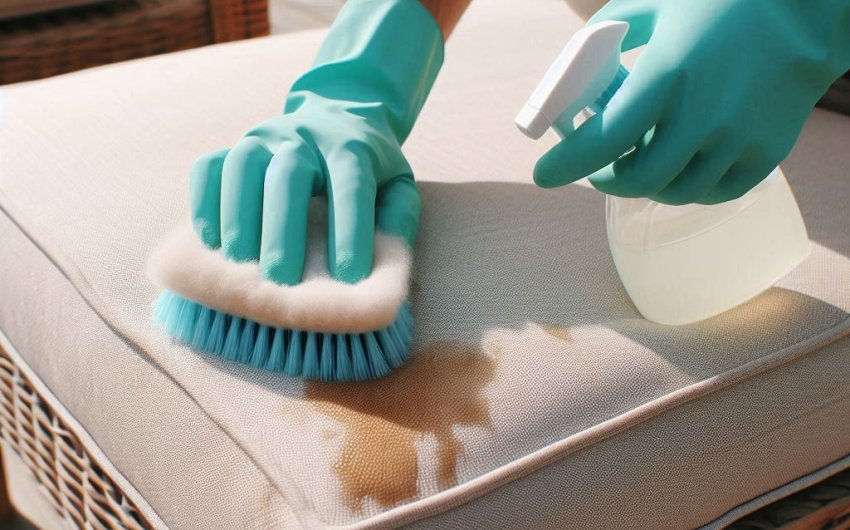
Your outdoor living space is an extension of your home, a place for relaxation, entertaining, and enjoying the fresh air. And nothing makes an outdoor area more inviting and comfortable than plush outdoor cushions. They add a pop of color, provide cozy seating, and complete the look of your patio furniture. But unlike indoor cushions, these hardworking textiles are constantly exposed to the elements: sun, rain, pollen, dirt, tree sap, bird droppings, and even the occasional spilled drink. Over time, all this exposure can leave your beautiful outdoor cushions looking dingy, stained, and a bit worse for wear.
Ignoring dirty cushions isn't just an aesthetic issue; accumulated grime can lead to mold and mildew, shortening the lifespan of your cushions and even posing health concerns. The good news is, bringing your outdoor cushions back to life is easier than you might think! With a little know-how and some simple cleaning and care routines, you can keep them looking fresh, vibrant, and ready for countless hours of outdoor enjoyment. Let's dive into the essential tips for cleaning and caring for your outdoor cushions, ensuring they stay lovely season after season.
Why Is Cleaning and Caring for Outdoor Cushions Important?
It might seem like just a chore, but regularly cleaning and properly caring for your outdoor cushions offers significant benefits that extend beyond just a pretty patio. It's about protecting your investment, ensuring comfort, and maintaining a healthy outdoor environment.
What Happens If I Don't Clean My Outdoor Cushions?
Ignoring the dirt and grime on your outdoor cushions can lead to several unpleasant and costly problems.
- Mold and Mildew Growth: This is the biggest issue. Outdoor environments are often damp, especially after rain or during humid periods. Accumulated dirt, pollen, and organic debris on cushion fabric create the perfect breeding ground for mold and mildew.
- Unpleasant Appearance: Mold and mildew appear as black, green, or white fuzzy spots and unsightly stains that are difficult to remove once deeply set.
- Foul Odor: They produce a musty, unpleasant smell that can permeate your entire outdoor space.
- Fabric Damage: Over time, mold and mildew can actually degrade the fabric fibers, weakening them and leading to tears or disintegration, significantly shortening the lifespan of your cushions.
- Health Concerns: For some individuals, mold and mildew spores can trigger allergies, respiratory issues, or other health problems.
- Permanent Staining: Spills (food, drinks, sunscreen), tree sap, bird droppings, and rust stains (from metal furniture) can quickly become permanent if not cleaned promptly. The longer they sit, the harder they are to remove, eventually ruining the appearance of the cushion.
- Deterioration from UV Rays: While many outdoor cushions are made with fade-resistant fabrics, prolonged exposure to harsh UV rays (sunlight) will still cause colors to fade over time. Dirt and grime on the surface can sometimes accelerate this process by trapping heat.
- Reduced Comfort and Appeal: Dirty, stained, and smelly cushions are simply uninviting. They detract from the beauty of your outdoor space and make it less enjoyable to relax in. Who wants to sit on a dingy, potentially moldy cushion?
- Shorter Lifespan and Increased Costs: All of the above problems combine to drastically shorten the lifespan of your outdoor cushions. You'll end up needing to replace them more frequently, leading to unnecessary expenses.
In short, neglecting your outdoor cushions turns them into a breeding ground for unpleasantness, costs you money, and diminishes the comfort and beauty of your outdoor oasis.
What Are the Benefits of Regular Outdoor Cushion Care?
Conversely, putting a little effort into regular cleaning and care provides a wealth of advantages, ensuring your cushions look great and last longer.
- Extended Lifespan: This is the most significant benefit. Regular cleaning, proper storage, and protection from harsh elements significantly extend the life of your cushions, saving you money on replacements.
- Maintained Appearance and Vibrancy: Clean cushions look vibrant and fresh, keeping your outdoor furniture looking inviting and well-maintained. Colors stay brighter for longer, and patterns remain crisp.
- Prevention of Mold and Mildew: Consistent cleaning removes the organic matter and moisture that mold and mildew need to grow, drastically reducing their occurrence. Proper drying is also key here.
- Odor Control: Eliminating mold, mildew, and accumulated grime removes unpleasant musty or sour odors, ensuring your outdoor space smells fresh and clean.
- Enhanced Comfort and Hygiene: Clean cushions are more enjoyable to sit on. Knowing they're free from dirt, allergens, and microbial growth adds to your comfort and peace of mind.
- Protection Against Stains: Promptly addressing spills and regularly cleaning prevents stains from setting in, preserving the fabric's original look.
- Improved Water Resistance: Many outdoor fabrics have a water-resistant coating. Keeping the fabric clean helps maintain this coating's effectiveness.
- Increased Property Value/Curb Appeal: A well-maintained outdoor living area, complete with clean, inviting cushions, boosts the overall appeal and value of your home.
Regular care for your outdoor cushions is a simple investment that pays off in sustained beauty, comfort, and longevity for your outdoor living space.
What Supplies Do I Need to Clean Outdoor Cushions?
Before you start scrubbing, gathering the right supplies will make the cleaning process much more efficient and effective. You likely have many of these items already!
Basic Cleaning Supplies for Most Outdoor Cushions
These are the essentials for a general clean of most outdoor fabrics.
- Soft Brush or Sponge: A soft-bristled brush (like a car detailing brush or even a scrub brush with soft bristles) or a large sponge is ideal for scrubbing away dirt without damaging the fabric. Avoid stiff wire brushes or anything too abrasive.
- Mild Liquid Soap: A gentle, pH-neutral soap is best for most outdoor fabrics. Options include:
- Dish Soap: Regular, liquid dish soap (like Dawn or Palmolive) is often effective and readily available. Look for a mild, unscented variety if possible.
- Laundry Detergent: A mild, liquid laundry detergent without bleach is another good option.
- Specialized Outdoor Fabric Cleaner: Many brands offer cleaners specifically designed for outdoor fabrics like Sunbrella. These are often concentrated and formulated to protect fabric coatings.
- Warm Water: You'll need a source of warm water, either from a bucket or a garden hose with a spray nozzle.
- Hose with Spray Nozzle: Essential for rinsing the cushions thoroughly. A garden hose nozzle with various spray patterns works best.
- Buckets: At least two buckets – one for your cleaning solution and one for rinse water (if you're not using a hose).
- Old Towels or Microfiber Cloths: For blotting or wiping cushions.
- Gloves (Optional): To protect your hands from cleaning solutions.
Specific Supplies for Mold and Mildew or Tough Stains
If you're tackling tougher problems, you'll need a few extra tools and solutions.
- Bleach (with extreme caution and dilution!): For severe mold and mildew on bleach-safe fabrics (like acrylic fabrics such as Sunbrella, often labeled as bleach-cleanable). Always test a small, inconspicuous area first.
- Mixing Ratio: A common solution is 1/4 cup of chlorine bleach per gallon of water, with a squirt of mild dish soap.
- DO NOT USE ON NON-BLEACH SAFE FABRICS (e.g., printed polyesters) as it will cause permanent fading or damage.
- Oxygen Bleach/Oxy Clean: A safer alternative to chlorine bleach for many fabrics, especially those not compatible with chlorine bleach. It's a powder that releases oxygen when mixed with water. Look for oxygen bleach for fabrics.
- White Vinegar: A natural disinfectant and deodorizer, effective for light mold/mildew or general freshening. Mix with equal parts water.
- Baking Soda: Good for absorbing odors or as a mild abrasive for light stains.
- Stain Remover: For specific stains (grease, rust, tree sap), you might need a specialized outdoor fabric stain remover. Always follow product instructions and test first.
- Pressure Washer (with extreme caution!): A very low-pressure setting can be used for rinsing, but never use high pressure directly on fabric, as it can damage fibers and coatings. Stand far back.
Protective and Drying Supplies
After cleaning, proper drying and protection are essential for cushion longevity.
- Clean, Dry Area for Drying: A well-ventilated spot where cushions can dry completely, preferably propped up for airflow.
- Water Repellent Spray (Optional but Recommended): To restore or enhance the water and stain repellency of your fabric after cleaning. Look for fabric water repellent spray for outdoor use.
- Outdoor Cushion Storage Bags: For off-season storage. Look for outdoor cushion storage bags that are waterproof and breathable.
Having these supplies ready will make your outdoor cushion cleaning a breeze!
How Do I Clean My Outdoor Cushions?
The cleaning method you choose for your outdoor cushions depends on their specific fabric type, the severity of the dirt, and whether they have removable covers. Always check the care tag first!
General Cleaning Method for Most Outdoor Cushions
This method is suitable for routine cleaning of light dirt, dust, and pollen on most outdoor fabrics, including acrylic (like Sunbrella) and polyester.
- Remove Loose Debris: Take the cushions off the furniture. Use a stiff brush or a hand vacuum to remove any loose dirt, dust, leaves, or pet hair from the surface. Make sure to get into any crevices.
- Prepare Cleaning Solution: In a bucket, mix a mild liquid soap (like dish soap or laundry detergent) with warm water. A general ratio is 1/4 cup of soap per gallon of water. Stir gently to create some suds.
- Spot Test (Always!): Before applying to the whole cushion, dab a small amount of the cleaning solution onto an inconspicuous area of the cushion (e.g., a hidden seam or the back). Let it sit for a few minutes, then rinse and blot dry. Check for any discoloration or damage. If it looks good, proceed.
- Apply Solution and Scrub:
- Lay the cushion flat on a clean surface (like a patio, tarp, or clean concrete).
- Dip your soft brush or sponge into the cleaning solution and apply it generously to the cushion fabric.
- Gently scrub the entire surface of the cushion, paying extra attention to any dirty or lightly stained areas. Work the solution into the fabric.
- Rinse Thoroughly: Using a garden hose with a spray nozzle (set to a gentle to medium setting), thoroughly rinse the entire cushion. Make sure to rinse all the soap residue out of the fabric. Soap left behind can attract more dirt or encourage mildew growth. Keep rinsing until the water runs clear and no suds remain.
- Dry Completely (Crucial!): This is perhaps the most important step to prevent mold and mildew.
- Prop Up: Stand the cushions on their side or prop them up so that water can drain completely and air can circulate around all surfaces.
- Sunny, Well-Ventilated Area: Place them in a sunny, well-ventilated spot. A clothesline or a drying rack works well.
- Flip Periodically: Flip the cushions every few hours to ensure even drying.
- No Storage Until Bone Dry: Do not put cushions back on furniture or store them until they are absolutely, completely dry, inside and out. This can take 24-48 hours or even longer depending on humidity. You might even want to squeeze them firmly to check for any residual moisture in the foam core.
This general cleaning method should be done seasonally, or whenever your cushions start looking visibly dirty.
Cleaning Cushions with Removable Covers
If your outdoor cushions have zippers and removable covers, cleaning can be much easier.
- Check Care Tag: The first and most important step is to check the care tag inside the cushion cover. It will tell you if the cover is machine washable, or if it needs to be hand-washed.
- Remove Covers: Unzip and remove the covers from the foam inserts.
- Machine Wash (if permitted):
- Gentle Cycle: If machine washable, wash on a gentle cycle with cold water and a mild liquid laundry detergent.
- No Bleach (unless specified): Avoid bleach unless the tag explicitly states it's safe for chlorine bleach. Oxygen bleach is often a safer alternative.
- Air Dry: Never put outdoor cushion covers in the dryer, as high heat can shrink the fabric, damage water-resistant coatings, or cause fading. Air dry them completely, preferably by hanging them.
- Hand Wash (if not machine washable, or for large/delicate covers):
- Follow the "General Cleaning Method" steps above, but apply them to the individual covers in a large tub, a clean kiddie pool, or spread out on a clean patio.
- Scrub gently, rinse thoroughly, and air dry completely.
- Clean Foam Inserts (if needed): If the foam inserts themselves are dirty, smelly, or have mold/mildew, you can clean them too.
- Spray and Blot: Spray them with a mild soap solution (or a diluted vinegar solution for mildew) and blot with a clean cloth.
- Rinse Thoroughly: Rinse the foam inserts very well with a hose.
- Squeeze and Dry: This is the most important part for foam: squeeze out as much water as possible (walk on them, press them with your hands, or use a shop vac). Then, stand them on end in a well-ventilated area to air dry completely for several days, flipping them regularly. Ensure they are bone dry before reinserting into the covers.
Tackling Mold and Mildew on Outdoor Cushions
Mold and mildew require a more targeted approach.
- Safety First: Wear gloves and protective eyewear. Work in a well-ventilated area.
- Brush Off Loose Mold: Use a stiff brush (or dry sponge) to gently brush off any loose, dry mold or mildew from the surface of the cushion before wetting it. This prevents it from spreading further into the fabric.
- Choose Your Solution (Test First!):
- Mildew-Specific Cleaner: Use a commercial outdoor mildew cleaner for fabric. Always follow product instructions.
- Bleach Solution (for bleach-safe fabrics only, like Sunbrella): Mix 1/4 cup of chlorine bleach with 1 gallon of warm water and a squirt of mild dish soap. TEST FIRST on an inconspicuous area!
- Oxygen Bleach Solution: For non-bleach safe fabrics, mix oxygen bleach (like Oxy Clean) according to package directions with warm water.
- White Vinegar Solution: For lighter mold/mildew, mix equal parts white vinegar and water.
- Apply and Let Sit: Apply the chosen solution generously to the affected areas using a spray bottle or sponge. Let it soak into the fabric for 15-30 minutes (or as directed by product, but never let it dry on the fabric).
- Scrub and Rinse: Use your soft brush to scrub the affected areas firmly. Rinse thoroughly with a hose, making sure all the cleaning solution is removed.
- Repeat if Necessary: For stubborn stains, you might need to repeat the process.
- DRY COMPLETELY: Again, this is paramount. Air dry the cushions thoroughly as described in the general cleaning method. Any residual moisture will encourage mildew to return.
Removing Specific Stains
- General Food/Drink Stains: Follow the general cleaning method. For tougher spots, a paste of baking soda and a little water can act as a mild abrasive.
- Grease Stains: Blot up excess grease. Apply a small amount of dish soap directly to the stain, let it sit for a few minutes, then scrub gently with a soft brush and rinse.
- Tree Sap: Rub ice over the sap to freeze and harden it, then carefully scrape it off with a blunt object (like a credit card). Follow up with a mild soap solution and rinse. A specialized tree sap remover for fabric might be needed for stubborn stains.
- Rust Stains: These are tough. A specialized rust remover for fabric might be needed. Always test in an inconspicuous area first. Lemon juice and salt, left in the sun, can also sometimes work, but be cautious with fabric integrity.
Always tackle stains as soon as you notice them for the best chance of removal.
How Do I Care for My Outdoor Cushions for Long-Term Vibrancy?
Cleaning is only part of the battle; proper care and proactive measures will significantly extend the life and vibrancy of your outdoor cushions, ensuring they stay beautiful for many seasons.
What Are Daily and Weekly Care Tips?
Small, consistent habits make a big difference.
- Brush Off Loose Debris Daily/Weekly: Regularly brush off dirt, pollen, leaves, and pet hair. A quick sweep with a stiff brush or a handheld vacuum will prevent grime from building up and becoming embedded in the fabric. This also removes potential food sources for mold.
- Wipe Spills Immediately: Act fast! The quicker you blot and clean up spills (food, drinks, sunscreen), the less likely they are to set and become permanent stains. Use a clean cloth and blot, don't rub. Follow with a mild soap and water solution if needed, then rinse.
- Flip Cushions Regularly: Flipping cushions weekly or bi-weekly helps ensure even wear and sun exposure, reducing uneven fading. It also allows for better air circulation and drying if one side gets damp.
- Wipe Down Furniture Frames: Keep your outdoor furniture frames clean. Dirt, mold, or rust on the frames can transfer to your clean cushions.
How Can I Protect My Cushions from the Elements?
Protecting your cushions from sun, rain, and humidity is paramount for their longevity.
- Bring Indoors During Inclement Weather: The simplest and most effective solution is to bring your outdoor cushions indoors (or at least under a covered patio/porch) during heavy rain, prolonged periods of high humidity, or strong storms.
- Use Cushion Storage Bags/Boxes: When not in use for extended periods, or during the off-season, store your cushions in breathable, waterproof storage bags or a dedicated outdoor storage box. Ensure cushions are completely dry before storing them to prevent mold and mildew.
- Utilize Outdoor Furniture Covers: If you can't bring cushions inside, covering your furniture with a good quality, waterproof outdoor furniture cover is an excellent alternative. Look for covers that are breathable to prevent moisture buildup.
- Sunscreen/UV Protection: While many outdoor fabrics are UV-resistant, extreme sun exposure still causes fading over time. Consider:
- Shade: Place furniture under an outdoor patio umbrella, pergola, or in a naturally shaded spot during the hottest parts of the day.
- Rotation: Rotate cushions periodically so different sides are exposed to the sun.
Restoring Water Repellency
After cleaning, especially with soap and water, the factory-applied water repellent finish on your outdoor cushion fabric can be diminished. Restoring this is a great way to protect them.
- When to Apply: Apply a water repellent spray after a thorough cleaning and once the cushions are completely dry. You might need to reapply annually or every other year, depending on use and exposure.
- Choose the Right Product: Look for a fabric water repellent spray for outdoor use (e.g., Scotchgard Water Shield for Outdoor Fabrics, or specific Sunbrella water guard if you have Sunbrella fabric).
- Application: Follow product instructions carefully. Typically, you'll spray an even coat over the clean, dry fabric and allow it to cure for the recommended time. It often helps to apply two light coats rather than one heavy one.
- Benefits: This creates an invisible barrier that causes water to bead up and roll off, preventing it from soaking into the fabric and reducing the risk of mold, mildew, and staining.
Off-Season Storage for Longevity
Proper winter or off-season storage is crucial for the longest possible lifespan of your outdoor cushions.
- Thorough Cleaning: Before storing, give all cushions a deep clean as described earlier. Address any stains or mildew.
- COMPLETE DRYING: This cannot be stressed enough. Ensure cushions are absolutely, totally, completely bone dry before storing them. Even a tiny bit of moisture trapped inside can lead to devastating mold and mildew over months of storage. This might mean drying them for several days in a well-ventilated area.
- Use Breathable, Waterproof Storage: Store cushions in breathable, waterproof outdoor cushion storage bags or a dedicated outdoor storage box. Avoid sealing them in airtight plastic bags, which can trap moisture and promote mildew.
- Cool, Dry Place: Store cushions in a cool, dry, well-ventilated indoor space. A garage, basement (if dry), or storage shed is ideal. Avoid attics or hot, humid storage areas.
- Elevate if Possible: If storing on a concrete floor, elevate them slightly on pallets or wooden slats to ensure air circulation underneath and prevent moisture wicking.
- Pest Protection: Ensure your storage area is free of rodents or insects that might damage fabric.
By combining regular cleaning, smart protection from the elements, and meticulous off-season storage, you can ensure your outdoor cushions remain a beautiful, comfortable, and inviting part of your garden oasis for many years to come.