
What Are the Benefits of Using Native Grasses in Your Lawn?
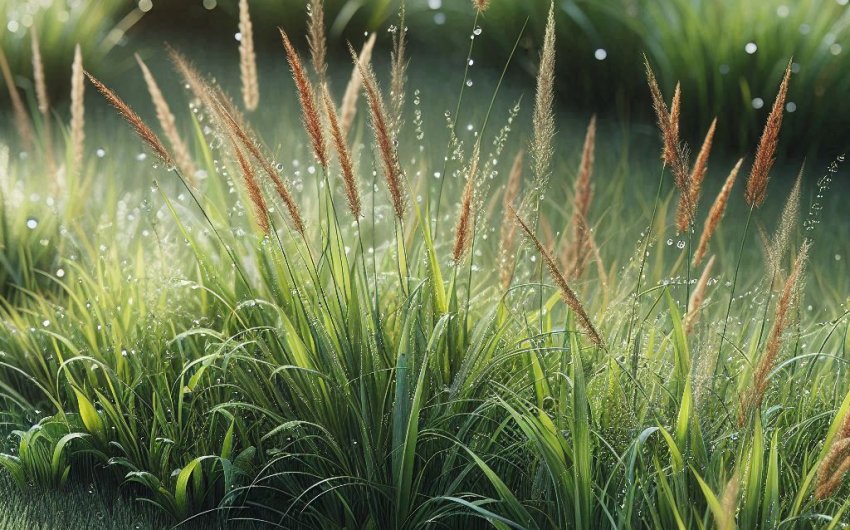
Maintaining a healthy and lush lawn can be a challenge, especially when dealing with invasive species, harsh weather conditions, and high water usage. However, one of the most effective and sustainable solutions to these challenges is planting native grasses in your lawn. Native grasses are species that are naturally adapted to your region's climate, soil, and local wildlife. As a result, they offer numerous benefits over non-native turfgrass species that many homeowners traditionally use.
This article will explore the many advantages of using native grasses in your lawn, including environmental benefits, low maintenance needs, and enhanced biodiversity.
1. Adaptation to Local Climate
One of the primary advantages of using native grasses is that they are already adapted to the local climate. Because these grasses evolved over thousands of years in your region, they are naturally suited to the specific weather conditions, whether you live in an arid desert, a humid subtropical area, or a temperate region.
Drought Resistance
For homeowners in areas prone to drought, such as the western United States, using native grasses that are drought-tolerant can save a significant amount of water. Traditional turfgrass often requires regular watering to remain green and healthy, which can be unsustainable in dry climates. In contrast, native grasses have deep root systems that allow them to access water deep in the soil and survive longer periods of drought without supplemental irrigation.
Use soil moisture meters to track water levels in your lawn and reduce the need for excessive irrigation.
Temperature Tolerance
Another benefit of native grasses is their natural ability to withstand local temperature extremes. For instance, buffalo grass, a warm-season grass native to the Great Plains, can thrive in hot summers while remaining dormant during cooler months. This adaptability reduces the risk of lawn dieback due to seasonal temperature changes, ensuring that your lawn remains healthy year-round.
Find lawn thermometers to monitor temperature fluctuations in your lawn and choose the best grass varieties.
2. Reduced Water Usage
Water conservation is becoming increasingly important, especially in areas facing water shortages or restrictions. One of the biggest benefits of planting native grasses in your lawn is the significant reduction in water usage compared to non-native turfgrass species.
Deep Root Systems
Native grasses such as switchgrass, little bluestem, and blue grama have extensive root systems that reach deep into the soil, sometimes extending several feet underground. These deep roots allow the grasses to access water that other plants can't reach, reducing the need for frequent watering. This is particularly beneficial in dry climates or during periods of drought when water conservation is critical.
Use drip irrigation systems to provide water directly to the roots of your native grasses while minimizing water waste.
Rainwater Efficiency
Because native grasses are adapted to local rainfall patterns, they are better equipped to handle fluctuations in precipitation. Their deep roots not only help them survive dry periods, but they also improve rainwater absorption during storms, reducing runoff and allowing more water to penetrate the soil.
Get rainwater collection barrels to collect and reuse natural rainwater for your lawn.
3. Low Maintenance
Maintaining a traditional turfgrass lawn often requires considerable time and effort, from regular mowing to fertilization, pest control, and irrigation. However, native grasses offer a low-maintenance alternative that can save homeowners both time and money.
Less Frequent Mowing
Because many native grasses are slow-growing or have a clumping growth habit, they require less frequent mowing compared to standard turfgrass varieties. For example, buffalo grass and blue grama grow lower to the ground and don't need to be mowed as often, making them ideal for homeowners seeking a low-maintenance lawn solution.
Find reel lawn mowers to maintain your native grass lawn with minimal environmental impact.
Minimal Fertilization
Because native grasses are adapted to the soil conditions of their local environment, they typically require fewer fertilizers and soil amendments than non-native species. This reduces the need for chemical fertilizers that can run off into waterways and harm the environment. Native grasses can thrive with the nutrients naturally present in the soil, making them a more sustainable choice for homeowners.
Use organic lawn fertilizers to enhance the health of your native grass lawn without harmful chemicals.
Natural Pest Resistance
Native grasses have developed natural defenses against local pests and diseases, reducing the need for chemical pesticides and treatments. Unlike non-native turfgrass species, which may be more susceptible to pest infestations, native grasses are generally more resilient. This can result in fewer pest-related issues and healthier lawns overall.
Get organic pest control sprays to manage lawn pests without harsh chemicals.
4. Improved Soil Health
Healthy soil is the foundation of a vibrant and resilient lawn, and planting native grasses can significantly improve the soil quality in your yard. These grasses contribute to better soil structure, fertility, and overall ecosystem health.
Erosion Control
The deep and fibrous root systems of native grasses help stabilize the soil, reducing erosion caused by wind and water runoff. This is particularly beneficial in areas with sloped lawns or regions that experience heavy rainfall. Native grasses like switchgrass and big bluestem are known for their ability to anchor the soil in place, preventing topsoil loss and protecting your landscape.
Use erosion control blankets to protect newly planted native grass lawns from soil erosion.
Nutrient Cycling
Native grasses play an important role in nutrient cycling by returning organic matter to the soil as they grow and die back each season. The decomposition of their leaves and roots adds organic matter to the soil, improving its fertility and structure over time. This helps promote healthy microbial activity, which is essential for plant growth and soil health.
Find compost bins to create nutrient-rich compost that can be added to your native grass lawn.
Increased Soil Aeration
The deep root systems of native grasses naturally aerate the soil, creating pathways for air, water, and nutrients to reach the roots of other plants. This improved soil structure allows for better drainage and less compaction, resulting in a healthier lawn.
Purchase lawn aerators to enhance soil aeration and promote the health of your native grass lawn.
5. Enhanced Biodiversity
One of the most significant environmental benefits of planting native grasses is their ability to support local biodiversity. By planting grasses that are part of the natural ecosystem, you provide habitat and food sources for native wildlife, including pollinators, birds, and beneficial insects.
Habitat for Wildlife
Native grasses create habitat for a wide range of animals, from small mammals and birds to beneficial insects like butterflies and bees. For example, switchgrass and little bluestem provide nesting sites for ground-dwelling birds, while other species offer shelter for small mammals and insects. By planting native grasses, you're helping to restore and maintain local ecosystems that might otherwise be lost to urbanization and agriculture.
Use wildlife cameras to observe the wildlife that visits your native grass lawn.
Pollinator Support
Many native grasses bloom with small flowers that attract pollinators such as bees, butterflies, and moths. These pollinators play a crucial role in maintaining the health of your garden and the surrounding environment. Native grasses also provide essential cover for these pollinators to rest and lay eggs.
Find pollinator houses to create a welcoming environment for bees and other beneficial insects in your lawn.
Natural Pest Control
By encouraging a diverse ecosystem, native grasses also promote natural pest control. Predatory insects and birds that feed on pests are more likely to be attracted to your yard if you provide the right habitat. This reduces the need for chemical pesticides and supports the balance of natural predators and prey in your garden.
Purchase beneficial insect attractants to encourage natural pest control in your lawn.
6. Aesthetic Appeal and Versatility
Beyond the environmental and practical benefits, native grasses offer aesthetic appeal and versatility in landscaping. Whether you're aiming for a manicured lawn or a more natural, prairie-like landscape, native grasses can provide a variety of textures, colors, and heights to enhance your outdoor space.
Unique Colors and Textures
Native grasses offer a range of textures and colors that can add visual interest to your lawn. For instance, blue fescue has a striking blue-gray hue, while switchgrass can develop reddish or golden tones in the fall. The fine blades of buffalo grass contrast nicely with taller, clump-forming species like little bluestem, allowing you to create a diverse and dynamic landscape.
Get landscape design guides to explore creative ways to incorporate native grasses into your yard.
Seasonal Interest
Many native grasses provide year-round interest with their changing colors and growth habits. In the summer, these grasses display vibrant green hues, while in the fall, they transition to shades of gold, red, and purple. Even in winter, the seed heads and dried stalks of native grasses add texture and movement to your lawn, providing visual appeal during the colder months.
Use decorative lawn ornaments to complement the seasonal changes of your native grass landscape.
Drought-Tolerant Alternatives to Traditional Lawns
If you're looking for an alternative to a traditional turfgrass lawn, native grasses can offer a more sustainable and visually appealing solution. Low-growing species like buffalo grass and blue grama can be used to create a drought-tolerant lawn that requires minimal maintenance while still providing a green and lush appearance.
For larger properties, native grass meadows can be an excellent alternative to traditional lawns. These meadows mimic natural prairie landscapes, offering a habitat for wildlife and reducing the need for mowing, fertilizing, and watering. If you're interested in designing a larger, more self-sustaining property layout, you might want to explore our guide on creating a 10-acre farm layout.
Purchase drought-tolerant grass seeds to establish a low-maintenance, water-saving lawn.