
How Do I Recognize and Treat Scale Insects on My Houseplants?
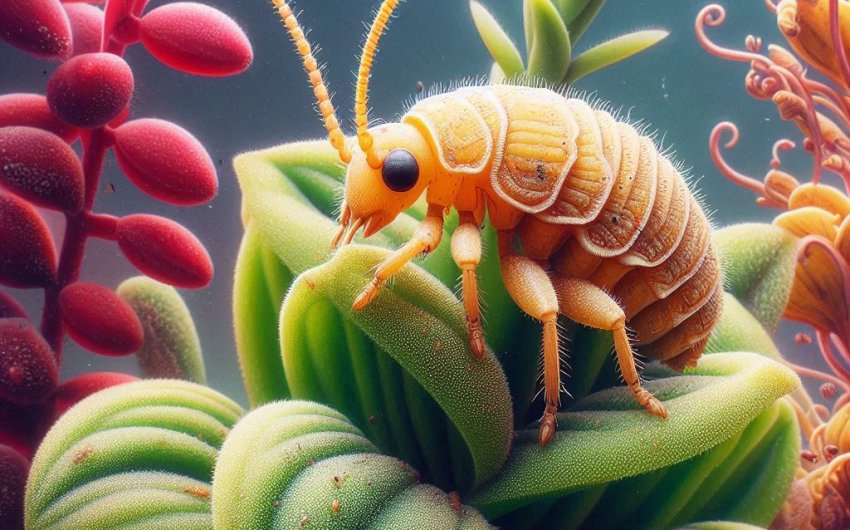
Scale insects are common pests that can infest houseplants, causing damage by feeding on the plant's sap. These small, oval-shaped pests often go unnoticed because they attach themselves firmly to the plant and may appear as small bumps on the stems, leaves, or even the fruit. If not dealt with promptly, a scale infestation can weaken the plant, leading to stunted growth, yellowing leaves, and potentially even death.
Understanding how to recognize and effectively treat scale insects on houseplants is essential for keeping your indoor garden healthy. In this article, we will discuss the signs of a scale infestation, different types of scale insects, and the best methods for getting rid of them.
What Are Scale Insects?
Scale insects are small, sap-sucking pests that belong to the superfamily Coccoidea. There are over 8,000 species of scale insects, but they can generally be classified into two main groups: soft scales and hard scales (or armored scales). Both types can cause significant damage to houseplants, but they differ in their appearance and feeding behavior.
Hard Scale (Armored Scale)
Armored scale insects have a protective, hard outer shell that shields them from natural predators and some treatments. They do not produce honeydew (a sticky substance), making them harder to detect than soft scale insects. They often appear as tiny bumps on plant stems and leaves.
Soft Scale
Soft scale insects have a softer, waxy coating and produce honeydew as they feed. The presence of honeydew can attract other pests, such as ants, and may also encourage the growth of sooty mold, a black fungus that covers the plant's surfaces.
Recognizing whether you are dealing with soft or hard scale insects can help determine the appropriate treatment method for your houseplants. Use a magnifying glass to inspect your plants closely and identify the type of scale.
Signs of Scale Insect Infestation
Detecting a scale infestation early is crucial for protecting your houseplants from significant damage. Here are some signs to look out for:
1. Small Bumps on Stems and Leaves
The most apparent sign of scale insects is the presence of small, round bumps on the stems, leaves, or branches of the plant. These bumps can vary in color, from brown and black to white or yellow, depending on the species.
2. Yellowing or Drooping Leaves
As scale insects feed on the plant's sap, they deprive the plant of essential nutrients. This can cause the leaves to yellow, wilt, or drop prematurely.
3. Sticky Residue (Honeydew)
If you notice a sticky substance on the leaves, stems, or the surface below the plant, it is likely honeydew produced by soft scale insects. Honeydew can also attract ants and lead to the growth of sooty mold.
4. Sooty Mold
Sooty mold is a black, sooty fungus that grows on the honeydew excreted by soft scale insects. While the mold itself does not harm the plant, it can block sunlight, reducing the plant's ability to photosynthesize effectively.
Regularly inspecting your houseplants for these signs can help you catch a scale infestation early. Use a plant inspection light to examine your plants thoroughly for any signs of scale insects.
How to Treat Scale Insects on Houseplants
Once you have identified a scale infestation, it is essential to take action immediately to prevent the pests from spreading to other plants. There are several effective methods for treating scale insects, ranging from manual removal to using natural or chemical treatments.
1. Manual Removal
If the infestation is mild, you can manually remove scale insects from your houseplants.
- Use a cotton swab dipped in rubbing alcohol: Gently dab each scale insect with a cotton swab soaked in rubbing alcohol. The alcohol will penetrate the insect's protective covering and kill it. Buy cotton swabs for easy application.
- Scrape off the scale with a soft brush or cloth: Use a soft toothbrush or cloth to gently scrape off the insects. Be careful not to damage the plant's stems or leaves. Use a plant cleaning brush for delicate scrubbing.
- Repeat the process: Check the plant every few days and repeat the process if you notice any new scales.
2. Pruning Affected Areas
If the scale infestation is severe, it may be best to prune the affected areas to prevent the spread.
- Trim infested leaves and stems: Use sterilized pruning shears to cut off the affected parts of the plant.
- Dispose of the cuttings carefully: Place the infested plant material in a sealed plastic bag and dispose of it in the trash to prevent the pests from spreading.
- Sterilize the pruning tools: Clean the pruning shears with rubbing alcohol or a disinfectant after use to avoid transferring scale to other plants.
3. Apply Insecticidal Soap
Insecticidal soap is a safe and effective treatment for controlling soft scale insects on houseplants.
- Spray the plant thoroughly: Apply insecticidal soap to all surfaces of the plant, including the undersides of leaves. The soap will break down the outer coating of the insects, causing them to dehydrate and die.
- Repeat every 7-10 days: To ensure complete eradication, repeat the application every 7-10 days until there are no signs of scale insects.
- Avoid spraying in direct sunlight: To prevent leaf burn, spray the plant during the early morning or late evening.
4. Use Neem Oil
Neem oil is a natural pesticide and fungicide that is effective in treating scale insects on houseplants.
- Mix neem oil with water and a few drops of dish soap: Follow the label's instructions for the correct dilution ratio. Use neem oil for plants to treat scale infestations.
- Spray the plant thoroughly: Coat all parts of the plant, including the stems and undersides of leaves.
- Reapply every 1-2 weeks: Neem oil should be reapplied regularly to keep scale insects under control.
5. Horticultural Oil
Horticultural oil works by smothering the scale insects, preventing them from breathing. This method is effective for treating both soft and hard scales.
- Mix horticultural oil with water: Follow the label's instructions for the proper mixing ratio. Apply horticultural oil to treat scale on houseplants.
- Spray the plant evenly: Make sure to cover the plant thoroughly, including the stems and leaves.
- Apply during the dormant season: If treating outdoor plants, use horticultural oil during the dormant season when the plant is not actively growing.
6. Systemic Insecticides
For severe scale infestations, systemic insecticides may be necessary. These insecticides are absorbed by the plant and kill the scale insects when they feed on the sap.
- Choose a systemic insecticide labeled for use on houseplants: Find systemic insecticides that are safe for indoor use.
- Follow the manufacturer's instructions carefully: Apply the insecticide according to the label directions to avoid harming the plant.
- Use as a last resort: Because systemic insecticides can be more toxic than other treatments, they should be used only when other methods have failed.
Preventing Scale Infestations on Houseplants
Preventing a scale infestation from occurring in the first place is the best way to protect your houseplants. Implementing good cultural practices and regular inspections can help you avoid problems with scale insects.
1. Inspect New Plants Before Bringing Them Home
Scale insects can easily be introduced to your home when you bring in new plants. Always inspect new plants for signs of scale or other pests before bringing them inside.
- Check the leaves, stems, and soil: Look for any signs of scale insects, sticky residue, or other pests.
- Isolate new plants: Keep new plants in quarantine for at least two weeks to ensure they are free of pests before placing them near other houseplants.
2. Maintain Proper Plant Care
Healthy plants are more resistant to pest infestations. Properly caring for your houseplants can help prevent scale insects from taking hold.
- Water appropriately: Avoid overwatering or underwatering your plants, as stress can make them more susceptible to pests. Use a moisture meter to monitor soil moisture levels.
- Provide adequate light: Ensure your plants are getting the right amount of light based on their needs. Use grow lights for plants that require more light.
- Fertilize regularly: Use a balanced houseplant fertilizer to keep your plants well-nourished.
3. Prune and Clean Regularly
Pruning your houseplants and keeping them clean can help prevent scale insects from establishing themselves.
- Trim dead or damaged leaves: Remove any leaves that show signs of damage, as pests are more likely to target weakened areas.
- Wipe down the leaves: Regularly clean the leaves with a damp cloth to remove dust and debris. Use leaf shine products to keep the leaves clean and healthy.
- Remove fallen leaves and plant debris: Keep the area around your plants clean to discourage pests from settling in.
4. Use Natural Predators
Introducing natural predators to your indoor garden can help control scale insects.
- Ladybugs and lacewings: These beneficial insects feed on scale and other pests. Release beneficial insects to help manage scale populations.
- Parasitic wasps: Some wasps lay their eggs inside scale insects, killing them in the process.
5. Apply Preventative Treatments
Using preventative treatments can help keep scale insects at bay.
- Neem oil as a preventative spray: Apply neem oil to your houseplants every few weeks to deter pests.
- Horticultural oil during dormant periods: For outdoor plants, use horticultural oil during the dormant season as a preventative measure.
6. Quarantine Infected Plants
If you detect a scale infestation, immediately quarantine the affected plant to prevent the pests from spreading to other plants.
- Keep the infested plant isolated: Place it in a separate room or away from other plants.
- Treat the plant thoroughly: Follow the appropriate treatment methods to eliminate the scale infestation before reintroducing the plant to your collection.
Common Houseplants Susceptible to Scale
Some houseplants are more prone to scale infestations than others. Knowing which plants are at higher risk can help you take preventative measures.
1. Ficus (Fig Trees)
Ficus species, including fiddle leaf fig and weeping fig, are commonly affected by scale insects. Their sap-rich stems and leaves make them an attractive target for scale pests.
2. Citrus Trees
Indoor citrus trees such as lemon and orange are highly susceptible to scale infestations. Their sweet sap can attract both soft and hard scale insects.
3. Jade Plant
The jade plant, a popular succulent, can also fall victim to scale insects. Regularly inspecting and cleaning the plant can help prevent infestations.
4. Palms
Palms, including indoor areca palms and parlor palms, are often targeted by scale insects. These plants may develop yellowing leaves if the infestation is severe.
5. Orchids
Orchids are delicate and can suffer from scale infestations, especially on their stems and flower spikes.
By understanding how to recognize scale insects, implementing the appropriate treatments, and taking preventative measures, you can keep your houseplants healthy and free from these pesky pests. Regular inspections and proper plant care are essential for preventing scale infestations and ensuring your indoor garden thrives.