
The Benefits of Overseeding: Revitalize Your Lawn for a Fuller, Healthier Look
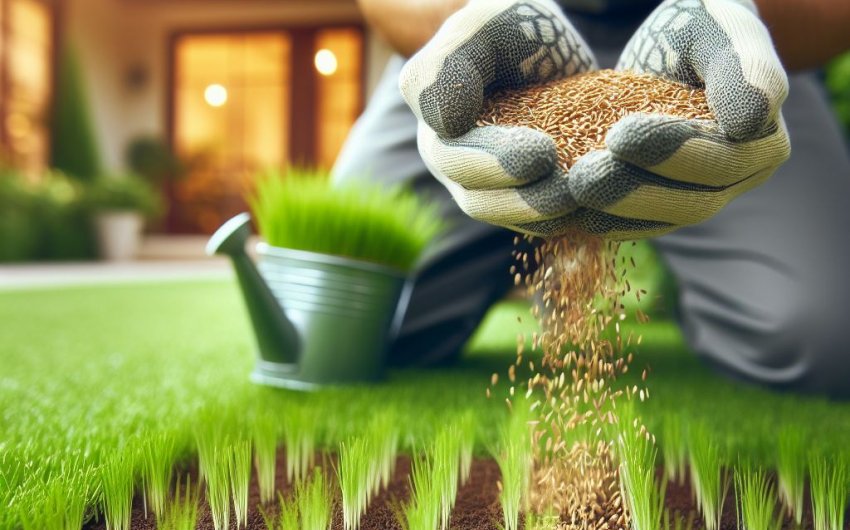
Overseeding is the process of spreading new grass seed over an existing lawn without tearing up the turf, directly contributing to a thicker, healthier stand of grass. The benefits of overseeding are numerous, offering a cost-effective way to revitalize your lawn for a fuller, healthier look and improve its overall resilience. This practice is a secret weapon for maintaining a vibrant yard.
Why is Overseeding So Beneficial for Your Lawn?
Overseeding is a game-changer for any lawn, offering a multitude of benefits that go far beyond just aesthetics. It’s a proactive step that continually injects new life into your turf, addressing natural thinning and strengthening your lawn from the ground up. Understanding the profound benefits of overseeding is key to appreciating how it can revitalize your lawn for a fuller, healthier look.
How Does Overseeding Improve Lawn Density and Appearance?
Overseeding directly addresses the common problem of thinning turf, playing a crucial role in enhancing your lawn's density and overall visual appeal. By introducing new grass plants, it fills in bare spots and rejuvenates existing turf, transforming a sparse lawn into a lush, carpet-like expanse. This fundamental benefit of overseeding is why it's so effective at helping to revitalize your lawn for a fuller, healthier look.
Here's how overseeding improves density and appearance:
- Fills in Bare Spots: Over time, lawns naturally develop bare or thin patches due to various factors like wear and tear, pet damage, disease, pests, or environmental stress. Overseeding introduces new grass seedlings into these areas, effectively filling them in.
- Increases Grass Blade Count: Even in areas that aren't completely bare, overseeding adds more individual grass plants per square foot. This leads to a higher density of grass blades, creating a much fuller and thicker turf.
- Uniformity: A lawn with consistent density across its entire area looks far more appealing. Overseeding helps create this uniformity by populating thin spots and blending new growth with existing grass.
- Improved Color and Texture: You can choose to overseed with grass varieties that have a more desirable color (e.g., darker green) or finer texture, upgrading the overall aesthetic of your lawn. This allows you to introduce new and improved turfgrass characteristics.
- Reduced Patchiness: By filling in gaps and increasing density, overseeding eliminates the patchy appearance common in neglected or aging lawns, resulting in a seamless, unbroken green carpet.
- Enhanced Curb Appeal: A dense, lush, and uniformly green lawn significantly boosts your home's curb appeal, making it more attractive and inviting.
How Does Overseeding Enhance Lawn Health and Resilience?
Beyond just density, the benefits of overseeding extend significantly to enhancing your lawn's overall health and resilience, making it much more capable of fending off environmental stressors. By introducing new, stronger grass plants and invigorating the existing turf, overseeding builds a robust foundation. This comprehensive approach is paramount for helping to revitalize your lawn for a fuller, healthier look.
Here's how overseeding enhances health and resilience:
- Introduces Newer, Stronger Grass Varieties: Grass varieties are constantly being developed with improved characteristics. Overseeding allows you to introduce these newer cultivars that are often bred for:
- Enhanced Disease Resistance: More tolerant to common lawn diseases like brown patch, dollar spot, or rust.
- Improved Pest Resistance: Less susceptible to insect infestations.
- Increased Drought Tolerance: Better able to withstand dry spells and conserve water.
- Greater Wear Tolerance: More resilient to heavy foot traffic.
- Fights Off Weeds Naturally: A dense, healthy lawn is your best defense against weeds. When grass is thick, it naturally shades the soil, blocking sunlight that weed seeds need to germinate. New grass also competes for water and nutrients, effectively starving out weeds. This means less need for chemical herbicides.
- Increases Root Mass: A higher density of grass blades above ground leads to a greater mass of roots below ground. Deeper, stronger roots mean the grass can access more water and nutrients, making it more resilient to stress.
- Revitalizes Aging Turf: As grass plants age, their vigor can decline, making them more susceptible to problems. Overseeding injects new life into the lawn, ensuring a continuous cycle of strong, healthy plants.
- Reduces Compaction: The process of preparing the soil for overseeding (often involving aeration) helps to alleviate compaction, which further improves overall lawn health by allowing better air, water, and nutrient penetration.
- Better Response to Fertilizer and Water: A healthier, denser lawn with strong roots is more efficient at absorbing fertilizers and utilizing water, leading to a better return on your lawn care investments.
When is the Best Time to Overseed Your Lawn?
Timing is absolutely critical when it comes to overseeding to ensure successful germination and establishment of new grass. Choosing the right season based on your grass type maximizes the benefits of overseeding and helps revitalize your lawn for a fuller, healthier look quickly and efficiently. Overseeding at the wrong time can lead to poor results and wasted effort.
What are the Ideal Seasons for Overseeding Cool-Season and Warm-Season Grasses?
The ideal seasons for overseeding vary significantly depending on whether you have cool-season or warm-season grasses, aligning with their natural growth cycles. Performing overseeding during these optimal periods ensures the best chance for seeds to germinate and establish strong roots before facing environmental stress. This seasonal precision is key to truly revitalize your lawn for a fuller, healthier look.
Optimal Seasons for Overseeding by Grass Type:
- Cool-Season Grasses (Kentucky Bluegrass, Tall Fescue, Fine Fescue, Perennial Ryegrass):
- Best Time: Early Fall (Late August to October).
- Why: This is the absolute best time for cool-season grasses. Soil temperatures are still warm enough for rapid seed germination, while air temperatures are cooler, which is less stressful for young seedlings. There's also less competition from aggressive weeds (like crabgrass) which are dying off, and ample time for new grass to establish strong roots before winter.
- Second Best Time: Early Spring (March to April).
- Why: Can be effective, but carries more risks. Early spring also offers cool air and moderate soil temperatures suitable for germination.
- Risks: Young seedlings may struggle against vigorous spring weeds and will face the intense heat and potential drought stress of summer before fully maturing. If you use a pre-emergent herbicide in spring, you typically cannot overseed, as it prevents all seed germination.
- Best Time: Early Fall (Late August to October).
- Warm-Season Grasses (Bermuda, Zoysia, St. Augustine, Centipede, Bahia):
- Best Time: Late Spring to Early Summer (Late April to July).
- Why: This is during their peak active growing season when soil temperatures are consistently warm (typically above 65°F or 18°C). Warm soil promotes rapid germination and strong establishment of new seedlings. It allows the new grass to mature and build strong roots before winter dormancy.
- Avoid: Overseeding warm-season grasses in late fall or winter, as the seeds will not germinate or the young seedlings will be killed by cold temperatures.
- Best Time: Late Spring to Early Summer (Late April to July).
Table: Optimal Overseeding Times by Grass Type
| Grass Type | Best Time for Overseeding | Second Best Time | Why |
|---|---|---|---|
| Cool-Season (KBG, Fescue, Ryegrass) | Early Fall (Aug-Oct) | Early Spring (Mar-Apr) | Warm soil, cool air, less weed comp. |
| Warm-Season (Bermuda, Zoysia, St. Augustine) | Late Spring-Early Summer (Apr-Jul) | Not Recommended | Warm soil & air, peak growth |
Key Factors for Optimal Timing:
- Soil Temperature: Crucial for germination. Seeds need consistently warm soil (50-65°F for cool-season, 65-80°F for warm-season).
- Air Temperature: Moderate air temperatures are less stressful for young seedlings.
- Weed Competition: Overseeding when major weed cycles are waning reduces competition for resources.
- Moisture Availability: Adequate moisture is essential for germination and establishment.
- Time to Establish: New grass needs several weeks to develop a strong root system before facing extreme weather conditions.
What are the Ideal Conditions for Successful Seed Germination?
Beyond the season, creating the ideal conditions for successful seed germination is paramount to maximizing the benefits of overseeding. Even the best seeds won't sprout and thrive without the right environment. Focusing on these key factors ensures a high germination rate and a robust start for your new grass, effectively helping to revitalize your lawn for a fuller, healthier look.
Ideal conditions for successful seed germination:
- Optimal Soil Temperature:
- Requirement: Specific soil temperatures are needed for each grass type.
- Cool-season grasses: Soil temperatures consistently between 50-65°F (10-18°C).
- Warm-season grasses: Soil temperatures consistently between 65-80°F (18-27°C).
- Importance: Outside these ranges, germination will be slow, inconsistent, or non-existent.
- Requirement: Specific soil temperatures are needed for each grass type.
- Excellent Seed-to-Soil Contact:
- Requirement: Seeds need direct contact with soil particles to absorb moisture and nutrients for germination.
- Importance: Simply scattering seeds on thick thatch or hard soil will result in poor germination.
- How to achieve: Aeration (creating holes) and light raking after seeding are crucial. A slit seeder also creates ideal conditions.
- Consistent Moisture (Critical!):
- Requirement: The seedbed must be kept continuously moist (not soggy) during the entire germination period (which can be 7-21 days depending on grass type).
- Importance: If seeds dry out even once after they've begun to sprout, they will die.
- How to achieve: Light, frequent watering (2-3 times a day) is essential. A hose timer can help with consistency.
- Adequate Sunlight (Not Direct Scorching Sun):
- Requirement: While grass seeds don't need light to germinate (they're often sown and lightly covered), developing seedlings need plenty of sun.
- Importance: Strong light fuels photosynthesis, giving young grass the energy to grow.
- Nutrient Availability:
- Requirement: Sufficient nutrients, particularly phosphorus for root development.
- Importance: A good starter fertilizer provides these essential nutrients to give seedlings a strong start.
- Minimized Competition:
- Requirement: Reduce competition from existing weeds and aggressive growth from established grass.
- Importance: Weeds can quickly outcompete fragile seedlings for light, water, and nutrients. Using a pre-emergent herbicide safe for new seed (if applicable) or weeding manually before seeding is important.
- Good Air Circulation:
- Requirement: Adequate airflow around the seeds and young seedlings.
- Importance: Prevents fungal diseases like damping-off, which can kill tender sprouts.
How Do You Prepare Your Lawn for Overseeding?
Proper preparation is paramount for successful overseeding, setting the stage for optimal seed germination and establishment. Skimping on these initial steps will significantly reduce the benefits of overseeding and hinder your goal to revitalize your lawn for a fuller, healthier look. A well-prepared lawn provides the ideal environment for new grass to thrive.
What Steps Ensure Good Seed-to-Soil Contact?
Ensuring good seed-to-soil contact is the single most critical factor in your overseeding preparation, directly impacting how many seeds successfully germinate and grow. Simply scattering seeds on top of existing grass or thatch will yield poor results. These essential steps maximize the connection between seed and soil, vital for absorbing moisture and nutrients to revitalize your lawn for a fuller, healthier look.
Here are the steps to ensure good seed-to-soil contact:
- Mow Your Lawn Low:
- Action: A few days before overseeding, mow your existing lawn to a lower height than usual, around 1.5 to 2 inches.
- Why: This reduces competition from the existing grass, allowing more sunlight and air to reach the soil and new seeds. It also makes it easier for aeration and raking to work effectively.
- Dethatch (If Necessary):
- Action: If your lawn has a thatch layer (a spongy layer of dead grass between the green blades and the soil) thicker than 1/2 inch, you'll need to remove it. Use a power dethatcher or a dethatching rake.
- Why: Thick thatch acts as a barrier, preventing seeds from reaching the soil and absorbing moisture. It also harbors pests and diseases.
- Core Aerate (Highly Recommended):
- Action: Use a core aerator to pull small plugs of soil (cores) from your lawn. Make multiple passes, especially in compacted areas.
- Why: This is perhaps the most important step for seed-to-soil contact. The thousands of holes created by aeration provide ideal pockets for grass seeds to fall into, ensuring direct contact with the soil. It also alleviates compaction, allowing new roots to grow deep. Rent a core aerator machine for larger lawns.
- Rake (Lightly After Aeration):
- Action: After aeration (and if not dethatching), lightly rake the lawn to break up the soil plugs left by the aerator and to rough up the soil surface.
- Why: This helps distribute the soil from the plugs back into the lawn and further creates small crevices for seeds to settle into.
- Clean Up Debris:
- Action: Remove any large clumps of grass, leaves, or other debris that could impede seed-to-soil contact or smother new seedlings.
- Why: Ensures an unobstructed path for seeds to reach the soil.
- Moisten the Soil (Day Before):
- Action: Lightly water your lawn the day before seeding. The soil should be moist, but not soggy.
- Why: This primes the soil for seed contact and ensures there's immediate moisture available for germination once seeds are applied.
How Do You Apply Grass Seed for Overseeding?
Applying grass seed for overseeding is a precise task that requires careful technique to ensure even coverage and optimal germination. Simply scattering seeds haphazardly will lead to patchy results and wasted product. Following a systematic approach maximizes the benefits of overseeding and ensures you effectively revitalize your lawn for a fuller, healthier look.
What Type of Grass Seed and Spreader Should You Use?
Choosing the right type of grass seed and spreader is fundamental to successful overseeding, directly impacting the health and appearance of your revitalized lawn. Matching the seed to your existing grass and climate, and using an appropriate tool for even distribution, are critical decisions for maximizing the benefits of overseeding and achieving a truly fuller, healthier look.
Choosing the Right Grass Seed:
- Match Your Existing Grass (If Happy):
- Recommendation: If you're generally happy with your current lawn but it's just thinning, choose a grass seed that is the same type as your existing lawn (e.g., Kentucky Bluegrass for a Kentucky Bluegrass lawn). This ensures a uniform appearance.
- Improve Your Lawn (Newer Varieties):
- Recommendation: Look for improved cultivars of your grass type that are known for better disease resistance, drought tolerance, or a darker green color. These can enhance your lawn's overall resilience.
- Address Specific Conditions:
- Shade: If you have shady areas, choose a shade-tolerant grass seed blend (e.g., Fescues for cool-season, St. Augustine for warm-season).
- High Traffic: Opt for varieties known for good wear tolerance (e.g., Ryegrass in cool-season blends, Bermuda for warm-season).
- Consider Blends vs. Single Species:
- Blends: Often contain multiple types of grass (e.g., Kentucky Bluegrass, Tall Fescue, Perennial Ryegrass). They offer diversity, making the lawn more resilient to various stresses.
- Single Species: Used for purity if you have a specific, well-adapted monoculture lawn.
- Check for "Weed-Free" Certification:
- Always buy high-quality grass seed from a reputable source. Look for labels indicating "0% weed seed" or "0% other crop" to avoid introducing new weed problems.
- "Starter Fertilizer" in Seed Mixes: Some seed mixes come with a starter fertilizer already coated on the seeds. These can be convenient.
Choosing the Right Spreader:
- Broadcast Spreader:
- Best for: Most homeowners with medium to large lawns.
- How it works: Throws seeds in a wide, circular pattern, providing efficient coverage.
- Pros: Quick for large areas.
- Cons: Requires careful technique to avoid striping or uneven application due to overlap.
- Recommendation: Use a broadcast spreader for most overseeding jobs.
- Drop Spreader:
- Best for: Small, precise areas, or when you want to ensure no seed lands in garden beds or on sidewalks.
- How it works: Drops seeds directly down in a controlled strip.
- Pros: Very accurate.
- Cons: Slower than broadcast spreaders, more prone to visible lines if passes don't overlap perfectly.
- Handheld Spreader:
- Best for: Small patches, tight areas, or very small lawns.
- How it works: You crank a handle, and it disperses seeds.
- Pros: Inexpensive, easy to maneuver.
- Cons: Can lead to uneven application if not used carefully, less precise.
- Slit Seeder (or Overseeder Machine):
- Best for: Large, very thin lawns, or areas needing significant renovation. Often rented.
- How it works: Cuts small grooves (slits) into the soil and drops seeds directly into them, ensuring excellent seed-to-soil contact.
- Pros: Highly effective for germination.
- Cons: Heavier equipment, often requires rental.
Step-by-Step Guide to Spreading Grass Seed Evenly
Spreading grass seed evenly is a crucial step in overseeding, directly influencing the uniformity and density of your revitalized lawn. A systematic approach prevents patchy results and ensures every section receives the optimal amount of seed. Following this guide ensures you maximize the benefits of overseeding for a truly fuller, healthier look.
- Calculate Seed Needs:
- Action: Measure your lawn's square footage. Check the grass seed package for the recommended overseeding rate per 1,000 square feet.
- Why: Ensures you have enough seed and don't under- or over-apply. Under-applying leads to thin spots; over-applying wastes seed and can lead to weak, crowded seedlings.
- Set Spreader Settings:
- Action: Refer to your grass seed package for recommended spreader settings. If not listed, start with a low setting and adjust.
- Why: Ensures the correct amount of seed is dispersed.
- Fill Spreader on a Hard Surface:
- Action: Fill your spreader on a driveway, patio, or tarp.
- Why: If seed spills, you can easily sweep it up and return it to the spreader, preventing concentrated piles that could damage your lawn.
- Apply Half the Seed in Two Directions:
- Action: This is a crucial technique for even coverage. Set your spreader to half the recommended rate. Apply the seed in one direction (e.g., north-south). Then, apply the remaining half of the seed in a perpendicular direction (e.g., east-west).
- Why: This criss-cross pattern minimizes gaps and overlaps, ensuring uniform distribution.
- Edge Application (with Caution):
- Action: For broadcast spreaders, apply a "header strip" around the perimeter of the lawn first. When making passes across the main lawn, close the spreader when turning to prevent excessive seed concentration.
- Why: Prevents seeds from landing in garden beds or on sidewalks, and avoids over-seeding edges.
- Lightly Rake (Optional but Recommended):
- Action: After spreading, lightly drag a leaf rake or a broom across the lawn.
- Why: This helps work the seeds into the aeration holes and ensures better seed-to-soil contact. Don't bury the seeds too deeply; light covering is all that's needed.
- Apply Starter Fertilizer (Immediately):
- Action: Immediately after spreading seed, apply a starter fertilizer (high in phosphorus) using your spreader.
- Why: Phosphorus is essential for strong root development in new seedlings, giving them a vital boost.
- Water (Immediately):
- Action: Begin watering your newly overseeded lawn immediately after applying seed and starter fertilizer.
- Why: Seeds need immediate and consistent moisture to germinate.
How Do You Care for a Lawn After Overseeding for Optimal Results?
Caring for your lawn immediately after overseeding is the most critical phase for maximizing the benefits of overseeding and ensuring the successful establishment of new grass. Proper post-seeding care is paramount for achieving a truly fuller, healthier look. Neglecting these steps can lead to poor germination and wasted effort.
What are the Essential Watering Practices for New Grass Seed?
Essential watering practices for new grass seed are by far the most crucial element in post-overseeding care, directly determining the success or failure of your efforts. New seeds and tender seedlings are incredibly vulnerable to drying out. Consistent moisture, applied correctly, is vital for ensuring you truly revitalize your lawn for a fuller, healthier look from your overseeding efforts.
Here are the essential watering practices for new grass seed:
- Keep the Seedbed Continuously Moist (Most Important Step):
- How it works: For the first 2-3 weeks (or until new grass is 1-2 inches tall), you must keep the top 1/2 inch of soil continuously moist. This means frequently, but lightly, watering.
- Why: If seeds dry out even once after they've begun to sprout, they will die. Consistency is non-negotiable.
- Water Lightly and Frequently:
- How much: Instead of deep soaks, aim for multiple short watering sessions throughout the day. Typically, 2-3 times a day for 5-10 minutes each, or just enough to keep the surface visibly damp.
- When: Water in the early morning, midday (if needed), and early afternoon. Avoid watering late in the evening, as this can promote fungal diseases.
- Equipment: Use a fine mist or a sprinkler with a gentle spray to avoid washing away seeds. A oscillating sprinkler on a low setting or a gentle sprinkler head works well.
- Automate: A hose timer or sprinkler controller is invaluable for maintaining consistent moisture.
- Gradually Reduce Frequency and Increase Depth:
- After Establishment (Week 3-4): Once new grass reaches 1-2 inches tall, you can begin to transition to deeper, less frequent watering. This encourages the roots to grow downwards.
- Transition: Reduce watering to once a day for a longer duration, then every other day, then every 2-3 days, gradually increasing the amount of water per session.
- Goal: Eventually revert to your established lawn's deep and infrequent watering schedule (e.g., 1-1.5 inches of water 1-2 times per week).
- Monitor Soil Moisture:
- How to check: Stick your finger into the soil or use a soil moisture meter to ensure the top layer is consistently moist.
- Adjust for Weather: Increase watering during hot, sunny, or windy weather. Reduce if it's cool or rainy.
What Mowing, Fertilizing, and Traffic Control Rules Apply After Overseeding?
After overseeding, special rules apply to mowing, fertilizing, and traffic control to protect fragile new seedlings and ensure successful establishment. Deviating from these guidelines can easily damage your young grass and undermine the benefits of overseeding. Adhering to these strictures is crucial for successfully helping to revitalize your lawn for a fuller, healthier look.
Mowing After Overseeding:
- Delay First Mow: Wait until the new grass seedlings are at least 2-3 inches tall (or the majority of the existing grass needs mowing). This usually takes 3-4 weeks.
- Raise Mower Height: For the first few mows, set your mower blade to the highest setting.
- Sharp Blades are Essential: Use a mower with freshly sharpened blades to ensure a clean cut that doesn't pull out tender seedlings. Dull blades can tear new grass.
- Avoid Wet Grass: Always mow when the grass is dry.
- Leave Clippings: Continue to leave short grass clippings on the lawn to return nutrients.
Fertilizing After Overseeding:
- Starter Fertilizer is Key (Initially): You should apply a starter fertilizer (high in phosphorus) immediately after spreading the seed. This gives new roots the nutrients they need to develop.
- Delay Regular Fertilization: Do NOT apply your regular, nitrogen-heavy lawn fertilizer for at least 4-6 weeks after overseeding, or until the new grass is well established. Too much nitrogen too early can burn tender seedlings.
- Avoid Weed & Feed Products: Do NOT use any "weed & feed" products for at least 6-8 weeks (or longer, consult label) after overseeding, as the herbicide component will kill your new grass seedlings. If weeds become an issue, hand-pull them.
Traffic Control After Overseeding:
- Limit Foot Traffic: Avoid walking, playing, or allowing pets on the newly seeded areas for at least 2-3 weeks, or until the new grass is established.
- Why: Foot traffic can crush delicate seedlings, displace seeds, or compact the soil, hindering germination and growth.
- Pet Control: Keep pets off the lawn to prevent them from digging, urinating (which can kill new grass), or tracking through the tender seedlings. Consider using temporary fencing or designated relief areas.
The benefits of overseeding are undeniable, offering a powerful, proactive strategy to transform a tired, thinning lawn into a dense, vibrant turf. By meticulously preparing your lawn, selecting the right grass seed, applying it correctly, and diligently following post-seeding care, you can effectively revitalize your lawn for a fuller, healthier look. This commitment to invigorated turf ensures a resilient, beautiful outdoor space that will be the envy of your neighborhood for years to come.