
Tips for Proper Irrigation: Ensuring Adequate Watering Without Wasting Resources
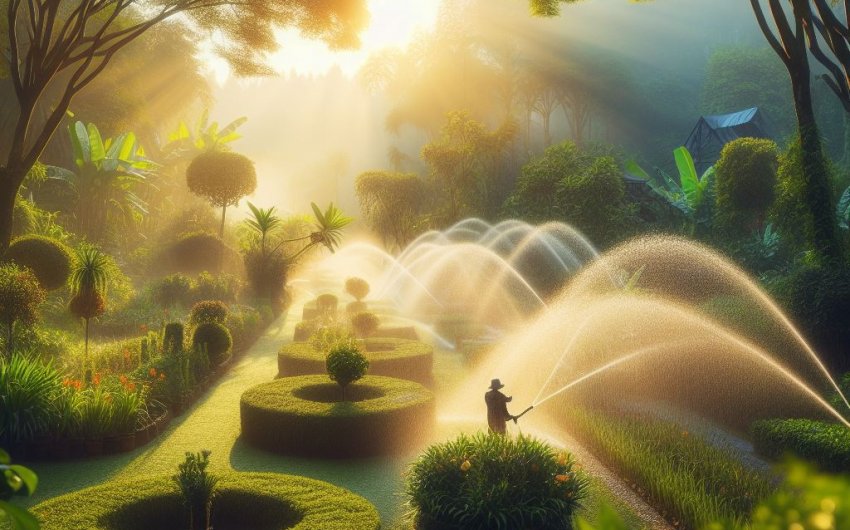
Proper irrigation is the art and science of delivering the right amount of water to your plants at the right time, crucially ensuring adequate watering without wasting resources. Mastering this practice is vital for maintaining a healthy landscape, conserving water, and reducing utility bills. This guide offers actionable tips for efficient watering.
Why is Proper Irrigation So Important for a Healthy Landscape?
Proper irrigation is fundamental to cultivating a healthy, vibrant landscape, acting as the lifeblood that nourishes every plant. Without a precise approach to watering, even the best planting and fertilizing efforts can fall short, leading to stressed plants and wasted resources. Understanding the importance of proper irrigation is crucial for ensuring adequate watering without wasting resources and maintaining a beautiful outdoor space.
What Problems Does Incorrect Watering Cause for Your Plants and Lawn?
Incorrect watering can wreak havoc on your plants and lawn, leading to a host of problems that undermine their health, appearance, and resilience. Both overwatering and underwatering are detrimental, creating a cycle of stress that can invite pests and diseases. Understanding these issues highlights the importance of proper irrigation for ensuring adequate watering without wasting resources.
Problems Caused by Underwatering:
- Dehydration and Wilting: Plants lose turgor pressure (internal water pressure), causing leaves and stems to droop, curl, or become brittle.
- Stunted Growth: Lack of water limits photosynthesis and nutrient uptake, leading to slow, stunted plant development.
- Yellowing and Browning: Leaves turn yellow, then brown, starting from the edges or lower leaves, as cells die from lack of moisture.
- Increased Stress: Weakened plants are more susceptible to pests and diseases.
- Poor Flowering/Fruiting: Plants may drop buds or produce sparse, small, or inferior flowers and fruits.
- Root Damage: Roots may shrivel and die, making it harder for the plant to absorb water even when it becomes available.
Problems Caused by Overwatering:
- Root Rot: This is the most common and serious problem. Excess water saturates the soil, displacing oxygen. Roots "drown," becoming soft, mushy, black or brown, and unable to absorb water or nutrients. This eventually kills the plant.
- Yellowing Leaves (Chlorosis): Often mistaken for underwatering. Overwatered plants develop yellow leaves because damaged roots can't absorb iron or other essential nutrients, or because the waterlogged soil starves the roots of oxygen.
- Fungal Diseases: Constantly wet soil and foliage create an ideal environment for various fungal diseases (e.g., powdery mildew, rust, leaf spot, and especially root rot).
- Pest Infestations: Some pests (e.g., fungus gnats) thrive in overly moist conditions.
- Nutrient Leaching: Excessive watering can wash essential nutrients out of the soil before plants can absorb them, leading to deficiencies.
- Weak, Leggy Growth: Overwatered plants may put out soft, weak growth that is more susceptible to breakage and disease.
- Compacted Soil: Heavy watering can further compact clay soils, reducing aeration.
- Environmental Waste: Leads to significant water waste through runoff and deep percolation below the root zone.
How Does Proper Irrigation Lead to Healthier Plants and Water Conservation?
Proper irrigation is a win-win, simultaneously fostering robust, healthy plants and significantly contributing to water conservation. By delivering the right amount of water exactly where and when it's needed, it optimizes plant health while minimizing environmental impact. Understanding this dual benefit highlights the importance of proper irrigation for ensuring adequate watering without wasting resources.
Here's how proper irrigation achieves these dual benefits:
- Healthier Plants:
- Deep Root Growth: Watering deeply and infrequently encourages roots to grow downwards, seeking out moisture. Deep roots make plants more resilient to drought and temperature extremes.
- Optimal Nutrient Uptake: Properly moist (but not waterlogged) soil ensures nutrients are dissolved and readily available for roots to absorb efficiently.
- Reduced Stress: Plants that receive adequate, consistent water are less stressed, making them more resistant to pests and diseases.
- Vigorous Growth: Sufficient water fuels photosynthesis, leading to lush foliage, abundant flowers, and bountiful fruit production.
- Minimized Disease Risk: By allowing foliage to dry between waterings and preventing soggy soil, proper irrigation dramatically reduces the conditions favorable for many fungal and bacterial diseases.
- Water Conservation:
- Reduced Evaporation: Watering in the early morning minimizes water loss to evaporation from the sun and wind.
- Minimized Runoff: Applying water at a rate the soil can absorb prevents water from running off surfaces and being wasted.
- Targeted Delivery: Using efficient irrigation systems (drip, soaker hoses) delivers water precisely to the root zone, avoiding wasteful wetting of foliage or non-plant areas.
- Eliminates Overwatering: Watering only when plants truly need it, based on soil moisture and plant signs, avoids the wasteful application of excess water.
- Builds Drought Tolerance: By fostering deep roots, proper irrigation makes plants inherently more drought-tolerant, requiring less supplemental water during dry spells.
- Cost Savings: Less water used directly translates to lower utility bills for homeowners.
What are the Best Practices for Efficient Watering?
Efficient watering is at the heart of proper irrigation, ensuring every drop of water counts towards plant health rather than being wasted. Mastering these best practices allows you to provide exactly what your plants need while being a responsible steward of water resources. Implementing these tips for proper irrigation is crucial for ensuring adequate watering without wasting resources.
What is the "Deep and Infrequent" Watering Rule?
The "Deep and Infrequent" watering rule is the single most important principle in proper irrigation, fundamentally transforming your watering strategy for maximum plant health and water conservation. It moves away from superficial watering, forcing roots to grow deeper, making plants significantly more resilient to dry conditions. Understanding this rule is key to ensuring adequate watering without wasting resources.
The "Deep and Infrequent" Watering Rule Explained:
- Deep:
- Meaning: Applying enough water in a single session to thoroughly moisten the soil to the full depth of your plants' root systems. For most established lawns, this means wetting the soil 6-8 inches deep. For shrubs and trees, it could be 12-24 inches.
- Why: This encourages plant roots to grow downwards, seeking out moisture deep in the soil profile. Shallow watering only encourages shallow roots, which makes plants highly vulnerable to drying out quickly.
- Infrequent:
- Meaning: Allowing the top layer of soil (and sometimes even deeper layers, depending on the plant) to partially dry out between watering sessions. You water only when the plants truly show signs of needing it, rather than on a rigid schedule.
- Why: This forces roots to exert themselves, exploring deeper for water. It also helps aerate the soil (as water drains out and air fills the pores) and reduces surface moisture, which discourages weeds and many fungal diseases.
Benefits of Deep and Infrequent Watering:
- Promotes Strong, Drought-Tolerant Roots: Plants with deep root systems are inherently more resilient to dry spells, requiring less frequent watering.
- Conserves Water: Less frequent watering reduces water loss from surface evaporation. It also prevents runoff, as water has time to penetrate deeply.
- Reduces Weed Growth: A drier topsoil layer between waterings makes it harder for shallow-rooted weed seeds to germinate and establish.
- Minimizes Disease Risk: Keeping foliage and the topsoil surface drier for longer periods reduces the ideal conditions for many fungal and bacterial diseases.
- Healthier Soil Structure: The wetting and drying cycle helps maintain healthy soil structure and aeration.
- Cost Savings: Directly translates to lower water bills due to less water waste.
How to Implement Deep and Infrequent Watering:
- Determine How Much Water:
- For Lawns: Place empty tuna cans or a rain gauge on your lawn. Run sprinklers for 20-30 minutes, then measure the collected water. Adjust duration until you deliver approximately 1 inch of water (which should moisten soil 6-8 inches deep for most soils).
- For Beds/Containers: Check soil moisture with your finger or a soil moisture meter. Water until it drains from the bottom (containers) or to the desired depth (beds).
- Determine How Often to Water:
- Observe Your Plants: Look for signs of thirst: duller color, wilting, footprints remaining on grass.
- Check Soil: Stick your finger 2-3 inches deep. If it feels dry, it's time to water. A soil moisture meter provides more precise readings.
- General Guideline: Depending on weather, soil type, and plant type, this might be every 3-7 days for lawns, and less often for established shrubs/trees.
- Water in the Early Morning: Always water between 4 AM and 10 AM to minimize evaporation and allow foliage to dry before nightfall.
- Consider "Cycle and Soak": For clay soils or sloped areas, apply water in short bursts (e.g., 15 minutes), let it soak in for an hour, then repeat until the desired depth is reached. This prevents runoff.
When is the Best Time of Day to Water Plants and Lawns?
Choosing the best time of day to water plants and lawns is a critical component of proper irrigation, directly impacting water conservation and plant health. Watering at the optimal time minimizes waste and reduces disease risk, making it an essential practice for ensuring adequate watering without wasting resources. This simple adjustment can yield significant benefits.
The Best Time of Day to Water:
- Early Morning (4 AM to 10 AM): This is the ideal window for almost all plants and lawns.
- Why it's Best:
- Minimizes Evaporation: Temperatures are typically cooler, and winds are calmer in the early morning, meaning less water is lost to evaporation before it can penetrate the soil.
- Reduces Disease Risk: Watering early allows foliage to dry completely before the heat of midday and before nightfall. Prolonged leaf wetness, especially overnight, is a primary trigger for many fungal diseases (e.g., powdery mildew, brown patch, black spot).
- Optimal Absorption: Plants are often more receptive to water uptake in the morning, having depleted moisture overnight.
- Replenishes Overnight Loss: Replenishes any water lost by plants during the night.
- Why it's Best:
Times to Avoid Watering:
- Midday (11 AM to 4 PM): Avoid if possible.
- Why: Temperatures are highest, and winds are often strongest. This leads to maximum water loss through evaporation before it reaches the roots. Much of the water simply evaporates into the air. While it might still get water to roots, it's very inefficient.
- Evening/Night (After 4 PM): Strongly avoid, especially for lawns and disease-prone plants.
- Why: Watering in the evening or at night leaves foliage wet for extended periods (often 10-16 hours) until the morning sun can dry it. This creates a perfect environment for fungal diseases to germinate and spread rapidly. It also encourages slugs and snails.
Exceptions to the Rule:
- New Seed/Transplants: For newly sown grass seed or freshly transplanted plants, you may need to water lightly and frequently at different times of the day (including midday if necessary) to prevent the topsoil from drying out. However, as soon as they are established, transition to early morning deep watering.
- Emergency Watering: If plants are severely wilting and showing extreme stress in the middle of a hot day, a light emergency watering might be necessary to save them, even if it's not ideal.
What Water-Saving Irrigation Systems Can You Install?
Installing water-saving irrigation systems is a significant investment in proper irrigation, providing automated, precise water delivery that dramatically reduces waste. These advanced systems are key to ensuring adequate watering without wasting resources and are a cornerstone of modern, sustainable landscaping. From smart controllers to targeted delivery, technology offers powerful solutions.
How Do Smart Controllers and Drip Irrigation Systems Conserve Water?
Smart controllers and drip irrigation systems are two of the most effective tools for water conservation in your landscape, fundamentally changing how water is managed. Both are integral to proper irrigation, precisely delivering moisture where and when it's most needed, thereby ensuring adequate watering without wasting resources. They represent intelligent solutions for modern, sustainable gardening.
Smart Irrigation Controllers:
- How They Work: These advanced controllers go beyond simple timers. They use various data inputs to automatically adjust your watering schedule in real-time.
- Weather Data: Connect to local weather stations (via Wi-Fi) or use on-site rain sensors and freeze sensors.
- Soil Moisture Sensors: Some systems integrate with sensors placed in the soil that directly measure moisture levels and trigger watering only when necessary.
- Evapotranspiration (ET) Data: Calculate how much water plants lose through evaporation and transpiration based on weather, then replenish that amount.
- Benefits for Water Conservation:
- Prevents Overwatering: Automatically skips watering cycles if it has rained or if the soil is already sufficiently moist.
- Optimized Schedules: Adjusts watering duration and frequency based on seasonal changes, temperature fluctuations, and plant needs.
- Reduces Runoff: Can implement "cycle and soak" for slopes or heavy soils.
- Remote Control: Many allow you to monitor and adjust your system from a smartphone, even when away from home.
- Cost & Installation: Can be a significant initial investment but offer substantial long-term savings on water bills. Installation can be DIY or professional. A good smart sprinkler system controller is highly recommended.
Drip Irrigation Systems:
- How They Work: Deliver water slowly and directly to the plant's root zone through a network of tubes, emitters, and micro-sprayers. Water literally "drips" or slowly flows where it's needed.
- Benefits for Water Conservation:
- Minimal Evaporation: Water is delivered at or below the soil surface, greatly reducing loss to evaporation, especially in hot or windy conditions.
- No Runoff: The slow application rate allows water to soak deeply into the soil, preventing surface runoff.
- Targeted Delivery: Waters individual plants or specific planting zones, avoiding wasteful watering of pathways, weeds, or non-plant areas.
- Healthier Plants: Keeps foliage dry, reducing the risk of fungal diseases. Promotes deep, efficient root growth.
- Flexibility: Can be customized for various garden beds, containers, trees, and even closely spaced rows. A drip irrigation starter kit is a great way to begin.
- Cost & Installation: Relatively inexpensive to install, especially for DIY. Can be expanded over time. Requires periodic inspection for clogs or damage.
Comparison Table:
| Feature | Smart Controllers | Drip Irrigation Systems |
|---|---|---|
| Primary Function | Automate & optimize scheduling | Targeted water delivery |
| Water Savings | Significant (avoids overwatering) | Significant (avoids evaporation/runoff) |
| Application Type | Integrates with sprinklers/drip | Direct to root zone |
| Cost | Moderate to high initial | Low to moderate initial |
| Ideal For | Entire landscape, lawns, beds | Garden beds, containers, trees, shrubs |
| Disease Impact | Indirect (proper scheduling) | Direct (keeps foliage dry) |
What Other Technologies and Systems Aid Water Efficiency?
Beyond smart controllers and drip irrigation, other technologies and systems further aid water efficiency, making them valuable additions to a comprehensive proper irrigation plan. These innovations provide homeowners with more tools to precisely manage water, ultimately ensuring adequate watering without wasting resources and promoting a sustainable landscape.
Here are other technologies and systems that aid water efficiency:
- Rain Sensors and Freeze Sensors:
- How they work: Small, inexpensive devices that connect to traditional sprinkler timers. A rain sensor detects rainfall and temporarily shuts off the irrigation system. A freeze sensor prevents watering when temperatures drop below freezing.
- Benefits: Prevents wasteful watering during or after rain and prevents dangerous icing on hard surfaces from freezing water. Often a simple add-on for existing systems. A wireless rain sensor is an easy upgrade.
- Soil Moisture Sensors:
- How they work: Placed directly in the soil, these sensors measure actual moisture levels at root depth. They communicate with an irrigation controller to only initiate watering when the soil dries to a predetermined threshold.
- Benefits: Highly precise, waters only when absolutely necessary, often more efficient than weather-based controllers alone.
- High-Efficiency Sprinkler Nozzles:
- How they work: Replace older, less efficient spray or rotor heads with multi-stream rotating nozzles or pressure-compensating nozzles. These produce larger, more uniform water droplets.
- Benefits: Reduces misting and fogging (which leads to evaporation), improves water distribution uniformity, and lessens runoff, especially on slopes.
- Pressure Regulators:
- How they work: Many irrigation systems operate at too high a water pressure, leading to misting, uneven coverage, and sprinkler head damage. Pressure regulators ensure water is delivered at the optimal pressure for the nozzles.
- Benefits: Significantly improves efficiency, reduces water waste, and extends the life of your irrigation system components.
- Rainwater Harvesting Systems:
- How they work: Involve collecting rainwater from rooftops (via gutters and downspouts) and storing it in tanks or cisterns for later use.
- Benefits: Provides a free, natural, and chlorine-free water source for irrigation, reducing reliance on potable water and lowering utility bills. Also helps reduce stormwater runoff. Large capacity rainwater harvesting tanks are available.
- Graywater Recycling Systems:
- How they work: Capture gently used water from household sinks, showers, and laundry (excluding toilet water) for reuse in landscape irrigation.
- Benefits: Dramatically reduces water consumption by reusing water on-site. Note: These systems often require local permits and specific design for safety and effectiveness.
How Can You Optimize Your Soil for Better Water Retention?
Optimizing your soil for better water retention is a foundational step in proper irrigation, creating a living sponge beneath your plants that naturally holds onto precious moisture. Healthy, well-structured soil is crucial for ensuring adequate watering without wasting resources, as it maximizes the efficiency of every drop delivered. This investment in soil health pays dividends in plant vigor and water conservation.
What Role Does Organic Matter Play in Soil Water Capacity?
Organic matter is the single most vital ingredient for optimizing soil for better water retention, acting as a powerful natural sponge that transforms its water-holding capacity. Comprising decomposed plant and animal material, its presence profoundly influences soil structure and function. Understanding its crucial role highlights the importance of proper irrigation for ensuring adequate watering without wasting resources.
The Role of Organic Matter in Soil Water Capacity:
- Acts Like a Sponge: Organic matter has an incredible ability to absorb and hold water, often retaining many times its own weight. It functions like tiny reservoirs throughout the soil profile.
- Improves Soil Structure (Aggregation):
- In Clay Soils: Organic matter helps to "flocculate" (clump together) dense clay particles, creating larger pore spaces. This improves drainage (preventing waterlogging) while simultaneously increasing the soil's overall water-holding capacity.
- In Sandy Soils: Organic matter acts as a binding agent, sticking sandy particles together. This creates more stable aggregates and more micropores, which slows down rapid drainage and significantly increases the soil's ability to retain water.
- Reduces Evaporation: A surface layer of organic matter, or soil enriched with it, can help insulate the soil from direct sun and wind, thereby reducing water loss through evaporation.
- Supports Microbial Life: Organic matter is the food source for beneficial soil microorganisms. These microbes create sticky substances (glomalin) that bind soil particles, further improving soil structure and its ability to hold water.
- Provides Slow-Release Nutrients: As organic matter decomposes, it slowly releases essential nutrients, providing a steady food source for plants and making them healthier and more efficient at water uptake.
How to Increase Organic Matter in Your Soil:
- Leave Grass Clippings:
- Method: After mowing, leave short, fine grass clippings on your lawn. Use a mulching mower for best results.
- Benefit: They quickly decompose, returning organic matter and nutrients directly to the soil.
- Topdress with Compost:
- Method: Spread a thin layer (1/4 to 1/2 inch) of high-quality, finished compost over your lawn or garden beds annually or bi-annually.
- Benefit: Directly adds concentrated organic matter, significantly improving soil structure and water retention. Use a compost spreader for larger lawns.
- Incorporate Compost/Organic Material into Beds:
- Method: When planting new garden beds or amending existing ones, dig in several inches of compost, aged manure, or other organic materials.
- Benefit: Builds soil health and water retention directly in plant root zones.
- Core Aeration:
- Method: This process creates small holes in your lawn.
- Benefit: Improves soil structure, allows air and water to penetrate deeper, and creates channels for organic matter (from topdressing or clippings) to work its way into the soil profile more effectively. A core aerator machine rental is a good investment.
- Use Organic Fertilizers:
- Method: Choose fertilizers derived from natural sources (e.g., bone meal, blood meal, kelp meal).
- Benefit: These contribute organic matter to the soil as they break down, fostering microbial activity.
How Do Aeration and Proper Soil pH Help with Water Uptake?
Aeration and proper soil pH are two critical factors that significantly enhance a plant's ability to take up water, working hand-in-hand with organic matter to optimize soil for better water retention. These fundamental practices ensure that water, once in the soil, is readily available to roots, vital for proper irrigation and ensuring adequate watering without wasting resources.
How Aeration Helps with Water Uptake:
- Relieves Soil Compaction:
- Mechanism: Over time, foot traffic, heavy equipment, and even rainfall compact soil, especially clay soils. This creates a dense, impenetrable layer. Core aeration physically removes small plugs of soil, creating thousands of open channels.
- Benefit: These channels allow water to penetrate deeply into the root zone instead of pooling on the surface or running off. This ensures water reaches where it's needed most, reducing waste.
- Improves Drainage: While it seems counterintuitive for water retention, improved drainage prevents waterlogged conditions, which choke roots of oxygen. Proper drainage ensures water moves through the soil at a healthy rate.
- Increases Air Exchange: Oxygen is vital for healthy root function and microbial activity. Aeration allows more air into the soil, supporting a robust root system capable of efficient water absorption.
- Facilitates Root Growth: In a less compacted soil, roots can spread further and deeper, enabling them to access a larger reservoir of moisture, making the plant more drought-tolerant.
- Enhances Topdressing Integration: When followed by topdressing with compost, aeration holes act as perfect conduits for organic matter to integrate deeply into the soil.
How Proper Soil pH Helps with Water Uptake:
- Optimizes Nutrient Availability:
- Mechanism: Soil pH (acidity/alkalinity) dictates the solubility and availability of essential nutrients (N, P, K, iron, etc.) to plants. Most turfgrasses and many garden plants prefer a slightly acidic to neutral pH (6.0-7.0).
- Benefit: When pH is within the optimal range, nutrients are readily dissolved and available for absorption. A well-nourished plant develops a stronger, more efficient root system that is better equipped to take up water. If pH is too high or too low, crucial nutrients get "locked up," leading to a weak plant that struggles with water uptake.
- Supports Microbial Activity:
- Mechanism: Beneficial soil microorganisms, essential for nutrient cycling and improving soil structure, thrive within the optimal pH range.
- Benefit: A healthy microbial population enhances the soil's overall vitality and its ability to provide water and nutrients to plants.
- How to Manage pH: Regularly test your soil pH using a soil test kit. If the pH is too low (acidic), apply lime to raise it. If too high (alkaline), apply elemental sulfur to lower it.
What Common Mistakes Should You Avoid in Irrigation?
Even with the best intentions, several common mistakes in irrigation can undermine your efforts to maintain a healthy landscape, leading to wasted water and stressed plants. Recognizing and actively avoiding these pitfalls is crucial for proper irrigation and ensuring adequate watering without wasting resources. These missteps can quickly negate the benefits of otherwise good lawn care practices.
What are Frequent Watering Errors That Harm Your Plants and Waste Water?
Several frequent watering errors commonly plague home gardeners, directly harming plants and significantly wasting water. These missteps often stem from a lack of understanding about plant needs and soil dynamics. Recognizing these errors is essential for effective proper irrigation, allowing you to avoid problems and focus on ensuring adequate watering without wasting resources.
Here are common watering errors to avoid:
- Watering Too Frequently and Shallowly:
- Problem: The most common mistake. Light, daily watering encourages roots to stay near the surface, making them highly vulnerable to drying out during dry spells. It also keeps foliage consistently wet, inviting fungal diseases.
- Solution: Water deeply and infrequently to encourage deep root growth.
- Watering in the Evening/Night:
- Problem: Leaves foliage wet overnight, creating a perfect environment for fungal diseases to thrive. Also, water can sit on the surface and evaporate less efficiently.
- Solution: Always water in the early morning.
- Overwatering (Too Much Water, Too Often):
- Problem: Saturates the soil, driving out oxygen and leading to root rot, nutrient leaching, and suffocated plants. Symptoms can mimic underwatering (yellowing, wilting), leading to more overwatering.
- Solution: Check soil moisture before watering (finger test or soil moisture meter). Water only when needed.
- Watering on a Fixed Schedule (Ignoring Weather):
- Problem: Applying water on the same days regardless of recent rainfall or current temperatures wastes water and can overwater plants.
- Solution: Use smart irrigation controllers or manually adjust schedules based on actual weather conditions and plant needs.
- Not Calibrating Sprinklers or Checking Coverage:
- Problem: Leads to uneven watering, with some areas getting too much water (runoff, puddles) and others not enough (dry spots). This wastes water and stresses plants.
- Solution: Place empty cans on your lawn to measure water distribution. Adjust sprinkler heads for optimal overlap and coverage.
- Ignoring Soil Type:
- Problem: Sandy soils drain quickly and may need shorter, slightly more frequent deep waterings. Clay soils drain slowly and can become waterlogged easily, requiring less frequent but careful watering (often "cycle and soak"). Treating all soils the same wastes water.
- Solution: Understand your soil type and adjust watering accordingly.
- Watering Too Fast on Slopes or Compacted Soil:
- Problem: Water runs off before it can penetrate, leading to waste and dry plants.
- Solution: Use the "cycle and soak" method to allow water to gradually infiltrate. Aerate compacted soils.
- Failing to Check for Leaks and Breaks:
- Problem: Small leaks in irrigation lines or damaged sprinkler heads can waste enormous amounts of water unnoticed.
- Solution: Regularly inspect your irrigation system for any signs of leaks or damage.
- Watering Foliage, Not Roots:
- Problem: Especially with overhead sprinklers, much of the water can hit leaves and evaporate before reaching the soil. Wet foliage also encourages fungal diseases.
- Solution: Use drip irrigation or soaker hoses for garden beds to deliver water directly to the root zone. Ensure sprinklers are efficiently delivering water to the soil.
- Not Considering Plant-Specific Needs:
- Problem: Different plants have different water requirements (e.g., a newly planted annual needs more water than an established succulent). Watering everything the same leads to stress or waste.
- Solution: Group plants with similar water needs together. Understand the individual requirements of your landscape plants.
Mastering proper irrigation is a crucial investment in the beauty, health, and sustainability of your outdoor space. By embracing essential techniques like deep and infrequent watering, leveraging water-saving systems, optimizing your soil's water retention, and actively avoiding common mistakes, you ensure adequate watering without wasting resources. This comprehensive approach not only cultivates a thriving landscape but also positions you as a responsible steward of precious water, benefiting both your home and the environment.