
Creating a Low-Maintenance Lawn: Simplifying Your Yard Care Routine
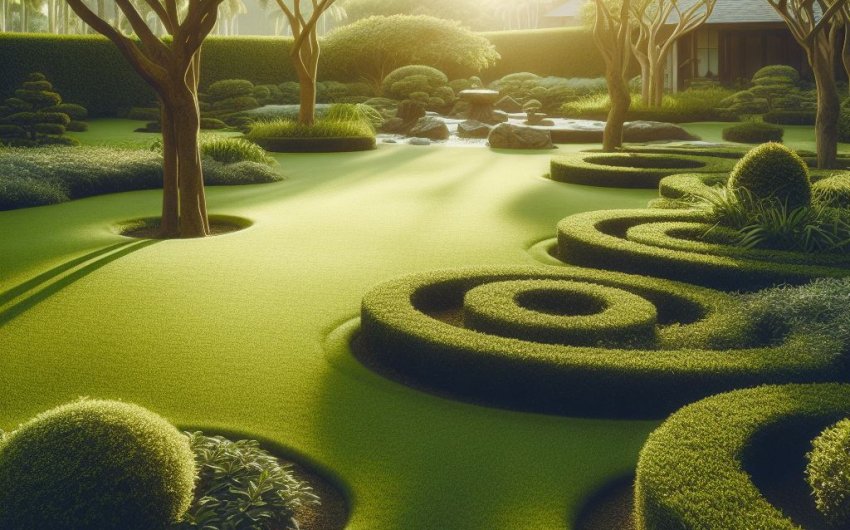
Creating a low-maintenance lawn is entirely achievable by implementing smart design choices, selecting resilient grass types, and adopting efficient care practices. The goal is to dramatically simplify your yard care routine without sacrificing a beautiful outdoor space. This guide provides practical tips to reduce time, effort, and resources spent on lawn upkeep.
Why Should You Strive for a Low-Maintenance Lawn?
Striving for a low-maintenance lawn offers significant advantages that go far beyond just saving time on yard work. It represents a more sustainable, cost-effective, and enjoyable approach to landscape management, freeing up your schedule for other pursuits. Understanding these benefits highlights how effectively simplifying your yard care routine can improve your quality of life.
What are the Benefits of a Simplified Yard Care Routine?
A simplified yard care routine brings a wealth of benefits that extend to your wallet, your free time, and even the environment. By embracing strategies for a low-maintenance lawn, you transform a chore into an enjoyable part of homeownership. This approach fundamentally improves how you interact with your outdoor space, leading to a truly greener yard in more ways than one.
Here are the benefits of a simplified yard care routine:
- More Free Time: This is often the biggest motivator. Less time spent mowing, watering, fertilizing, and weeding means more time for family, hobbies, relaxation, or other activities you enjoy.
- Reduced Costs:
- Less Water: Choosing drought-tolerant plants and efficient irrigation can significantly lower your water bill.
- Fewer Chemicals: Less need for synthetic fertilizers, herbicides, and pesticides saves money on product purchases.
- Less Fuel/Electricity: Reduced mowing frequency or smaller lawn areas mean lower fuel costs for gas mowers or lower electricity bills for electric ones.
- Less Equipment Wear: Less frequent use of equipment extends its lifespan, delaying replacement costs.
- Fewer Professional Services: Less need for paid lawn care services.
- Environmental Benefits:
- Water Conservation: Direct result of water-wise plant choices and irrigation.
- Reduced Pollution: Less chemical runoff into waterways and fewer emissions from lawn equipment.
- Increased Biodiversity: Can support local pollinators and beneficial insects with diverse plantings.
- Reduced Physical Effort: Mowing and other yard tasks can be physically demanding. A low-maintenance lawn minimizes strenuous labor, making it accessible for people of all ages and fitness levels.
- Less Stress: Constantly battling weeds, brown spots, or high maintenance demands can be a source of stress. A simplified routine means less worry and more enjoyment of your outdoor space.
- Sustainable Landscape: Contributes to a more sustainable lifestyle and reduces your ecological footprint.
- Resilient Yard: Often, low-maintenance lawns are more resilient to common problems like drought, pests, and diseases because they are designed to thrive with minimal intervention.
How Much Time and Money Can a Low-Maintenance Lawn Save You?
A low-maintenance lawn can deliver substantial savings in both time and money, proving that a beautiful yard doesn't have to be a costly or labor-intensive burden. By making smart choices, you significantly reduce the ongoing inputs required for upkeep. These savings are a compelling reason to consider simplifying your yard care routine and embracing a more efficient approach to your outdoor space.
Time Savings:
- Mowing: Reduces mowing frequency from weekly to bi-weekly or even monthly, or eliminates it entirely in some areas. This alone can save dozens of hours per year.
- Watering: Installing efficient irrigation or choosing drought-tolerant plants can automate or significantly cut down on manual watering time, saving hours of dragging hoses.
- Weeding: A dense, healthy, low-maintenance lawn naturally suppresses weeds, meaning less time spent hand-pulling or applying herbicides. This can save many hours of tedious work.
- Fertilizing: Organic or slow-release fertilizers mean fewer applications compared to traditional regimens.
- Overall: Depending on the size of your yard and the extent of your low-maintenance conversion, you could save anywhere from 50 to 100+ hours per year on yard care.
Money Savings:
- Water Bills: Can see a reduction of 30-70% or more on your irrigation water bill by choosing drought-tolerant grasses, efficient irrigation, and native plants.
- Fertilizers and Chemicals: Eliminating or drastically reducing synthetic fertilizers, herbicides, and pesticides saves hundreds of dollars annually for the average homeowner. Organic options, while sometimes having a higher upfront cost, are often applied less frequently or can be self-generated (e.g., compost).
- Equipment Costs: Less frequent use of mowers, trimmers, and other power tools means less wear and tear, extending their lifespan. Reduced fuel/electricity costs.
- Professional Services: If you currently pay for lawn care, a low-maintenance lawn can significantly reduce or eliminate these expenses, saving hundreds to thousands of dollars annually.
- Initial Investment vs. Long-Term Savings: While some low-maintenance conversions (e.g., installing drip irrigation, planting native beds) might have an upfront cost, the long-term savings in time and money typically outweigh this initial investment within a few years.
What are the Best Low-Maintenance Grass Types?
Choosing the best low-maintenance grass types is arguably the most impactful decision you can make when creating a low-maintenance lawn. Different grasses have wildly varying needs for water, mowing, and fertilization. Selecting a variety naturally suited to your climate and lifestyle dramatically simplifies your yard care routine by aligning with your goals for reduced upkeep.
Which Cool-Season Grasses Require Less Upkeep?
For those in cooler climates, identifying cool-season grasses that require less upkeep is key to creating a low-maintenance lawn. While typically needing more water than their warm-season counterparts, certain varieties stand out for their ability to thrive with reduced inputs for mowing and fertilization. Opting for these specific grass types helps to simplify your yard care routine.
Here are cool-season grasses that require less upkeep:
- Fine Fescues (Creeping Red Fescue, Chewings Fescue, Hard Fescue, Sheep Fescue):
- Why they're low maintenance: These grasses are renowned for their low water, low fertilizer, and low mowing needs. They tolerate shade well and can survive in poor soils. Some varieties can even be grown as "no-mow" or "low-mow" fescues, needing cutting only once or twice a year for a natural, flowing look.
- Characteristics: Very fine texture, often a grayish-green color. Good for blends or as a standalone for a more naturalistic lawn.
- Ideal for: Shady areas, sloped areas, or areas where you want a natural, meadow-like appearance.
- Considerations: Not as wear-tolerant as Kentucky Bluegrass, can be slow to establish.
- Tall Fescue (Improved Varieties):
- Why it's low maintenance: While still requiring more water than fine fescues, modern, improved varieties of Tall Fescue are significantly more drought-tolerant and disease-resistant than older types. They also need less nitrogen than Kentucky Bluegrass.
- Characteristics: Coarse to medium texture, deep green color, very deep root system. Good wear tolerance.
- Ideal for: A traditional lawn look with reduced water and fertilization needs compared to Kentucky Bluegrass. Great for a transition zone.
- Considerations: Still requires regular mowing, though less frequent than Bluegrass.
- Perennial Ryegrass (in blends):
- Why it's low maintenance: While it grows quickly and requires regular mowing, it's often included in low-maintenance blends for its rapid germination, good wear tolerance, and ability to establish quickly, which helps to crowd out weeds.
- Characteristics: Fine to medium texture, bright green.
- Ideal for: Quick establishment in new lawns or overseeding, often combined with fescues or bluegrass.
- Considerations: Needs consistent mowing, can struggle in extreme heat.
Which Warm-Season Grasses Excel in Minimal Care?
For homeowners in warmer climates, selecting warm-season grasses that excel in minimal care is paramount for creating a low-maintenance lawn. These varieties are naturally adapted to heat and drought, reducing the need for constant watering, while also tolerating less frequent mowing and fertilization. Choosing the right grass type fundamentally helps to simplify your yard care routine.
Here are warm-season grasses that excel in minimal care:
- Buffalograss (Bouteloua dactyloides):
- Why it's low maintenance: This is arguably the ultimate low-maintenance warm-season grass. It's incredibly drought-tolerant, requiring very little water once established. It also needs minimal fertilization (often none) and can be left unmowed for a meadow-like look or mowed infrequently (once or twice a month).
- Characteristics: Fine texture, grayish-green, very low growing.
- Ideal for: Arid and semi-arid regions, areas where water conservation is critical, and low-traffic areas.
- Considerations: Turns tan/brown with the first frost, not ideal for heavy foot traffic, can be slow to establish from seed.
- Zoysia Grass (Zoysia japonica):
- Why it's low maintenance: Once established, Zoysia is very drought-tolerant and requires less frequent watering than Bermuda or St. Augustine. It also needs less fertilizer and grows slowly, meaning less frequent mowing.
- Characteristics: Very dense, fine to medium texture, stiff blades, medium green. Forms a beautiful, thick turf.
- Ideal for: Transition zones and warm climates where a dense, uniform lawn is desired with less input.
- Considerations: Very slow to establish (can take years from seed or plugs), goes dormant (brown) in winter.
- Centipede Grass (Eremochloa ophiuroides):
- Why it's low maintenance: Known as "lazy man's grass." It has a very low fertilizer requirement and a naturally slow growth rate, significantly reducing mowing frequency. It's moderately drought-tolerant.
- Characteristics: Coarse texture, apple-green color, low-growing, spreads by stolons.
- Ideal for: Southeastern U.S., particularly in sandy, acidic soils.
- Considerations: Poor wear tolerance, struggles with high pH soils, goes dormant in winter.
- Bahia Grass (Paspalum notatum):
- Why it's low maintenance: Extremely tough and adaptable, thriving in poor, sandy soils with minimal fertilization. It's very drought-tolerant once established.
- Characteristics: Coarse texture, light green color, open growth habit, produces tall seed stalks.
- Ideal for: Southern regions, especially in sandy soils, roadsides, and large, low-input areas.
- Considerations: Can look a bit "weedy" if not regularly mowed to suppress seed heads.
What Are Smart Design Choices for a Low-Maintenance Yard?
Making smart design choices is the most proactive step when creating a low-maintenance lawn, setting the foundation for effortless upkeep from the outset. Strategic planning of your landscape can drastically reduce future chores, conserving both time and resources. These design-focused sustainable tips for a greener yard fundamentally simplify your yard care routine.
How Can You Reduce Lawn Size and Incorporate Hardscaping?
Reducing lawn size and incorporating hardscaping are two of the most impactful smart design choices for drastically decreasing yard work and making your landscape more sustainable. Less grass means less mowing, watering, and fertilizing. This shift is a core strategy for creating a low-maintenance lawn and fundamentally helps to simplify your yard care routine.
Reducing Lawn Size:
- Why it helps:
- Less Mowing: Smaller grass areas mean less time spent on this most frequent chore.
- Less Watering: Reduced turf area directly translates to significant water savings.
- Less Fertilizing/Weeding: Smaller areas require less product and effort for chemical inputs.
- How to Reduce Lawn Size:
- Expand Garden Beds: Widen existing flower beds or create new ones, pushing them further into the lawn area. Fill them with low-maintenance plants, shrubs, or perennials.
- Add Groundcovers: Replace sections of grass with low-growing, spreading groundcovers that require minimal or no mowing. Choose drought-tolerant varieties suited to your climate.
- Plant Trees and Shrubs: Create new planting islands or expand existing ones. The shade from trees will also help existing grass survive with less water.
- Create Natural Areas: Designate sections of your yard for native wildflowers, meadow grasses, or simply a mulched area under trees.
- Define Zones: Think about areas where grass is truly needed for play or aesthetics, and convert unnecessary lawn to other low-maintenance options.
Incorporating Hardscaping:
- Why it helps: Hard surfaces like patios, decks, walkways, and gravel areas require virtually no maintenance. They also define spaces and add structure to your landscape.
- How to Incorporate Hardscaping:
- Enlarge Patios or Decks: Expand your outdoor living spaces to cover more ground that would otherwise be lawn.
- Install Pathways: Create attractive pathways using pavers, gravel, or stepping stones to connect different areas of your yard, replacing grass.
- Create Defined Borders: Use hardscaping materials like bricks or stone along the edges of garden beds or between different landscape zones.
- Add Decorative Elements: Incorporate fountains, sculptures, or fire pits into hardscaped areas.
- Benefits:
- Zero Maintenance: No mowing, watering, or fertilizing required.
- Durability: Long-lasting and can add value to your home.
- Aesthetic Appeal: Creates visual interest and structure.
- Functional Space: Provides areas for entertainment, dining, or relaxation.
How Do Native and Drought-Tolerant Plants Contribute to Low Maintenance?
Native and drought-tolerant plants are foundational smart design choices for creating a low-maintenance lawn, aligning perfectly with the goal of reducing upkeep. These resilient species are naturally adapted to your local climate and conditions, making them thrive with minimal intervention. Incorporating them is a powerful way to simplify your yard care routine and foster a sustainable landscape.
Native Plants:
- What they are: Plants that are indigenous to your specific region and have evolved over time to thrive in its climate, soil, and ecosystem.
- Why they're low maintenance:
- Naturally Adapted: They are already accustomed to your local rainfall patterns, soil types, and temperatures, meaning they require minimal supplemental watering once established.
- Pest and Disease Resistant: They have co-evolved with local pests and diseases, often developing natural resistances, reducing the need for pesticides.
- No Fertilizer Needed: They thrive in the existing soil conditions and rarely require additional fertilization.
- Support Local Ecosystem: Provide essential food and habitat for local wildlife, pollinators, and beneficial insects.
- How to incorporate:
- Replace Lawn Sections: Convert parts of your lawn into native plant beds or meadows.
- Use in Borders: Plant native shrubs and perennials along property lines or in existing garden beds.
- Consult Local Resources: Contact your local extension office or native plant societies for lists of plants specific to your region.
Drought-Tolerant Plants (Xeriscaping):
- What they are: Plants (which can include natives, but also non-natives) that have adapted to survive with very little water once established. They often have features like thick, waxy leaves; silvery foliage; deep taproots; or succulent structures to conserve moisture.
- Why they're low maintenance:
- Minimal Watering: Their primary benefit is drastically reduced water needs.
- Hardy: Often tough and resilient to harsh conditions.
- How to incorporate:
- Replace Thirsty Plants: Swap out high-water-use plants in your garden beds for drought-tolerant alternatives.
- Design Xeriscapes: Create dedicated low-water garden areas or rock gardens.
- Examples: Lavender, rosemary, sedums, many ornamental grasses, coneflowers, certain salvias, some varieties of succulents.
- Considerations: Always select plants appropriate for your hardiness zone.
The Power of Both: Combining native plants (which are inherently drought-tolerant) with other well-adapted, non-native drought-tolerant species provides the most robust and diverse low-maintenance landscape.
What are Efficient Care Practices for a Low-Maintenance Lawn?
Adopting efficient care practices is fundamental to creating a low-maintenance lawn, ensuring that the minimal effort you put in yields maximum results. These proactive habits reduce the frequency and intensity of chores, streamlining your entire yard routine. Implementing these sustainable tips for a greener yard is key to truly simplifying your yard care routine.
How Do Smart Mowing and Watering Help Reduce Upkeep?
Smart mowing and watering practices are core components of efficient care practices, dramatically helping to reduce upkeep in a low-maintenance lawn. By tailoring these fundamental tasks to the grass's needs and environmental conditions, you minimize effort while promoting turf health and resilience. These adjustments are vital for simplifying your yard care routine.
Smart Mowing Practices:
- Mow at the Highest Recommended Height:
- How it helps: Taller grass shades the soil, keeping it cooler and significantly reducing water evaporation. It also encourages deeper root growth, making the lawn more drought-tolerant. Taller grass also naturally suppresses weed growth by blocking sunlight from reaching weed seeds.
- Action: Set your mower blade to the upper end of the recommended range for your grass type (e.g., 3-4 inches for fescue, 2-3 inches for Zoysia).
- Mow Less Frequently:
- How it helps: By mowing at a taller height, you can often extend the time between mowings without violating the "one-third rule" (never remove more than one-third of the grass blade at once).
- Action: Adjust mowing frequency based on grass growth, not a rigid schedule.
- Leave Grass Clippings (Mulch Mowing):
- How it helps: Short, finely chopped grass clippings act as a natural fertilizer, returning nitrogen, potassium, and phosphorus to the soil. They also add organic matter, improving soil health and water retention.
- Action: Use a mulching mower or a mulching blade and ensure clippings are short enough to disappear into the lawn.
- Use a Sharp Mower Blade:
- How it helps: A sharp blade makes a clean cut, which helps the grass heal quickly and reduces stress. Stressed grass is more susceptible to disease and requires more resources to recover.
- Action: Sharpen your mower blade at least once per season.
Smart Watering Practices:
- Water Deeply and Infrequently:
- How it helps: Encourages deep root growth, making the grass much more drought-tolerant and less reliant on frequent watering. It also allows the topsoil to dry, discouraging weeds and fungal diseases.
- Action: Apply 1-1.5 inches of water when the lawn shows signs of thirst (e.g., dull color, footprints remain), rather than on a schedule.
- Water in the Early Morning:
- How it helps: Minimizes water loss to evaporation from the sun and wind, and allows grass blades to dry before nightfall, significantly reducing disease risk.
- Action: Set your irrigation system to run between 4 AM and 10 AM.
- Install Smart Irrigation Controllers:
- How it helps: These controllers automatically adjust watering schedules based on local weather, rainfall, and soil moisture, preventing overwatering and ensuring water is only applied when needed.
- Action: Consider upgrading to a smart sprinkler controller for automated efficiency.
- Use Drip Irrigation for Beds:
- How it helps: Delivers water directly to the plant's root zone, minimizing evaporation and runoff.
- Action: Install a drip irrigation system in garden beds to conserve water for those areas.
How Do Organic Fertilization and Natural Pest Control Simplify Maintenance?
Embracing organic fertilization and natural pest control are pivotal efficient care practices that dramatically simplify maintenance for a low-maintenance lawn. By working with nature to build soil health and foster ecological balance, you reduce reliance on costly and time-consuming chemical inputs. These sustainable tips for a greener yard create a resilient landscape that practically cares for itself.
Organic Fertilization:
- How it Simplifies Maintenance:
- Slow, Steady Release: Organic fertilizers (compost, compost tea, organic granular fertilizers) release nutrients gradually as soil microbes break them down. This provides consistent feeding, preventing sudden growth surges that require frequent mowing.
- Feeds the Soil: Organic methods improve soil structure, water retention, and microbial activity over time. A healthy soil equals healthy grass that is naturally more vigorous and resistant to problems, requiring less intervention.
- Reduced Burn Risk: Organic fertilizers have a much lower risk of "burning" the lawn compared to concentrated synthetic salts, meaning fewer mistakes and less corrective action.
- Fewer Applications: Due to their slow-release nature and soil-building benefits, organic fertilizers often require fewer applications throughout the year.
- Action:
- Regularly topdress your lawn with a thin layer of organic compost.
- Use commercially available organic lawn fertilizers that feed the soil.
- Leave grass clippings on the lawn.
Natural Pest Control:
- How it Simplifies Maintenance:
- Prevention through Health: A healthy, dense lawn (achieved through proper mowing, watering, and organic feeding) is naturally more resistant to pests. Strong plants can tolerate minor infestations without significant damage.
- Encourages Beneficial Insects: Avoiding broad-spectrum chemical pesticides allows beneficial insects (ladybugs, lacewings, ground beetles) to thrive. These natural predators control pest populations for you.
- Targeted Biologicals: Using specific beneficial nematodes (e.g., for grubs) targets pests without harming other organisms or requiring broadcast chemical applications.
- Less Monitoring/Treatment: A balanced ecosystem with natural pest control means fewer outbreaks and less time spent monitoring for pests or applying treatments.
- Action:
- Avoid synthetic pesticides.
- Plant pollinator-friendly flowers in adjacent beds to attract beneficial insects.
- Consider applying beneficial nematodes if grubs are a recurring issue.
- Hand-pull weeds early to eliminate pest habitats.
How Can You Automate and Optimize Your Low-Maintenance Yard?
To truly master creating a low-maintenance lawn, automation and strategic optimization are the next logical steps, leveraging technology and smart planning to further streamline your routine. These advanced tactics push the boundaries of efficiency, ensuring your yard virtually cares for itself. Embracing these sustainable tips for a greener yard is key to fully simplifying your yard care routine.
What Technologies and Techniques Make Yard Care Effortless?
Leveraging technologies and techniques can make yard care effortless, transforming a labor-intensive chore into a seamless, automated process. From intelligent irrigation to robotic assistance, these innovations are designed to minimize manual effort, allowing you to enjoy your outdoor space without the constant demands of maintenance. Embracing them is key to simplifying your yard care routine.
Here are technologies and techniques that make yard care effortless:
- Smart Irrigation Systems:
- How it works: As discussed, these controllers (connected via Wi-Fi to weather data or to soil moisture sensors) automatically adjust watering schedules.
- Benefits: Takes the guesswork out of watering, ensures optimal water delivery, prevents over/under-watering, and saves significant amounts of water. You literally set it and forget it (mostly). A WiFi smart sprinkler controller is a popular choice.
- Robotic Lawn Mowers:
- How it works: Battery-powered, self-charging mowers that operate within a boundary wire, quietly mowing your lawn on a set schedule.
- Benefits: Completely eliminates the chore of mowing. Maintains a consistently perfect lawn height by frequently "nosing" clippings back into the turf, which acts as a natural fertilizer. Quiet operation.
- Considerations: Significant upfront investment, requires perimeter wire installation. Look for a robotic lawn mower with features suited to your lawn size.
- Drip Irrigation and Soaker Hoses:
- How it works: Deliver water directly and slowly to the root zone of plants in garden beds, containers, and around trees/shrubs.
- Benefits: Highly water-efficient (minimal evaporation/runoff), prevents wetting foliage (reduces disease), and is easily automated with a simple timer.
- Action: Install a drip irrigation system with timer for your non-lawn areas.
- Automated Lighting Systems:
- How it works: Outdoor lighting connected to timers or light sensors.
- Benefits: Provides security, ambiance, and extends the enjoyment of your yard without manual effort.
- Mulching (Extensively):
- How it works: Apply thick layers of organic mulch (wood chips, shredded bark) in garden beds, around trees, and in non-lawn areas.
- Benefits: Suppresses weeds (dramatically reduces weeding time), retains soil moisture (reduces watering), regulates soil temperature, and adds organic matter as it decomposes. A bulk bag of cedar mulch can be cost-effective.
- Low-Maintenance Plant Selection:
- How it works: As previously discussed, choosing native plants, drought-tolerant plants, and those suited to your specific climate and soil type reduces needs for water, fertilizer, and pest control.
- Benefits: Plants thrive with minimal intervention.
- Self-Cleaning Water Features:
- How it works: Ponds or fountains designed with proper filtration and biological balance that require less frequent cleaning.
- Benefits: Enjoyment without constant maintenance.
By systematically creating a low-maintenance lawn through smart grass choices, efficient care practices, and strategic design, you fundamentally simplify your yard care routine. This comprehensive approach transforms your outdoor space from a demanding chore into a vibrant, resilient, and enjoyable landscape that requires minimal input, allowing you to reclaim your time and resources while still enjoying a beautiful yard.