
Preventing Soil Compaction: Techniques to Preserve Your Lawn's Root Health
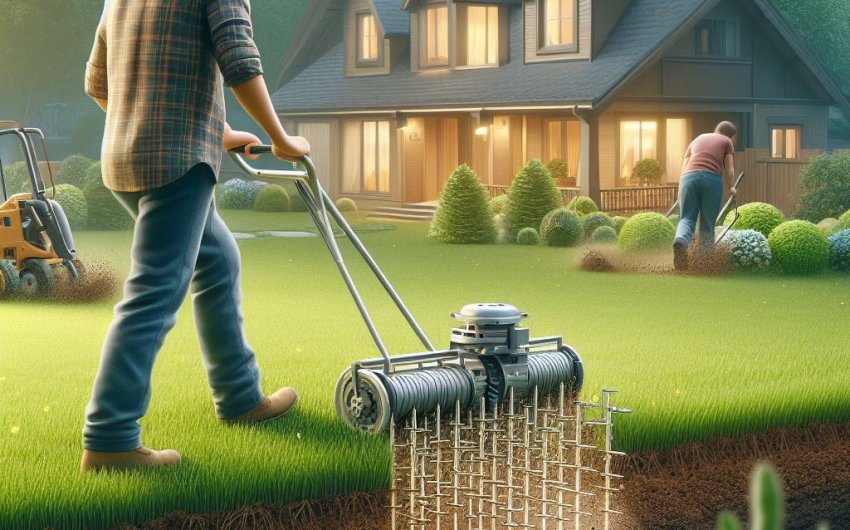
Preventing soil compaction is a crucial proactive measure for cultivating a healthy, thriving lawn, directly impacting its ability to absorb water and nutrients. Employing specific techniques to preserve your lawn's root health ensures deeper root growth, better drainage, and a more resilient turf. This guide details strategies to keep your soil loose and your grass robust.
Why is Preventing Soil Compaction So Important for Your Lawn?
Preventing soil compaction is a cornerstone of effective lawn care, acting as an invisible barrier that can hinder all your other efforts. When soil becomes dense, it starves grass roots of essential elements, leading to a host of problems. Understanding this fundamental issue highlights why proactively employing techniques to preserve your lawn's root health is paramount for a vibrant and resilient turf.
What Problems Does Compacted Soil Create for Your Grass?
Compacted soil is a silent, insidious enemy of a healthy lawn, creating an environment where grass struggles to access vital resources. This common problem, often exacerbated by everyday activities, severely restricts root growth and nutrient uptake. Understanding the numerous issues it causes underscores the critical need for preventing soil compaction and safeguarding your lawn's vitality.
Here's how compacted soil harms your grass:
- Restricts Root Growth and Depth:
- Mechanism: When soil particles are pressed tightly together, there's little space for grass roots to penetrate and expand. Roots grow horizontally and remain shallow.
- Harm: Shallow roots cannot access water and nutrients stored deeper in the soil, making the grass highly susceptible to drought, heat stress, and nutrient deficiencies.
- Poor Water Penetration and Drainage:
- Mechanism: Compacted soil acts like a brick, preventing water from soaking in. Instead, water pools on the surface and runs off.
- Harm: Leads to wasted water, dry spots in the lawn, and often waterlogged conditions near the surface after rain, which can promote fungal diseases like root rot.
- Reduced Nutrient Absorption:
- Mechanism: Even if fertilizers are applied, compacted soil limits their movement to the root zone. Nutrients sit on the surface or are washed away.
- Harm: Grass remains hungry and weak, exhibiting pale color and stunted growth, despite fertilization efforts.
- Limited Air Exchange:
- Mechanism: Roots, like all living organisms, need oxygen to "breathe" (respire) and function properly. Compacted soil significantly reduces the air pockets in the soil.
- Harm: Oxygen deprivation impairs root health, leads to a buildup of toxic gases, and hinders beneficial microbial activity, ultimately weakening the entire grass plant.
- Increased Thatch Buildup:
- Mechanism: Poor air circulation and reduced microbial activity (due to lack of oxygen) slow down the natural decomposition of thatch (a layer of dead grass between the soil and green blades).
- Harm: Excessive thatch creates a barrier that further impedes water and air, and harbors pests and diseases.
- Promotes Weed Growth:
- Mechanism: Weak, thinning grass due to compaction leaves bare spots that are prime targets for weeds, many of which are more tolerant of poor soil conditions than turfgrass.
- Harm: Weeds compete aggressively for the limited resources, further stressing the grass.
- Increased Disease and Pest Susceptibility:
- Mechanism: Stressed, weak grass is inherently more vulnerable to various lawn diseases and insect infestations, as its natural defenses are compromised.
- Harm: Leads to a cycle of problems, requiring more chemical intervention.
How Does Healthy Soil Structure Support Your Lawn's Root System?
Healthy soil structure is the bedrock of a robust and resilient lawn, providing the optimal environment for your grass's root system to flourish. When soil is well-structured, it forms a balanced matrix of solids, water, and air, which is crucial for nutrient and water uptake. Understanding this foundational aspect highlights why preventing soil compaction is paramount for preserving your lawn's root health.
Here's how healthy soil structure supports your lawn's root system:
- Optimal Pore Space:
- Mechanism: Healthy soil (especially loam, but also amended clay or sand) has a balanced distribution of large pores (macropores) and small pores (micropores). Macropores allow for good aeration and drainage; micropores hold water.
- Support: This ensures roots have consistent access to both oxygen and water, preventing both suffocation (from waterlogging) and dehydration.
- Easy Root Penetration:
- Mechanism: Loose, well-aggregated soil offers minimal physical resistance.
- Support: Roots can easily grow deeper and spread wider, establishing an extensive network that anchors the plant and allows it to access a larger reservoir of water and nutrients.
- Efficient Water and Nutrient Movement:
- Mechanism: The interconnected network of pores allows water to infiltrate quickly and move efficiently throughout the root zone. Nutrients, dissolved in this water, are readily transported to the roots.
- Support: Roots receive the constant supply of water and nutrients they need for vigorous growth and function.
- Thriving Microbial Ecosystem:
- Mechanism: Healthy soil structure creates ideal conditions for beneficial soil microorganisms (bacteria, fungi, earthworms).
- Support: These microbes play a vital role in breaking down organic matter, converting nutrients into plant-usable forms, and improving soil aggregation (forming stable clumps of soil particles that resist compaction).
- Improved Drainage (Prevents Root Rot):
- Mechanism: Macropores facilitate drainage, preventing standing water and ensuring roots aren't starved of oxygen.
- Support: Protects roots from oxygen deprivation and fungal diseases like root rot.
- Buffering Capacity:
- Mechanism: Soil with good structure and organic matter has a higher buffering capacity, making it more resistant to drastic changes in pH.
- Support: Ensures nutrients remain available to roots even if minor pH shifts occur.
What Are the Main Causes of Soil Compaction?
Understanding the main causes of soil compaction is the first step in effectively preventing soil compaction in your lawn. Many everyday activities and environmental factors can inadvertently contribute to dense, unhealthy soil. Recognizing these triggers is crucial for adopting proactive techniques to preserve your lawn's root health and maintain a thriving turf.
How Do Foot Traffic and Equipment Contribute to Compacted Soil?
Foot traffic and equipment are two of the most significant and preventable causes of soil compaction in home lawns. The repetitive weight applied to the soil surface crushes soil particles together, eliminating vital pore space. Understanding their impact is key to implementing techniques to preserve your lawn's root health and avoid unintentional damage.
Foot Traffic:
- Mechanism: Every step taken on your lawn exerts pressure on the soil. When this pressure is repetitive in the same areas (e.g., paths, play areas, common walkways), it physically pushes soil particles closer, collapsing the air and water pores.
- Areas Most Affected:
- Pathways: Areas where people consistently walk, creating visible trails.
- Play Areas: Spots where children and pets frequently run and play.
- Around Driveways/Patios: Entry and exit points often see concentrated foot traffic.
- Under Clotheslines or Around Mailboxes: Small, frequently visited spots.
- Impact: Leads to hard, dense soil that restricts root growth, water infiltration, and air exchange in those specific areas. The grass in these spots often looks thin, worn, or struggles to grow.
- Prevention:
- Create Designated Pathways: Use stepping stones, mulch, or pavers in high-traffic zones to direct foot traffic off the grass.
- Rotate Play Areas: If possible, change the location of temporary play structures to distribute wear.
- Reduce Traffic on Wet Soil: Avoid walking on wet lawns, as moist soil compacts more easily.
Equipment (Mowers, Tractors, Vehicles):
- Mechanism: The weight of lawn mowers (especially heavier riding mowers), garden tractors, and vehicles (if driven on the lawn) exerts significant pressure on the soil, compacting it. The heavier the equipment, the greater the compaction.
- Areas Most Affected:
- Mower Wheel Paths: Especially if you mow in the same pattern repeatedly.
- Turns/Pivot Points: Areas where mowers turn sharply, as this concentrates weight and creates shearing forces.
- Areas where Equipment is Stored: If a mower always sits in the same spot on the lawn.
- Service Routes: Paths used by delivery trucks or utility vehicles.
- Impact: Leads to widespread or localized compaction, inhibiting overall lawn health, drainage, and root development.
- Prevention:
- Vary Mowing Patterns: Change the direction you mow each time to distribute the weight of the mower more evenly across the lawn.
- Use Lighter Equipment: Consider a lighter push mower or electric mower instead of a heavy riding mower if your lawn size allows.
- Avoid Mowing Wet Soil: Wet soil compacts much more easily than dry soil. Wait until your lawn is dry before mowing.
- Maintain Tire Pressure: Ensure mower tires are properly inflated, as underinflated tires can increase compaction.
- Keep Vehicles Off Lawn: Never drive cars or heavy equipment onto your lawn.
What Role Do Soil Type and Construction Play in Compaction?
Beyond traffic, soil type and construction practices are fundamental causes of soil compaction, often creating inherent challenges for a healthy lawn from the very beginning. Understanding how these factors contribute to dense soil is essential for preventing soil compaction and developing effective techniques to preserve your lawn's root health in the long term.
Soil Type:
- Clay Soils:
- Mechanism: Clay particles are very small and plate-like. When wet, they can stick together tightly, and when dry, they form hard, dense clods. They have very small pore spaces.
- Impact: Clay soils are highly prone to compaction. They easily become waterlogged, leading to poor drainage and oxygen deprivation for roots. Once compacted, they are notoriously difficult to loosen.
- Prevention/Mitigation: Require more aggressive and frequent aeration. Regular incorporation of organic matter (compost) is crucial to improve structure.
- Sandy Soils:
- Mechanism: Sand particles are large and coarse. While they drain very quickly and resist compaction in some ways, they also have very little organic matter to help bind them together into aggregates.
- Impact: While less prone to becoming rock-hard like clay, sandy soils can still compact, especially if they lack organic matter. Their rapid drainage means nutrients leach out quickly, and they struggle to retain water.
- Prevention/Mitigation: Benefit greatly from consistent addition of organic matter to improve water and nutrient retention and create better structure.
- Loam Soils:
- Mechanism: An ideal mix of sand, silt, and clay, often with good organic matter content. This balance provides good drainage, aeration, and water retention.
- Impact: Loam soils are the least prone to severe compaction and generally easiest to manage.
- Prevention/Mitigation: Still benefit from regular aeration, though less frequently than clay soils.
Construction Practices:
- Heavy Equipment:
- Mechanism: During home construction, heavy machinery (bulldozers, excavators, dump trucks) drives repeatedly over the land.
- Impact: This compresses the soil to extreme densities, often well below the surface. This "sub-surface compaction" can be very difficult to fix and can persist for many years, severely hindering root growth.
- Topsoil Removal/Disturbance:
- Mechanism: Original, healthy topsoil (rich in organic matter) may be removed or buried during construction, leaving behind infertile, compacted subsoil.
- Impact: New lawns planted on disturbed or removed topsoil will struggle from lack of nutrients and poor structure.
- Grading and Drainage Alterations:
- Mechanism: Land grading can alter natural drainage patterns, creating areas of poor drainage that exacerbate compaction issues.
- Prevention/Mitigation:
- Protect Topsoil: If building, ask contractors to preserve and stockpile existing topsoil, returning it after construction.
- Deep Tillage/Ripping: For severe construction-related compaction, deep tillage or ripping with specialized equipment (before laying turf) may be necessary to break up sub-surface compaction.
- Amend with Organic Matter: Heavily amend new lawns with high-quality compost to rebuild soil structure.
- Post-Construction Aeration: Plan for aggressive aeration (often annually) for the first few years after construction.
What Are the Best Techniques for Preventing Soil Compaction?
Implementing the best techniques for preventing soil compaction is a proactive and ongoing process that directly safeguards your lawn's vitality. By focusing on maintaining optimal soil structure and minimizing damaging pressures, you ensure your grass roots can flourish. These techniques to preserve your lawn's root health are the most effective way to keep your turf dense, green, and resilient.
How Do Proper Mowing and Watering Practices Reduce Compaction?
Proper mowing and watering practices are fundamental, everyday techniques for preventing soil compaction, working subtly yet powerfully to maintain healthy soil structure. These routine actions, when done correctly, minimize surface stress and promote deep root growth, which in turn keeps the soil loose and aerated. Understanding their role is crucial for preserving your lawn's root health.
Proper Mowing Practices:
- Vary Mowing Patterns:
- How it helps: Repeatedly mowing in the same direction causes constant pressure from mower wheels on the same strips of lawn, leading to compaction in those specific tracks.
- Action: Change your mowing direction each time you cut the grass (e.g., mow north-south, then east-west, then diagonally).
- Benefit: Distributes the weight of the mower more evenly, reducing concentrated compaction.
- Mow at the Correct Height (Taller):
- How it helps: Taller grass blades lead to deeper root growth. A robust, deep root system naturally creates pore spaces and helps to loosen the soil from within.
- Action: Maintain the highest recommended mowing height for your grass type (e.g., 2.5-3.5 inches for cool-season, 1.5-2.5 inches for warm-season).
- Benefit: Provides insulation, shades the soil (keeping it cooler and moister), and fosters strong roots that resist compaction.
- Avoid Mowing Wet Soil:
- How it helps: Wet soil particles are more easily compressed and compacted than dry soil particles.
- Action: Always wait until your lawn is relatively dry before mowing.
- Benefit: Prevents unnecessary compaction caused by the weight of the mower.
- Use Lighter Equipment:
- How it helps: Heavier riding mowers exert more pressure on the soil than lighter push mowers.
- Action: If practical for your lawn size, consider a lighter push mower or an electric option.
- Benefit: Reduces the overall compaction impact.
Proper Watering Practices:
- Water Deeply and Infrequently:
- How it helps: Deep watering moistens the soil to a significant depth, encouraging grass roots to grow deep into the soil. These deep roots create channels and help break up compaction from below. Allowing the soil to dry slightly between waterings also helps maintain its structure.
- Action: Apply 1-1.5 inches of water per session, and only water when the lawn shows signs of thirst.
- Benefit: Prevents shallow, weak roots that contribute to surface compaction. Also, prevents constant surface wetness that can lead to a mushy, compacted top layer.
- Avoid Overwatering:
- How it helps: Overwatering saturates the soil for too long, leading to waterlogging that can collapse soil aggregates and reduce pore space, particularly in clay soils.
- Action: Use a soil moisture meter to ensure you're not overwatering.
- Benefit: Maintains the crucial balance of air and water in the soil.
- Water in the Early Morning:
- How it helps: Allows water to penetrate the soil before significant evaporation, ensuring more efficient hydration and less need for compensatory watering that could lead to saturation.
- Action: Set your sprinklers to run between 4 AM and 10 AM.
How Do Aeration and Topdressing Directly Prevent Soil Compaction?
Aeration and topdressing are direct, powerful techniques for preventing soil compaction and actively improving soil structure. While aeration physically alleviates existing compaction, topdressing continuously enriches the soil, creating a lasting environment where roots thrive. Used together, these practices are foundational for preserving your lawn's root health.
Aeration:
- How it Works: Core aeration (the most effective method) physically removes small plugs or cores of soil from the lawn, creating thousands of open channels.
- Direct Prevention/Alleviation:
- Breaks Up Compaction: The act of removing soil plugs directly loosens compacted layers, immediately creating space for air, water, and roots.
- Improves Drainage: The channels allow water to infiltrate deeply rather than pooling or running off, preventing waterlogging that can lead to further compaction.
- Enhances Air Exchange: Oxygen can reach grass roots, which is vital for root health and the activity of beneficial soil microorganisms that help maintain soil structure.
- Promotes Deeper Roots: With less resistance, roots can grow deeper and stronger, creating natural pathways through the soil.
- Thatch Management: Helps break down excessive thatch, which can also contribute to compaction and reduce water penetration.
- When to Aerate: Annually or biennially, depending on soil type and traffic. Best done during the active growing season for your grass type (fall for cool-season, late spring/early summer for warm-season).
- Equipment: Rent a core aerator machine for larger lawns, or use a manual core aerator for smaller areas.
Topdressing:
- How it Works: Applying a thin, even layer (typically 1/4 to 1/2 inch) of organic material (like compost, a compost-sand mix, or high-quality topsoil) over the lawn.
- Direct Prevention/Mitigation:
- Increases Organic Matter: As the organic material works its way into the soil, it dramatically increases the soil's organic matter content. Organic matter is key to healthy soil structure and resists compaction.
- Improves Soil Aggregation: Organic matter helps soil particles clump together into stable aggregates, creating a more porous and resilient soil structure. This makes the soil less prone to compaction.
- Enhances Water Retention: Healthy soil with sufficient organic matter acts like a sponge, holding onto water while still allowing for good drainage and air flow.
- Feeds Soil Microbes: Compost is rich in beneficial microorganisms that further improve soil structure and nutrient cycling.
- When to Topdress: Best done immediately after aeration, so the organic material can fall into the holes and integrate effectively. Also done during the active growing season for your grass type.
- Material: Use high-quality lawn topdressing compost.
- Equipment: A compost spreader can make this job easier for larger areas.
Synergistic Effect: Aeration creates the pathways, and topdressing provides the material to fill those pathways, building better soil structure from within. Used together, they are a formidable duo against compaction.
How Do Cultural Practices and Soil Amendments Build Resilience?
Cultural practices and soil amendments are complementary techniques for preventing soil compaction, working together to build your lawn's long-term resilience from the ground up. Beyond direct alleviation, these methods focus on nurturing a healthy soil ecosystem and making your grass inherently stronger. This holistic approach is fundamental for preserving your lawn's root health and reducing future compaction issues.
Cultural Practices:
- Optimal Fertilization:
- How it helps: A well-fed lawn grows vigorously and develops a strong, deep root system. Healthy roots naturally resist compaction and help create channels in the soil.
- Benefit: Follow a balanced fertilization schedule based on a soil test to provide essential nutrients without over-fertilizing (which can promote shallow growth or unhealthy surges). Consider organic lawn fertilizer that feeds the soil microbes.
- Overseeding Regularly:
- How it helps: Introducing new grass seeds, especially after aeration, helps to thicken the lawn. A dense turf has a more extensive root system and creates less bare soil, making it more resilient to compaction.
- Benefit: Fills in thin spots and rejuvenates aging grass, contributing to overall soil health.
- Proper Soil pH:
- How it helps: Maintaining the optimal pH range (6.0-7.0 for most grasses) ensures nutrients are readily available. This leads to healthier grass plants with robust roots.
- Benefit: Strong roots are better equipped to penetrate and resist compaction. A balanced pH also supports beneficial soil microbes. A soil pH test kit is essential.
- Directing Foot Traffic:
- How it helps: Proactively prevents compaction in high-traffic areas.
- Benefit: Install garden path pavers or gravel paths where people frequently walk across the lawn. This diverts pressure away from the grass roots.
Soil Amendments (Beyond Topdressing with Compost):
- Gypsum (Calcium Sulfate):
- How it helps: Often recommended for clay soils, gypsum helps to flocculate (clump together) clay particles, improving their structure and making them less prone to compaction. It also provides calcium and sulfur.
- Benefit: Can help to break up extremely heavy clay soils, improving drainage and aeration.
- Note: Gypsum does not change soil pH.
- Wetting Agents (Soil Conditioners):
- How it helps: These products reduce the surface tension of water, allowing it to penetrate hydrophobic (water-repelling) soils more easily. This can occur in highly compacted soils or those with excessive thatch.
- Benefit: Ensures that water, once applied, can actually soak into the soil rather than running off. They don't fix compaction but help manage its symptoms. Use a lawn wetting agent in areas where water won't penetrate.
- Humic Acids and Fulvic Acids:
- How it helps: These are natural organic compounds that come from the decomposition of organic matter. They improve soil structure, enhance nutrient uptake, and stimulate microbial activity.
- Benefit: Contribute to overall soil health and resilience against compaction.
By embracing a comprehensive strategy for preventing soil compaction, you take a crucial step toward cultivating a truly healthy, thriving lawn. From diligently employing techniques to preserve your lawn's root health through proper mowing and watering, to actively aerating and enriching your soil, every action contributes to a vibrant, resilient turf. This proactive approach ensures your grass grows strong, deep roots, leading to a beautiful and robust lawn that stands the test of time and traffic.