
Design Your Dream Cut Flower Garden: Tips for a Stunning Layout
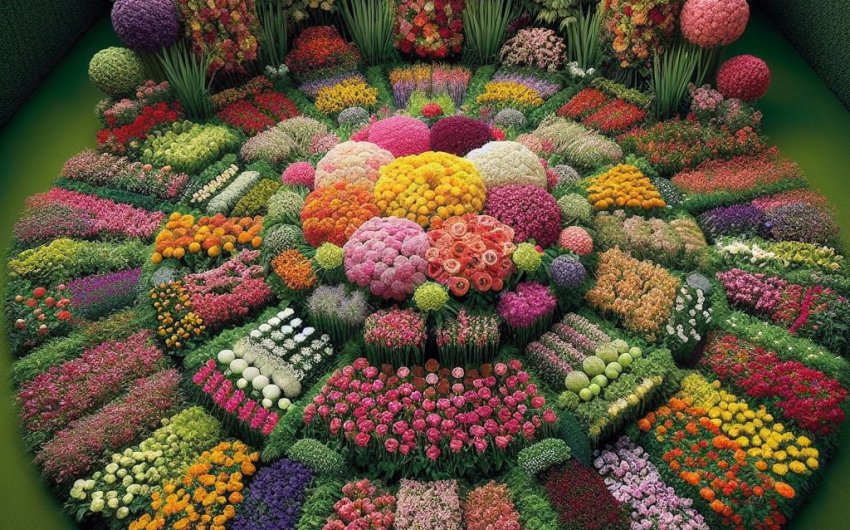
To design your dream cut flower garden, start with a clear vision of the floral bounty you wish to harvest, then select a site with ample sunlight and well-draining soil. A stunning layout prioritizes both aesthetic appeal and practical access for planting, tending, and harvesting flowers. This guide walks you through creating a beautiful and productive space.
Why is a Thoughtful Layout Key for a Productive Cut Flower Garden?
A thoughtful layout is key for a productive cut flower garden because it directly impacts efficiency, plant health, and the abundance of blooms you can harvest. Haphazard planting can lead to wasted space, tangled plants, and difficult access. Understanding this fundamental principle is essential to design your dream cut flower garden and ensure a stunning layout that yields a continuous supply of fresh flowers.
How Does Garden Layout Affect Your Flower Harvest and Ease of Care?
The garden layout profoundly affects both your flower harvest and the ease of care, turning daily tasks into either a joy or a chore. A well-planned arrangement optimizes space, light, and accessibility, directly influencing how many blooms you gather and how simply you can maintain your plants. Understanding this connection is vital for designing your dream cut flower garden and ensuring a truly stunning layout.
Here's how garden layout affects your harvest and ease of care:
- Maximizes Harvest Potential:
- Optimal Spacing: A good layout ensures each plant has enough room to grow to its full size, receive adequate light, and develop plenty of flowers without being crowded. Crowded plants produce fewer, smaller blooms.
- Light Exposure: Positioning plants based on their sun needs ensures maximum light for photosynthesis, which directly translates to more vigorous growth and abundant flowering.
- Succession Planting: A structured layout facilitates planning for succession planting, allowing you to harvest continuously throughout the growing season by staggering plantings.
- Easy Access: A well-designed path system allows you to reach all plants for regular harvesting, ensuring you pick blooms at their peak and encourage more to grow.
- Simplifies Ease of Care:
- Weeding: Defined beds and paths make weeding more manageable, as you can easily distinguish between desired plants and weeds. Less bending over is a plus!
- Watering: Grouping plants with similar water needs in specific zones allows for efficient watering, whether by hand or with an irrigation system.
- Pest and Disease Management: Good spacing improves air circulation around plants, which is a key factor in preventing many fungal diseases. Easy access means you can quickly spot and address pest issues.
- Fertilizing and Staking: When plants are organized, it's easier to apply targeted fertilizers and provide necessary support (staking) for taller varieties.
- Planting and Maintenance: A clear plan streamlines the entire gardening process, from initial planting to routine tasks and seasonal cleanup.
What are the Key Considerations Before You Start Designing Your Garden?
Before you even put pencil to paper, several key considerations are paramount for successfully designing your dream cut flower garden. These foundational elements dictate the viability and ultimate productivity of your space, influencing everything from plant selection to long-term maintenance. Thoughtful planning at this stage ensures a truly stunning layout that meets your expectations.
Key considerations before you start designing:
- Sunlight Exposure:
- Crucial: Most cut flowers are sun-lovers, requiring at least 6-8 hours of direct sunlight per day for optimal flowering. Some may tolerate partial sun (4-6 hours), but blooms will be reduced.
- Action: Observe your chosen area throughout the day in different seasons. Note where the sun falls and for how long.
- Soil Conditions:
- Crucial: Cut flowers thrive in rich, well-draining soil that is high in organic matter. They generally prefer a slightly acidic to neutral pH (6.0-7.0).
- Action: Perform a soil test to determine pH and nutrient levels. Observe drainage: if water pools for a long time after rain, drainage is poor. A soil test kit can provide valuable insights.
- Water Access:
- Important: Regular and consistent watering is essential for vigorous flower production.
- Action: Ensure your garden site is close enough to a water source for easy hose access, or plan for an irrigation system (e.g., drip lines).
- Garden Size and Shape:
- Consider: How much space do you realistically have or want to dedicate? Consider both the footprint and potential height of plants.
- Action: Measure your chosen area. Will it be a rectangular bed, an L-shape, or a series of smaller beds?
- Wind Protection:
- Consider: Strong winds can damage tall flower stalks, especially those loaded with blooms.
- Action: Look for natural windbreaks (fences, hedges, buildings) or plan to incorporate staking or a protective barrier.
- Accessibility:
- Consider: How will you get to your plants for planting, weeding, watering, staking, and most importantly, harvesting?
- Action: Plan for paths or stepping stones. Beds should ideally be no wider than 3-4 feet if accessible from one side, or 6-8 feet if accessible from both sides.
- Aesthetic Integration:
- Consider: How will the cut flower garden fit into your existing landscape? Do you want it to be a showpiece or more of a utilitarian cutting patch?
- Action: Think about colors, textures, and heights. Consider existing trees, shrubs, and structures.
- Time and Energy Commitment:
- Consider: Be realistic about how much time you can dedicate to gardening. Some flowers are higher maintenance than others.
- Action: Choose a size and plant selection that matches your available time.
What Are Popular Layout Styles for Cut Flower Gardens?
When you design your dream cut flower garden, exploring popular layout styles can provide inspiration and practical frameworks for arranging your plants. Each style offers unique advantages in terms of aesthetics, accessibility, and maximizing harvest. Understanding these options helps you choose a stunning layout that perfectly suits your space and gardening goals.
How Does the Row Garden Layout Work for High Yields?
The row garden layout is a classic and highly functional choice, particularly effective for maximizing yield and simplifying care in a cut flower garden. By arranging plants in straight lines, it prioritizes efficiency and accessibility, making it an excellent option for those focused on a bountiful harvest. Understanding its mechanics is crucial for a stunning layout focused on production.
How the Row Garden Layout Works for High Yields:
- Definition: Plants are grown in long, straight, parallel rows, with pathways between each row for access.
- Efficiency and Space Utilization:
- Optimized Planting: Allows for dense planting within each row, making efficient use of available square footage.
- Easy Spacing: Straight lines make it simple to space plants uniformly within rows and to maintain consistent distances between rows.
- Simplified Maintenance:
- Weeding: Weeding is straightforward as you can easily identify rows of desired plants versus weeds in the pathways or between plants.
- Watering: Ideal for basic irrigation systems like soaker hoses or drip lines that can run the length of the rows, providing targeted water delivery. A soaker hose kit is great for this.
- Harvesting: Easy access to every plant from the pathways, allowing for quick and efficient harvesting of many blooms. You don't have to step over plants.
- Staking: Support systems like trellising or netting can be easily installed down the length of rows for tall varieties like dahlias or gladiolus.
- High Yield Potential:
- By optimizing planting density, light exposure (all plants face the sun in rows), and easy maintenance/harvesting, the row layout is highly conducive to producing a large volume of flowers.
- Best for:
- Larger garden spaces dedicated primarily to flower production (like a small-scale flower farm).
- Gardeners who prioritize efficiency and harvest volume over intricate garden aesthetics.
- Growing single varieties in large blocks.
- Considerations:
- Can appear less aesthetically pleasing than more informal layouts if visible from public areas.
- May require more initial bed preparation for long, straight lines.
What are the Benefits of an Intensive Bed Layout?
The intensive bed layout is a highly popular and productive approach for a cut flower garden, particularly in smaller spaces, as it maximizes planting density and optimizes yields. By focusing on wide, often raised, beds with narrow pathways, it encourages close planting and simplifies many aspects of care. Understanding its benefits is key to designing your dream cut flower garden with a stunning layout.
Benefits of an Intensive Bed Layout:
- Maximum Yield in Limited Space:
- How it works: Beds are typically 3-4 feet wide (allowing access from both sides without stepping into the bed) and can be any length. Plants are spaced much closer together in a grid or staggered pattern than in traditional rows.
- Benefit: Utilizes nearly 100% of the growing area. Studies show significantly higher yields per square foot compared to row gardening.
- Enhanced Soil Health:
- How it works: Because you never step into the beds, the soil remains loose and uncompacted. Beds are typically prepared with deep layers of rich compost and organic matter.
- Benefit: Promotes deeper root growth, better water retention, improved drainage, and a thriving microbial ecosystem.
- Water Conservation:
- How it works: Close planting creates a living mulch, shading the soil and reducing evaporation. The improved soil structure also retains water more effectively. Ideal for drip irrigation systems that precisely water plants.
- Benefit: Requires less water overall compared to spaced-out rows, even with high density.
- Reduced Weeding:
- How it works: The dense canopy of plants created by close spacing effectively shades out weed seeds, preventing them from germinating.
- Benefit: Dramatically reduces the time spent weeding. Any weeds that do emerge are easy to spot and pull in the loose soil.
- Improved Air Circulation and Light:
- How it works: Although plants are close, their arrangement (often staggered) ensures good air movement around individual plants, reducing disease. Beds are positioned to capture maximum sunlight.
- Benefit: Healthier plants, fewer fungal issues.
- Ergonomics and Accessibility:
- How it works: Narrow beds mean you can reach every plant from the paths without straining or stepping on the soil. Raised beds further improve accessibility by reducing bending.
- Benefit: Makes planting, weeding, thinning, staking, and harvesting much more comfortable and efficient. A raised garden bed kit can make setup easier.
- Aesthetic Appeal:
- How it works: The dense planting creates a lush, continuous tapestry of foliage and flowers, often with more visual appeal than utilitarian rows.
- Benefit: Blends beauty with productivity, ideal for gardens visible from living spaces.
- Best for:
- Small to medium-sized cut flower gardens where space is a premium.
- Gardeners prioritizing high yields and efficient use of resources.
- Those who appreciate a neat and organized aesthetic.
How Do You Choose the Right Flowers for a Cutting Garden?
Choosing the right flowers is a delightful yet critical step when you design your dream cut flower garden, directly impacting your harvest, maintenance, and overall success. Selecting varieties known for their cutting qualities, longevity, and ease of growth ensures a continuous supply of beautiful blooms. This careful selection process is key to achieving a stunning layout that thrives.
What are the Best Annual Flowers for Continuous Harvesting?
For a constant supply of fresh blooms throughout the growing season, identifying the best annual flowers for continuous harvesting is a top priority in your cut flower garden. These prolific bloomers offer a quick reward for your efforts and are indispensable for maximizing your floral output. Understanding their characteristics is key to designing your dream cut flower garden with a stunning layout of vibrant, ephemeral beauty.
Here are the best annual flowers for continuous harvesting:
- Zinnia (Zinnia elegans):
- Why they're great: One of the easiest and most prolific annuals. The more you cut, the more they produce. Come in a vast array of colors, sizes, and forms (single, double, dahlia-flowered, cactus-flowered).
- Tips: Plant in full sun. Pinch young plants to encourage branching. Look for "Oklahoma," "Benary's Giant," or "State Fair" series.
- Cosmos (Cosmos bipinnatus):
- Why they're great: Delicate, airy blooms on tall, graceful stems. Easy to grow from seed, very prolific, and come in lovely shades of pink, white, purple, and yellow.
- Tips: Full sun. Pinching helps. Varieties like 'Sensation' or 'Double Click' are excellent.
- Celosia (Celosia argentea):
- Why they're great: Offers unique texture with feathery (plume), brain-like (crested), or spiky (wheat) flowers. Long vase life and striking colors.
- Tips: Full sun. Varieties like 'Cramer's Amazon Green' (plume) or 'Chief' series (crested) are popular.
- Snapdragon (Antirrhinum majus):
- Why they're great: Classic cottage garden flower with elegant spires of blooms. Produces continuously, especially if deadheaded or cut. Many colors.
- Tips: Full sun. Pinching encourages branching. Look for 'Madame Butterfly' or 'Rocket' series.
- Sweet Pea (Lathyrus odoratus):
- Why they're great: Intensely fragrant, delicate blooms on climbing vines. Produces prolifically if harvested regularly.
- Tips: Requires a trellis or support. Plant in cool weather for best results. Many heirloom varieties are highly scented. A sweet pea trellis is essential.
- Amaranth (Amaranthus species):
- Why they're great: Grown for its dramatic, often cascading or upright plumes of flowers in rich reds, greens, and bronzes. Adds unique texture and long vase life.
- Tips: Full sun. 'Love Lies Bleeding' (cascading) or 'Red Spike' (upright) are popular.
- Dahlia (Tender Annual/Perennial):
- Why they're great: While technically tender perennials (grown from tubers), many treat them as annuals in colder zones. Produce an astonishing array of forms, sizes, and colors. Incredibly productive.
- Tips: Full sun. Requires staking for taller varieties. Needs consistent watering and feeding. A dahlia staking kit can be very useful.
- Calendula (Calendula officinalis):
- Why they're great: Cheerful orange and yellow daisy-like flowers. Very easy to grow, cold-tolerant, and continuous bloomer. Edible petals.
- Tips: Full sun to partial shade. Deadhead regularly.
- Bachelor's Button (Centaurea cyanus):
- Why they're great: Classic cornflower blue (also pink, white, purple). Easy to grow, provides consistent small blooms for fillers.
- Tips: Full sun. Deadhead regularly for continuous bloom.
What are Reliable Perennials and Bulbs for Repeat Blooms?
For a cutting garden that returns year after year with stunning floral displays, selecting reliable perennials and bulbs for repeat blooms is a strategic choice. These long-lived plants form the backbone of your garden, providing consistent harvests and reducing the need for annual replanting. Understanding their enduring beauty is key to designing your dream cut flower garden with a truly stunning layout.
Here are reliable perennials and bulbs for repeat blooms:
Perennials (return year after year):
- Peony (Paeonia species):
- Why they're great: Exquisite, large, fragrant blooms in spring. Long-lived and require minimal care once established.
- Tips: Full sun. Plant in fall. Avoid planting too deep. Needs a peony ring support to prevent flopping.
- Echinacea (Echinacea purpurea, Coneflower):
- Why they're great: Iconic daisy-like flowers with a prominent cone, available in purple, pink, white, yellow, and orange. Drought-tolerant, attracts pollinators, and provides consistent blooms from summer to fall.
- Tips: Full sun. Deadhead to encourage more blooms.
- Lavender (Lavandula species):
- Why they're great: Fragrant purple spires, perfect for bouquets and drying. Drought-tolerant once established.
- Tips: Full sun, well-draining soil. Prune after flowering to maintain shape.
- Yarrow (Achillea millefolium):
- Why they're great: Flat-topped clusters of tiny flowers in various colors (yellow, pink, red, white). Extremely hardy, drought-tolerant, and provides a good filler flower.
- Tips: Full sun. Tolerates poor soil.
- Delphinium (Delphinium species):
- Why they're great: Tall, stately spires of blue, purple, pink, or white flowers in early summer. Creates dramatic vertical accents.
- Tips: Full sun. Needs staking. Can rebloom if cut back after first flush.
- Salvia (Salvia species, e.g., Salvia nemorosa):
- Why they're great: Spikes of purple, blue, or pink flowers, highly attractive to pollinators. Blooms over a long period, especially if deadheaded.
- Tips: Full sun. Very drought-tolerant.
- Garden Phlox (Phlox paniculata):
- Why they're great: Large clusters of fragrant flowers in mid to late summer, offering a burst of color.
- Tips: Full sun. Good air circulation to prevent powdery mildew.
- Astilbe (Astilbe species):
- Why they're great: Feathery plumes of pink, red, purple, or white flowers, great for texture. Tolerates shade.
- Tips: Partial to full shade. Prefers moist, rich soil.
Bulbs (dormant underground, return annually or bi-annually):
- Tulips (Tulipa species):
- Why they're great: Classic spring bloomers in a rainbow of colors.
- Tips: Plant in fall. Many varieties need to be treated as annuals for consistent large blooms, but some species tulips naturalize well.
- Daffodils (Narcissus species):
- Why they're great: Cheerful yellow, white, or orange trumpet-shaped flowers in early spring. Very reliable and deer-resistant.
- Tips: Plant in fall. Naturalize well, meaning they multiply and return year after year.
- Gladiolus (Gladiolus species):
- Why they're great: Tall, impressive spikes of colorful flowers. Excellent for vertical accents in bouquets.
- Tips: Plant corms in spring for summer blooms. Often treated as annuals in colder climates, or dig up corms in fall to store over winter.
- Hyacinths (Hyacinthus orientalis):
- Why they're great: Intensely fragrant, dense spikes of bell-shaped flowers in spring.
- Tips: Plant in fall.
How Do You Plan for Continuous Blooms All Season Long?
Planning for continuous blooms all season long is a critical strategy when you design your dream cut flower garden, transforming it from a fleeting display to an endless source of fresh flowers. This intentional approach ensures that as one plant fades, another is ready to take its place. Implementing these techniques is essential for a truly stunning layout that provides ongoing beauty.
What is Succession Planting and Why is it Important for Cut Flowers?
Succession planting is a smart gardening technique that ensures a continuous harvest of flowers (or vegetables) throughout the growing season. Instead of planting everything at once, you strategically stagger your plantings. This method is incredibly important for cut flowers, directly impacting the quantity and duration of your floral bounty, making it central to a stunning layout.
What is Succession Planting?
- Definition: The practice of making multiple plantings of the same crop (or different crops with similar growing durations) at timed intervals, rather than planting all at once.
- Goal: To extend the harvest period of annuals, or to ensure that as one batch of flowers finishes blooming, another batch is just beginning to flower.
Why Succession Planting is Important for Cut Flowers:
- Continuous Harvest: This is the primary benefit. Without succession planting, many annuals would produce one big flush of flowers and then decline. With succession planting, you always have a fresh supply of blooms for cutting.
- Maximizes Garden Productivity: Ensures that your garden space is always working for you, producing flowers throughout the season rather than having periods of barrenness.
- Optimizes Freshness: You're always cutting flowers at their peak, rather than having to use older, past-prime blooms.
- Spreads Out Workload: Instead of one massive planting effort, you can spread out your seeding and transplanting tasks.
- Manages Pests and Diseases: While not a direct control, spreading out plantings can sometimes help manage pest pressure, as not all plants are at the same vulnerable stage simultaneously.
- Adapts to Weather Changes: If an early planting fails due to unexpected weather, you have later plantings to fall back on.
How to Implement Succession Planting:
- Choose the Right Flowers: Select annuals that are known to be productive over a long season and respond well to continuous cutting (e.g., Zinnias, Cosmos, Marigolds, Celosia, Snapdragons).
- Determine Intervals:
- For quick-maturing annuals: Plant every 2-4 weeks.
- For slower-maturing annuals: Plant every 4-6 weeks.
- Check the "days to maturity" on your seed packets.
- Plan Your Beds: Allocate specific sections of your garden beds for each succession. For example, "Zinnia Bed 1," "Zinnia Bed 2," "Zinnia Bed 3."
- Stagger Your Seeding/Planting:
- Start your first batch of seeds indoors or direct sow outdoors when the weather is appropriate.
- Two to four weeks later, plant your second batch, either from new seeds or transplants.
- Continue this pattern for 2-3 successions for most annuals, or more if you have a very long growing season.
- Remove Spent Plants: As older plants finish their main flush or decline, remove them to make space for the next succession or a new crop.
How Do You Balance Annuals, Perennials, and Bulbs for Year-Round Interest?
Balancing annuals, perennials, and bulbs is an artful strategy for creating a cut flower garden that offers continuous beauty and interest throughout the year. Each type of plant plays a distinct role in providing blooms and structure, ensuring your garden is never dull. This thoughtful integration is essential to design your dream cut flower garden with a truly stunning layout that evolves with the seasons.
The Role of Each Plant Type:
- Annuals (e.g., Zinnias, Cosmos, Marigolds, Sweet Peas):
- Purpose: Provide the bulk of your continuous, season-long harvest. They bloom profusely and rapidly.
- Contribution: Fill in gaps, offer a wide range of colors and forms, and are excellent for cutting for bouquets.
- Life Cycle: Live for one growing season, requiring replanting each year.
- Timing: Plant in spring after the last frost for summer-to-fall blooms.
- Perennials (e.g., Peonies, Echinacea, Delphiniums, Garden Phlox):
- Purpose: Form the structural backbone of your garden. They return year after year, offering reliable blooms without annual replanting.
- Contribution: Provide early, mid, and late-season flushes of color and structure. Many offer unique textures or forms that annuals don't.
- Life Cycle: Live for multiple years (some for decades), going dormant in winter.
- Timing: Plant in spring or fall. Most bloom for a specific period (e.g., peonies in spring, phlox in summer). You'll need a variety to cover the season.
- Bulbs (e.g., Tulips, Daffodils, Gladiolus, Hyacinths):
- Purpose: Offer exciting bursts of color, often at times when other plants are just starting or winding down.
- Contribution:
- Spring-flowering bulbs (Tulips, Daffodils, Hyacinths): Provide the earliest cuts, bringing vibrant color after winter.
- Summer-flowering bulbs (Gladiolus, Dahlias - technically tubers): Offer dramatic, late-season blooms.
- Life Cycle: Dormant underground. Spring bulbs are typically planted in fall; summer bulbs (corms/tubers) in spring. Many naturalize.
- Timing: Strategically chosen bulbs can extend your cutting season significantly at both ends.
How to Balance Them for Year-Round Interest:
- Start with Structure (Perennials): Plan where your long-lived perennial shrubs and flowers will go. These define the "bones" of your garden. Select varieties with different bloom times (e.g., early spring peony, mid-summer phlox, late-summer coneflower).
- Fill in with Annuals: Use annuals to fill the spaces between perennials. They provide continuous color and a steady supply for cutting, especially during peak summer. You can change these up each year for variety.
- Punch Up with Bulbs:
- Early Spring: Plant plenty of daffodils, tulips, and hyacinths in the fall for those first vibrant cuts.
- Late Season: Incorporate gladiolus or dahlias for a late-summer and fall cutting bounty.
- Consider Foliage and Texture: Don't just think about flowers. Choose plants (perennials and annuals) with interesting foliage or forms to add texture and color even when not in bloom.
- Plan Bloom Times: Create a bloom chart that lists the flowering period for each plant you intend to grow. This visual aid helps you identify gaps and ensure you have something blooming from early spring through late fall.
By thoughtfully planning your layout, selecting the right mix of annuals, perennials, and bulbs, and employing smart planting techniques like succession planting, you can truly design your dream cut flower garden. This detailed approach ensures a stunning layout that is both aesthetically pleasing and exceptionally productive, providing you with an endless bounty of fresh blooms to enjoy throughout the seasons.