
Best Chicken Coop Layout Ideas for Inside Space
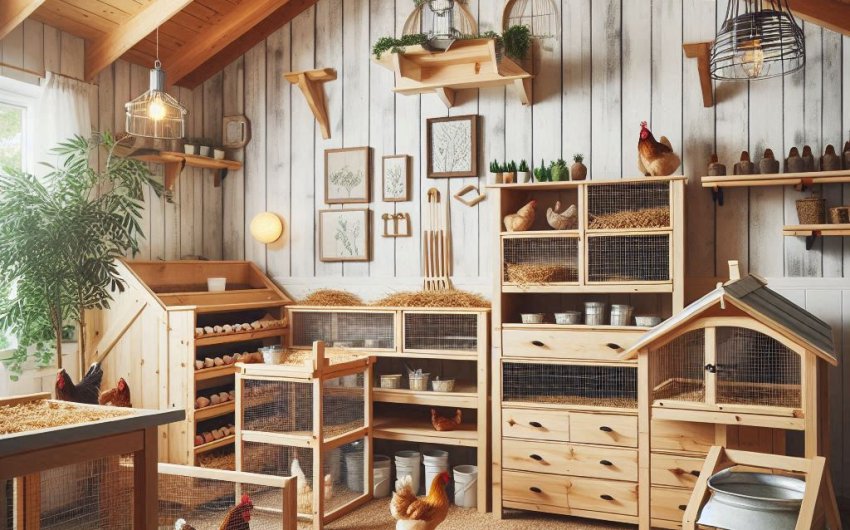
So, you’ve decided to raise chickens! That's fantastic. Fresh eggs, quirky personalities, and a fun addition to your backyard – what's not to love? One of the most important things you'll need to figure out is your chicken coop layout. While the outside of the coop might catch your eye, it's the inside space that truly matters for the health, happiness, and productivity of your flock.
A well-designed chicken coop layout isn't just about cramming everything in; it's about creating a functional, safe, and comfortable environment for your birds. It also makes your life as a chicken keeper much easier, especially when it comes to cleaning and collecting eggs. This guide will walk you through the best chicken coop layout ideas for inside space, focusing on essential features like roosting bars, nesting boxes, feeding, and watering stations. Get ready to design a coop that your chickens (and you!) will love!
Why is a Good Inside Coop Layout So Important?
You might think chickens are simple creatures, but a thoughtful coop layout goes a long way in preventing problems and ensuring a happy flock.
Does Coop Layout Affect Chicken Health?
Absolutely! A cramped or poorly laid out coop can lead to stress, disease, and injury.
- Ventilation: A good layout ensures proper ventilation (airflow), which helps remove ammonia fumes (from droppings) and moisture, preventing respiratory issues.
- Cleanliness: An organized space is easier to clean, reducing the build-up of bacteria and parasites.
- Space: Adequate space prevents overcrowding, which reduces stress-related behaviors like pecking and bullying, and limits the spread of illness.
Can a Good Layout Boost Egg Production?
Yes, a comfortable and secure environment is crucial for consistent egg production. Hens need a quiet, safe, and inviting place to lay their eggs. Properly designed and located nesting boxes encourage hens to lay where they should, reducing "floor eggs" (eggs laid outside the boxes) which can get dirty, broken, or eaten. A stress-free hen is a productive hen!
Does It Make Cleaning Easier?
This is a huge one for chicken keepers! A smart chicken coop layout can significantly cut down on your cleaning time and effort. If nesting boxes are easy to access, droppings boards are simple to clean, and feeders/waterers are positioned well, your daily and weekly chores become much less of a burden. Easier cleaning means a healthier coop for your birds and a more pleasant experience for you.
Can It Improve Predator Protection?
While the coop structure itself provides primary protection, a good internal layout plays a role too. If roosting bars are high enough and nesting boxes are secure, chickens are less vulnerable inside the coop. Proper placement of doors and vents also factors into overall security against curious (or hungry) critters.
Essential Components of a Chicken Coop's Inside Space
Every good chicken coop layout must include these core elements to meet your flock's basic needs.
What are Roosting Bars and Why are They Needed?
Roosting bars (also called perches) are horizontal bars where chickens sleep at night. Chickens instinctively prefer to sleep elevated, as it makes them feel safe from predators (even inside a coop).
- Height: Place roosting bars higher than nesting boxes. If roosts are lower than nesting boxes, chickens might try to sleep in the nesting boxes, leading to dirty eggs and broken shells. Aim for at least 18-24 inches off the ground, or higher if your coop allows and your chickens can access them easily.
- Size: The bar itself should be comfortable for a chicken to grip with its feet. A 2x2 or 2x4 (with the 2-inch side up and edges slightly rounded for comfort) works well. Avoid thin, round dowels, which can be hard for chickens to grip and lead to foot problems.
- Space: Allow 8-12 inches of roosting space per bird, depending on breed size. Don't place them directly over feeders, waterers, or nesting boxes, as droppings will fall below. Consider removable roosting bars for easier cleaning.
How Many Nesting Boxes Do I Need?
Nesting boxes are where hens lay their eggs. They need to feel safe, private, and comfortable.
- Number: A good rule of thumb is one nesting box for every 3-4 hens. Having too many isn't harmful, but too few can lead to competition, broken eggs, and hens laying outside the boxes.
- Size: A 12x12x12 inch box is generally sufficient for most standard chicken breeds. Bantam breeds might need slightly smaller, and very large breeds slightly larger.
- Location: Place nesting boxes in a darker, quieter part of the coop. They should be lower than the roosting bars to discourage sleeping in them. Consider placing them against a wall that is easily accessible from outside the coop (via a small door or flap) for convenient egg collection.
- Bedding: Fill nesting boxes with soft, absorbent nesting box material like straw, wood shavings, or shredded paper. Keep it clean and dry!
Where Should Feeders and Waterers Go?
Proper placement of feeders and waterers is vital for easy access and cleanliness.
- Location: Place them away from roosting bars to prevent droppings from contaminating the food and water.
- Height: Elevate feeders and waterers slightly off the ground to keep bedding and dirt out. This also helps reduce waste. Hanging chicken feeders and chicken waterers are excellent for this.
- Accessibility: Ensure all chickens can easily reach food and water. For larger flocks, you might need multiple feeders and waterers.
- Ease of Refill: Consider how easy it is for you to refill and clean them. External gravity feeders or waterers that can be refilled from outside the coop save a lot of hassle.
What About Ventilation?
Ventilation is absolutely critical for chicken health and odor control.
- High and Low Vents: Aim for both high and low ventilation points to create good airflow. Low vents let cool air in, and high vents (like ridge vents or soffit vents) let warm, moist, ammonia-laden air out.
- No Drafts: Ensure airflow is not directly on the roosting bars during cold weather, as this can chill chickens. Vents should be positioned above their heads or in upper walls.
- Adjustable Vents: Ideally, your vents should be adjustable so you can control airflow based on the weather.
- Predator Proof: All vents must be covered with hardware cloth (1/2-inch or 1/4-inch wire mesh) to keep predators out. Hardware cloth is stronger than chicken wire.
Don't Forget the Bedding!
The right bedding keeps the coop comfortable, dry, and clean.
- Materials: Pine shavings, straw, or hemp bedding are popular choices. Avoid cedar shavings, which can irritate chickens' respiratory systems.
- Depth: A deep layer of bedding (4-6 inches for deep litter method, or a shallower layer for regular cleaning) provides insulation and absorbs moisture.
- Cleanliness: Regularly remove soiled bedding and replenish.
Popular Chicken Coop Layout Ideas for Different Needs
The best chicken coop layout often depends on your specific situation – how many chickens you have, your climate, and how much space you have.
1. The Basic Square/Rectangular Layout (Common & Efficient)
This is the most common and often easiest chicken coop layout to design and build.
- Design: Roosting bars run along one wall, nesting boxes are placed below them (or on an adjacent wall), and feeders/waterers are positioned in an open area away from droppings.
- Pros: Efficient use of space, easy to build, straightforward cleaning.
- Best for: Most backyard flocks, especially beginners.
- Tips:
- Place a removable droppings board directly under the roosting bars to catch most of the night's manure. This makes daily cleaning much easier and keeps the main bedding area cleaner.
- If space allows, include a small area for a dust bath (a shallow pan of sand/dirt/wood ash) inside if your chickens are often confined due to weather or small run size.
2. The Walk-in Coop Layout (For Larger Flocks & Easy Access)
If you have a larger flock (10+ chickens) or want maximum convenience for yourself, a walk-in coop is a game-changer.
- Design: Coop is tall enough for you to stand inside comfortably. Roosting bars are usually elevated along a wall, with nesting boxes accessible from the outside or built into an interior wall at a comfortable height. Feeders and waterers can be larger, hanging units in the center.
- Pros: Much easier for cleaning, refilling, and collecting eggs. More comfortable for daily chores. Can provide more vertical space for chickens.
- Best for: Medium to large flocks, those who prefer standing to stooping.
- Tips:
- Consider a concrete or covered dirt floor for easy sweeping/shoveling.
- Include a sturdy human-sized door that latches securely.
- Ensure good lighting (natural and possibly artificial) for ease of work inside.
3. The Multi-Level Coop Layout (For Space Efficiency)
A multi-level coop uses vertical space efficiently, often having roosting areas elevated above nesting boxes or a storage area.
- Design: Can involve ramps leading to different levels. Often, the sleeping/roosting area is on an upper level, with nesting boxes or an enclosed run entrance below.
- Pros: Good for smaller footprints, can provide a sense of separation for different chicken activities.
- Cons: Can be more complex to build. Ramps need to be wide enough and have good traction. Cleaning might involve multiple levels.
- Best for: Smaller yards where vertical space needs to be maximized.
- Tips:
- Ensure ramps are not too steep and have slats for grip.
- Make sure all levels are easily accessible for cleaning.
- Provide ample headroom for chickens on all levels.
4. The Mobile Coop/Chicken Tractor Layout (For Pasture Rotation)
While often smaller, the interior layout of a mobile coop (or chicken tractor) is crucial for its function.
- Design: Compact, usually with elevated roosting bars and small, easily accessible nesting boxes. Feeders and waterers are often hanging or external.
- Pros: Allows chickens to forage on fresh pasture, naturally fertilizing and pest controlling your lawn/garden. Good for temporary housing.
- Cons: Limited space, requires frequent moving.
- Best for: Small flocks, rotating chickens through garden beds, or providing fresh forage daily.
- Tips:
- Keep the layout very simple and lightweight for ease of movement.
- Ensure all openings are securely latched for daily predator protection.
- Consider a chicken tractor kit for easy assembly.
Advanced Tips for Optimizing Your Coop's Inside Space
Beyond the basics, these tips can make your chicken coop layout even better for both you and your flock.
How Can I Optimize for Easy Cleaning?
This is where smart design truly pays off.
- Droppings Boards: As mentioned, a removable board or tray directly under the roosting bars is a game-changer. Scrape daily.
- Removable Roosts: Make your roosting bars easy to lift out for scrubbing.
- Accessible Nesting Boxes: Design nesting boxes with external access for egg collection and easy internal access for changing bedding.
- Smooth Surfaces: Choose materials for interior walls and floors that are easy to wipe down or hose off (e.g., painted wood, linoleum, or concrete). Avoid rough, unfinished surfaces that harbor mites and dirt.
- Good Lighting: Enough light helps you see what you're doing when cleaning.
What About Storage Inside the Coop?
While not for chickens, a small storage area can be incredibly convenient for you.
- Dedicated Space: If you have a walk-in coop, consider a small, enclosed bin or shelf for storing feed, bedding, or cleaning supplies. This keeps things tidy and protected from pests.
- Don't Overdo It: Keep it minimal to maximize space for the chickens and avoid clutter. A galvanized feed bin can do double duty.
Should I Consider Lighting for the Coop?
Natural light is important, but artificial light can be beneficial, especially in winter.
- Natural Light: Ensure windows or skylights provide ample natural light during the day. Cover with hardware cloth for predator protection.
- Artificial Light: A low-wattage LED light bulb (on a timer) can be added during winter months to extend daylight hours to 14-16 hours, which can help maintain consistent egg production when natural light is short. Ensure it's safely wired and protected from pecking.
How Do I Plan for Expansion?
If you think you might expand your flock in the future, consider building a coop with expandability in mind.
- Modular Design: Design the coop so you can easily add sections or enlarge existing ones.
- Extra Space: Build a slightly larger coop than you need initially, providing room for a few more birds later without major reconstruction.
By thinking through these chicken coop layout ideas for inside space, you'll be well on your way to creating a functional, comfortable, and beautiful home for your feathered friends. Happy flock-keeping!