
Deck Skirting Ideas That Are Stylish and Cheap
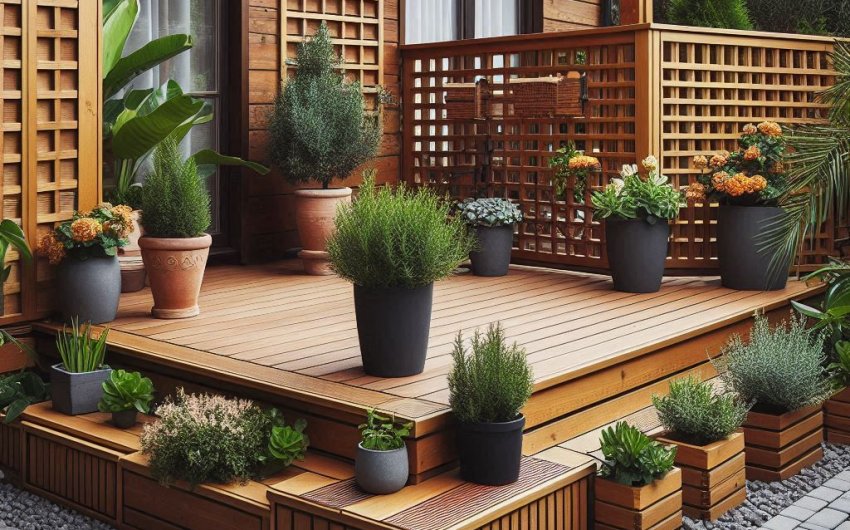
A beautiful deck can be the centerpiece of your outdoor living space. It’s where you relax, entertain, and enjoy the fresh air. But what about the space underneath your raised deck? Often, it's an unsightly area where spiders, debris, and perhaps even small animals like to gather. That’s where deck skirting comes in! It's the material that covers the open space between the bottom of your deck and the ground.
While it might seem like a minor detail, good deck skirting can dramatically improve your deck's appearance, making it look finished and custom-built. It also helps deter pests and can even provide some extra storage space. You might think stylish deck skirting has to be expensive, but you're in luck! This guide is packed with deck skirting ideas that are stylish and cheap, perfect for the DIY enthusiast looking to enhance their outdoor area on a budget. Get ready to transform the often-forgotten underside of your deck into an attractive feature!
Why is Deck Skirting So Important?
Many homeowners overlook deck skirting, but it offers a range of benefits that go beyond just looks.
Does Deck Skirting Improve Appearance?
Absolutely! This is perhaps the most obvious benefit. Without skirting, the underside of your deck typically exposes support beams, dirt, and anything else that might have accumulated. It can look unfinished and detract from your deck's overall appeal. Deck skirting hides all of that, giving your deck a clean, polished, and custom-built look. It helps integrate the deck seamlessly with your landscaping and home's exterior, significantly boosting your curb appeal.
Can Skirting Protect from Pests?
Yes, a well-installed deck skirting acts as a physical barrier that helps deter small animals and pests. Critters like raccoons, possums, skunks, and even rodents often try to make homes under decks. Skirting closes off these inviting spaces, making it much harder for them to get in. This means less worry about unwanted visitors making a mess or causing damage. Just ensure your chosen material goes all the way to the ground and is sturdy enough to prevent digging.
Does It Help with Storage?
Depending on the height of your deck, the space underneath can be a valuable, hidden storage area. Deck skirting keeps this space out of sight, allowing you to store outdoor items like gardening tools, toys, or seasonal furniture discreetly. If you plan to use it for storage, consider adding an access panel or a small door within your skirting design. This keeps your yard tidy and organized.
Can Skirting Protect Deck Structure?
While not its primary purpose, deck skirting can offer some secondary protection to your deck's substructure. It can help shield wooden beams and posts from direct exposure to rain splash-back, UV rays, and extreme temperature fluctuations, potentially extending the life of some components. It also helps to prevent debris from accumulating directly under the deck, which can trap moisture and accelerate rot.
What Are the Best Cheap Materials for Deck Skirting?
To create deck skirting that is stylish and cheap, choosing the right materials is key. Here are some top budget-friendly options.
Is Pressure-Treated Wood a Good Skirting Material?
Pressure-treated wood is one of the most common and cost-effective materials for outdoor construction, including deck skirting. It's wood that has been chemically treated to resist rot, decay, and insect infestation, making it ideal for ground contact and outdoor exposure.
- Pros: Affordable, widely available, durable in outdoor conditions, easy for DIYers to work with. Can be painted or stained.
- Cons: Can have a greenish tint when new. Requires periodic sealing or staining to maintain appearance and prolong life.
- Design Tip: Excellent for building traditional vertical or horizontal slat skirting, lattice frames, or solid panels. You can find pressure-treated lumber in various sizes.
Can Wood Lattice Be Used for Deck Skirting?
Wood lattice is a classic and very cheap material for deck skirting. It comes in pre-made panels of crisscrossed wood strips.
- Pros: Very affordable per panel, easy to install (just cut to size and attach), allows for good airflow, and has a traditional look.
- Cons: Less durable than solid wood, can break easily. Doesn't offer full privacy. Can be climbed by some pests (though still better than open space).
- Design Tip: Frame the lattice panels with 2x4s for a more finished look and added stability. You can find wood lattice panels at any home improvement store.
What About Repurposed Pallet Wood?
Pallet wood is often free or very inexpensive, making it a highly budget-friendly option for deck skirting, especially if you're going for a rustic or industrial aesthetic.
- Pros: Extremely cheap (potentially free!), eco-friendly (repurposing waste), offers a unique look.
- Cons: Requires effort to dismantle pallets and prepare the wood. Wood quality varies greatly. Must ensure pallets are heat-treated ("HT" stamp) and not chemically treated ("MB" stamp). Can be rough and splinter. Not as durable as pressure-treated wood without proper sealing.
- Design Tip: Dismantle pallets for individual planks to create horizontal or vertical slat designs.
Can Vinyl Lattice Be Used for Skirting?
Vinyl lattice is another popular and relatively cheap material for deck skirting. It's made from PVC plastic.
- Pros: Low maintenance (doesn't need painting or staining), resistant to rot and insects, comes in various colors, durable, easy to clean.
- Cons: Can look less natural than wood. Can become brittle in extreme cold. Doesn't offer full privacy.
- Design Tip: Similar to wood lattice, it looks best when framed with matching vinyl or painted wood trim. You can find vinyl lattice panels.
What About Corrugated Metal?
Corrugated metal panels, often used for roofing, can be a surprisingly cheap and modern option for deck skirting.
- Pros: Very inexpensive, durable, low-maintenance, creates a solid privacy barrier. Available in galvanized steel or sometimes painted colors.
- Cons: Can get very hot in direct sun. May produce glare. Can be noisy during heavy rain or wind. Can look too industrial for some styles.
- Design Tip: Combine with wooden posts and frames for a softer, more integrated look.
Stylish and Cheap Deck Skirting Ideas You Can DIY
Now that you know your materials, let's explore some deck skirting ideas that are both attractive and budget-friendly, perfect for a DIY project.
1. Simple Horizontal Slats (Modern & Clean)
This design is highly versatile and offers a contemporary look.
- Materials: Pressure-treated 1x4s or 1x6s or even repurposed pallet wood planks.
- How it looks: Boards are attached horizontally between vertical supports (which can be existing deck posts or additional 2x4s). You can choose to leave small, even gaps between the boards for airflow and visual interest, or space them tightly for more privacy.
- Why it's cheap: Uses standard, affordable lumber sizes and a straightforward construction method.
- Styling Tip: Paint the slats a dark color (like charcoal gray or black) for a sleek, modern effect, or stain them for a natural, warm look. Vary the width of the slats for a custom feel.
2. Vertical Board Skirting (Classic & Secure)
A timeless design that offers full coverage and a sturdy appearance.
- Materials: Pressure-treated fence pickets (usually 5/8 or 3/4 inch thick) or wider boards.
- How it looks: Boards are attached vertically to horizontal framing pieces (usually 2x4s attached to the deck posts). They can be butted tightly together for full privacy, or slightly spaced. You can also vary the top cuts (dog-eared, pointed) for a classic picket fence look.
- Why it's cheap: Fence pickets are one of the most affordable lumber options per linear foot.
- Styling Tip: Paint it white for a traditional cottage look, or a color that matches your house trim. Use different picket top designs for visual interest.
3. Lattice Panels with Framing (Traditional & Airy)
A classic choice that provides good airflow and a semi-private look.
- Materials: Wood lattice panels or vinyl lattice panels, and pressure-treated 2x4s for framing.
- How it looks: Pre-made lattice panels are cut to size and inserted into a simple wooden frame, which is then attached to the deck posts. The open pattern allows air to circulate.
- Why it's cheap: Lattice panels are inexpensive and quick to install.
- Styling Tip: Frame the lattice in painted wood that matches your deck or home. Plant climbing vines or tall ornamental grasses in front of the lattice to soften its look and add more natural screening.
4. Alternating Board (Shadowbox Style) Skirting
This design provides privacy while allowing for some air circulation and an interesting visual texture.
- Materials: Pressure-treated fence pickets or other fence boards.
- How it looks: Vertical boards are attached to alternating sides of the horizontal framing rails (or horizontal boards attached to alternating sides of vertical framing). This creates an overlapping effect that blocks direct views but allows some light and air through at an angle.
- Why it's cheap: Uses standard, affordable boards but gives a more custom, expensive look.
- Styling Tip: The dimensionality of this design creates interesting shadows. It looks great stained or painted a solid color.
5. Repurposed Pallet Box Planter Skirting
Combine functional storage and aesthetics with this creative DIY idea.
- Materials: Repurposed pallets (dismantled for planks), pressure-treated lumber for a sturdy frame/supports.
- How it looks: Instead of a continuous solid wall, create individual planter boxes using pallet wood. These boxes can sit at the base of the deck, partially obscuring the underside while offering space for plants. For full skirting, you can build a frame that holds these planter boxes at intervals, with other pallet wood panels in between.
- Why it's cheap: Uses free or very low-cost pallet wood.
- Styling Tip: Fill with vibrant flowers or lush greenery. Paint the boxes to match your deck. This adds a charming, cottage garden feel.
6. Landscaping & Strategic Planting (Natural & Budget-Friendly)
Sometimes, the best deck skirting isn't a solid structure, but natural elements.
- Materials: Fast-growing, dense shrubs or ornamental grasses.
- How it looks: Plants are strategically placed around the perimeter of the deck to grow up and visually obscure the underside.
- Why it's cheap: Initial cost of plants can be very affordable, especially if you choose small specimens. No construction required.
- Styling Tip: Choose evergreen plants for year-round coverage. Consider plants that thrive in your climate and don't require excessive maintenance. Make sure to research their mature size so they don't overgrow the space.
Important Considerations for DIY Deck Skirting
Before you start your deck skirting project, keep these crucial tips in mind for a successful and lasting result.
1. Plan for Ventilation
- Airflow is Key: Do not completely seal off the underside of your deck. Proper ventilation is essential to prevent moisture buildup, which can lead to mold, mildew, and rot in your deck's structure.
- Vents: Even with solid skirting, install deck skirting vents (small louvered vents or screened openings) at regular intervals. Aim for at least one vent every 8-10 feet.
- Lattice Benefits: Lattice designs inherently offer good airflow.
2. Ensure Pest Control
- To the Ground: Make sure your deck skirting extends all the way to the ground, with no gaps. If animals are a persistent problem, you might need to bury the bottom edge of your skirting a few inches into the ground or attach hardware cloth (a sturdy wire mesh) to the inside of the skirting that extends below ground level to deter digging.
- Small Openings: Cover any larger openings (like access panels or larger vents) with hardware cloth to keep out rodents and other small critters.
3. Consider an Access Panel
- Necessity: It's a good idea to include an access panel in your deck skirting design. This allows you to easily get under the deck for inspections, repairs, or retrieving lost items.
- Hinge or Removable: You can design a simple hinged door or create a removable section of your skirting.
- Concealment: Try to make the access panel blend in with the rest of the skirting design for a seamless look. Use matching materials and paint/stain.
4. Leveling and Ground Contact
- Even Base: Ensure the ground where your skirting will sit is relatively level. This makes installation much easier and gives a cleaner finished look.
- Direct Ground Contact: If using wood that will touch the ground, it must be pressure-treated to resist rot. Non-pressure-treated wood should not be in direct contact with the soil. You can place it on a gravel bed or concrete blocks.
By carefully planning your design, choosing cheap but effective materials, and considering these important tips, you can create deck skirting that is stylish and cheap, transforming your deck into a truly finished and attractive outdoor space. Enjoy the new look!