
Best Garden Lighting for Small Spaces
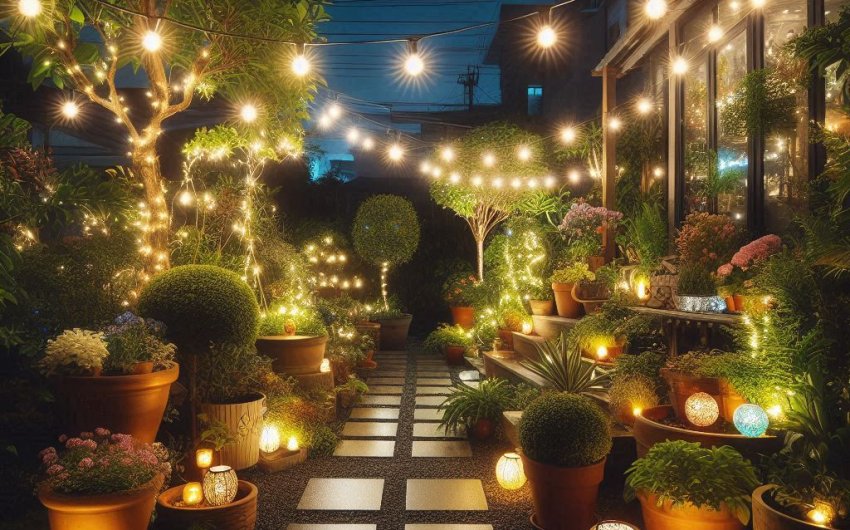
Illuminating your compact outdoor sanctuary with the best garden lighting for small spaces can transform it into a magical and functional extension of your home after dusk. This guide explores creative solutions, practical types of lights, and smart placement strategies to enhance ambiance, highlight features, and ensure safety in your limited yet lovely garden area. Discover how thoughtful illumination can maximize your enjoyment of every square inch.
Why is lighting important for small gardens?
Lighting plays a crucial role in maximizing the potential of a small garden space, turning it from a daytime feature into an inviting area that can be enjoyed well into the evening hours. It's not just about visibility; it's about creating an atmosphere.
How does lighting enhance ambiance?
Thoughtful garden lighting can drastically improve the mood and feel of your compact outdoor area.
- Creates warmth and intimacy: Soft, warm light can make a small space feel cozy and intimate, perfect for relaxation or quiet conversations.
- Extends usability: By providing adequate illumination, lighting allows you to use your small garden for evening dining, reading, or simply enjoying the night air.
- Highlights features: Strategic lighting can draw attention to your favorite plants, a small water feature, or a unique piece of garden art, making them stand out after dark.
- Adds depth and dimension: In a small space, flat, even lighting can make it seem smaller. Layered lighting (combining different types and intensities) adds depth, creates shadows, and makes the space feel more dynamic and less confined.
Does lighting improve safety and security?
Absolutely. Proper outdoor lighting is essential for both safety and security, especially in areas like pathways or steps in a small garden.
- Prevents trips and falls: Well-lit pathways, steps, and changes in elevation ensure safe navigation, especially important in compact layouts where obstacles might be closer together.
- Deters intruders: A well-lit garden can deter potential intruders, as it makes hiding places less appealing. Security lighting doesn't have to be harsh; even ambient light can contribute to a sense of security.
How does lighting define different zones in a small garden?
Even in a compact area, lighting can help visually separate and define different functional or aesthetic zones.
- Dining areas: Brighter, perhaps overhead, lighting for a small outdoor dining set.
- Relaxation nooks: Softer, diffused lighting for a cozy seating area.
- Feature highlights: Focused spotlights to emphasize a plant or statue. By using different types and intensities of light, you can subtly delineate these areas, making your small garden feel more spacious and organized.
What types of lighting are best suited for small gardens?
Choosing the right kind of garden lighting for small spaces involves considering their size, power source, and installation flexibility. Compact, versatile options are often preferred.
Why are solar lights a good choice for small spaces?
Solar garden lights are incredibly popular for small gardens due to their ease of installation and eco-friendliness.
- No wiring: They are completely self-contained, with a small solar panel that charges a battery during the day. This eliminates the need for complex wiring, making them perfect for DIY installation in any spot, no matter how small or hard to reach.
- Cost-effective: Once purchased, they operate for free, powered by the sun.
- Flexible placement: You can easily move them around to experiment with different lighting effects or to adapt to changing garden layouts.
- Variety: Available in many styles, from solar path lights and spot lights to decorative solar string lights and lanterns.
Considerations for solar lights:
- Sun exposure: They need direct sunlight for several hours a day to charge properly and glow brightly all night.
- Brightness: Generally less bright than wired options, making them more suitable for ambient or accent lighting.
- Longevity: Battery life can diminish over time, but batteries are usually replaceable.
What are the benefits of low-voltage lighting?
Low-voltage landscape lighting offers a balance of brightness and relative ease of installation, making it a robust option for small to medium-sized garden areas.
- Brighter than solar: Provides more consistent and brighter illumination compared to most solar lights, ideal for pathway lighting or highlighting larger features.
- Energy efficient (LED): When paired with LED bulbs, low-voltage systems are very energy efficient. Look for low-voltage LED landscape lights.
- Safer than line voltage: Operates on 12-volt current, making it safer to install and maintain than standard household (120-volt) lighting.
- Durability: Typically more durable and weather-resistant than solar lights.
Installation considerations for low-voltage lighting:
- Transformer: Requires a transformer to convert household current to low voltage.
- Wiring: Involves running wires, though they can often be shallowly buried or hidden under mulch.
- Professional help (optional): While DIY-friendly for many, complex systems might benefit from professional installation.
When should you use battery-powered lights?
Battery-powered lights offer the ultimate flexibility for temporary or very specific lighting needs in a small garden.
- Portability: Highly portable and can be placed almost anywhere, even in spots without sun or power outlets.
- Instant ambiance: Great for adding quick splashes of light for parties or events.
- Decorative options: Often available as battery-powered lanterns, fairy lights, or submersible lights for water features.
Considerations for battery-powered lights:
- Battery life: Batteries need regular replacement or recharging, which can be inconvenient and costly over time.
- Brightness: Often not as bright as wired options and designed more for accent or mood lighting.
- Weather resistance: Ensure they are rated for outdoor use, especially if left out in the elements.
Are string lights good for small gardens?
Absolutely! Outdoor string lights (fairy lights, bistro lights) are fantastic for adding a festive and enchanting touch to small gardens.
- Creates a "ceiling": When strung overhead, they can create the illusion of a cozy outdoor room, making a small patio or balcony feel more enclosed and intimate.
- Soft, ambient glow: They provide a warm, inviting glow perfect for ambiance, not necessarily task lighting.
- Versatile: Can be draped, wrapped around trellises, or hung along fences and walls. Look for outdoor bistro lights for a more classic look or solar fairy lights for no-fuss installation.
Installation tips for string lights:
- Anchoring points: Consider permanent hooks or poles if you want a consistent look.
- Power source: Available in solar, battery-powered, and plug-in versions. Choose based on your needs and access to outlets.
- Weatherproof: Ensure they are rated for outdoor use (IP44 or higher).
How do you plan the lighting layout for a small garden?
Strategic planning is essential when designing garden lighting for small spaces. It’s about creating a harmonious atmosphere, not just adding light. Think in layers and focus on specific elements.
What is layered lighting?
Layered lighting involves using different types of light fixtures and techniques to create varying levels of illumination, depth, and visual interest. In a small garden, this prevents the space from looking flat and boring.
- Accent Lighting: Focuses on specific features like plants, sculptures, or architectural elements. Uses spotlights or narrow beam lights.
- Path/Safety Lighting: Illuminates pathways, steps, and edges for safe navigation. Uses path lights, step lights, or bollards.
- Ambient/Area Lighting: Provides a general, soft glow for overall visibility and atmosphere. Uses string lights, lanterns, or diffused wall lights.
- Uplighting/Downlighting:
- Uplighting: Places a light fixture on the ground to shine upwards onto a tree, shrub, or wall, creating dramatic shadows and highlighting texture.
- Downlighting (Moonlighting): Places a light fixture high up (e.g., in a tree) to cast a soft, diffused light downwards, mimicking moonlight.
What features should you highlight in a small garden?
In a small garden, every feature counts. Use lighting to draw attention to your favorite elements.
- Specimen plants: A well-placed spotlight can transform an ordinary shrub into a dramatic silhouette.
- Water features: Submersible pond lights can make a small fountain or bird bath sparkle at night.
- Statues or art: Accent lighting brings garden decor to life after dark.
- Textural elements: Lighting can emphasize the texture of a stone wall, a rough tree trunk, or the delicate fronds of a fern.
- Seating areas: Use string lights overhead or soft wall-mounted lights to define and illuminate your outdoor dining or lounging space.
How do you create depth and illusion of space?
Lighting can be a powerful tool to make a small garden feel larger and more inviting.
- Illuminate boundaries: Light up fences, walls, or the edges of your garden. This defines the space and pushes back the visual boundary, making it feel more expansive. Use LED strip lights for outdoor use along a fence or wall-mounted garden lights.
- Backlighting: Place lights behind plants or features to create a silhouette effect. This adds drama and pushes objects forward visually, creating a sense of depth.
- Avoid over-illumination: Too much bright, uniform light can make a small space feel like a stage and eliminate any sense of intimacy or mystery. Aim for selective lighting and play with shadows.
- Focus on the perimeter: Drawing the eye to the edges of the space can make it feel larger than it is.
What are clever placement ideas for small garden lights?
Strategic placement of garden lighting for small spaces is crucial for achieving the desired effect without overwhelming the area. Think about how the light interacts with your plants and structures.
How to use path lights effectively?
Path lights are essential for safety but can also contribute to ambiance in a small garden.
- Purpose: Guide safely along walkways, steps, and transitions.
- Placement: Place them low to the ground and spaced evenly. Avoid lining them up like runway lights; instead, offset them slightly on either side of a path for a more natural look. In very small spaces, a few strategically placed lights are better than many.
- Consider height: Choose low-profile path lights to avoid obstructing views or feeling clunky in a compact area.
Where should you place spotlights and accent lights?
Spotlights and accent lights are for highlighting specific features and adding drama.
- Up-lighting: Place outdoor spotlights at the base of trees, large shrubs, or walls to cast light upwards. This emphasizes texture and creates interesting shadows.
- Grazing: Position a narrow-beam light close to a textured wall or fence to highlight its surface, creating a "grazing" effect.
- Silhouetting: Place a light behind a plant or object, shining towards a wall or fence, to create a dramatic silhouette. This is very effective in small spaces to add depth.
- Targeted illumination: Use small accent lights to draw attention to a prized potted plant, a garden gnome, or a decorative pot.
How can you use overhead and string lighting?
Overhead lighting and string lights create a cozy, enclosed feel in small outdoor rooms.
- String lights (Bistro/Fairy lights):
- Canopy effect: String them overhead across a small patio, balcony, or pergola to create a warm, inviting canopy.
- Vertical interest: Drape them along fences, railings, or wrap them around a small tree trunk.
- Warm ambiance: Choose bulbs with a warm white color temperature for a cozy glow.
- Pendant lights/Wall sconces:
- Task lighting: A single outdoor pendant light or a pair of outdoor wall sconces can provide adequate ambient light for a small dining area or seating nook.
- Define vertical space: Wall-mounted lights can add to the perception of height in a small space.
What about incorporating recessed or hidden lighting?
Recessed or hidden lighting options are excellent for sleek, minimalist effects in small gardens, creating light without visible fixtures.
- Deck or step lights: Install recessed deck lights or step lights directly into wood or concrete for subtle, integrated illumination on pathways or stairs.
- Under-cap lighting: Small LED strips or puck lights can be tucked under the capstones of a wall or planter, casting a soft glow downwards or outwards.
- Submersible lights: For small water features, submersible pond lights highlight the water and any aquatic plants.
What are important considerations for buying garden lights for small spaces?
When selecting the best garden lighting for small spaces, a few practical aspects beyond aesthetics are paramount. Focusing on efficiency, durability, and control will ensure your investment pays off.
Why choose LED lighting for small gardens?
LED (Light Emitting Diode) lighting is the gold standard for modern outdoor illumination, especially beneficial in small spaces.
- Energy Efficiency: LEDs consume significantly less electricity than traditional incandescent or halogen bulbs, leading to lower energy bills. This is a huge advantage for lights that might run for several hours each night.
- Long Lifespan: LEDs last much longer, often tens of thousands of hours, meaning less frequent bulb replacement. This is convenient and reduces waste.
- Low Heat Emission: LEDs produce very little heat, making them safer to be around plants and less likely to cause accidental burns.
- Compact Size: The small size of LED chips allows for more compact and discreet fixture designs, which is perfect for unobtrusive lighting in limited areas.
- Color Temperature Options: You can choose different color temperatures (warm white, cool white) to match the desired ambiance. Warm white (2700K-3000K) is generally preferred for a cozy, inviting feel in residential gardens.
What IP rating do garden lights need?
The IP (Ingress Protection) rating indicates how well an electrical enclosure protects against solids (like dust) and liquids (like water). For outdoor lighting, a suitable IP rating is crucial for durability and safety.
- IP44 (Splashing water protection): Suitable for sheltered outdoor areas where lights might only be exposed to splashes.
- IP65 (Jetting water protection): Good for areas exposed to rain or garden hoses, like wall-mounted lights or path lights.
- IP67 (Temporary immersion): Required for lights that might be temporarily submerged, like ground spotlights or some pond lights.
- IP68 (Continuous immersion): Essential for lights designed to be fully and continuously submerged, such as those in ponds or fountains.
For most garden lighting for small spaces exposed to weather, aim for an IP rating of at least IP65 to ensure longevity.
Why are timers and smart controls useful?
Automating your garden lighting offers convenience, energy savings, and enhanced security.
- Timers: Simple outdoor light timers ensure your lights turn on at dusk and off at a set time or dawn. This prevents lights from running unnecessarily, saving energy.
- Dusk-to-dawn sensors: Lights with built-in photocells automatically turn on when it gets dark and off when it gets light.
- Motion sensors: Great for security, turning lights on only when movement is detected.
- Smart controls (Bluetooth/Wi-Fi):
- Remote access: Control lights from your phone, even when away from home.
- Customizable schedules: Set complex schedules, dim lights, or change colors (if using RGB smart lights).
- Zone control: Independently control different lighting zones in your small garden for varying moods. Look for smart outdoor lighting systems compatible with your home automation system.
How important is the fixture's size and design?
In a small garden, the physical size and design of the light fixture matter significantly.
- Proportion: Choose fixtures that are proportionate to your space and features. Large, bulky lights can overwhelm a small area.
- Discreet designs: Opt for sleek, minimalist, or low-profile designs that blend into the landscape during the day and let the light effect be the star at night.
- Integrated fixtures: Consider lights that are built into paving, steps, or walls for an almost invisible appearance.
- Material: Choose durable, weather-resistant materials like stainless steel, brass, or powder-coated aluminum that will withstand the elements and maintain their appearance over time.
Can you use temporary or seasonal lighting in small gardens?
Absolutely! Temporary and seasonal lighting is a fantastic way to add whimsy, celebrate holidays, or simply change the mood in your small garden without permanent installation.
What are popular temporary lighting options?
- Paper Lanterns: For a party or special event, outdoor paper lanterns (ensure they are LED and designed for outdoor use) can add a festive and whimsical touch. They are lightweight and easy to hang.
- Fairy Lights/Micro LED Strings: These tiny lights are incredibly versatile. They can be woven through shrubs, wrapped around small branches, draped over trellises, or even placed inside glass jars for a magical glow. Many are battery-operated or solar-powered for easy placement.
- Decorative LED Orbs/Balls: These can be scattered on the ground, floating in a small pond, or hung from branches, providing soft, diffused light. You can find LED outdoor orb lights in various sizes.
- Clip-on Lights: Small, battery-powered lights with clips can be attached to plant pots, railings, or branches for instant illumination.
How to use lighting for seasonal decoration?
Seasonal lighting can completely transform the feel of your small garden throughout the year.
- Spring/Summer: Embrace bright, colorful string lights, or subtle fairy lights to enhance evening enjoyment.
- Autumn: Use warmer tones, perhaps orange or red string lights, or position spotlights to highlight the changing colors of fall foliage.
- Winter/Holiday Season: Wrap outdoor Christmas lights around dormant shrubs, trellises, or outline pathways. Icicle lights or themed projectors can create a festive atmosphere.
- Themed lanterns: Swap out standard lanterns for themed ones during holidays (e.g., pumpkin lanterns for Halloween, snowflake lanterns for winter).
What are the benefits of temporary lighting in a small space?
- Flexibility: Easily changed, moved, or removed as desired, allowing for endless creativity and adaptation.
- Low commitment: No permanent wiring or installation required, making it ideal for renters or those who like to frequently refresh their garden's look.
- Cost-effective: Many temporary lighting options are relatively inexpensive, allowing you to experiment with different styles.
- Adds dynamic interest: The ability to change lighting schemes means your small garden never looks exactly the same, keeping it engaging.
Can smart home integration enhance small garden lighting?
Integrating your garden lighting for small spaces with smart home technology offers unparalleled convenience, control, and creative possibilities, turning your compact garden into a truly modern and responsive outdoor living area.
What are the advantages of smart garden lighting?
- Centralized Control: Manage all your outdoor lights from a single app on your smartphone or tablet, even when you're away from home. No more fumbling with multiple switches or timers.
- Customizable Schedules and Routines:
- Set lights to turn on and off based on sunrise/sunset times, adapting automatically throughout the year.
- Create specific schedules for different days of the week or for special events.
- Integrate with other smart devices (e.g., lights turn on when a smart lock unlocks the back door).
- Dimmability and Color Changing:
- Adjust the brightness (dimming) to perfectly match the mood, from bright task lighting to a subtle glow for relaxation.
- If using RGBW smart lights (Red, Green, Blue, White), you can change the color of the light to create different themes, celebrate holidays, or enhance specific planting schemes. Imagine a warm red glow for a romantic dinner or cool blue for a serene evening.
- Voice Control: Integrate with smart speakers (like Amazon Echo Dot or Google Home) to control your lights with simple voice commands.
- Energy Monitoring: Some smart lighting systems allow you to monitor energy consumption, helping you track and reduce your environmental footprint and electricity bills.
- Enhanced Security:
- Presence simulation: Make it look like you're home even when you're not by scheduling lights to turn on and off randomly.
- Integration with motion sensors: Lights can instantly illuminate specific areas when motion is detected, deterring intruders.
What are popular smart lighting systems for outdoor use?
Many brands offer outdoor-rated smart lighting components that can be integrated into broader smart home ecosystems.
- Philips Hue: Offers a wide range of Philips Hue outdoor lighting products, including path lights, spotlights, and wall lights, all with extensive color and dimming capabilities, controlled via their bridge and app.
- Ring Smart Lighting: Focuses on security-oriented lighting, often integrating with Ring cameras and doorbells. Their Ring Smart Lighting range includes pathlights, spotlights, and floodlights.
- Feit Electric/Other Wi-Fi Brands: Many standalone Wi-Fi enabled outdoor smart lights are available that connect directly to your home Wi-Fi network, offering control via their proprietary apps or integration with general smart home platforms.
How to get started with smart garden lighting?
- Assess your needs: Decide what you want your lights to do (ambiance, security, highlighting specific features).
- Check compatibility: If you already have a smart home system (e.g., Amazon Alexa, Google Home, Apple HomeKit), ensure the outdoor lights you choose are compatible.
- Choose power source: Decide between solar, low-voltage, or line voltage options based on your installation comfort and desired brightness. Many smart systems are low-voltage or plug-in.
- Start small: Begin with a few key fixtures or a single string of smart lights to get comfortable with the system before expanding.
- Professional installation (optional): For complex low-voltage or line-voltage systems, consider a qualified electrician or landscape lighting professional, especially if you're not comfortable with electrical work.
By carefully selecting and strategically placing the best garden lighting for small spaces, you can unlock your compact outdoor area's full potential, transforming it into an enchanting, functional, and secure extension of your living environment after sunset.