
Creative Uses for Old Planters in Garden Design
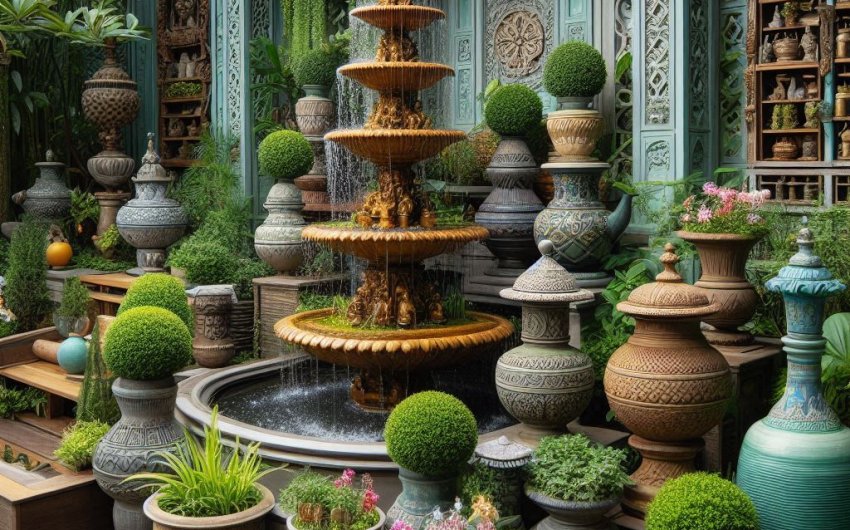
As gardeners, we often accumulate a collection of containers over the years: chipped terracotta, faded plastic, or forgotten galvanized tubs. Instead of relegating these to the back of the shed or the curb, consider the untapped potential of old planters in garden design. With a little imagination and elbow grease, these seemingly obsolete items can be transformed into unique, charming, and highly functional elements, breathing new life into your outdoor space and adding a touch of sustainable creativity. Discovering creative uses for old planters is an exciting way to practice upcycling and personalize your garden.
Why Upcycle Old Planters in My Garden?
Upcycling, the process of transforming discarded items into something new and useful, aligns perfectly with the sustainable and creative spirit of gardening. When it comes to old planters in garden design, the benefits extend far beyond just saving money.
What are the Benefits of Using Old Planters Creatively?
- Sustainability and Eco-Friendliness: The most compelling reason is environmental. Repurposing old planters keeps plastic, ceramic, and metal out of landfills, reducing waste and your carbon footprint. It's a tangible way to practice conscious consumption in your gardening habits.
- Cost Savings: Buying new garden decor and containers can be expensive. Utilizing what you already have, or sourcing cheap second-hand items, significantly reduces your gardening budget, allowing you to allocate funds to plants or other projects.
- Unique Aesthetic and Character: Mass-produced garden items often lack personality. Upcycled old planters add a distinctive, whimsical, or rustic charm that store-bought items simply can't replicate. Each piece tells a story and adds character to your garden design.
- Creative Expression: Transforming an old planter challenges your creativity. It's an opportunity to experiment with paint, texture, new functions, and unexpected arrangements, personalizing your garden in a way that reflects your style.
- Resourcefulness: It encourages a mindset of resourcefulness, looking for potential in discarded items rather than always buying new. This skill can translate to other areas of your life too!
- Problem Solving: Old planters can sometimes be the perfect solution for a specific garden challenge, like creating vertical interest, containing aggressive plants, or defining a small space.
What Types of Old Planters Can Be Upcycled?
Virtually any container can be repurposed, but some types of old planters are more common and versatile for creative uses.
- Terracotta Pots (Chipped, Cracked, or Faded):
- Pros: Natural, porous, weathers beautifully. Chips and cracks add character.
- Cons: Fragile, can absorb water (leading to moss/algae).
- Plastic Pots (Faded, Brittle, or Damaged):
- Pros: Lightweight, durable, comes in many sizes. Can be easily painted.
- Cons: Can become brittle over time, less aesthetically pleasing when faded.
- Galvanized Tubs/Buckets (Rusty or Dented):
- Pros: Rustic charm, durable, often large capacity. Rust can add character.
- Cons: Can leach zinc into soil (use liners for edibles), can get hot in direct sun.
- Ceramic/Glazed Pots (Cracked or Chipped):
- Pros: Beautiful colors, retain moisture well.
- Cons: Heavy, difficult to drill, cracks can worsen.
- Unusual Containers (e.g., old tires, wooden crates, metal colanders, teapots):
- Pros: Highly unique, conversation starters.
- Cons: May require modification for drainage, might have specific material breakdown concerns.
The possibilities for creative uses for old planters are limited only by your imagination, transforming potential waste into garden treasures.
What Are Practical Creative Uses for Old Planters?
Beyond simply replanting, old planters in garden design can serve a myriad of practical purposes, adding functionality and organization to your outdoor space while looking great.
How Can I Create Vertical Gardens and Displays?
Vertical gardening maximizes space and adds visual interest, and old planters are perfect for this.
- Stacked Planters:
- Method: Choose pots of varying sizes (large to small). Place the largest pot at the base, fill partially with soil. Place a smaller pot in the center of the first pot's soil, fill around it, and continue stacking smaller pots centered on the one below. Plant herbs, succulents, or flowers around each tier.
- Ideal for: Strawberries, herbs, succulents, annual flowers.
- Wall-Mounted Planters:
- Method: Attach old planters (especially plastic or smaller terracotta) to a sturdy fence or wall using hooks, brackets, or by drilling drainage holes into the back and screwing them directly (if plastic).
- Ideal for: Herbs, trailing plants, small flowers. Consider painting plastic pots for a uniform look.
- Tiered Stands/Shelving:
- Method: Create or find a tiered plant stand, old ladder, or shelving unit. Arrange old planters of different sizes and shapes on the various tiers.
- Ideal for: Displaying a collection of herbs, succulents, or a mix of smaller plants. A wooden plant stand can elevate your displays.
- Hanging Displays:
- Method: Use existing hooks or install new ones. Hang baskets, buckets, or even colanders (ensure drainage) with trailing plants.
- Ideal for: Trailing vines (e.g., variegated ivy), cascading petunias, or herbs like creeping thyme.
How Can I Create Miniature or Fairy Gardens?
Old planters provide the perfect contained world for creating charming miniature or fairy gardens, inviting whimsy into your garden.
- Choosing the Planter: A wide, shallow planter (e.g., an old terracotta bowl, a chipped ceramic dish, a vintage galvanized tub) is ideal. The size provides a good canvas for a small landscape.
- Themed Landscapes:
- Woodland Scene: Use moss, small pebbles, twigs, and tiny evergreen plants.
- Desert Oasis: Succulents, sand, small rocks, and miniature cacti.
- Enchanted Forest: Add tiny houses, furniture, and fairy figurines.
- Elements to Include (Budget-Friendly):
- Miniature Plants: Small succulents, sedums, baby tears, dwarf mondo grass, or even herbs like thyme. Propagate from existing plants or buy small starter plugs.
- "Hardscaping": Small pebbles, gravel, sand, twigs, bark pieces, small interesting rocks found in your yard.
- Accessories: Broken pottery shards (as stepping stones), bottle caps (as tiny tables), beads (as magical gems), small toys, or craft store miniatures. You can buy fairy garden miniatures for specific themes.
- Drainage: Ensure the planter still has drainage holes. Add a layer of gravel at the bottom before adding potting mix.
- Placement: Place on a patio table, a garden bench, or tucked into a flower bed as a delightful surprise.
How Can I Use Them for Drainage or Soil Improvement?
Beyond holding plants, old planters can be practical assets for improving garden drainage or helping with soil amendments.
- Drainage Filler:
- Method: For very large pots or raised beds, partially fill the bottom with broken terracotta shards, empty plastic bottles (lids on), or upside-down plastic nursery pots.
- Why: This reduces the amount of expensive potting mix needed and improves drainage at the base, preventing waterlogging for large plants.
- Subsurface Water Reservoirs:
- Method: Bury an old plastic pot (with extra drainage holes drilled in the bottom) next to a thirsty plant. Fill it with water periodically.
- Why: This delivers water slowly and directly to the root zone, reducing surface evaporation and promoting deeper root growth.
- Compost Tea Brewer:
- Method: Use a large, clean, old plastic bucket as a simple compost tea brewer. Fill with water, add a mesh bag of compost, and aerate with an aquarium pump.
- Why: Provides nutrient-rich liquid fertilizer for your plants.
- Mini Compost Bins:
- Method: For small-scale composting, a large, opaque plastic planter (with drainage holes) can serve as a simple compost bin for kitchen scraps. Bury it partially in the ground.
- Why: Converts kitchen waste into valuable soil amendment.
These practical creative uses for old planters show that resourcefulness can significantly enhance the functionality and sustainability of your garden design.
How Can I Transform the Look of Old Planters?
The beauty of old planters in garden design lies not just in their repurposed function but also in their potential for aesthetic transformation. A little paint, texture, or clever arrangement can completely change their vibe.
How Can Painting Revitalize Old Planters?
Painting is the fastest and most impactful way to revitalize and customize old planters, giving them a completely new look.
- Prep is Key:
- Clean Thoroughly: Wash off all dirt, dust, and grime. For terracotta, scrub off any moss or mineral buildup. Let dry completely.
- Light Sanding: For plastic or glazed ceramic, a light sanding with fine-grit sandpaper (sanding sponges work well) helps the paint adhere better.
- Prime (Optional but Recommended): Especially for plastic or very slick surfaces, a good all-purpose primer designed for exterior use will ensure better adhesion and durability of your topcoat.
- Paint Choices:
- Exterior Acrylic or Latex Paint: Durable and weather-resistant, available in a vast array of colors.
- Spray Paint: Faster application, especially for plastic. Look for paint + primer formulas specifically designed for plastic or multi-surface. Outdoor spray paint offers good weather resistance.
- Chalk Paint: Provides a matte, slightly textured finish that can be distressed for a rustic look. Seal with a topcoat for outdoor durability.
- Creative Painting Techniques:
- Solid Colors: Simple yet effective for a clean, modern look.
- Two-Tone/Color Blocking: Paint the top and bottom in different colors.
- Stencils: Use stencils for patterns, letters, or designs.
- Distressed/Aged Look: Apply multiple layers of paint, then lightly sand to reveal layers beneath, or use distressing waxes/glazes.
- Dry Brushing: For a subtle, textured look, apply a small amount of paint to a dry brush and lightly sweep it over the surface.
- Sealing: For most painted outdoor planters, especially those exposed to weather, a clear, outdoor-grade sealant or varnish will protect the paint and extend its life.
How Can Texture and Materials Enhance Planters?
Adding texture and different materials can dramatically transform the appearance and feel of old planters.
- Faux Stone/Concrete Finish:
- Method: Use textured spray paints, a mixture of paint and sand, or specific stucco/concrete effect coatings.
- Why: Gives plastic or terracotta the look of heavier, more expensive materials.
- Moss/Lichens:
- Method: For terracotta, you can encourage moss growth by applying a mixture of buttermilk or yogurt and live moss (blended with water) to the pot's exterior. Keep moist.
- Why: Creates an aged, natural, and timeless look.
- Rope/Twine Wrapping:
- Method: Apply waterproof adhesive (e.g., E6000 adhesive) to the pot, then tightly wrap with sisal rope, jute twine, or even recycled fabric strips.
- Why: Adds natural texture, hides imperfections, and gives a coastal or rustic feel.
- Pebble/Mosaic Tiling:
- Method: Glue small pebbles, broken tile pieces, glass gems, or mirror shards onto the pot surface using strong outdoor adhesive or thin-set mortar. Grout if desired.
- Why: Creates a unique, artistic, and durable textured finish.
- Driftwood/Twig Embellishment:
- Method: Hot glue or adhere small pieces of driftwood, twigs, or bark to the planter for a natural, rustic look.
- Why: Connects the planter to surrounding natural elements.
- Fabric/Decoupage:
- Method: Use outdoor-grade Mod Podge or a similar sealant to adhere fabric scraps, maps, or decorative paper to the planter. Seal extensively.
- Why: Adds pattern and personality.
How Can Clever Grouping and Placement Enhance Design?
Even without major transformations, the way you group and place old planters can significantly impact your garden design.
- Varying Heights and Sizes: Grouping planters of different heights, widths, and shapes adds visual interest and depth to a display. Use risers or smaller upside-down pots to create height variation.
- Color Themes: Group planters with a consistent color palette (e.g., all blues and whites, or all earth tones) for a cohesive look, even if the planters themselves are diverse.
- Texture Play: Combine smooth ceramic with rough terracotta, or shiny metal with natural wood for a rich textural tapestry.
- Focal Points: Use a particularly interesting or large old planter as a focal point in a garden bed or at the end of a path.
- Path Edging: Line a pathway or garden bed edge with a series of uniform or intentionally mismatched old planters.
- "Planting" into the Ground: For a more integrated look, bury the bottom portion of a large old planter directly into a garden bed. This makes it feel like a more permanent part of the landscape.
- Strategic Hiding/Highlighting: Use decorative old planters to draw attention to a beautiful plant, or repurpose a less attractive one as a hidden support or drainage filler.
By combining these transformation techniques with thoughtful placement, your old planters in garden design will become eye-catching features, demonstrating the boundless possibilities of creative uses for old planters.
What Safety and Practical Considerations Should I Keep in Mind?
While incredibly rewarding, repurposing old planters in garden design requires a few practical and safety considerations to ensure your creations are durable, healthy for plants, and safe for your home and garden.
What About Drainage for Repurposed Planters?
Proper drainage is paramount for plant health, regardless of the container. Many repurposed items weren't originally designed as planters, so this is often the first modification needed.
- Drill Drainage Holes: For any container that will hold living plants (buckets, tubs, teapots, tires), you must drill drainage holes in the bottom.
- Tools: Use a drill with a masonry bit for ceramic/terracotta, a metal bit for galvanized metal, or a general-purpose bit for plastic.
- Size: Aim for holes at least 1/2 inch (1.25 cm) in diameter, multiple holes for larger containers.
- False Bottoms: For very large containers (e.g., old bathtubs, large barrels) where you don't want to fill the entire thing with soil, create a false bottom or fill the lower section with drainage material (like gravel, broken pottery, or empty plastic bottles) before adding potting mix. Ensure there's still a way for water to exit the very bottom layer.
- Elevate for Airflow: If a container sits flat on the ground, moisture can get trapped underneath. Use pot feet or small blocks to elevate pots slightly, allowing for better drainage and airflow underneath.
Are There Material-Specific Concerns?
Different materials have different properties that affect plant health and longevity when used as planters.
- Galvanized Metal (Tubs, Buckets):
- Concern: Can leach zinc into the soil, which might be problematic for some plants or if growing edibles. It also heats up quickly in direct sun.
- Solution: Line with heavy-duty plastic sheeting (e.g., pond liner, thick garbage bags) before adding soil. Ensure the liner has drainage holes poked into its bottom. This creates a barrier between the soil and the metal.
- Tires:
- Concern: Can leach chemicals into the soil, especially as they break down, and can trap excessive heat.
- Solution: Not recommended for growing edibles. If used for ornamentals, line extensively with thick plastic.
- Treated Wood:
- Concern: Older treated lumber used chemicals (like chromated copper arsenate - CCA) that are toxic. Newer treatments are generally safer but still not always recommended for direct contact with edible crops.
- Solution: For edibles, use untreated wood or line treated wood with a heavy-duty plastic barrier.
- Painted Surfaces:
- Concern: Ensure you use exterior-grade, non-toxic paints (especially if growing edibles or if children/pets might interact with them) that won't leach chemicals into the soil or flake off.
- Solution: Stick to reputable brands of exterior acrylic or latex paints.
How Can I Ensure Stability and Safety?
Some creative uses for old planters might involve stacking or hanging, which requires attention to stability.
- Secure Stacks: If stacking pots, ensure the base is wide and stable. For tall stacks, consider a central rebar stake driven into the ground through the pots for added stability.
- Strong Hanging Hardware: For hanging planters, always use sturdy hooks and chains rated for the combined weight of the pot, soil, and a fully watered plant. Ensure the mounting surface (e.g., porch beam, sturdy branch) can support the weight. A strong hanging planter chain is essential.
- Placement: Avoid placing heavy, unstable planters where they could fall and injure people or pets, or damage property.
- Sharp Edges: Inspect all old planters for sharp edges or rusty spots before use, especially if children will be in the garden. Sand down rough spots or use rust converter.
By keeping these practical and safety considerations in mind, your journey into discovering creative uses for old planters will be not only fulfilling but also responsible, truly enhancing your garden design.