
How to Create a Zen Garden at Home?
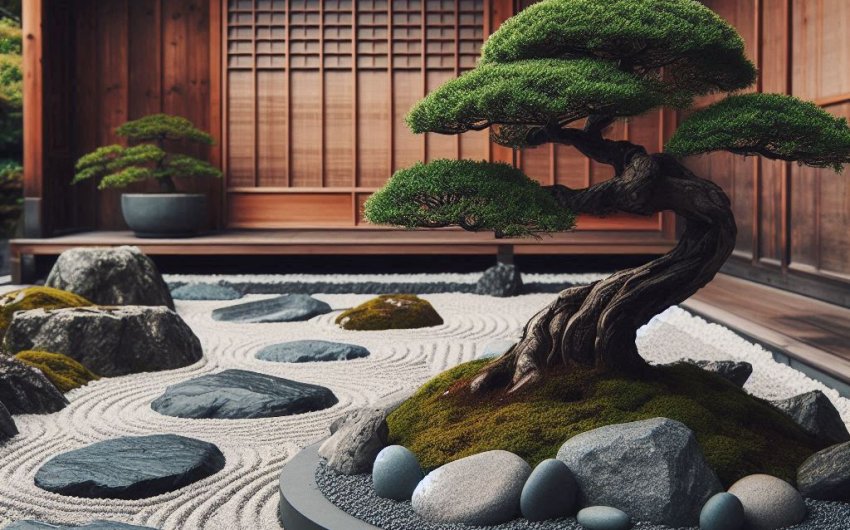
In our fast-paced modern lives, finding moments of tranquility and mindfulness can feel like a rare luxury. The constant barrage of information and demands on our time often leaves us feeling overwhelmed and disconnected. Imagine stepping into a space within your own home, however small, that immediately calms your mind, invites contemplation, and offers a quiet retreat from the everyday rush. This is the essence of a Zen garden, also known as a Japanese rock garden or karensansui. These miniature landscapes are more than just decorative elements; they are profound expressions of nature's beauty, simplified to inspire meditation and peace. Creating one isn't about grand gestures or extensive landscaping; it's about thoughtful arrangement, symbolic representation, and a commitment to cultivating serenity. Whether you have a spacious backyard or just a small corner of a desk, you can bring the soothing principles of Zen into your personal sanctuary. Let's embark on the journey of designing your own haven of peace.
What is a Zen Garden and Why Create One at Home?
Understanding the essence of a Zen garden goes beyond its physical components. It's a philosophy translated into a landscape, designed to foster a specific state of mind. Knowing its purpose helps you appreciate the profound tranquility it can bring into your home.
What are the core principles of a Zen Garden?
A Zen garden, or Japanese rock garden (karensansui in Japanese), is a minimalist landscape often found in Zen Buddhist temples. Unlike traditional gardens filled with plants and water, Zen gardens typically use a limited number of elements to symbolize vast natural landscapes.
- Simplicity (Wabi-Sabi): This principle embraces imperfection, impermanence, and incompleteness. A Zen garden is not about elaborate displays but about stripping away the unnecessary to reveal essential beauty. Every element has a purpose, and there is an absence of clutter.
- Asymmetry: Unlike Western gardens that often favor symmetry, Zen gardens are designed with asymmetry. This creates a natural, balanced, yet dynamic feel, mimicking nature's organic patterns.
- Emptiness/Space (Ma): The empty space, often represented by the raked gravel or sand, is as important as the physical objects. It symbolizes water, clouds, or the vastness of the universe. This negative space allows the mind to rest and reflect.
- Naturalness: Even though highly curated, the design aims to evoke a sense of natural landscapes, often mountains (rocks) and water (sand/gravel).
- Balance and Harmony: All elements are carefully placed to create a sense of equilibrium, promoting peace and quiet reflection.
What are the key elements found in a Zen Garden?
While seemingly simple, each element in a Zen garden holds deep symbolic meaning.
- Rocks (Ishi): These are the most important elements, representing mountains, islands, or even individual trees. Their size, shape, and placement are crucial.
- Tall, vertical stones: Can symbolize waterfalls or lofty mountains.
- Flat, horizontal stones: May represent islands or stable ground.
- Rounded stones: Can suggest tranquility or clouds.
- They are often placed in odd numbers (e.g., 3, 5, 7) to enhance asymmetry and naturalness.
- Sand or Gravel (Suna / Sazare-ishi): This is the canvas of the garden. It represents water (oceans, rivers, lakes) and is meticulously raked into patterns.
- Raking patterns: Straight lines often symbolize calm water or ripples, while concentric circles around rocks can suggest waves around islands. The act of raking itself is a meditative practice.
- Moss (Koke): Often used to cover ground or accentuate rocks, moss symbolizes age, tranquility, and the passage of time. It provides a soft, green contrast to the starkness of rocks and sand.
- Limited Plants (Optional): While not a focus, very few, carefully chosen plants might be included.
- Evergreens: Small, slow-growing evergreens like dwarf pines or junipers can symbolize endurance or stability.
- Japanese Maples: Provide seasonal color with their leaves.
- These are used sparingly to maintain the minimalist aesthetic.
- Water Features (Optional): In larger gardens, real water features (like small ponds or trickling bamboo fountains, shishi-odoshi) can be included, but in miniature gardens, sand usually represents water.
- Bridges or Stepping Stones (Optional): In larger gardens, these can represent a journey or transition.
Why create a Zen Garden at home?
The benefits of having a Zen garden are numerous, especially for promoting well-being in a busy life.
- Stress Reduction and Relaxation: The minimalist aesthetic and the act of raking patterns are inherently calming. It provides a visual and interactive focal point for relaxation and release of tension.
- Mindfulness and Meditation: Zen gardens encourage mindfulness – being present in the moment. The simplicity prompts contemplation and can serve as a non-religious aid for meditation.
- Aesthetic Beauty: They bring a unique, sophisticated, and calming beauty into your living space, enhancing decor with natural elements.
- Space Efficiency: Even a tiny desk-sized Zen garden can provide these benefits, making them ideal for small homes or apartments. You can create a peaceful sanctuary anywhere.
- Connection to Nature: They offer a symbolic connection to the natural world, even indoors, reminding us of its grandeur and tranquility.
- Creative Outlet: The design and raking offer a peaceful, creative outlet, allowing you to express your own sense of balance and harmony.
Creating a Zen garden is about cultivating inner peace by creating a small, serene corner that reflects the quiet strength of nature.
What Supplies Do I Need to Create a Zen Garden?
Creating a Zen garden is much simpler than building a traditional garden, and it requires a relatively short list of materials. The beauty lies in the thoughtful selection and arrangement of these key elements. Whether you're making a tabletop version or a small outdoor space, the basic supplies remain consistent.
Essential Supplies
These are the core components you'll need for any Zen garden.
Container or Defined Space
This will be the boundary of your garden.
- For Tabletop/Desktop Zen Gardens:
- Wooden trays: Shallow, rectangular wooden trays are popular and offer a natural look.
- Ceramic bowls/trays: Can add an artistic touch.
- Shadow boxes: A shadow box lying flat can also serve as a unique container.
- DIY options: You can even use the lid of a sturdy shoe box or a small wooden box from a craft store.
- Size: Choose a size that fits your space and budget. Many pre-made desktop Zen garden kits come with a perfect container, like the Mini Zen Garden Kit.
- For Outdoor/Larger Zen Gardens:
- Defined boundary: You'll need to clearly define your garden area. This can be done with simple landscaping timbers, a low stone wall, or even just a well-defined edge dug into the ground.
- Lining (optional for outdoor): For outdoor gardens, consider a weed barrier fabric or landscape fabric beneath the sand/gravel to prevent weeds from growing up through your meticulously raked surface.
Sand or Gravel
This forms the "water" element and the canvas for raking.
- Type:
- Play sand: For small tabletop gardens, fine play sand is readily available and works well.
- White sand: White or very light-colored sand is often preferred for its clean look, which makes the raked patterns more visible.
- Zen garden sand: Specific sands marketed for Zen gardens are usually fine, pure, and often come in white or off-white.
- Fine gravel/crushed granite: For larger outdoor gardens, use very fine, light-colored gravel or crushed granite (2-5mm size). This material allows for good raking patterns and drains well. Avoid large, chunky gravel.
- Quantity: You'll need enough to create a depth of at least 1-2 inches (2.5-5 cm) for a tabletop garden, and 2-4 inches (5-10 cm) for an outdoor garden, to allow for effective raking and placement of rocks. You can often buy specialized Zen Garden White Sand in small bags.
Rocks
These symbolize mountains, islands, or eternal elements.
- Selection: Look for naturally shaped, smooth or slightly textured rocks. Avoid anything too angular or brightly colored unless it serves a specific symbolic purpose for you.
- Variety: Choose a variety of sizes and shapes to create visual interest and represent different features (e.g., a larger "mountain" rock, smaller "island" rocks).
- Source: You can find suitable rocks in nature (rivers, beaches - check local regulations), at garden centers, or even in craft stores. Polished River Rocks are often a good choice.
- Quantity: Remember the principle of asymmetry and odd numbers. Start with a few carefully selected rocks rather than many.
Rake Tool
Essential for creating patterns in the sand/gravel.
- For Tabletop: A miniature wooden Zen garden rake is usually included in kits or can be purchased separately. These have fine tines designed for delicate patterns.
- For Outdoor: A small hand rake or a custom-made wooden rake with wide teeth will be needed to create larger patterns in gravel.
- Importance: The act of raking is a core meditative practice, so having a suitable tool is vital.
Optional Supplies (Depending on Design & Scale)
These elements can enhance your Zen garden but are not strictly necessary for its core function.
Moss
Adds a touch of green and symbolizes age and nature.
- Type: Sheet moss, preserved moss, or live moss (if your conditions allow).
- Placement: Can be used around the base of rocks, in small patches, or along the edges of the container.
- Source: Craft stores (for preserved moss), garden centers (for live moss or decorative sheet moss like Preserved Mood Moss), or you can carefully collect it from nature.
Small Plants (for larger outdoor Zen gardens or specific designs)
If including plants, choose those that are slow-growing and require minimal maintenance.
- Examples: Dwarf conifers (e.g., Dwarf Japanese Black Pine, Juniper procumbens 'Nana'), carefully pruned Japanese Maple (in larger settings).
- Considerations: Ensure they are appropriate for your climate zone and the amount of light the garden receives.
Small Sculptures or Figurines (use sparingly)
These can add a personal touch but should be used very thoughtfully to maintain the minimalist aesthetic.
- Examples: A small Buddha statue, a miniature pagoda, a stone lantern, or a single simple bird figurine.
- Principle: Less is more. A single, well-placed object can be more impactful than many. You can find beautiful Mini Buddha Statues.
Gathering your supplies is the first tangible step in bringing your Zen garden vision to life. Remember, the focus is on quality and symbolic meaning rather than quantity.
How Do I Design My Zen Garden? (Placement and Symbolism)
Designing a Zen garden is an exercise in mindfulness, intention, and simplified natural representation. It's not about replicating a landscape perfectly, but about evoking its essence to inspire calm and contemplation. Each element's placement carries symbolic weight, creating a harmonious miniature world.
Choose Your Focal Point
Every Zen garden needs a focal point – the element that first draws the eye and anchors the composition.
- The Main Rock (Shu-ishi): This is typically the largest and most prominent rock. It often represents a majestic mountain or a sturdy island. Place it off-center, according to the principle of asymmetry, rather than directly in the middle. Its position will influence the placement of all other elements.
- Consider its "face": Rocks have different sides. Turn your main rock until you find the most pleasing angle or "face" to present to the viewer.
Arrange Your Rocks
Rocks are the "bones" of the Zen garden. Their arrangement defines the landscape.
- Asymmetrical Groupings: Arrange rocks in odd-numbered groups (e.g., three, five, or seven). A common arrangement is a group of three, representing a central mountain with two smaller peaks or companions. This is known as a sanzon-ishigumi or Buddha Triad.
- Triangle Formation: Often, rocks are arranged in triangles, which feel stable and natural.
- Varying Heights and Shapes: Use a mix of tall, vertical rocks (representing mountains or waterfalls), flat, horizontal rocks (representing islands or stable ground), and rounded rocks (symbolizing tranquility).
- Partial Burial: Embed some of the rocks partially into the sand or gravel. This makes them look more natural, as if they are emerging from the earth, rather than just placed on top.
- Consider Perspective: If your garden will be viewed from only one side, arrange the rocks so they look best from that primary viewing angle. Ensure no two rocks of the same size or shape are placed directly parallel to each other.
- Symbolism in Placement:
- Islands in an ocean: A common theme is a group of islands (rocks) in a vast ocean (sand).
- Mountains: Rocks can represent mountains emerging from clouds (sand).
- The passage of time: Larger, more weathered rocks can suggest age and endurance.
Design the Sand/Gravel Patterns
The raked sand or gravel is where the garden truly comes alive and becomes an interactive, meditative space.
- Representing Water: The most common use of sand/gravel is to symbolize water.
- Straight lines (Hamon): Long, parallel lines running through the garden typically represent calm, flowing water, like a river or still lake.
- Concentric Circles (Same-mon): Circular patterns around rocks symbolize ripples spreading from an island or a stone dropped into water.
- Waves: More complex wavy patterns can represent ocean waves or currents.
- The Act of Raking (Samon): The act of raking itself is a meditative practice. It encourages focus, rhythm, and a connection to the garden. Don't worry about perfection; the process is as important as the outcome.
- Maintaining Smooth Areas: Leave some areas of sand unraked to symbolize clouds, mist, or untouched tranquility.
- Trial and Error: Experiment with different patterns. What feels most calming or evocative to you? The sand can always be smoothed and re-raked. A fine Zen garden rake will help create intricate designs, like those found in a Zen Garden Rake Set.
Incorporate Optional Elements Thoughtfully
If you choose to add moss, plants, or sculptures, do so with extreme restraint to maintain the minimalist spirit.
- Moss: Place small patches of moss around the base of rocks to soften their edges and symbolize age. Less is more.
- Limited Plants: For larger gardens, a single, carefully chosen dwarf evergreen (like a dwarf pine or juniper) can represent resilience or a distant forest. Ensure it doesn't overwhelm the space.
- Sculptures: A single, simple Buddha statue, a small stone lantern, or a minimalist bridge can add a touch of symbolism without cluttering the scene. Place them strategically, perhaps near a rock grouping or at the edge of the garden. Remember, they should enhance, not detract from, the overall sense of peace.
Consider the Viewing Angle
Think about where your Zen garden will be placed and from what perspective it will typically be viewed.
- One-sided view: If it's against a wall or on a desk, design it to be aesthetically pleasing from that primary viewing angle.
- Circumambulation: If it's an outdoor garden that can be walked around, ensure it looks balanced and harmonious from multiple angles.
The beauty of designing your own Zen garden is that it's a personal expression. While traditional principles provide a guide, the ultimate goal is to create a space that brings you peace and encourages reflection.
Where Should I Place My Zen Garden at Home?
The location of your Zen garden is almost as important as its design. To truly serve its purpose as a haven of peace and contemplation, it needs to be placed where it can be appreciated and where its calming influence can be most felt. Different types of Zen gardens lend themselves to different locations.
For Tabletop/Desktop Zen Gardens
These miniature gardens are highly versatile and can be placed in many indoor spaces.
- Quiet Corner of a Room: Ideal for a small table in a living room, bedroom, or a quiet alcove. This allows the garden to be a visual focal point for relaxation without being in a high-traffic area.
- Home Office Desk: Placing a desktop Zen garden on your desk can serve as a powerful stress reliever during work breaks. The act of raking for a few minutes can help clear your mind and refocus.
- Meditation Space: If you have a dedicated meditation corner or room, a tabletop Zen garden is a perfect addition, enhancing the tranquil atmosphere.
- Next to a Reading Nook: A small table beside your favorite armchair or reading spot can hold your Zen garden, providing a calming view as you read or reflect.
- Consider Lighting: While Zen gardens don't need direct sunlight, good ambient light will highlight the raked patterns and textures of the rocks. Avoid direct, harsh sunlight that might cause issues for any moss or plants, or make the sand look too glary.
- Stable Surface: Ensure the surface is stable and level, so your raked patterns remain undisturbed.
For Outdoor Zen Gardens
Creating a larger Zen garden outdoors requires more consideration for weather, light, and integration with your existing landscape.
- Secluded Area: The most ideal location is a quiet, somewhat secluded area of your backyard or patio where you can sit and contemplate without too many distractions. This could be a corner, behind a privacy screen, or away from high-traffic pathways.
- Partial Shade to Full Sun: Most outdoor Zen gardens (which are primarily rocks and gravel) can tolerate full sun, but if you plan to incorporate moss or certain plants, partial shade might be better to prevent them from drying out too quickly.
- Good Drainage: Ensure the chosen area has excellent drainage. You don't want your sand or gravel bed to become waterlogged after rain, as this will destroy patterns and can lead to algae growth or muddy conditions. If natural drainage is poor, you might need to excavate and add a layer of gravel beneath your sand/gravel layer.
- Away from High-Traffic Areas: Avoid placing it directly in a path or play area where it might be easily disturbed by foot traffic or children/pets.
- Near a Window or Patio: If you want to enjoy the view from indoors, position the outdoor Zen garden where it's visible from a favored window, patio, or deck.
- Background: Consider what will be behind the garden. A plain wall, a fence, or a backdrop of calming green foliage (like bamboo or evergreen shrubs) can enhance the peaceful feeling and reduce visual clutter. Avoid busy or distracting backgrounds.
- Accessibility: Ensure you can easily access all parts of the garden for raking and maintenance.
General Placement Considerations for All Zen Gardens
- Minimize Clutter: Whether indoor or out, surround your Zen garden with minimal clutter. A clean, uncluttered environment around the garden enhances its calming effect.
- Sound and Atmosphere: Think about the overall sensory experience. For outdoor gardens, consider incorporating a subtle water feature nearby, like a small bamboo fountain, or wind chimes for gentle sounds. Indoors, ensure the area is relatively quiet.
- Personal Connection: Ultimately, the best place is somewhere you feel naturally drawn to, a spot where you can easily find moments of peace and quiet reflection.
By thoughtfully selecting the placement, you empower your Zen garden to truly fulfill its purpose: to be a private oasis of calm and contemplation in your home environment.
How Do I Maintain and Care for My Zen Garden?
Maintaining a Zen garden is less about intensive gardening and more about mindful upkeep. The maintenance itself becomes part of the meditative practice, reinforcing the garden's purpose. It's about preserving the simplicity and harmony of the space.
Raking the Sand/Gravel
This is the primary and most meditative form of maintenance.
- Frequency: Rake your sand or gravel as often as you feel inclined, from daily to once a week. There's no strict rule; it's a personal practice. You might rake when you need a mental break, feel stressed, or simply want to refresh the garden's appearance.
- Technique: Use your Zen garden rake to create patterns.
- Smooth the surface: Before creating new patterns, gently smooth the entire sand/gravel surface with the flat edge of your rake or a flat board to erase old patterns.
- Start from the outside: For tabletop gardens, begin raking patterns from the outer edges, working inwards, or from one end to the other.
- Be intentional: Move slowly and deliberately. Focus on the motion, the feel of the rake, and the lines forming. This is where the mindfulness comes in.
- Practice patterns: Experiment with straight lines (symbolizing water or stillness), wavy lines (representing currents or waves), or concentric circles around rocks (representing ripples).
- Remove Debris: Before raking, gently remove any dust, lint, or debris that might have fallen onto the sand surface. A soft brush or small hand vacuum can be useful for this.
Caring for Rocks and Optional Elements
- Cleanliness: Periodically wipe down your rocks and any small sculptures with a soft, damp cloth to remove dust. This keeps their textures and colors vibrant.
- Repositioning: While rocks are generally permanent features, you can occasionally try slightly adjusting their position or orientation to refresh the garden's composition or if you feel a shift in balance is needed.
- Moss Care (if live): If you've included live moss, it will need specific care.
- Moisture: Most mosses prefer high humidity and consistent moisture. Lightly mist the moss regularly with a fine spray bottle (using distilled or rainwater) to keep it hydrated. Do not let it dry out completely.
- Light: Ensure the moss receives indirect light. Too much direct sun can scorch it.
- Trimming: If the moss grows too vigorously and starts to overpower the garden, you can gently trim it with small scissors.
- Plant Care (if included): If you've added live plants (especially in outdoor gardens), follow their specific care instructions for watering, pruning, and light. Choose plants that are naturally low-maintenance.
General Cleanliness and Environment
- Keep the area tidy: A Zen garden thrives in a clean, uncluttered environment. Keep the area around your garden free of dust, papers, or other distractions.
- Protection: For outdoor Zen gardens, consider netting or covers if falling leaves or debris are a constant issue, especially during autumn.
- Dusting: For tabletop gardens, regular dusting of the container and surrounding surfaces will help maintain the pristine look.
Mindful Approach to Maintenance
- Embrace the process: View maintenance not as a chore but as an extension of the garden's purpose. The act of cleaning, raking, and tending is itself a form of meditation and appreciation.
- Less is more: Remember the principle of simplicity. Avoid over-complicating maintenance or adding too many elements that require constant attention. The goal is to reduce stress, not create more.
- Observe and Reflect: As you maintain your garden, take a moment to observe it, reflect on its beauty, and notice the calm it brings.
By engaging in these simple, mindful maintenance practices, your Zen garden will remain a beautiful, serene, and ever-present source of peace and contemplation in your home.