
What Causes Yellow Leaves on Indoor Plants?
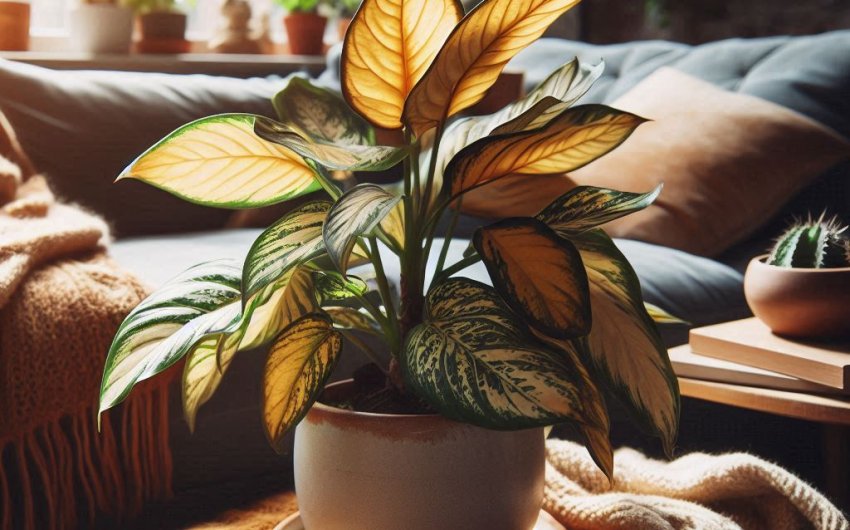
Witnessing the vibrant green of your indoor plants slowly fade to a sickly yellow can be disheartening for any plant parent. If you've found yourself asking, "What causes yellow leaves on indoor plants?" you're grappling with one of the most common and frustrating problems in houseplant care. Yellowing leaves, a condition known as chlorosis, are often a cry for help from your plant, signaling an underlying issue with its environment or care routine. This comprehensive guide will break down the various reasons behind this discoloration and provide practical solutions to help your green companions regain their healthy hue.
Why do plant leaves turn yellow?
Yellowing leaves, or chlorosis, occur when the plant is not producing enough chlorophyll, the green pigment essential for photosynthesis. Without sufficient chlorophyll, the plant cannot properly convert light into energy, leading to a decline in health. This discoloration is a visible symptom of internal stress.
What is the underlying process of yellowing?
- Chlorophyll Breakdown: When a plant is stressed, it may break down chlorophyll in older leaves to reallocate nutrients to newer, more vital growth.
- Nutrient Deficiency: Essential nutrients like iron, magnesium, or nitrogen are crucial for chlorophyll production. A lack of these can directly lead to yellowing.
- Impaired Water/Nutrient Uptake: Root problems (often caused by overwatering or compacted soil) can prevent the plant from absorbing water and nutrients efficiently, starving the leaves.
- Environmental Stress: Sudden changes in light, temperature, or humidity can shock a plant, causing it to shed leaves that are no longer optimal for the new conditions.
Understanding these mechanisms helps pinpoint the specific reason behind why houseplant leaves turn yellow.
What are the most common causes of yellow leaves on indoor plants?
While many factors can lead to yellowing, certain culprits are far more common than others. These relate primarily to watering practices, light exposure, and nutrient availability.
1. Overwatering
This is arguably the most frequent reason for yellow leaves on indoor plants. Too much water suffocates roots, leading to root rot.
- Symptoms: Leaves turn yellow, often starting from the bottom of the plant, and may feel soft or mushy. The soil stays wet for a long time, and the plant may show signs of wilting (even though it's wet).
- Why it happens: Roots need oxygen. When soil is constantly saturated, air pockets are eliminated, and roots essentially "drown" and begin to rot. Damaged roots can't absorb water or nutrients, leading to dehydration and nutrient deficiency in the leaves, despite ample water being present.
- Solution:
- Check Soil: Stick your finger 2-3 inches into the soil. If it's still wet, do not water.
- Improve Drainage: Ensure your pot has drainage holes. If not, repot immediately into a pot with holes.
- Aeration: Gently loosen the top few inches of soil to improve airflow.
- Water Less Frequently: Only water when the top 1-2 inches of soil are dry to the touch (or more, depending on the plant type).
- Consider a Moisture Meter: A plant moisture meter can help gauge soil wetness.
2. Underwatering
While less common than overwatering for widespread yellowing, chronic underwatering can also lead to discolored leaves.
- Symptoms: Leaves turn yellow, often crispy and dry to the touch, and may drop off. The soil pulls away from the edges of the pot.
- Why it happens: Insufficient water means the plant can't transport nutrients or maintain turgor pressure (the internal water pressure that keeps leaves firm). It sheds leaves to conserve moisture.
- Solution: Water thoroughly until water drains from the bottom of the pot. Ensure the plant is not root-bound. Increase watering frequency as needed, especially during active growth periods.
3. Nutrient Deficiencies
Plants need specific nutrients for healthy growth, and a lack of them can manifest as yellowing leaves.
- Nitrogen (N) Deficiency:
- Symptoms: Older, lower leaves turn uniformly yellow, often starting from the tips and edges and moving inward. Growth is stunted.
- Why it happens: Nitrogen is a mobile nutrient, so the plant moves it from old leaves to new growth, causing the old leaves to suffer.
- Solution: Fertilize with a balanced houseplant fertilizer or one higher in nitrogen.
- Iron (Fe) Deficiency:
- Symptoms: Younger leaves turn yellow, while the veins remain green. This is called interveinal chlorosis.
- Why it happens: Often caused by high pH soil that makes iron unavailable, or compacted soil restricting root uptake.
- Solution: Adjust soil pH if necessary (acid-loving plants). Use an iron supplement for plants.
- Magnesium (Mg) Deficiency:
- Symptoms: Older leaves show interveinal chlorosis (yellowing between green veins).
- Why it happens: Can be due to low magnesium in the soil or nutrient imbalance.
- Solution: Use Epsom salts (magnesium sulfate) or a fertilizer containing magnesium.
4. Incorrect Lighting
Too much or too little light can stress a plant and cause its leaves to yellow.
- Too Little Light:
- Symptoms: Lower leaves turn yellow and drop. New growth is weak, leggy, and pale.
- Why it happens: The plant isn't getting enough light for photosynthesis, so it sheds leaves it can't support and stretches for more light.
- Solution: Move the plant to a brighter location or supplement with a grow light.
- Too Much Light (Sunburn):
- Symptoms: Yellowing, bleaching, or crispy brown spots, often on leaves directly exposed to intense light.
- Why it happens: Intense direct sun can literally burn the chlorophyll.
- Solution: Move the plant further from the window or provide filtered light with sheer curtains.
5. Temperature Stress
Sudden or extreme temperature changes can shock a plant and lead to yellowing leaves.
- Too Cold:
- Symptoms: Leaves may yellow, turn brown/black, and wilt quickly, often affecting the entire plant or parts exposed to cold.
- Why it happens: Cold temperatures can damage cell membranes and impair water uptake.
- Solution: Move plants away from drafty windows, air conditioning vents, or cold doorways. Maintain consistent room temperatures.
- Too Hot:
- Symptoms: Yellowing, wilting, and possibly browning, especially if combined with low humidity.
- Why it happens: Excessive heat can cause rapid water loss (transpiration) faster than the roots can absorb it, leading to dehydration.
- Solution: Move plants away from heating vents or direct heat sources. Increase humidity.
6. Low Humidity
Many common houseplants are tropical and require high humidity. Dry air, especially in winter, can cause yellowing and crisping.
- Symptoms: Leaf tips and edges turn yellow or brown and become crispy.
- Why it happens: The plant loses moisture to the dry air faster than its roots can supply it, causing dehydration in the leaf margins.
- Solution: Increase humidity with a room humidifier, pebble trays, or by grouping plants.
7. Pests and Diseases
Certain pests feed on plant sap, and some diseases can disrupt nutrient flow, both leading to yellowing.
- Pests: Spider mites, aphids, mealybugs, and scale insects suck sap, causing stippling (tiny yellow dots) that can merge into larger yellow patches.
- Diseases: Fungal or bacterial infections (e.g., root rot, leaf spot diseases) can cause yellowing, often accompanied by mushy stems, brown spots, or mold.
- Solution:
- Inspect Carefully: Regularly check leaf undersides and stems for tiny insects, webbing, or sticky residue.
- Treatment: Isolate affected plants. Treat pests with insecticidal soap, neem oil, or appropriate organic treatments. For diseases, pruning affected parts and improving air circulation might help; severe cases may require fungicides or discarding the plant.
8. Transplant Shock
When a plant is moved to a new pot or location, it can experience temporary stress.
- Symptoms: Yellowing and dropping of a few lower leaves within a week or two of repotting or moving.
- Why it happens: Roots get disturbed, and the plant needs time to adjust to new light, temperature, or humidity levels.
- Solution: Provide consistent care, avoid overwatering, and be patient. The plant usually recovers.
9. Old Age of Leaves (Natural Shedding)
Sometimes, yellowing is perfectly normal. Older leaves naturally yellow and drop as the plant grows new ones.
- Symptoms: Only a few lower, older leaves turn yellow, while the rest of the plant remains healthy and produces new growth.
- Why it happens: The plant redirects energy and nutrients from old leaves to support new growth.
- Solution: No action needed. Simply snip off the yellowing leaves once they fully yellow or detach easily.
How do you effectively diagnose yellow leaves on indoor plants?
Becoming a plant detective is key. Look at the patterns, locations, and accompanying symptoms to pinpoint the exact cause of yellowing leaves.
What are diagnostic steps?
- Observe Location: Are the yellow leaves on the top, middle, or bottom of the plant? Are they new or old leaves?
- Lower/Older Leaves: Often indicates overwatering, underwatering, or nitrogen deficiency.
- Upper/Newer Leaves: Can suggest iron or other micronutrient deficiency, or occasionally sunburn.
- Random Leaves All Over: Could be pests, disease, or overall environmental stress.
- Feel the Soil: Is it bone dry, slightly damp, or soggy wet? This immediately rules out or confirms watering issues.
- Inspect Closely for Pests: Use a magnifying glass to check both sides of leaves, stems, and crevices for tiny insects, webbing, or sticky residue.
- Check Drainage: Does the pot have drainage holes? Is water pooling in the saucer?
- Assess Light & Temperature: Has the plant's environment changed recently? Is it near a draft, a heat vent, or direct sun?
- Review Care Routine: Have you recently fertilized? Are you following a consistent watering schedule?
By systematically going through these checks, you can accurately answer what causes yellow leaves on indoor plants and apply the most effective remedies to bring your plant back to health.