
How to Care for a Snake Plant in Low Light?
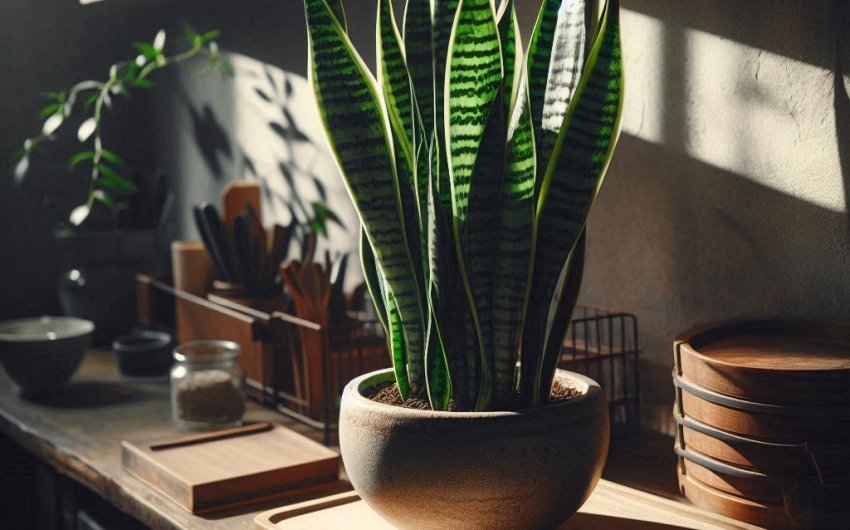
The Snake Plant, or Sansevieria trifasciata, is a true marvel of the plant world. Its upright, sword-like leaves, often adorned with striking patterns of green, yellow, and silver, bring a touch of modern elegance to any interior space. Beyond its striking appearance, the Snake Plant has earned a stellar reputation for being incredibly tough and adaptable, making it a favorite among both seasoned plant parents and absolute beginners. It's the plant often recommended when someone says, "I kill everything!"
One of the most celebrated qualities of the Snake Plant is its remarkable tolerance for a wide range of conditions, including those that would send many other houseplants into a swift decline. Among these tolerances, its ability to survive in low light environments stands out. While no plant truly thrives in absolute darkness, the Snake Plant comes remarkably close to flourishing in dimly lit corners where most other greenery would simply wither away. This makes it an invaluable asset for bedrooms, bathrooms, offices, or hallways that lack abundant natural light.
However, "tolerance" doesn't mean "ignore." Even though a Snake Plant in low light is a resilient survivor, understanding its specific needs in these conditions is crucial for its long-term health and vibrant appearance. This comprehensive guide will delve into the nuances of caring for your Snake Plant when light is scarce. We'll explore how low light impacts its growth, how to adjust your watering and feeding routines, and provide essential tips to ensure your tough Sansevieria not only survives but truly brightens those challenging, darker spots in your home.
What Makes a Snake Plant So Good for Low Light?
The Snake Plant (also known as Mother-in-Law's Tongue or Sansevieria trifasciata) has a superpower: it's incredibly tough and can handle spots where most other plants would give up. This makes it a top choice for low light environments. But what exactly gives it this amazing ability?
1. Crassulacean Acid Metabolism (CAM) Photosynthesis
This is a fancy scientific term (CAM photosynthesis) but it's one of the main reasons Snake Plants are so special.
- How most plants work: Most plants open their tiny pores (stomata) on their leaves during the day to take in carbon dioxide. This is also when they lose water through evaporation.
- How Snake Plants work: Because they evolved in hot, dry places, Snake Plants have a clever trick. They open their stomata only at night when temperatures are cooler and humidity is higher. They take in carbon dioxide then and store it. During the day, they close their stomata, conserving precious water, and use the stored carbon dioxide to perform photosynthesis.
- Why it helps in low light: This water-saving strategy makes them extremely efficient, needing less light and water compared to plants that are constantly losing water during the day. It means they can make the most of less-than-ideal light conditions.
2. Water Storage in Leaves
- Succulent-like Leaves: Snake Plants have thick, fleshy leaves. These leaves act like little water reservoirs, storing water for long periods.
- Drought Tolerance: This ability to store water means they don't need frequent watering, which is a common issue for plants in low light (where soil dries out slower). It helps them survive periods of neglect.
3. Native Habitat Adaptation
- Understory Plants: In their natural homes in West Africa, many types of Sansevieria often grow on the forest floor, under the canopy of larger trees. This means they are naturally adapted to dappled light or brighter shade, not direct, intense sun. They are used to lower light levels.
- Resilience: Their hardy nature from tough environments makes them highly resilient to a wide range of conditions, including less-than-perfect light.
4. Slow Growth Rate
- Less Energy Needed: Snake Plants are generally slow growers. This means they don't need as much energy (from light) to produce new growth as fast-growing plants do. They can get by on less.
While a Snake Plant will thrive and grow faster in bright, indirect light, its unique adaptations allow it to survive and maintain its beauty even in quite dark corners where most other houseplants would simply fail. This makes it a fantastic choice for those challenging spots in your home or office.
How Does Low Light Affect a Snake Plant's Growth?
While a Snake Plant can survive in low light, it's important to understand that "survive" isn't the same as "thrive." Low light conditions will definitely impact your plant's growth and appearance.
1. Slower Growth Rate
- Less Energy Production: In low light, the plant can't perform photosynthesis as efficiently. This means it produces less energy (sugars).
- What you'll see: Your Snake Plant will grow much, much slower. New leaves will appear less frequently, and the plant might not get as tall as it would in brighter conditions. If you're used to seeing quick changes in other plants, be prepared for a very patient relationship with a low-light Snake Plant.
2. Reduced Variegation and Color
- Variegation Fades: Many popular Snake Plant varieties have beautiful patterns of yellow, white, or silver on their leaves (this is called variegation). In low light, these vibrant colors can become dull or even disappear. The leaves might revert to a more uniform, plain green.
- Why it happens: The plant is prioritizing basic survival. The green parts of the leaves are where photosynthesis happens most efficiently. If light is scarce, the plant puts more energy into developing chlorophyll (the green pigment) and less into the colorful, non-photosynthesizing parts of the leaf.
- What you'll see: The distinct stripes or margins might become less defined or less bright.
3. Leaves May Be Thinner and Taller (Stretching)
- Reaching for Light: While Snake Plants are very good at avoiding typical "etiolation" (stretching to find light) seen in other succulents, in very low light, their leaves might become somewhat thinner or more elongated than usual. They might also appear less rigid and more floppy.
- Why it happens: The plant is trying to maximize its surface area to capture any available light.
4. Increased Risk of Root Rot
- Slower Water Usage: In low light, plants use water much more slowly than in bright light. The soil in the pot will stay wet for a much longer time.
- The Danger: Prolonged wet soil is the primary cause of root rot in Snake Plants. Their roots are not designed to sit in soggy conditions.
- What you'll see: Mushy, black bases of leaves, yellowing leaves, and eventually the plant collapsing.
- Solution: This is why adjusting your watering schedule is absolutely critical for a Snake Plant in low light.
Understanding these impacts will help you adjust your care routine appropriately. A Snake Plant in low light will be a slow-growing, slightly less colorful, but still resilient and beautiful addition to your home.
How Do I Water a Snake Plant in Low Light?
Watering is the most critical factor when caring for a Snake Plant in low light. Overwatering is the number one killer of these tough plants.
Why Less Water in Low Light?
- Slower Evaporation: In low light, there's less heat and less air circulation (usually). This means water evaporates from the soil much slower.
- Reduced Plant Usage: As discussed, plants in low light grow slower and perform photosynthesis less efficiently. They simply don't use as much water as plants in bright light.
- Root Rot Risk: If the soil stays wet for too long, the roots start to suffocate and decay, leading to root rot. This is a deadly problem for Snake Plants.
The Golden Rule: Let the Soil Dry Out Completely!
This is the most important rule for watering any Snake Plant, but especially one in low light.
- When to Water: Only water when the soil is completely dry, all the way through the pot.
- How to Check: Don't just look at the surface. Stick your finger 2-3 inches deep into the soil. For larger pots, you can use a moisture meter to check the bottom of the pot. A soil moisture meter is a great tool for beginners.
- Listen to the Pot: Another trick is to lift the pot when it's dry and note its weight, then lift it again after watering. You'll learn to feel the difference between a dry and wet pot.
How Much Water?
- Thoroughly, But Infrequently: When you do water, water thoroughly until you see water draining from the bottom of the pot. This ensures all the roots get moisture.
- Discard Excess Water: Do not let your plant sit in standing water in its saucer. This will lead to root rot. Empty the saucer after about 15-30 minutes.
Watering Schedule (Guideline, Not Strict Rule)
There's no fixed schedule for watering a Snake Plant in low light because it depends on so many factors (pot size, humidity, temperature). However, here's a general idea:
- Spring/Summer (Growing Season): You might water every 3-6 weeks.
- Fall/Winter (Dormant Season): You might only water every 6-10 weeks, or even less frequently. Some people even water only once or twice throughout the entire winter for low-light Snake Plants.
Tips for Success
- Well-Draining Potting Mix: Always use a potting mix that drains well. A mix specifically for succulents and cacti is ideal, or you can amend regular potting soil with extra perlite or pumice (about 30-50% perlite to soil).
- Drainage Holes: Always use a pot with a drainage hole. If your decorative pot doesn't have one, plant your Snake Plant in a slightly smaller nursery pot with drainage holes and place that inside the decorative pot.
- Under-Watering is Better: If you're ever in doubt, it's always safer to under-water a Snake Plant than to over-water it. They can recover from being dry, but root rot is often fatal.
By following these watering guidelines, you'll significantly increase the chances of your Snake Plant in low light remaining healthy and vibrant.
What Kind of Potting Mix and Pot Should I Use for a Snake Plant in Low Light?
The right potting mix and pot are just as important as watering for a Snake Plant in low light. They both play a huge role in preventing the dreaded root rot.
Potting Mix: Drainage, Drainage, Drainage!
Since a Snake Plant in low light uses water very slowly, the soil needs to dry out quickly to keep the roots healthy.
- Avoid Regular Potting Soil: Standard all-purpose potting soil often holds too much moisture for too long, especially in low light.
- Use a Succulent/Cactus Mix: This type of soil is specifically formulated for plants that prefer dry conditions. It usually contains larger particles like pumice, perlite, coarse sand, or grit, which create air pockets and allow water to drain quickly. You can find succulent and cactus potting mix at any garden center.
- DIY Mix: If you can't find a succulent mix, you can make your own by amending regular potting soil. Mix about:
- 60% standard potting soil
- 40% perlite, pumice, or coarse sand.
- A large bag of perlite is a great investment for any plant enthusiast.
- Benefits of Good Drainage: It allows air to reach the roots (roots need oxygen!), prevents the soil from becoming waterlogged, and reduces the risk of fungal diseases.
Pot Type: Material Matters
The material of your pot affects how quickly the soil dries out.
- Terracotta Pots (Unglazed Clay):
- Pros: This is often the best choice for Snake Plants, especially in low light. Terracotta is porous, meaning it allows air and moisture to pass through its walls. This helps the soil dry out faster. It also helps prevent heat buildup.
- Cons: Can be heavy when large.
- Ceramic or Glazed Pots:
- Pros: Beautiful and come in many styles.
- Cons: These are non-porous, meaning they don't allow moisture to evaporate through their sides. The soil will stay wet for much longer compared to terracotta. If using glazed pots, be extra cautious with your watering, and make sure they have a large drainage hole.
- Plastic Pots:
- Pros: Lightweight, inexpensive, and durable.
- Cons: Also non-porous, like glazed ceramic. Soil will dry out very slowly. If you choose plastic, make sure it has ample drainage holes and be very diligent with watering.
- Size Matters: Don't put a small Snake Plant in a huge pot. A pot that is too large holds too much soil, and that soil will stay wet for a very long time, increasing the risk of root rot. Repot only when the plant is root-bound (roots are circling the pot). Choose a pot that is only 1-2 inches wider than the current one.
Drainage Holes are Non-Negotiable
No matter the material, your pot must have a drainage hole. If a pot doesn't have one, don't use it for planting directly. Instead, plant your Snake Plant in a plastic nursery pot with drainage holes, and then place that pot inside the decorative pot. This allows excess water to drain out and prevents soggy soil.
By using the right potting mix and a pot with excellent drainage, you create a much safer and healthier environment for your Snake Plant in low light, reducing the biggest threat to its survival.
Do I Need to Fertilize a Snake Plant in Low Light?
Fertilizing a Snake Plant in low light is something you should do sparingly, if at all. Remember, plants in low light grow much slower and don't use up nutrients as quickly as plants in bright conditions.
The "Less is More" Approach
- Slow Growth, Less Food: Since low light means slow growth, your Snake Plant simply doesn't need a lot of extra "food" (fertilizer). Too much fertilizer can actually harm the roots, especially in a plant that isn't actively growing much.
- Nutrient Buildup: If you fertilize too often or use too strong a dose, salts from the fertilizer can build up in the soil. This can cause the leaves to burn (look like brown tips) or can stress the roots.
When and How to Fertilize (If You Do)
- Frequency: If you choose to fertilize, do it only during the active growing season (spring and summer), and no more than once or twice a year. Many people find they don't need to fertilize a low-light Snake Plant at all.
- Type of Fertilizer: Use a balanced liquid houseplant fertilizer. Look for one where the three numbers (N-P-K, like 10-10-10 or 20-20-20) are equal or similar.
- Dilution is Key: Always dilute the fertilizer to half or even quarter strength of what the bottle recommends. For a low-light plant, a very weak solution is plenty.
- Apply to Moist Soil: Never fertilize a dry plant. Water your Snake Plant thoroughly first, then apply the diluted fertilizer. This prevents root burn.
Signs of Nutrient Deficiency (Rare in Low Light)
True nutrient deficiencies are rare in Snake Plants kept in low light and suitable potting mix for an extended period. If you notice severe yellowing of older leaves (not due to overwatering) or extremely stunted growth, it might be a sign, but usually, lack of light or overwatering are the culprits before nutrient deficiency.
For a Snake Plant in low light, focusing on the right watering schedule and using a well-draining potting mix are far more important than fertilizing. When in doubt, skip the fertilizer. Your plant will likely be just fine without it.
What Other Care Tips Help a Snake Plant Thrive in Low Light?
Beyond watering and light, a few other simple care tips will help your Snake Plant stay healthy and beautiful in low light conditions.
1. Temperature
- Warm and Stable: Snake Plants prefer warm temperatures, ideally between 65-80°F (18-27°C).
- Avoid Cold Drafts: Keep them away from cold windows, air conditioning vents, or drafty doorways. Sudden drops in temperature can stress the plant. Even though they are tough, prolonged cold can be harmful.
2. Humidity
- Not a Big Concern: Unlike many tropical plants, Snake Plants are not fussy about humidity. They do perfectly fine in average household humidity levels, even in dry indoor air. You don't need to mist them or provide a humidifier.
3. Cleaning the Leaves
- Dust Accumulation: In low light, dust can build up on the broad, flat leaves of a Snake Plant. This dust can block the small amount of light the plant is receiving and hinder its ability to perform photosynthesis.
- How to Clean: Gently wipe the leaves with a soft, damp cloth every few weeks or months. This keeps them clean, shiny, and able to absorb as much light as possible.
4. Repotting
- Infrequent Repotting: Snake Plants actually prefer to be a bit root-bound (meaning their roots fill the pot pretty well). They don't need to be repotted very often.
- When to Repot: Only repot when the plant is truly root-bound and roots are coming out of the drainage holes, or if the pot is starting to bulge or crack. This might be every 2-5 years, or even longer for a slow-growing plant in low light.
- Pot Size: When you do repot, only go up one pot size (e.g., from a 6-inch pot to an 8-inch pot). As mentioned earlier, a pot that is too large holds too much soil, increasing the risk of overwatering and root rot.
5. Pest Control (Rare but Possible)
- Generally Pest-Resistant: Snake Plants are generally quite resistant to pests.
- Watch For: Occasionally, you might encounter mealybugs (small, white, cottony masses) or spider mites (tiny specs with fine webbing) if conditions are very dry or the plant is stressed.
- Treatment: If you spot pests, gently wipe them off with a cotton swab dipped in rubbing alcohol, or spray with insecticidal soap. A good option is Safer Brand Insect Killing Soap. Inspect regularly.
6. Dealing with Leggy Growth (If It Happens)
- Acceptance: If your Snake Plant in very low light starts to look thin or reach more than you like, remember this is a natural response. You can either accept its new form or move it to a slightly brighter spot.
- Propagation: If it becomes very leggy or falls over, you can propagate the leaves to create new, compact plants. Cut healthy leaves into 2-inch sections, let them callus for a few days, then plant them upright in succulent potting mix. New plants will emerge from the base.
By combining the crucial aspects of watering and potting with these general care tips, your Snake Plant will prove to be an exceptionally resilient and beautiful companion, perfectly suited for those low light environments in your home.