
Best Indoor Plants for Air Purification
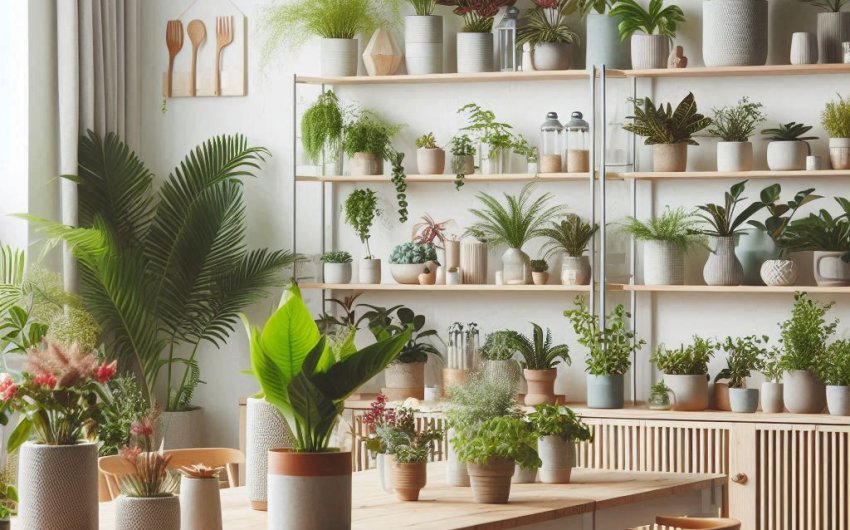
Bringing nature indoors offers more than just beauty; it can significantly improve your home environment. Many homeowners are looking for the best indoor plants for air purification to enhance air quality naturally. These living air filters absorb common indoor pollutants, creating a fresher, healthier living space.
Do Indoor Plants Really Purify Air?
The idea that indoor plants clean the air gained significant traction thanks to NASA research. While the science supports their purifying abilities, it's important to understand the extent and mechanism.
The NASA Clean Air Study:
- Origin: In the late 1980s, NASA conducted a study to find ways to purify air in space stations. Their research, known as the NASA Clean Air Study, tested various common houseplants for their ability to remove specific volatile organic compounds (VOCs) from sealed chambers.
- Key Findings: The study found that several plants were highly effective at removing benzene, formaldehyde, and trichloroethylene – common indoor air pollutants.
- Mechanism: Plants primarily purify air through two processes:
- Photosynthesis: During photosynthesis, plants take in carbon dioxide and release oxygen. While this is a primary function, it's not the main mechanism for VOC removal.
- Transpiration and Absorption: The main air-purifying action occurs as plants take in air through tiny pores in their leaves (stomata). Pollutants are absorbed into the plant and then transported to the root system. The root microbes living in the soil play a crucial role here, breaking down these VOCs into harmless byproducts.
Common Indoor Air Pollutants (VOCs):
- Formaldehyde: Found in furniture, carpeting, glue, paint, and certain cleaning products. Can cause respiratory and skin irritation.
- Benzene: Found in plastics, dyes, detergents, pesticides, and tobacco smoke. Known to be a carcinogen.
- Trichloroethylene (TCE): Used in dry cleaning, printing inks, paints, lacquers, and adhesives. Can affect the nervous system and liver.
- Xylene: Found in printing, rubber, and leather industries, and in paint, rust removers, and tobacco smoke. Can cause nervous system effects.
- Ammonia: Found in cleaning products (especially glass cleaners), and fertilizers. Can cause respiratory irritation.
- These compounds off-gas from everyday items, contributing to indoor air pollution.
Real-World vs. Lab Conditions:
- Laboratory Setting: NASA's study was conducted in small, sealed chambers, where plants could process a concentrated amount of pollutants without air exchange.
- Home Environment: A typical home is much larger and has constant air exchange (doors opening, ventilation, drafts). This means a single plant won't dramatically "scrub" an entire room's air overnight.
- The Consensus: While plants do purify air, you'd need a significant number of plants (perhaps 10-15 plants for a 1,800 sq ft home) to make a noticeable difference in overall air quality. However, even a few plants can contribute to a healthier indoor environment by continuously working to reduce pollutants.
Benefits Beyond Purification:
Advertisement- Oxygen Production: All plants release oxygen during photosynthesis, contributing to fresher air.
- Humidity Boost: Plants release water vapor, which can naturally increase indoor humidity, especially beneficial in dry climates or during winter.
- Mental Well-being: Studies suggest that being around plants can reduce stress, improve mood, increase focus, and boost overall well-being.
- Aesthetics: Plants undeniably add beauty, warmth, and life to any space.
While a single plant won't replace a sophisticated air purifier, incorporating the best indoor plants for air purification into your home can offer tangible benefits for both your environment and your well-being.
What Are the Best Indoor Plants for Removing Formaldehyde?
Formaldehyde is one of the most common VOCs found indoors, off-gassing from a wide array of household products. Fortunately, several indoor plants are particularly effective at removing it.
Boston Fern (Nephrolepis exaltata 'Bostoniensis'):
- Purification Power: Excellent at removing formaldehyde and also effective against xylene and toluene. Known for its high transpiration rate, which adds significant humidity.
- Care Level: Moderate. Needs consistent moisture (but not soggy soil), high humidity, and bright, indirect light. Can be prone to brown tips if humidity is too low.
- Why it's Great: Its dense foliage offers a large surface area for air exchange. A beautiful, classic choice for hanging baskets or pedestals. A popular choice is the Kimberly Queen Fern.
Spider Plant (Chlorophytum comosum):
- Purification Power: One of the easiest and most effective plants for removing formaldehyde, xylene, and carbon monoxide.
- Care Level: Very easy. Tolerates a wide range of conditions, making it perfect for beginners. Prefers bright, indirect light and well-draining soil.
- Why it's Great: Produces "spiderettes" or plantlets that can be easily propagated, allowing you to quickly fill your home with more air-purifying power. Looks fantastic in a hanging planter, like a spider plant in a hanging basket.
Peace Lily (Spathiphyllum):
- Purification Power: A true powerhouse, tackling formaldehyde, benzene, trichloroethylene, and ammonia. Also helps with alcohol and acetone vapors.
- Care Level: Easy to moderate. Prefers low to medium indirect light and consistently moist soil. Will dramatically droop when thirsty, making it easy to know when to water.
- Why it's Great: Features elegant white "flowers" (modified leaves) that add beauty. Resilient and tolerant of neglect. A common variety is the Spathiphyllum peace lily.
- Caution: Toxic to pets and humans if ingested, so place out of reach of curious pets and children.
Aloe Vera (Aloe barbadensis miller):
- Purification Power: Primarily known for removing formaldehyde and benzene, often released from chemical-laden cleaners.
- Care Level: Very easy. A succulent, it needs bright, direct to indirect light and infrequent watering (allow soil to dry out completely between waterings).
- Why it's Great: Beyond air purification, its gel has medicinal properties for soothing burns and skin irritations. A practical and beneficial plant for any home. You can find live aloe vera plants readily available.
Gerbera Daisy (Gerbera jamesonii):
- Purification Power: Excellent for removing formaldehyde, benzene, and trichloroethylene.
- Care Level: Moderate. Needs bright, indirect light, consistently moist soil (but not soggy), and good air circulation. It's a flowering plant, so it has more specific light needs.
- Why it's Great: Adds a vibrant splash of color with its beautiful, cheerful blooms. Perfect for a sunny windowsill.
- Note: As a flowering plant, its lifespan indoors might be shorter than purely foliage plants.
By strategically placing these best indoor plants for air purification in areas where formaldehyde sources are prevalent (e.g., new furniture, carpets, paints), you can significantly improve your indoor air quality.
Which Indoor Plants Are Best for Removing Benzene and Trichloroethylene?
Benzene and trichloroethylene (TCE) are two more common, harmful VOCs found in homes. Several indoor plants excel at scrubbing these specific pollutants from your air.
Snake Plant (Sansevieria trifasciata, aka Mother-in-Law's Tongue):
- Purification Power: A champion at removing benzene, trichloroethylene, formaldehyde, xylene, and toluene. Uniquely, it releases oxygen at night, making it ideal for bedrooms.
- Care Level: Extremely easy. Tolerates low light, infrequent watering, and a wide range of temperatures. It's almost impossible to kill.
- Why it's Great: Its upright, architectural leaves make it a stylish addition to any decor. Perfect for beginners or those who forget to water. Look for a Sansevieria Snake Plant.
Peace Lily (Spathiphyllum):
- Purification Power: (Already mentioned for formaldehyde, but worth repeating for its broad spectrum). Highly effective against benzene, trichloroethylene, formaldehyde, ammonia, xylene, alcohol, and acetone.
- Care Level: Easy to moderate. Prefers low to medium indirect light and consistently moist soil.
- Why it's Great: A dual-purpose plant providing both air purification and beautiful white blooms. Remember its mild toxicity to pets.
Chrysanthemum (Chrysanthemum morifolium):
- Purification Power: Rated highly for removing benzene, trichloroethylene, formaldehyde, and ammonia.
- Care Level: Moderate. Needs very bright, indirect light, consistent moisture, and good air circulation. These are typically short-lived flowering plants indoors, often treated as temporary additions.
- Why it's Great: Adds a burst of vibrant color with its various bloom forms. Perfect for bringing into a room that might have new paint or furniture.
- Note: Buy them in bloom and enjoy them for a few weeks to months. Often available from your local florist or grocery store, or a potted chrysanthemum plant.
Dragon Tree (Dracaena fragrans 'Massangeana' / Dracaena deremensis):
- Purification Power: Different varieties of Dracaena are excellent for a range of VOCs, including benzene, trichloroethylene, xylene, and formaldehyde.
- Care Level: Easy to moderate. Prefers medium to bright indirect light. Allow the top inch or two of soil to dry out between waterings.
- Why it's Great: Available in many sizes and forms, from tabletop plants to tall trees, making them versatile decor elements. Their sword-shaped leaves add a striking vertical element. Varieties include the Corn Plant (Dracaena fragrans) and Janet Craig Dracaena.
- Caution: Toxic to pets, so keep out of reach.
English Ivy (Hedera helix):
- Purification Power: Effective against benzene, trichloroethylene, formaldehyde, and xylene.
- Care Level: Moderate. Prefers bright, indirect light. Needs consistently moist soil but dislikes being soggy. Benefits from higher humidity.
- Why it's Great: A beautiful trailing plant perfect for hanging baskets or cascading from shelves. Its lush green foliage adds a classic touch. Look for a live English Ivy plant.
- Caution: Toxic to pets and humans if ingested.
By selecting these best indoor plants for air purification, particularly those adept at handling benzene and trichloroethylene, you can create a healthier and safer indoor environment, especially in areas with potential chemical exposure.
What Are the Best Indoor Plants for Removing Xylene and Toluene?
Xylene and toluene are petroleum-based VOCs often found in paints, varnishes, glues, and certain plastics. Several indoor plants can effectively help remove these airborne chemicals from your home.
Rubber Plant (Ficus elastica):
- Purification Power: Excellent for removing xylene, toluene, formaldehyde, and carbon monoxide.
- Care Level: Easy to moderate. Prefers bright, indirect light. Allow the top few inches of soil to dry out between waterings. Its waxy leaves are great at trapping pollutants.
- Why it's Great: Features large, glossy leaves that make a bold statement. Available in various colors, including deep green, burgundy, and variegated. A sturdy, resilient plant. Consider a Burgundy Rubber Plant.
- Caution: Milky sap can be a skin irritant and is toxic if ingested by pets or humans.
Warneckii Dracaena (Dracaena deremensis 'Warneckii'):
- Purification Power: Highly effective at removing xylene, toluene, benzene, formaldehyde, and trichloroethylene.
- Care Level: Easy. Tolerates low to medium indirect light, but thrives in brighter conditions. Allow the top inch or two of soil to dry out before watering.
- Why it's Great: Features stiff, sword-shaped leaves with striking green and white stripes. A popular office plant due to its hardiness and air-purifying abilities.
- Caution: Toxic to pets if ingested.
Kimberly Queen Fern (Nephrolepis obliterata):
- Purification Power: (Often confused with Boston Fern, but it's a distinct species). An excellent choice for removing xylene, toluene, and formaldehyde. Known for its high transpiration rate, boosting humidity.
- Care Level: Moderate. Similar to Boston Fern, it needs consistent moisture, high humidity, and bright, indirect light. It's generally more tolerant of dry air than the Boston Fern.
- Why it's Great: Its upright, sword-shaped fronds are neater and less messy than Boston ferns, making it a good fit for various spaces.
Bamboo Palm (Chamaedorea seifrizii):
- Purification Power: A top performer for removing xylene, toluene, formaldehyde, and carbon monoxide. It also adds a significant amount of humidity to the air.
- Care Level: Moderate. Prefers medium to low indirect light. Keep the soil consistently moist but not soggy.
- Why it's Great: Adds a tropical, elegant touch to any room. Its clumping growth habit and feathery fronds bring a lush feel. A great statement plant. Find a live bamboo palm plant for your home.
Dwarf Date Palm (Phoenix roebelenii):
- Purification Power: Another excellent palm for removing xylene and toluene, as well as formaldehyde.
- Care Level: Moderate. Needs bright, indirect light and consistently moist soil. Can be more challenging for beginners than a Bamboo Palm.
- Why it's Great: Its graceful, arching fronds create a classic tropical look. Smaller than a full-sized date palm, making it suitable for indoor spaces.
Incorporating these best indoor plants for air purification into your home can be particularly beneficial in areas where new construction, renovations, or common household items might be off-gassing xylene and toluene.
How Many Plants Do You Need for Effective Air Purification?
This is a common and important question when considering the best indoor plants for air purification. While one plant is better than none, achieving a noticeable improvement in indoor air quality requires a thoughtful approach to plant quantity.
The NASA Guideline:
- NASA's original research suggested a ratio of one plant per 100 square feet of space for optimal air purification in a sealed environment.
- Application to Homes: In a typical home with air exchange, this guideline is often cited as a starting point. For instance, a 1,500 square foot home might aim for 15 plants. However, this is a general recommendation, not a strict rule.
Factors Influencing Effectiveness:
- Plant Size: Larger plants with more foliage have a greater surface area for absorption and a larger root system to host pollutant-breaking microbes. A single large Fiddle Leaf Fig might be as effective as several smaller ones.
- Leaf Surface Area: Plants with broad, abundant leaves generally perform better than those with sparse or very narrow leaves.
- Growth Rate: Faster-growing plants tend to exchange more air and process pollutants more quickly.
- Plant Health: A healthy, thriving plant will always be more effective at purifying air than a stressed or struggling one.
- Pollutant Levels: If your home has high levels of VOCs (e.g., from new furniture, paint, or smoking), you'll need more plants to make a significant impact.
- Air Circulation: Good airflow in a room helps distribute pollutants to the plant's leaves.
- Potting Mix: The root microbes in the potting mix are crucial. Healthy, aerated soil supports these microbes.
Strategic Placement:
- It's not just about the number, but also about where you place them.
- High-Traffic Areas: Place plants in living rooms, dining rooms, and kitchens where people spend a lot of time.
- Source Areas: Put plants near sources of pollution, such as new furniture (formaldehyde), laundry rooms (ammonia), or home offices (xylene from printers/ink).
- Bedrooms: Snake plants are excellent for bedrooms because they release oxygen at night.
Practical Recommendations:
- Start Small: Begin with 3-5 plants for an average room (100-200 sq ft). This is a manageable number for most homeowners and will still provide noticeable benefits, especially for humidity and well-being.
- Mix and Match: Choose a variety of plants known for purifying different VOCs to cover a broader spectrum of pollutants.
- Aim for Density: Over time, gradually increase the number of plants as you get comfortable with plant care. Think of creating "plant zones" or clusters in different rooms.
- Consider Volume: Focus on the total volume of foliage. Several medium-sized plants might be more effective than one very tall, sparse plant.
While you don't need to turn your home into a jungle overnight, accumulating a decent collection of the best indoor plants for air purification and distributing them thoughtfully throughout your living spaces will certainly contribute to a healthier and more refreshing environment.
Beyond Plants: Other Tips for Improving Indoor Air Quality
While the best indoor plants for air purification are fantastic natural allies, they are part of a broader strategy for truly excellent indoor air quality. Combining plants with other practices can create an even healthier living environment.
Ventilation is Key:
- Open Windows: Regularly opening windows and doors, even for 5-10 minutes a day, can significantly improve indoor air quality by exchanging stale indoor air with fresh outdoor air.
- Use Exhaust Fans: Always use exhaust fans in bathrooms (to remove moisture and prevent mold) and kitchens (to remove cooking fumes and smoke).
- Ventilation Systems: Consider checking and maintaining your home's HVAC (heating, ventilation, and air conditioning) system to ensure proper air circulation and filtration.
Reduce Pollution Sources:
- Choose Low-VOC Products: When painting, buying new furniture, or choosing carpets, opt for products labeled "low-VOC" or "no-VOC." This drastically reduces the amount of harmful chemicals off-gassing into your home. Look for low VOC interior paint or greenguard certified furniture.
- Air Out New Items: If you buy new furniture, especially particleboard or laminate, allow it to "off-gas" in a well-ventilated area (like a garage or outdoors) for a few days before bringing it indoors.
- Natural Cleaners: Switch to natural or homemade cleaning products to avoid harsh chemicals like ammonia and bleach. Distilled white vinegar, baking soda, and essential oils are great alternatives.
- Limit Scented Products: Air fresheners, scented candles, and synthetic fragrances often contain VOCs. Opt for natural alternatives like essential oil diffusers with pure essential oils or fresh flowers.
- No Smoking Indoors: Tobacco smoke is a major source of various VOCs and harmful particulates.
- Control Pet Dander and Dust: Regularly vacuum with a HEPA-filter vacuum and dust surfaces to reduce allergens and airborne particles.
Invest in Air Purifiers:
- Mechanical Filters: For serious indoor air quality concerns, a dedicated air purifier with a HEPA filter (High-Efficiency Particulate Air) and activated carbon filter can be highly effective. HEPA filters trap airborne particles like dust, pollen, and pet dander, while activated carbon removes gases and odors.
- Placement: Place them strategically in rooms where you spend the most time. A popular choice is the LEVOIT Core 300S Air Purifier.
Maintain Indoor Humidity:
- Optimal Range: Aim for indoor humidity levels between 30% and 50%.
- Too Low: Dry air can irritate respiratory passages and increase the spread of airborne viruses. Plants help here.
- Too High: Excessive humidity (above 60%) can lead to mold and mildew growth, which release spores that are harmful allergens. Use a dehumidifier in damp areas if needed. A room dehumidifier can help.
Test Your Air Quality:
- CO Detector: Install carbon monoxide detectors, especially if you have fuel-burning appliances.
- Radon Testing: Test for radon gas, a naturally occurring radioactive gas that can enter homes and is a leading cause of lung cancer. A home radon test kit is inexpensive.
- VOC Monitor: For a comprehensive understanding, consider an indoor air quality monitor that can detect various VOCs, particulate matter, and humidity.
By taking a multi-faceted approach that includes good ventilation, source reduction, and perhaps mechanical filtration, in addition to bringing in the best indoor plants for air purification, you can significantly enhance the health and freshness of your indoor environment.