
How to Grow Orchids in Small Apartments?
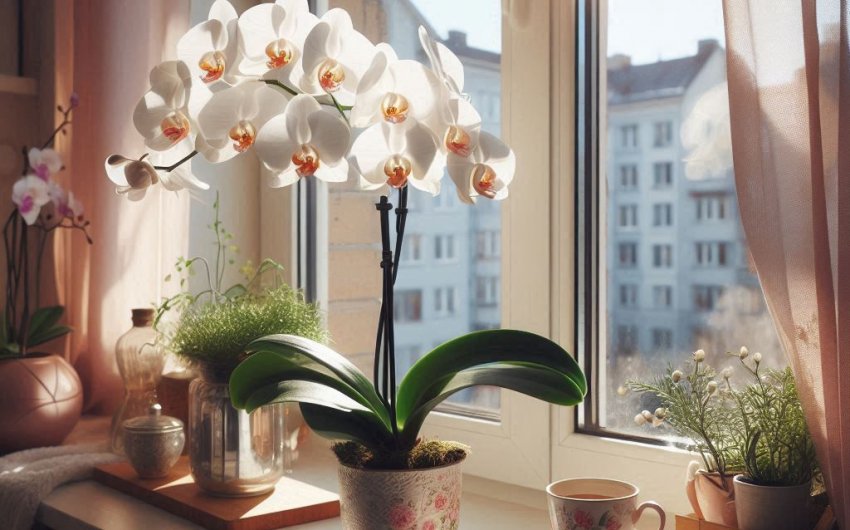
Cultivating beautiful orchids might seem challenging, especially when living in compact urban dwellings, but learning how to grow orchids in small apartments is entirely achievable with the right approach. These elegant flowering plants can bring a touch of the tropics to even the most modest living spaces, provided you understand their specific needs and adapt care strategies to suit limited room and varied light conditions. It's about maximizing every inch and creating an ideal microclimate for these exquisite blooms.
Why Are Orchids Great for Apartment Living?
Orchids might appear delicate, but they are surprisingly well-suited for apartment living, making them an excellent choice for urban gardeners with limited space. Their unique growth habits and stunning blooms offer several advantages that make them a prime candidate for indoor cultivation, even in compact areas.
Firstly, many popular orchid varieties, such as the ubiquitous Phalaenopsis (Moth Orchid), have a relatively compact growth habit. Unlike large houseplants that can quickly outgrow small rooms, orchids generally remain a manageable size. Their root systems are often specialized, allowing them to thrive in smaller pots or even mounted on bark. This means they don't demand much floor space, easily fitting on windowsills, bookshelves, or hanging from ceilings, making them ideal for maximizing vertical space in an apartment.
Secondly, orchids are generally clean plants. They don't shed leaves frequently (except for natural die-off of older foliage), and their unique potting mixes (often bark or sphagnum moss) are less prone to soil spills or attracting common houseplant pests like fungus gnats (which thrive in traditional soil). This makes them a neat and tidy addition to an apartment, reducing the mess associated with other types of indoor gardening.
Thirdly, their long-lasting and exotic blooms provide incredible aesthetic value. A single orchid plant can bloom for weeks, sometimes even months, offering continuous beauty and a vibrant splash of color in an otherwise modest space. Their intricate flowers are a focal point, bringing a touch of nature and elegance indoors without requiring a large collection of plants. This concentrated beauty allows you to enjoy the impact of gardening without the spatial demands of a diverse plant collection. All these factors combined make orchids a highly rewarding and practical choice for apartment dwellers seeking to bring nature into their homes.
What Are the Best Orchid Species for Small Apartments?
While thousands of orchid species exist, not all are equally suited for compact living. Choosing the best orchid species for small apartments involves focusing on those with a manageable size, adaptable care requirements, and a good tolerance for typical indoor conditions. Understanding these popular varieties is key to learning how to grow orchids in small apartments.
Phalaenopsis (Moth Orchid)
The Phalaenopsis orchid is by far the most popular and easiest orchid for beginners, especially in apartments. Its long-lasting blooms (often for months) and relatively forgiving nature make it a perfect choice.
- Size: Compact, fitting easily on windowsills.
- Light: Prefers medium to bright indirect light. East-facing windows are ideal, or a shaded south/west window. Avoid direct harsh sun.
- Temperature: Tolerates typical indoor temperatures (65-80°F / 18-27°C during the day, 60-65°F / 15-18°C at night). A slight night-time drop encourages reblooming.
- Humidity: Appreciates 50-70% humidity but tolerates average household humidity if watered correctly.
- Watering: Water when the roots visible in the pot turn silvery-gray. Do not let roots sit in standing water.
- Potting Media: Coarse orchid bark mix or sphagnum moss.
Paphiopedilum (Slipper Orchid)
Slipper orchids are known for their striking, pouch-like lower petal. Many species remain compact and are excellent choices for lower light conditions, making them ideal for apartments with less intense natural light.
- Size: Compact to medium.
- Light: Prefers low to medium indirect light. North or east-facing windows are often perfect. Avoid direct sun.
- Temperature: Generally prefer cooler temperatures than Phalaenopsis, especially at night (55-60°F / 13-15°C).
- Humidity: Appreciates 60% or higher.
- Watering: Keep consistently moist, but never soggy. They don't like to dry out completely.
- Potting Media: A finer-grade orchid potting mix often containing bark, perlite, and charcoal.
Oncidium (Dancing Lady Orchid)
Oncidiums are celebrated for their sprays of numerous, often fragrant, flowers that resemble dancing ladies. While some varieties can be large, many are compact, known as "miniature" or "intergeneric" Oncidiums (like Colmanara, Odontocidium).
- Size: Varies from miniature to medium-large; choose compact varieties for apartments.
- Light: Medium to bright indirect light. Brighter than Phalaenopsis, but not direct scorching sun.
- Temperature: Tolerates a wide range but prefers a slight temperature drop at night.
- Humidity: 50-70% is ideal.
- Watering: Water as media approaches dryness. Many prefer slightly more frequent watering during active growth.
- Potting Media: Fine to medium-grade orchid bark or sphagnum moss.
Jewel Orchids (Macodes petola, Ludisia discolor)
Unlike most orchids grown for their flowers, Jewel Orchids are prized for their stunning, intricately patterned foliage. Their small size and tolerance for lower light make them perfect for shaded spots in apartments.
- Size: Small, ground-dwelling plants.
- Light: Low to medium indirect light. Avoid direct sun completely.
- Temperature: Warm, consistent indoor temperatures (65-80°F / 18-27°C).
- Humidity: Very high (70-80%+) is preferred. Often grown in terrariums.
- Watering: Keep consistently moist but never soggy.
- Potting Media: A fine, moisture-retentive mix like sphagnum moss, perlite, and fine bark. You can find beautiful Jewel Orchid plants readily.
Choosing the right species for your apartment's specific conditions (light availability, temperature consistency) is the first and most critical step in successful apartment orchid cultivation.
How Do I Manage Light in a Small Apartment?
Light management is arguably the most crucial factor when learning how to grow orchids in small apartments. Natural light in urban dwellings can be limited or inconsistent, so understanding how to maximize available light and supplement when necessary is key to healthy growth and abundant blooms.
Most orchids, especially popular ones like Phalaenopsis, need bright, indirect light. Direct, scorching sunlight can burn their leaves, while too little light will result in no blooms and leggy, weak growth.
- Window Placement:
- East-facing windows: These are often ideal, providing gentle morning sun that isn't too intense.
- South or West-facing windows: Can provide strong light, but usually need to be shaded with sheer curtains or by placing the orchid slightly back from the window to prevent scorching. Monitor for hot spots.
- North-facing windows: Typically provide only low light, which might be sufficient for low-light orchids like some Paphiopedilums or Jewel Orchids, but usually not enough for blooming on most others.
- Reflective Surfaces: Maximize ambient light by placing orchids near light-colored walls or using reflective surfaces like mirrors behind them.
- Monitor Leaves: Your orchid's leaves are good indicators of light levels.
- Dark Green Leaves: Often a sign of too little light. The plant is producing more chlorophyll to try and capture more light. It may not bloom.
- Yellow or Reddish Leaves: Can indicate too much direct sun or light intensity, leading to sunburn.
- Olive Green Leaves: This is generally a healthy color for most orchids, indicating optimal light exposure.
Supplemental Lighting:
In many apartments, natural light simply isn't enough, especially during winter months or in rooms with limited windows. This is where supplemental lighting becomes invaluable.
- LED Grow Lights: Full-spectrum LED grow lights are excellent for orchids. They are energy-efficient, produce little heat, and come in various sizes and intensities. You can find LED grow light strips that can be tucked under shelves or clip-on grow lights that attach to furniture.
- Fluorescent Lights: T5 or T8 fluorescent fixtures can also provide good supplemental light. Look for "cool white" or "full spectrum" bulbs.
- Light Duration: Most orchids benefit from 12-16 hours of light per day. Use a simple light timer to maintain a consistent schedule.
- Placement: Position the light source about 6-12 inches above the orchid leaves, adjusting based on the light's intensity and the orchid's response. Be cautious of heat output from older fluorescent bulbs.
By actively managing light, you can create a thriving environment for your orchids, ensuring they receive the energy needed to produce those spectacular blooms, even within the confines of a small apartment.
What Are the Best Watering Practices for Apartment Orchids?
Mastering watering practices is perhaps the most critical skill when learning how to grow orchids in small apartments. Orchids are very sensitive to overwatering, which is a common cause of their demise. Their specialized root systems require excellent aeration and a distinct wet-dry cycle.
Unlike typical houseplants that grow in dense soil, most popular orchids (epiphytes) grow on trees in their natural habitat, clinging with their roots to bark or rocks. This means their roots are constantly exposed to air and dry out quickly after rain. Replicating this "wet-dry" cycle is vital.
- When to Water: The golden rule for most orchids, especially Phalaenopsis, is to water when the potting media is nearly dry. Don't water on a fixed schedule (e.g., once a week), as drying times vary based on humidity, temperature, pot size, and media type.
- Visual Cues: For orchids in clear pots (like many Phalaenopsis), the roots will change color from bright green when wet to silvery-gray or white when dry. This is your best indicator.
- Weight Test: Lift the pot. A dry pot will feel significantly lighter than a wet one.
- Finger Test: Stick your finger into the potting mix. If it feels dry down about 1-2 inches, it's likely time to water.
- How to Water:
- Soak Method: Place the potted orchid in a sink or tub and allow lukewarm water to run through the potting media for a few minutes, thoroughly saturating it. Alternatively, soak the pot in a basin of water for 10-15 minutes. This ensures the media fully absorbs water.
- Drain Thoroughly: After watering, let the pot drain completely. Never let an orchid sit in standing water in its saucer, as this will lead to fatal root rot. Ensure your orchid pots have ample drainage holes. You can use specialized orchid pots with good drainage.
- Water Type: While not as sensitive as carnivorous plants, orchids prefer good quality water. Tap water is usually fine if it's not excessively hard or softened with sodium. If your tap water is very hard, consider using distilled water, rainwater, or filtered water periodically to flush out mineral buildup.
- Environmental Factors: Adjust watering frequency based on:
- Temperature: Warmer temperatures mean faster drying, so more frequent watering.
- Humidity: Lower humidity means faster drying.
- Potting Media: Bark dries faster than sphagnum moss.
- Season: Reduce watering slightly in winter if growth slows.
Consistent, thoughtful watering is the cornerstone of successful orchid care in apartments, preventing the most common cause of orchid decline and ensuring healthy, robust roots.
How Do I Maintain Humidity and Temperature in a Small Apartment?
Maintaining appropriate humidity and temperature is vital for orchid health, especially when learning how to grow orchids in small apartments. Apartment environments can fluctuate, and replicating the stable, humid conditions many orchids prefer is crucial for vibrant growth and robust dew production (if applicable).
Humidity:
Most popular orchids, like Phalaenopsis, prefer moderate to high humidity (50-70% relative humidity), mimicking their tropical origins. Dry indoor air, especially during winter with heating systems, can stress orchids, leading to shriveled roots, leaf desiccation, and buds failing to open ("bud blast").
- Grouping Plants: A simple way to increase local humidity is to group several orchids (or other houseplants) together. As plants transpire (release moisture through their leaves), they create a more humid microclimate around each other.
- Pebble Trays: Place orchid pots on a shallow tray filled with pebbles and water. Ensure the bottom of the pot doesn't sit in the water (as this causes root rot). As the water evaporates from the pebbles, it increases humidity around the plant. You can purchase orchid humidity trays.
- Humidifier: For significantly dry environments or a larger orchid collection, a room humidifier can maintain consistent humidity levels. This is especially beneficial during dry winter months.
- Avoid Misting (mostly): While tempting, misting orchid leaves is generally not recommended as a primary humidity solution. It provides only a temporary boost and can promote bacterial or fungal infections if water sits in leaf axils or on flowers for too long. Focus on ambient humidity.
Temperature:
Orchids are generally categorized by their temperature preferences (warm, intermediate, cool growers). Most popular apartment orchids (like Phalaenopsis) are warm to intermediate growers and thrive in typical indoor temperatures.
- Daytime: Most prefer temperatures between 65-80°F (18-27°C).
- Nighttime Drop: A crucial factor for many orchids to rebloom (especially Phalaenopsis) is a consistent nighttime temperature drop of 10-15°F (5-8°C). This mimics natural conditions and signals the plant to initiate flower spike production. If your apartment is uniformly warm day and night, this temperature difference can be achieved by placing the orchid near a slightly cooler window or in a room that naturally cools down more at night.
- Avoid Extremes: Protect orchids from drafts, sudden temperature changes, and direct blasts from heating or cooling vents. They dislike being too close to exterior doors or windows in very cold weather.
By being mindful of these environmental factors and making small adjustments, you can create a comfortable and thriving habitat for your orchids within your apartment, encouraging healthy growth and repeat flowering.
What Potting Media and Fertilizing Are Best for Orchids?
The choice of potting media and correct fertilization are critical elements when learning how to grow orchids in small apartments. Unlike regular houseplants, orchids have specialized root systems that demand unique growing substrates and a gentle approach to nutrients.
Potting Media:
Most common orchids are epiphytes, meaning they grow on other plants (like trees) in their natural habitat, not in soil. Their roots are adapted to cling to bark and absorb moisture and nutrients from rain and decaying organic matter. Therefore, traditional soil-based potting mixes are completely unsuitable and will cause root rot.
The primary goal of orchid potting media is to provide:
- Excellent Drainage: Water must flow through quickly.
- Good Air Circulation: Orchid roots need constant access to air.
- Some Moisture Retention: Enough to keep roots hydrated between waterings.
Common orchid potting media include:
- Fir Bark: This is the most common and widely used media for Phalaenopsis and many other epiphytic orchids. It comes in various grades (fine, medium, coarse). Use medium to coarse grade bark for larger orchids or those that prefer to dry out quickly.
- Sphagnum Moss: High-quality, long-fiber sphagnum moss is excellent for moisture retention. It's often used for smaller orchids, seedlings, or orchids that prefer consistent moisture. Be careful not to pack it too tightly, which can reduce air circulation.
- Charcoal: Horticultural charcoal can be added to media mixes to absorb impurities and improve drainage.
- Perlite: Coarse perlite can also be added for improved drainage and aeration.
- Mixed Media: Many commercial orchid potting mixes combine these elements to create a balanced environment. Look for pre-mixed orchid potting blends.
Never use: regular potting soil, garden soil, or any mix with peat moss as the primary component (unless for terrestrial orchids like Paphiopedilums which use a finer, more moisture-retentive mix).
Fertilizing:
Orchids are not heavy feeders. In their natural habitat, they receive dilute nutrients from rainwater and decaying leaves. Over-fertilizing is a common mistake that can burn their sensitive roots.
- "Weakly, Weekly": A good rule of thumb is to fertilize "weakly, weekly" during the active growing season (spring and summer). This means using a very dilute solution of fertilizer every time you water, or at least every other watering.
- Fertilizer Type: Use a balanced orchid-specific fertilizer (e.g., 20-20-20 or 10-10-10) formulated for use with bark-based media. Some growers prefer fertilizers with a higher nitrogen content (e.g., 30-10-10) for bark-based media to compensate for nitrogen drawdown by the bark.
- Dilution: Dilute the fertilizer to 1/4 to 1/2 of the recommended strength on the package. Err on the side of too dilute rather than too strong.
- Rinsing: Every 3rd or 4th watering, use only plain water to flush out any accumulated mineral salts from the potting media. This prevents salt buildup that can burn roots.
- Dormancy: Reduce or cease fertilizing during the orchid's dormant period (usually winter, or after blooming).
By selecting the appropriate potting media and applying fertilizer sparingly and correctly, you provide your apartment orchids with the optimal environment for strong root development and impressive blooms.
When Should I Repot My Orchid in an Apartment?
Knowing when to repot your orchid is a crucial aspect of successful long-term care, especially when learning how to grow orchids in small apartments. Unlike many houseplants that get repotted simply for size, orchids primarily need repotting because their potting media breaks down, not necessarily because they've outgrown their container.
- Media Breakdown (Primary Reason): Over time, orchid potting media (especially bark) will decompose. As it breaks down, it loses its airy structure, becoming dense and compacted. This compaction reduces air circulation around the roots and retains too much moisture, creating conditions ripe for root rot. This is the most common and important reason to repot.
- Signs of Breakdown: The media looks dark, mushy, or powdery. It drains very slowly. You might notice a musty smell.
- Root Health:
- Dead/Rotten Roots: If you see many shriveled, brown, or mushy roots through the clear pot, it's a sign of potential root rot, and repotting is urgent to remove affected roots.
- Circling Roots: While some roots outside the pot are normal (air roots), if roots are excessively circling inside the pot and pushing the plant out, it may be time for a slightly larger pot, but media breakdown is usually the first concern.
- When to Repot (Timing): The best time to repot most orchids is after they have finished blooming and before new root growth begins. This allows the plant to establish itself in the new media before expending energy on flowers or new leaves. For Phalaenopsis, this is typically in late spring or early summer.
- Choosing the Right Pot:
- Size: Generally, only go up one pot size. Orchids prefer to be "snug" in their pots. Too large a pot will retain too much moisture, leading to root rot.
- Material: Clear plastic orchid pots with plenty of drainage and ventilation holes are ideal for Phalaenopsis, as they allow you to monitor root health and moisture levels. You can then place these clear pots into decorative cachepots.
- Drainage: Always ensure the new pot has ample drainage holes. You can find clear orchid pots with aeration that are excellent.
The Repotting Process:
- Gently Remove: Carefully take the orchid out of its old pot. If roots are clinging, you might need to gently cut the old pot.
- Clean Roots: Remove all old potting media from the roots. Use sterilized pruning shears to trim off any dead, brown, or mushy roots (they will feel hollow or soft). Keep healthy, firm, white, or green roots.
- Position Plant: Place the orchid in the new pot, centering it so that the base of the plant is just below the rim. For Phalaenopsis, the crown (where leaves meet) should sit slightly above the media.
- Add New Media: Carefully work the new, fresh orchid potting mix around the roots, ensuring it fills all voids without packing it too tightly. You want good aeration.
- Water In: After repotting, water thoroughly to settle the new media around the roots.
- Post-Repotting Care: Keep the orchid in a slightly shadier spot for a week or two and avoid fertilizing immediately to allow it to recover from the stress of repotting.
Repotting seems daunting, but it's a vital rejuvenation for your orchid. By understanding when and how to do it correctly, you ensure your orchid remains healthy and ready to bloom again, even when thriving in a compact apartment space.