
What Causes Black Spots on Rose Leaves?
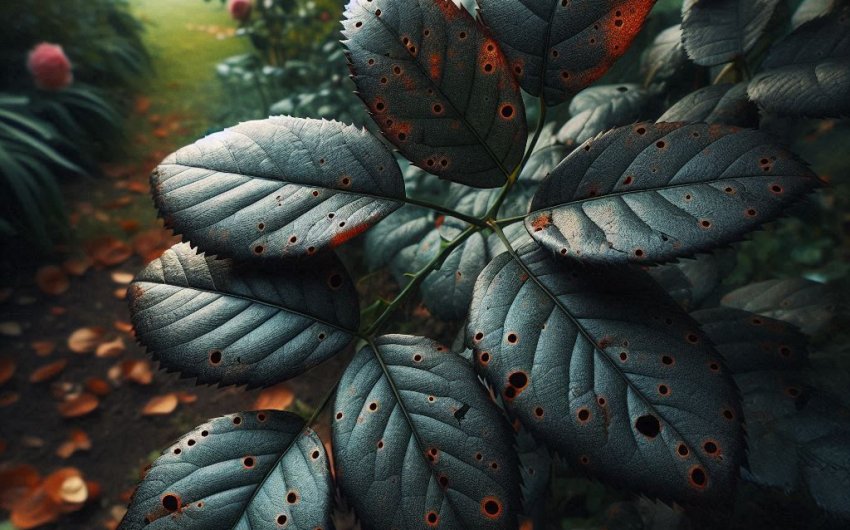
Observing unsightly black spots on rose leaves can be disheartening for any gardener, quickly diminishing the beauty of these beloved blooms. This common issue often signals a fungal infection, specifically black spot disease, which can weaken the plant and reduce its vigor. Understanding precisely what causes black spots on rose leaves is the crucial first step toward effective management and prevention, ensuring your roses remain healthy and vibrant throughout the growing season.
Why Do Black Spots Appear on Rose Leaves?
The appearance of black spots on rose leaves is a tell-tale sign that something is amiss with your prized plants. While various factors can affect rose health, this particular symptom is overwhelmingly indicative of a specific problem. Knowing precisely what causes black spots on rose leaves empowers gardeners to take targeted action.
What is Black Spot Disease?
The most prevalent cause of black spots on rose leaves is a fungal disease known as black spot disease (Diplocarpon rosae). This is a highly common and widespread issue, particularly in humid environments. The fungus primarily affects the leaves, though it can sometimes spread to stems. It can quickly spread through a rose bush and to nearby roses, leading to significant defoliation and weakening of the plant if left untreated.
How Does Black Spot Disease Develop and Spread?
Black spot disease thrives in specific environmental conditions.
- Presence of Fungus Spores: The disease starts with the presence of fungal spores. These spores often overwinter on infected leaves or stems left on the ground around the rose bush. They can also be carried by wind or splashing water from other infected plants.
- Moisture: Black spot disease requires wet leaf surfaces to germinate and infect the plant. A leaf needs to stay wet for at least 6-7 hours for the spores to take hold. This is why periods of rain, dew, or overhead watering are prime times for the disease to spread.
- Temperature: The fungus prefers temperatures between 65°F and 75°F (18°C and 24°C), which are common during spring and early summer.
- Infection: Once a spore lands on a wet leaf, it germinates and infects the leaf tissue. Within 5-10 days (depending on conditions), the characteristic black spots begin to appear.
- Spore Production: The black spots themselves are where new spores are produced. These spores are then dispersed by splashing water (rain, irrigation), wind, or even contaminated tools and hands, starting new infections on healthy leaves or neighboring plants.
- Defoliation: Infected leaves often turn yellow around the black spots and eventually drop off prematurely. This defoliation weakens the rose bush, reducing its ability to photosynthesize and making it more susceptible to other stresses, ultimately affecting flower production and overall plant vigor.
Understanding this cycle of infection is fundamental to preventing and managing black spots on rose leaves.
What Are the Symptoms of Black Spot Disease?
Recognizing the distinct symptoms of black spot disease early is vital for preventing its spread and minimizing damage to your rose bushes. The signs are usually quite clear, making identification straightforward once you know what to look for.
Identifying Black Spots on Leaves
The most obvious symptom is, naturally, the black spots on rose leaves.
- Appearance: These spots are typically circular, ranging from small dots to half an inch or more in diameter. They are distinctively black, often with a fringed or feathery margin.
- Halo: A characteristic feature is a bright yellow halo or ring that forms around each black spot. This yellowing indicates the plant tissue around the infection is dying.
- Location: The spots usually appear on the upper surface of the leaves first, but can also be found on the undersides.
- Progression: As the disease progresses, multiple spots may merge, covering a larger portion of the leaf.
Other Signs of Infection
Beyond the spots themselves, black spot disease causes other visible signs of a struggling rose.
- Yellowing Leaves: Infected leaves, particularly those with a yellow halo around the spots, will eventually turn entirely yellow. This widespread yellowing is a precursor to leaf drop.
- Premature Leaf Drop (Defoliation): This is a critical symptom and a major concern. Infected leaves will fall off the plant prematurely, even if only a small portion of the leaf is affected. Severe black spot disease can lead to significant defoliation, leaving stems bare except for new growth at the tips. This weakens the rose bush as it loses its ability to photosynthesize effectively.
- Purple/Red Lesions on Stems: In some cases, the fungus can also infect young, tender stems, causing raised, purplish-red spots or lesions. These stem lesions can serve as a source of fungal spores that overwinter and reinfect the plant the following spring.
- Reduced Vigor and Flowering: A rose bush severely defoliated by black spot disease will be weakened. It will produce fewer, smaller, or deformed flowers, and its overall growth will be stunted. Repeated severe infections over multiple seasons can severely diminish the rose's health and even lead to its decline.
Early identification of these symptoms is crucial for prompt action against what causes black spots on rose leaves.
How Can Cultural Practices Prevent Black Spot?
Prevention is always the best defense against black spot disease. Implementing sound cultural practices can significantly reduce the likelihood of this fungal infection taking hold and spreading among your roses. These methods focus on reducing moisture on leaves and improving air circulation.
Proper Watering Techniques
As moisture on leaves is essential for spore germination, correct watering is paramount.
- Water at the Base: Always water your roses at the base of the plant, directly at the soil line. Use a soaker hose or a watering can to avoid wetting the foliage.
- Water in the Morning: If overhead watering is unavoidable, do it early in the morning. This gives the leaves ample time to dry completely before nightfall, reducing the critical period of leaf wetness.
- Avoid Overhead Watering at Night: Never water roses overhead in the evening, as leaves will remain wet overnight, creating ideal conditions for fungal growth.
Improving Air Circulation
Good air circulation helps leaves dry quickly, inhibiting fungal development.
- Proper Spacing: When planting new roses, ensure they are spaced adequately according to their mature size. Avoid overcrowding, as this restricts airflow between plants.
- Strategic Pruning: Regularly prune your rose bushes to remove crossing branches, dead wood, and any interior branches that are too dense. This opens up the plant's canopy, allowing air to circulate freely through the foliage. Use clean, sharp pruning shears for this task.
- Weed Control: Keep the area around your roses free of weeds, as weeds can reduce air circulation at the base of the plant and compete for nutrients.
Sanitation Practices
Removing infected material is crucial to breaking the disease cycle.
- Prompt Removal of Infected Leaves: As soon as you notice any black spots on rose leaves, carefully remove and dispose of the affected leaves. Do not compost them, as the fungal spores can survive and reinfect your garden. Bag them and put them in the trash.
- Fall Cleanup: In the fall, meticulously clean up all fallen leaves and debris from around your rose bushes. This removes overwintering spores, significantly reducing the inoculum for the following spring.
- Sterilize Tools: Disinfect your pruning tools with a 10% bleach solution or rubbing alcohol after pruning infected plants and between pruning different bushes. This prevents accidental transfer of spores.
How Can You Choose Disease-Resistant Rose Varieties?
One of the most proactive and effective strategies against black spot disease is selecting disease-resistant rose varieties. Modern rose breeding has made significant strides in developing cultivars that naturally possess a higher degree of immunity or tolerance to common fungal issues, directly addressing what causes black spots on rose leaves.
Understanding Rose Resistance Levels
Not all roses are created equal when it comes to disease resistance.
- Highly Resistant: These varieties show very little or no signs of black spot, even under conditions favorable for the disease. They require minimal, if any, fungicide application.
- Moderately Resistant: These may show some signs of black spot under heavy disease pressure but typically don't suffer severe defoliation. They might benefit from occasional preventative spraying.
- Susceptible: These varieties are highly prone to black spot and will likely develop severe infections without a rigorous spray program. Many older, very fragrant hybrid teas fall into this category.
When purchasing roses, look for tags or descriptions that specifically mention "disease resistance" or "black spot resistance." Many reputable nurseries and rose breeders highlight these traits.
Examples of Black Spot Resistant Rose Categories and Cultivars
Many modern rose breeding programs, such as those from David Austin Roses (many of their English roses), Kordes Roses (various series like their 'Parfuma' or 'Lions' series), and the Knock Out® Rose series, prioritize disease resistance.
- Knock Out® Roses: Famous for their exceptional disease resistance, including high tolerance to black spot, as well as their continuous blooming and low maintenance. Varieties like Original Knock Out® Rose or Pink Double Knock Out® Rose are popular choices.
- Hybrid Teas/Grandifloras/Floribundas (Resistant Cultivars): While many traditional hybrid teas are susceptible, newer breeding has produced highly resistant varieties. Look for specific names like 'Spirit of Freedom' (David Austin), 'Plum Perfect', 'Earth Angel' (Kordes), or 'Easy Does It' (Floribunda).
- Shrub Roses and Landscape Roses: Many of these modern shrub roses are bred for toughness and disease resistance.
- Rugosa Roses: A species rose known for extreme hardiness, excellent disease resistance (including black spot), and drought tolerance. They produce fragrant single or semi-double flowers and large hips. Rosa rugosa 'Alba' is a well-known example.
Investing in disease-resistant rose varieties is a smart long-term strategy that will save you time and effort in fighting black spots on rose leaves down the road, allowing you to enjoy beautiful blooms with less chemical intervention.
When Are Fungicides Necessary to Treat Black Spot?
While cultural practices and choosing resistant varieties are crucial for prevention, sometimes fungicides become a necessary tool to control or eradicate existing black spot disease, especially in established gardens or during prolonged periods of wet, warm weather that favor fungal growth. Knowing when and how to apply them is key.
When to Consider Fungicide Application
- Existing Severe Infection: If your roses are already heavily defoliated or covered in black spots on rose leaves, fungicides can help halt the spread and allow the plant to recover.
- Susceptible Varieties: If you have cherished but susceptible rose varieties that repeatedly get black spot, a preventative fungicide spray program might be necessary.
- Periods of High Disease Pressure: During extended periods of wet, humid weather, especially in spring and early summer when temperatures are ideal for the fungus, even moderately resistant roses might benefit from preventative fungicide application.
- Before New Growth Emerges: A dormant spray can help eliminate overwintering spores before new foliage appears in spring.
Types of Fungicides for Roses
Several types of fungicides are effective against black spot disease, ranging from organic options to synthetic chemicals.
- Organic/Natural Options:
- Neem Oil: A natural botanical extract that has fungicidal properties. It can help prevent spore germination and reduce disease spread. Apply according to package directions, typically every 7-14 days. Organic Neem Oil for Plants is widely available.
- Baking Soda Spray: A homemade solution (1 tablespoon baking soda, 1 tablespoon horticultural oil or dish soap per gallon of water) can be used as a preventative spray, but its effectiveness is debated and it needs frequent reapplication.
- Copper-Based Fungicides: Effective against many fungal diseases, including black spot. Follow label instructions carefully, as copper can sometimes be toxic to plants if overused.
- Sulfur-Based Fungicides: Another organic option that creates a protective barrier on leaves.
- Synthetic Fungicides: These are generally more potent and long-lasting than organic options.
- Systemic Fungicides: Absorbed by the plant and move through its system, providing protection from within. They are often applied less frequently. Examples include products with active ingredients like myclobutanil or propiconazole.
- Contact/Protectant Fungicides: Form a protective barrier on the leaf surface and must be reapplied frequently, especially after rain, as they wash off. Examples include chlorothalonil.
Best Practices for Applying Fungicides
- Read the Label: Always, always read and follow the manufacturer's instructions for mixing, application rates, frequency, and safety precautions. Different products have different guidelines.
- Safety First: Wear appropriate personal protective equipment (PPE) such as gloves, eye protection, and long sleeves when mixing and applying any fungicide.
- Thorough Coverage: Ensure complete coverage of all leaf surfaces, especially the undersides, and stems. A garden sprayer helps achieve this.
- Timing: Apply preventatively before symptoms appear, or at the very first sign of infection. Once spots are widespread, it's harder to control. Reapply after rain or according to label instructions.
- Rotation: To prevent the fungus from developing resistance, rotate between different types of fungicides (those with different active ingredients or modes of action) throughout the season.
While fungicides can be a valuable tool in managing black spots on rose leaves, they are most effective when used in conjunction with strong cultural practices and, ideally, disease-resistant rose varieties.
What Other Factors Can Mimic Black Spots or Weaken Roses?
While black spot disease is the primary culprit behind black spots on rose leaves, other environmental stresses, nutrient deficiencies, or less common issues can sometimes cause symptoms that might be confused with it, or simply weaken the rose, making it more susceptible to problems.
Environmental Stress
- Nutrient Deficiencies:
- Potassium Deficiency: Can cause yellowing along the edges of older leaves, sometimes accompanied by browning or scorching, which might be confused with severe black spot. A soil test can confirm this.
- Manganese or Iron Deficiency: Can cause interveinal chlorosis (yellowing between green veins), typically on newer leaves. While not black spots, severely deficient leaves can eventually die back and turn dark.
- Water Stress (Under or Overwatering): Both too little and too much water can stress a rose, leading to yellowing, wilting, and leaf drop. Weakened plants are more susceptible to opportunistic fungal infections, even if the primary cause isn't black spot.
- Sunscald: Intense, direct afternoon sun can sometimes scorch leaves, leading to browned or blackened areas, though these are typically more irregular than black spot lesions and don't have the distinct yellow halo.
Other Fungal Diseases (Less Common than Black Spot)
While black spot is king, other fungal issues exist.
- Downy Mildew: Appears as purplish-red spots on the upper leaf surface, with fuzzy grayish mold on the undersides, often accompanied by rapid defoliation. It thrives in cooler, very wet conditions. The spots are typically more angular and purplish than black spot.
- Anthracnose: Can cause circular spots that are reddish-brown to black, sometimes with a purplish border. These spots often develop small, raised centers. While similar to black spot, the typical yellow halo is usually absent, and the disease tends to cause more tearing of leaf tissue.
Insect Damage (Rarely Confused)
While insect damage usually doesn't create "black spots," severe infestations can stress a plant, making it look unhealthy.
- Spider Mites: Cause tiny yellow or white stippling on leaves, and in severe cases, the entire leaf can look dusty or discolored, sometimes with webbing. This isn't usually confused with discrete black spots.
- Aphids: Cause distorted new growth and can cover leaves with sticky honeydew, leading to sooty mold (black sooty fungal growth on the honeydew), which is superficial and wipes off, unlike black spot lesions embedded in the leaf.
Regular inspection of your roses is crucial. Familiarize yourself with the distinct symptoms of black spot disease (the black circular spots with yellow halos) to accurately diagnose the problem. Addressing the specific issue, whether it's disease, pest, or environmental stress, is key to maintaining healthy and beautiful roses.
Understanding what causes black spots on rose leaves is the cornerstone of effective rose care. By combining proper cultural practices, selecting disease-resistant varieties, and, when necessary, applying appropriate fungicides, you can minimize the impact of black spot disease and ensure your rose bushes remain a vibrant and cherished part of your garden.