
How to Treat Powdery Mildew on Plants Naturally?
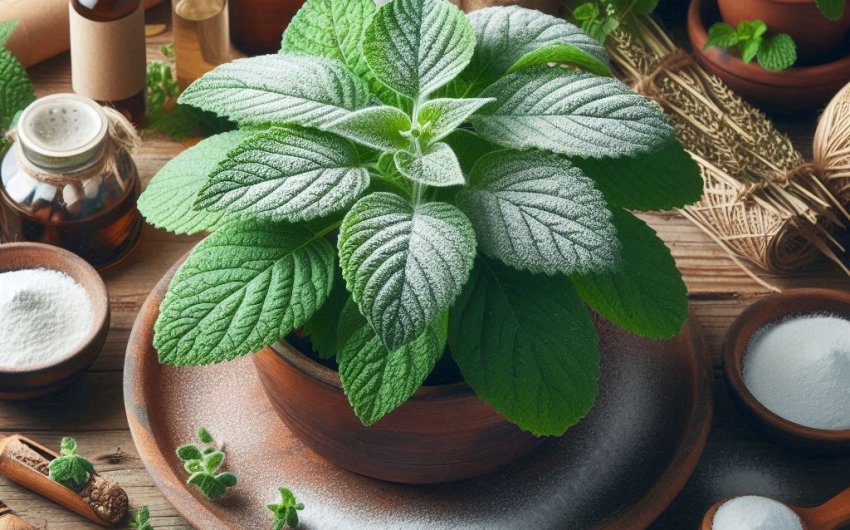
Learning how to treat powdery mildew on plants naturally is a common and essential skill for any gardener, as this pervasive fungal disease can quickly diminish the beauty and vigor of a wide range of plants. Characterized by a distinctive white, powdery coating on leaves and stems, powdery mildew thrives in specific environmental conditions. Fortunately, several effective and eco-friendly approaches can help you combat this unwelcome visitor without resorting to harsh chemicals, safeguarding your garden's health naturally.
What is Powdery Mildew and How Does It Affect Plants?
Before diving into treatment, understanding what is powdery mildew and how it affects plants is crucial. This common fungal disease is easily recognizable and impacts a wide variety of garden and house plants.
What is Powdery Mildew?
- Fungal Disease: Powdery mildew is caused by several different species of fungi (most commonly from the Erysiphaceae family). Despite being different species, they all produce similar visible symptoms.
- Appearance: Its most distinctive characteristic is the white or grayish, powdery patches that appear on the surface of leaves, stems, flowers, and sometimes even fruit. It looks like someone dusted the plant with flour or talcum powder.
- Host Specificity: While many plants can get powdery mildew, different fungal species typically infect specific plant groups. For example, the powdery mildew that affects your squash won't jump to your roses.
- Spread: The fungal spores are primarily spread by wind, insects, or even splashing water.
How Does It Affect Plants?
While rarely fatal to mature plants, powdery mildew can significantly weaken and disfigure them.
- Impaired Photosynthesis:
- Blocked Sunlight: The powdery coating on the leaves blocks sunlight from reaching the plant's cells.
- Reduced Energy Production: This directly interferes with photosynthesis (the process by which plants convert light into energy), leading to a reduction in the plant's ability to make food.
- Stunted Growth and Reduced Vigor:
- As photosynthesis is hampered, the plant becomes stressed. This can result in:
- Stunted growth.
- Distorted or curled leaves.
- Premature leaf drop.
- Overall lack of vigor.
- As photosynthesis is hampered, the plant becomes stressed. This can result in:
- Flower and Fruit Damage:
- Reduced Bloom/Yield: Flowers may become distorted, fail to open, or produce fewer and smaller fruits.
- Flavor Impact: In some cases, the flavor of fruits (like squash or grapes) can be affected.
- Disfigurement and Aesthetic Loss:
- The white powdery coating is unsightly and reduces the ornamental value of affected plants.
- Weakened Resistance:
- A plant struggling with powdery mildew is often weakened, making it more susceptible to other pests and diseases.
Conditions That Favor Powdery Mildew
Understanding these conditions helps in both prevention and treatment:
- Humidity (Key Factor): Powdery mildew thrives in high humidity (above 60%) but unlike many other fungi, it does not need standing water on leaf surfaces to germinate. In fact, prolonged wet leaf surfaces can sometimes inhibit it, while humid air around dry leaves promotes it. This is why it's often common during warm, humid nights followed by warm, dry days.
- Lack of Air Circulation: Dense plantings, overcrowding, or sheltered spots where air is still create perfect breeding grounds.
- Moderate Temperatures: It prefers temperatures between 60-80°F (15-27°C). It usually slows down in very hot or very cold weather.
- Shade: While direct sunlight can sometimes inhibit it, shaded areas with poor air circulation are highly susceptible.
- Nutrient Imbalance: Over-fertilization with nitrogen can lead to lush, tender growth that is more vulnerable.
By recognizing these factors and symptoms, you're better equipped to naturally address powdery mildew on plants.
What Natural Sprays Are Effective Against Powdery Mildew?
When learning how to treat powdery mildew on plants naturally, several homemade and readily available sprays can be highly effective. These options often work by changing the leaf surface pH, interfering with fungal spore germination, or acting as a physical barrier.
1. Baking Soda Spray
- How it Works: Baking soda (sodium bicarbonate) is thought to raise the pH on the leaf surface, creating an environment that is unfavorable for powdery mildew fungi to grow and reproduce.
- Recipe:
- 1 tablespoon baking soda
- 1 teaspoon horticultural oil or dish soap (as an emulsifier/sticker – helps the spray stick to the leaves)
- 1 gallon of water
- Application:
- Mix ingredients thoroughly until baking soda is dissolved.
- Pour into a garden sprayer.
- Spray all affected parts of the plant, ensuring complete coverage, including the undersides of leaves.
- Apply every 5-7 days or after rain, until the infection is under control.
- Caution: Too much baking soda can harm plants (phytotoxicity). Always test on a small area of the plant first and wait 24 hours to check for adverse reactions (yellowing, browning) before spraying the entire plant. Use fresh batches; do not store leftover solution.
2. Milk Spray
- How it Works: The exact mechanism is debated, but it's believed that proteins in the milk, when exposed to sunlight, produce mild antiseptic compounds that inhibit fungal growth. It also may have fungicidal properties directly or boost the plant's own defenses.
- Recipe:
- 1 part milk (skim or low-fat is often recommended, but whole milk also works)
- 9 parts water
- Application:
- Mix thoroughly.
- Spray generously on affected plants, ensuring good coverage.
- Apply weekly or after rain.
- Caution: Use fresh solutions to avoid milk souring and smelling bad. Excessive application in low light can sometimes lead to an unpleasant odor or even a different type of mold growth, so ensure good air circulation.
3. Neem Oil Spray
- How it Works: Neem oil is a broad-spectrum organic pesticide and fungicide. It disrupts the fungal life cycle, acting as an anti-feedant, growth regulator, and suffocant for spores.
- Recipe:
- 1-2 tablespoons neem oil (pure, cold-pressed)
- 1 teaspoon mild liquid dish soap (as an emulsifier)
- 1 gallon of warm water
- Application:
- Mix soap and neem oil first, then slowly add warm water. Stir well.
- Spray thoroughly, covering all leaf surfaces (top and bottom).
- Apply every 7-14 days as a preventative or once every 5-7 days for active infection, until under control.
- Caution: Always use pure, cold-pressed neem oil for plants. Do not use horticultural oil unless specified. Never spray in direct hot sun, as it can burn leaves. Best applied in the evening or on a cloudy day. Test on a small area first.
4. Horticultural Oil Spray
- How it Works: Horticultural oils (like mineral oil or paraffinic oil) work by suffocating powdery mildew spores and existing fungal growth, creating a physical barrier.
- Recipe: Use a commercially prepared horticultural oil concentrate and follow dilution instructions meticulously.
- Application: Mix with water and spray thoroughly, ensuring complete coverage.
- Caution: Always follow label instructions. Do not apply when temperatures are above 90°F (32°C) or below freezing, or if plants are stressed by drought. Can sometimes cause phytotoxicity if not used correctly.
5. Garlic Spray
- How it Works: Garlic contains sulfur compounds that have natural antifungal properties.
- Recipe (example):
- 2-3 cloves of garlic, minced
- 1 quart of water
- A few drops of liquid dish soap
- Let minced garlic sit in water overnight. Strain out garlic solids. Add soap.
- Application: Spray on affected leaves.
- Caution: Can have a strong odor. Test first.
Important Notes for All Natural Sprays
- Test First: Always spray a small, inconspicuous part of the plant and wait 24-48 hours to ensure there are no adverse reactions before treating the entire plant.
- Coverage is Key: These sprays work by direct contact. You must thoroughly coat all affected plant surfaces (top and bottom of leaves, stems) for them to be effective.
- Repeat Applications: Natural treatments often require repeat applications more frequently than synthetic fungicides. Consistency is crucial.
- Use Fresh Solution: Most homemade sprays are best used immediately after mixing; do not store leftovers for long periods.
- Apply in Optimal Conditions: Avoid spraying in direct hot sun to prevent leaf burn. Early morning or evening is generally best. Avoid spraying if rain is imminent, as it will wash away the treatment.
By regularly applying these natural solutions, you are taking a significant step in how to treat powdery mildew on plants naturally, helping your garden thrive without harsh chemicals.
How Can Cultural Practices Help Prevent and Manage Powdery Mildew?
Beyond sprays, adapting cultural practices is a highly effective, long-term strategy for both preventing and managing powdery mildew on plants naturally. These practices focus on creating an environment where the fungus is less likely to thrive.
1. Improve Air Circulation
- Why it Helps: Powdery mildew thrives in still, humid conditions. Good air circulation helps dry leaf surfaces quickly and reduces the humidity around plants.
- Strategies:
- Proper Spacing: When planting, ensure adequate space between plants according to their mature size. Don't overcrowd.
- Pruning:
- Thinning: Regularly prune out dense, interior foliage to open up the plant's canopy.
- Remove Lower Leaves: For ground-hugging plants (like squash), remove lower leaves that are touching the soil or are heavily shaded, as these are often the first to get infected.
- Weeding: Keep garden beds free of weeds, which can contribute to overcrowding and reduced airflow.
2. Optimize Watering Practices
- Water the Soil, Not the Leaves: While powdery mildew doesn't need wet leaves to germinate, watering foliage can exacerbate other fungal issues and contribute to humidity. Always aim your water directly at the base of the plant, soaking the soil.
- Morning Watering: Water in the morning. This allows any incidental splashing on leaves to dry off quickly in the sun.
- Avoid Overhead Watering: If using sprinklers, run them in the morning. Drip irrigation or soaker hoses are ideal as they deliver water directly to the root zone without wetting foliage. Consider a drip irrigation system for garden.
3. Choose Resistant Varieties
- Read Labels: When purchasing seeds or plants, look for varieties labeled as "PM resistant" (powdery mildew resistant). Many plant breeders have developed cultivars with natural resistance.
- Research: Consult local nurseries or extension offices for varieties that perform well in your area and are less prone to powdery mildew.
4. Proper Site Selection and Sunlight
- Adequate Sunlight: While some shade-loving plants can get powdery mildew in humid, still, shaded spots, ensuring your plants receive appropriate light levels (ideally full sun for sun-loving plants) keeps them healthy and more resistant.
- Avoid Frost Pockets: Low-lying areas where cold, damp air settles can be breeding grounds for fungi.
5. Fertilize Responsibly
- Balanced Nutrients: Avoid over-fertilizing with high-nitrogen fertilizers. Excessive nitrogen promotes rapid, lush, soft new growth, which is often more susceptible to fungal infections.
- Compost: Focus on building healthy soil with compost, which provides balanced, slow-release nutrients.
6. Sanitation
- Remove Infected Parts: As soon as you spot powdery mildew, prune off affected leaves, stems, or even entire plants if heavily infected. Dispose of them in the trash, not your compost pile, to prevent spores from spreading.
- Fall Cleanup: At the end of the growing season, thoroughly clean up all plant debris. Many powdery mildew fungi overwinter on fallen leaves and stems.
- Clean Tools: Sterilize your pruning shears or scissors after cutting infected plants (e.g., with rubbing alcohol or a bleach solution) to avoid spreading spores to healthy plants.
7. Crop Rotation (for vegetables)
- Break the Cycle: For vegetables, practice crop rotation. Do not plant susceptible crops (like squash, cucumbers) in the same spot year after year. This helps disrupt the life cycle of soil-borne pathogens and can reduce disease pressure.
By integrating these cultural practices into your routine, you create a robust, naturally resilient garden that can actively fight off powdery mildew, forming a key part of how to treat powdery mildew on plants naturally.
How Do You Monitor and Identify Powdery Mildew Early?
Early detection is paramount when it comes to effectively learning how to treat powdery mildew on plants naturally. The sooner you spot it, the easier it is to manage before it spreads widely and significantly impacts plant health.
1. Regular Plant Inspection
- Frequency: Make it a habit to inspect your plants regularly – ideally once a week, or even more frequently for susceptible plants (e.g., squash, zucchini, roses, phlox) during periods when powdery mildew is common (warm, humid weather with cool nights).
- Targeted Areas:
- New Growth: Often, the first signs appear on tender, new leaves and shoots.
- Undersides of Leaves: Always check the undersides of leaves as well as the top surfaces. Sometimes the mildew starts subtly there.
- Crowded/Shaded Areas: Pay extra attention to parts of the plant that are dense, shaded, or have poor airflow.
2. Recognizing the Early Symptoms
- White, Powdery Spots: The most obvious sign. It starts as small, circular, white, powdery spots on the surface of leaves and stems. It looks like a dusting of flour or talcum powder.
- Small, Raised Spots: Initially, the spots might be tiny and isolated, almost like a white dot. They will quickly grow and merge if left unchecked.
- Fuzzy Appearance: The white spots may appear slightly fuzzy or cottony, especially as the infection progresses.
- Leaf Distortion (Early Stage): Sometimes, before extensive white growth, you might notice slight yellowing, curling, or distortion of young leaves.
- Initial Paleness: The affected areas might look slightly paler than the rest of the leaf before the distinct white powdery growth appears.
3. Distinguishing from Other Issues
It's important not to confuse powdery mildew with other plant problems:
- Dust: Powdery mildew will not wipe off completely like dust, or if it does, it will quickly reappear. Dust typically covers the entire leaf evenly, whereas mildew is in distinct patches.
- Pesticide Residue: Some organic sprays (like neem oil residue) can leave a hazy film on leaves. This will be uniform and feel different from the gritty/powdery texture of mildew.
- Variegation: Some plant varieties have natural white or silvery variegation on their leaves. Know your plant's normal appearance.
- Spider Mites: Spider mites cause tiny yellow stippling and fine webbing, not a white powdery coating.
4. What to Do Upon Early Identification
- Immediate Pruning: As soon as you spot early signs of powdery mildew, promptly prune off any affected leaves or stems using clean, sharp pruning shears. Cut back to healthy tissue.
- Dispose Properly: Put the infected plant material directly into the trash or burn it. Do NOT add it to your compost pile, as the spores can survive and re-infect your garden.
- Sterilize Tools: Clean and sterilize your pruning tools with rubbing alcohol or a bleach solution (1 part bleach to 9 parts water) after pruning infected plants to prevent spreading spores.
- Increase Airflow: After pruning, ensure there's good air circulation around the remaining plant. This might involve further thinning if the plant is very dense.
- Begin Natural Spray Treatment: Start applying your chosen natural spray (e.g., baking soda, milk, or neem oil solution) promptly and consistently, as described in the previous section.
By being observant and swift in your response, you give your plants the best chance to recover fully from powdery mildew, making early identification a cornerstone of how to treat powdery mildew on plants naturally.