
Why Are My Tomatoes Cracking on the Vine?
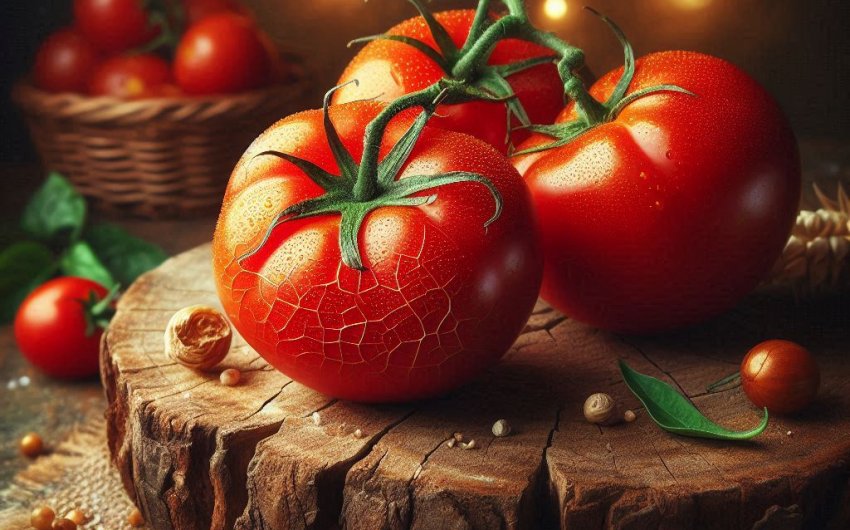
Discovering ripe, juicy tomatoes split open can be disheartening for any gardener, prompting the common query, "Why are my tomatoes cracking on the vine?" This frustrating phenomenon, known as tomato cracking or splitting, is a physiological disorder primarily caused by fluctuations in moisture and temperature, leading to rapid changes in fruit expansion. Understanding the underlying environmental triggers and implementing consistent care practices can significantly reduce the occurrence of these unsightly splits, ensuring a more abundant harvest of perfect, unblemished fruit.
What causes tomatoes to crack or split?
Tomato cracking or splitting is a physiological disorder, meaning it's caused by environmental factors rather than pests or diseases. It occurs when the interior of the tomato fruit expands faster than the outer skin can grow and stretch, leading to the skin tearing open. This rapid expansion is almost always triggered by sudden, drastic changes in the plant's water supply or the surrounding temperature.
Imagine a balloon being inflated. If you inflate it slowly and steadily, the rubber stretches evenly. But if you suddenly pump a lot of air into it very quickly, the rubber can tear. Tomato skin behaves similarly; it has a certain elasticity, but there's a limit to how fast it can stretch without breaking. When the plant suddenly takes up a large amount of water after a dry spell, or experiences a quick temperature change, the fruit's cells rapidly swell, overwhelming the skin's capacity to expand, and thus, it cracks.
What are the types of cracking?
Tomato cracking typically manifests in two main forms, each with slightly different causes and appearances.
- Concentric Cracking: This type of cracking appears as circular or semi-circular cracks that form in rings around the stem end (the top) of the tomato fruit.
- Cause: Concentric cracking is primarily caused by rapid changes in light intensity and temperature. For example, a sudden switch from cloudy, cool weather to bright, hot sunshine, or when a mature, red tomato is exposed to intense direct sunlight after being shaded. The rapid change in temperature of the fruit's surface (heating and cooling) causes the skin to lose elasticity and crack.
- Appearance: The cracks are typically shallow and follow the curve of the fruit, resembling concentric rings.
- Radial Cracking: This is the more common and often more severe type of cracking. It appears as cracks that radiate outwards from the stem end of the tomato, like spokes on a wheel.
- Cause: Radial cracking is overwhelmingly caused by sudden fluctuations in soil moisture. This usually happens after a prolonged dry spell, followed by heavy rainfall or excessive watering. During the dry period, the fruit's skin hardens and loses elasticity. When the plant then rapidly takes up a large amount of water, the fruit's interior swells quickly, bursting the less elastic skin from the center outwards.
- Appearance: These cracks are typically deeper and longer than concentric cracks, often extending down the sides of the fruit. They can be more prone to secondary infections because they are deeper and expose more flesh.
Both types of cracking make the fruit unmarketable or unsuitable for storage, as the exposed flesh becomes an entry point for bacteria, fungi, and insect pests, leading to rapid rot. Understanding these distinct types helps in implementing targeted prevention strategies.
How does inconsistent watering lead to cracked tomatoes?
Inconsistent watering is the number one culprit behind tomatoes cracking on the vine, particularly causing the more common and problematic radial cracking. The dramatic fluctuations in soil moisture directly impact how quickly the tomato fruit expands, overwhelming the elasticity of its skin. This issue is entirely within a gardener's control, making consistent watering the most impactful preventative measure.
Imagine a tomato ripening on the vine. During its growth, the skin is continuously expanding along with the inner fruit. If the plant experiences a period of drought, the fruit's skin will toughen and become less elastic as it struggles to take up water. Then, when a heavy rain or an excessive watering session suddenly occurs, the roots rapidly absorb a large flush of water. This water rushes into the fruit, causing the internal cells to swell much faster than the already toughened skin can stretch, leading to a burst or crack. This rapid inflation after a period of restricted growth is the precise mechanism of moisture-induced cracking.
What is the ideal watering strategy for tomatoes?
To prevent cracking, the ideal watering strategy for tomatoes is consistent, deep, and regular watering. The goal is to provide a steady supply of moisture to the roots, preventing any sharp swings from dry to wet.
- Deep Watering: Water deeply enough to encourage the roots to grow downwards, seeking moisture, rather than staying shallow. This makes the plant more resilient to short periods of surface dryness. Aim to wet the soil to a depth of at least 6-8 inches with each watering.
- Consistent Schedule: Establish a regular watering schedule and stick to it, even if the weather seems to vary. Adjust frequency, not just volume. For most tomatoes, this means watering once every 2-3 days during hot, dry periods, or less frequently during cooler, cloudy, or rainy weather.
- Monitor Soil Moisture: Don't just water on a calendar schedule. Feel the soil. Stick your finger 2-3 inches deep into the soil near the plant's base. If it feels dry, it's time to water. A soil moisture meter can also be a helpful tool.
- Avoid Extreme Drying: Never allow the soil around your tomato plants to become completely parched before watering. This is the surest way to trigger radial cracking.
- Water at the Base: Always water at the base of the plant, directly on the soil, using a soaker hose, drip irrigation, or a watering can. Avoid overhead watering, which can splash soil onto leaves (spreading disease) and doesn't get water efficiently to the roots. Wetting the fruit directly can also promote concentric cracking and fruit rot.
How do rain and watering after dry spells affect cracking?
The most common scenario for cracking is a dry period followed by a sudden deluge of water, whether from rain or a gardener's hose.
- Post-Drought Rain: After a prolonged period without rain, the ground can become hard and dry, and the tomato skin loses elasticity. When a heavy rainstorm suddenly hits, the plants rapidly absorb a large amount of water, causing the fruit to swell quickly and burst. This is a very common scenario for radial cracking.
- Overwatering After Drying Out: Gardeners sometimes exacerbate this. If you forget to water for several days during a dry spell, and then compensate by giving the plant a huge soaking, you're essentially mimicking the effect of a heavy rainstorm after a drought. This sudden flush of water creates the same internal pressure that leads to cracking.
To mitigate the effects of natural rainfall, maintaining a consistent moisture level in the soil is still the best defense. A healthy, consistently watered root system is better able to manage sudden influxes of water than one that has been stressed by drought. The addition of mulch can also help buffer these changes by retaining soil moisture more evenly. Consistent watering is truly the cornerstone of preventing cracked tomatoes.
How do fluctuating temperatures and humidity cause cracking?
While inconsistent watering is the primary cause of radial cracking, fluctuating temperatures and humidity play a significant role in causing concentric cracking and can exacerbate overall stress on the tomato plant, making all types of cracking more likely. The rapid changes in the plant's immediate environment affect the skin's elasticity and the fruit's expansion rate.
Tomato plants and their fruit prefer stable, moderate conditions. Extreme or sudden shifts in heat, coolness, or moisture in the air can put stress on the fruit's delicate skin, limiting its ability to stretch smoothly as the fruit ripens and grows. This leads to tears, particularly around the stem end.
How do sudden temperature changes affect fruit?
- Hot Days, Cool Nights: A classic scenario for concentric cracking. When a tomato fruit rapidly heats up during a sunny day and then cools down significantly overnight, the skin expands and contracts. Repeated cycles of this stress can cause the skin to lose its elasticity and develop circular cracks around the stem end. This is especially true for fruit that is ripening and exposed directly to the sun.
- Rapid Heating/Cooling: A sudden transition from cool, cloudy weather to intensely hot and sunny conditions can also induce cracking. The fruit quickly heats up, and its internal cells expand faster than the outer skin can adapt.
- Extreme Heat: Prolonged periods of intense heat can stress the plant, causing it to reduce water uptake (to prevent wilting) or even temporarily stop growing. If this heat is followed by a sudden cool spell or heavy watering, it sets the stage for cracking.
To mitigate temperature stress, consider providing some afternoon shade during extreme heatwaves, especially for exposed fruit. Shade cloth can be temporarily draped over plants during the hottest part of the day if cracking is a persistent issue due to heat. Good air circulation also helps prevent rapid temperature swings around the fruit.
What is the impact of humidity on cracking?
Humidity refers to the amount of moisture in the air. Both very low and very high humidity can contribute to cracking indirectly.
- Low Humidity/Dry Air: When the air is very dry, especially during hot, windy conditions, the tomato plant will lose moisture rapidly through its leaves (transpiration). This can lead to the fruit's skin drying out and becoming less elastic. If this dry period is followed by a sudden increase in moisture (from rain or watering), it exacerbates the rapid swelling, making cracking more likely.
- High Humidity (indirectly): While less direct, very high humidity combined with high temperatures can also create conditions that stress the plant. It can reduce the plant's ability to transpire effectively, potentially affecting water uptake and distribution, though this is a less common direct cause of cracking than soil moisture fluctuations. High humidity also promotes fungal diseases, which can enter through cracks.
How does sunlight exposure relate to cracking?
Direct, intense sunlight on ripening fruit, especially in conjunction with temperature fluctuations, can contribute to concentric cracking.
- Sunscald and Skin Toughening: Tomatoes that are exposed to direct, unfiltered, intense sunlight for prolonged periods, especially without adequate leaf cover, can experience sunscald. The skin in these areas becomes tough and less elastic. When the internal fruit expands rapidly (due to watering or temperature swings), these toughened areas are prone to breaking.
- Leaf Cover: Healthy tomato plants typically grow a good amount of foliage that naturally shades the developing and ripening fruit. This natural leaf canopy helps moderate fruit temperature and protects the skin from becoming overly tough due to sun exposure.
- Pruning Caution: Be careful not to remove too many leaves when pruning tomato plants (tomato pruning shears). While pruning can improve air circulation and direct energy to fruit, excessive removal of foliage can expose fruit to sunscald and rapid temperature changes, increasing the risk of concentric cracking.
By understanding the interplay of temperature, humidity, and sun exposure, and taking steps to provide a more stable environment for your tomatoes, you can reduce the incidence of cracking and ensure a higher yield of perfectly formed fruit.
Can nutrient imbalances or genetics cause tomatoes to crack?
While inconsistent watering and fluctuating temperatures are the primary drivers of tomato cracking, other factors such as nutrient imbalances and the genetics of the tomato variety can play a contributing role. These factors don't directly cause cracks but can either weaken the fruit's skin (making it more susceptible) or make the plant more prone to water uptake fluctuations, indirectly increasing the risk of splitting.
Understanding these secondary causes can help you refine your growing practices and make more informed choices about the tomato varieties you cultivate, further reducing the incidence of cracking.
What role do nutrients play?
While not a direct cause, imbalances in certain nutrients can weaken the tomato fruit's skin, making it less elastic and more prone to splitting when environmental conditions fluctuate.
- Calcium: A deficiency in calcium is most famously associated with blossom end rot (a brown, sunken spot on the bottom of the fruit), but it can also indirectly affect fruit integrity. Calcium is essential for strong cell wall development in plants. If calcium uptake is insufficient during fruit development, the skin cells may be weaker and less able to stretch effectively, thus increasing susceptibility to cracking. Calcium uptake is often affected by inconsistent watering, extreme temperatures, or soil pH imbalances, even if calcium is present in the soil. Ensuring consistent moisture helps with calcium availability.
- Potassium: Adequate potassium is vital for overall plant health, including water regulation and fruit quality. A severe potassium deficiency could potentially affect fruit development, making it less resilient, though it's less directly linked to cracking than calcium or water fluctuations.
- Boron: This micronutrient plays a role in cell wall structure and calcium utilization. A deficiency, while rare, could theoretically contribute to weaker fruit skin.
- Over-fertilization (especially Nitrogen): Applying excessive amounts of nitrogen fertilizer can encourage lush, leafy growth at the expense of fruit production and quality. Rapid vegetative growth can lead to larger fruits with thinner, weaker skins that are more prone to splitting when they swell. Always use a balanced tomato-specific fertilizer, or one slightly higher in phosphorus and potassium once flowering begins. Look for tomato plant food.
A soil test (home soil test kit) can help identify any specific nutrient deficiencies or pH imbalances that might be hindering your plant's ability to produce robust fruit. Addressing these through appropriate soil amendments or balanced fertilization can contribute to stronger fruit skins.
How do tomato genetics and varieties affect cracking?
The genetic makeup of a tomato variety significantly influences its susceptibility to cracking. Some varieties inherently have more elastic skin or a growth habit that makes them more resistant to the sudden stresses that cause splitting.
- Cracking-Resistant Varieties: Many modern tomato cultivars have been specifically bred for cracking resistance. These varieties tend to have tougher, more elastic skins that can accommodate rapid internal expansion without bursting. If cracking is a persistent problem in your garden, choosing "crack-resistant" varieties is one of the most effective preventative measures you can take.
- Examples of crack-resistant varieties often include: 'Celebrity', 'Mountain Spring', 'Defiant PHR', 'Jet Star', 'Roma' (paste tomatoes generally less prone).
- Thin-Skinned Varieties: Heirloom tomatoes and some very large-fruited varieties often have thinner, more delicate skins, making them inherently more susceptible to cracking. While their flavor might be superior, they require extremely consistent watering to avoid splitting.
- Examples of often crack-prone varieties include: 'Brandywine', 'Cherokee Purple', many very large beefsteak types.
- Cherry and Grape Tomatoes: While generally less prone to severe radial cracking due to their smaller size, even cherry tomatoes can experience concentric cracking, especially when fully ripe and exposed to direct sun after cloudy periods.
- Determinant vs. Indeterminate: The growth habit can also play a minor role. Determinate varieties ripen most of their fruit at once, which might put more stress on the plant if weather conditions are unfavorable during that concentrated ripening period. Indeterminate varieties ripen fruit over a longer season, potentially spreading out the risk.
When planning your garden, researching the cracking resistance of tomato varieties is a simple yet impactful step. Combining resistant varieties with consistent care practices (especially watering) provides the best defense against your tomatoes cracking on the vine.
What protective measures can reduce tomato cracking?
Implementing proactive protective measures is key to significantly reducing the incidence of tomato cracking and ensuring a higher yield of unblemished fruit. These strategies aim to stabilize the tomato plant's environment, manage moisture, and shield ripening fruit from sudden stress, complementing good watering practices.
From mulching to strategic harvesting, these measures create a more favorable growing environment for your tomatoes, even when Mother Nature throws curveballs.
How does mulching help?
Applying mulch around your tomato plants is one of the most effective and simplest ways to prevent radial cracking. It directly addresses the primary cause: inconsistent soil moisture.
- Moisture Regulation: A 2-4 inch layer of organic mulch (such as straw, shredded leaves, or wood chips) around the base of your tomato plants helps to:
- Retain Soil Moisture: It acts as a barrier, slowing down evaporation from the soil surface, keeping the soil moist for longer.
- Buffer Temperature Swings: It insulates the soil, keeping it cooler in hot weather and warmer in cool weather, which helps stabilize soil temperature and, by extension, water uptake.
- Prevent Rapid Drying/Wetting: Mulch helps to absorb and slowly release water during heavy rains, preventing the rapid flush of water to the roots that causes cracking after dry spells. It also reduces rapid drying.
- Application: Apply mulch when the soil is already moist and warmed up, typically in late spring after the plants are established. Keep the mulch a few inches away from the plant stem to prevent rot.
Can strategic pruning and staking help?
- Strategic Pruning: While over-pruning can expose fruit to sunscald, a balanced approach can help.
- Air Circulation: Remove lower leaves and suckers (non-fruiting shoots that grow in the crotch of branches) to improve air circulation around the base of the plant. This helps regulate temperature and humidity around the fruit and reduces the risk of fungal diseases, which can enter cracks. Use clean pruning snips.
- Leaf Cover: Aim to maintain a good canopy of leaves to provide natural shade for ripening fruit, protecting them from direct sun exposure and reducing concentric cracking. Don't remove too many leaves, especially those shading the fruit.
- Staking, Caging, or Trellising: Providing good support for your tomato plants keeps them upright, promotes better air circulation, and keeps fruit off the ground.
- Reduces Stress: Supports prevent the plant from flopping over, which can stress stems and potentially affect water delivery to fruit.
- Air Circulation: Elevating the plant and fruit allows for better airflow, helping to moderate fruit temperature and dry surfaces, reducing both types of cracking and disease.
- Accessibility: It also makes harvesting easier and keeps fruit clean. Use sturdy tomato cages, staking kits, or garden trellises.
What about shade cloth and timely harvesting?
- Shade Cloth: In regions with extremely hot and sunny summers, a temporary shade cloth can be a game-changer. Draping a 30-50% shade cloth over your tomato plants during the hottest part of the day (e.g., 1 PM to 5 PM) can significantly reduce fruit surface temperatures and prevent sunscald, which contributes to concentric cracking. This is particularly useful during heatwaves.
- Timely Harvesting: Harvest your tomatoes as soon as they reach their mature color, even if they aren't fully ripe.
- Pick Early: If heavy rain is predicted after a dry spell, and your tomatoes are nearly ripe, pick them early. They will continue to ripen indoors on a countertop. This prevents them from absorbing a sudden flush of water and cracking on the vine.
- Check Daily: During peak season, check your plants daily for ripening fruit and harvest them promptly. This also reduces the burden on the plant, allowing it to put energy into developing new fruit.
By combining consistent watering with these protective measures, you can create a stable environment that dramatically reduces the likelihood of your tomatoes cracking on the vine, ensuring a more bountiful and blemish-free harvest.