
How to Fix Overwatered Potted Plants?
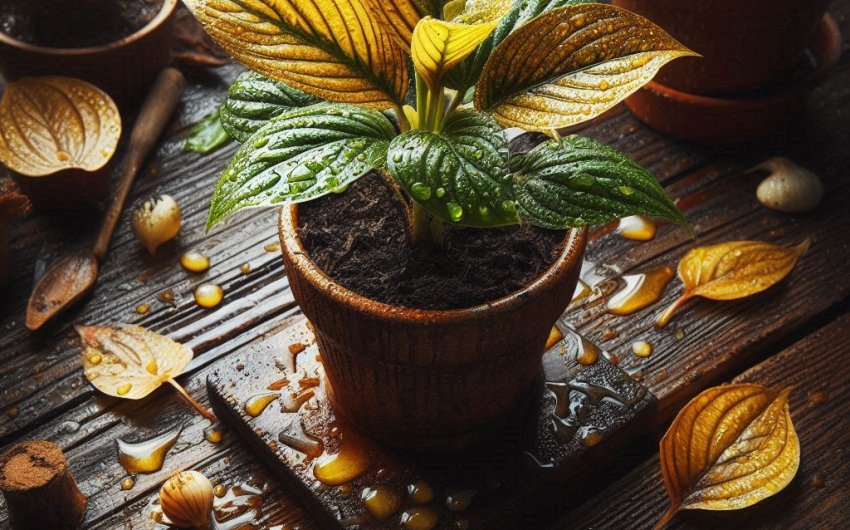
Discovering your beloved potted plants displaying signs of distress can be disheartening, and often, the culprit is inadvertently providing too much hydration. Learning how to fix overwatered potted plants is a fundamental skill for any indoor gardener, enabling you to revive struggling greenery and establish healthier watering habits. Recognizing the symptoms early and taking swift, appropriate action can often reverse the damage and set your plants back on a path to flourishing.
What Does Overwatering Look Like in Potted Plants?
Before you can learn how to fix overwatered potted plants, you must first be able to accurately diagnose the problem. The symptoms of overwatering can sometimes mimic those of underwatering, leading to confusion. However, careful observation of the plant, its leaves, and the soil will reveal the true cause.
Yellowing Leaves
This is one of the most common and often earliest signs of overwatering.
- Appearance: Leaves, particularly older ones at the bottom of the plant, will turn yellow. Unlike underwatering (where leaves might turn brown and crispy), overwatered yellow leaves often remain soft and limp.
- Reason: Overwatering deprives roots of oxygen. When roots can't "breathe," they can't absorb water and nutrients effectively, leading to a breakdown of chlorophyll (the green pigment) in the leaves. The yellowing often progresses to browning if the issue isn't resolved.
Wilting or Drooping Leaves
Paradoxically, overwatered potted plants can wilt even though the soil is wet.
- Appearance: Leaves will look limp, droopy, and lack their usual turgidity (firmness), as if the plant isn't getting enough water.
- Reason: This is a crucial, confusing symptom. The roots, suffocated by water and deprived of oxygen, begin to rot. As roots rot, they can no longer transport water up to the leaves, causing the plant to wilt even in saturated soil.
Soft, Mushy Stems or Base
This is a more severe sign of overwatering and often indicates root rot.
- Appearance: The stem near the soil line, or even the entire stem, will feel soft, mushy, or discolored (dark brown/black). The base of the plant might look shriveled or collapsed.
- Reason: Pathogenic fungi that thrive in anaerobic (oxygen-less), wet conditions attack and break down plant tissue, particularly the roots and lower stem. This rot can quickly spread up the plant.
Brown, Crispy Leaf Tips (Sometimes)
While often a sign of underwatering or low humidity, brown leaf tips can sometimes appear in overwatered potted plants due to root damage.
- Appearance: Tips of leaves turn brown and crispy.
- Reason: Damaged roots (due to overwatering) are unable to supply enough water to the extremities of the leaves, causing those parts to dry out and die.
Odor from the Soil
A distinct, unpleasant smell from the potting mix is a strong indicator of overwatering and anaerobic conditions.
- Appearance: The soil emits a foul, sour, or rotting smell.
- Reason: When soil is waterlogged, oxygen is depleted. This creates an environment where anaerobic bacteria thrive, producing foul-smelling gases as they decompose organic matter (and potentially roots).
Fungus Gnats and Other Pests
The presence of certain pests can signal consistently wet soil.
- Appearance: Tiny, dark, flying insects (fungus gnats) hovering around the plant or walking on the soil surface.
- Reason: Fungus gnats lay their eggs in consistently moist potting mix, and their larvae feed on fungi and decaying organic matter found in overly wet soil.
If you observe a combination of these symptoms, particularly yellowing, wilting, and a soggy or smelly potting mix, it's highly likely your potted plant is suffering from overwatering, and immediate action is needed to learn how to fix overwatered potted plants.
What is Root Rot and Why is it Dangerous?
Root rot is the most serious consequence of overwatering and the primary reason it's so dangerous for potted plants. Understanding this condition is fundamental to learning how to fix overwatered potted plants effectively, as reversing its effects is often a race against time.
What Exactly is Root Rot?
Root rot is a pathological condition where a plant's roots begin to decay due to a lack of oxygen and the proliferation of pathogenic fungi or bacteria in overly wet soil.
- Lack of Oxygen (Suffocation): Plant roots, just like us, need oxygen to "breathe" and carry out cellular respiration, which is essential for absorbing water and nutrients. When soil becomes waterlogged, all the air pockets are filled with water, effectively drowning the roots by depriving them of oxygen.
- Pathogen Proliferation: Anaerobic (oxygen-depleted) conditions favor the growth of harmful soil-borne fungi and bacteria (e.g., Pythium, Phytophthora). These pathogens attack the weakened, oxygen-starved roots, causing them to break down and rot.
How Root Rot Spreads and Damages the Plant
Root rot doesn't just damage the roots; its effects spread throughout the entire plant, leading to its eventual decline.
- Impaired Water and Nutrient Uptake: As roots rot, they lose their ability to absorb water and nutrients from the soil. Even if the soil is saturated, the plant's leaves wilt because water cannot be transported effectively. This is why wilting is a classic symptom of overwatering.
- Nutrient Deficiencies: Without healthy roots, the plant cannot access essential nutrients, leading to yellowing leaves (chlorosis) and stunted growth.
- Spread to Stem and Leaves: The rot can progress from the roots upwards into the stem of the plant. Once stem rot sets in (mushy, dark stem near the soil line), it's often very difficult to save the plant.
- Plant Death: If left unchecked, root rot will eventually destroy enough of the root system and stem to kill the entire plant.
Identifying Root Rot
When diagnosing an overwatered potted plant, checking the roots is often the most definitive way to confirm root rot.
- Healthy Roots: Typically firm, plump, and light-colored (white or tan, or bright green if they are healthy orchid roots). They should have an earthy smell.
- Rotting Roots: Appear soft, mushy, slimy, and often discolored (dark brown or black). They may pull away easily from the central core of the root. They often have a foul, sulfuric, or rotten smell.
The danger of root rot lies in its insidious nature. By the time visible symptoms appear above ground (yellowing, wilting), significant damage may already have occurred below the soil line. Therefore, quick intervention and proper remediation are essential steps in how to fix overwatered potted plants when root rot is suspected.
How to Fix Overwatered Potted Plants: Emergency Steps
If you suspect your potted plant is overwatered, immediate action is crucial to minimize damage and improve its chances of recovery. These emergency steps focus on addressing the root of the problem: excess moisture and lack of oxygen. Learning how to fix overwatered potted plants starts with swift, decisive intervention.
Step 1: Stop Watering Immediately
This might seem obvious, but it's the absolute first and most critical step.
- Action: Do not give the plant another drop of water. Empty any saucers or decorative cachepots that might be holding standing water.
- Reason: Adding more water will only worsen the anaerobic conditions and accelerate root rot.
Step 2: Improve Drainage and Aeration
The goal is to get excess moisture away from the roots and introduce oxygen back into the soil.
- Move to a Well-Drained Spot: If the plant is sitting on a surface that doesn't allow air circulation around the pot's drainage holes, move it to a wire rack or elevate it on pot feet. This ensures proper airflow beneath the pot and allows water to drain freely.
- Poke Holes (if possible): For very compacted or heavy soil, you can gently poke a few holes in the topsoil with a chopstick or pencil, being careful not to damage roots. This helps introduce some oxygen.
- Prop up Pot: If your pot is sitting directly on the ground or a solid surface, tilting it slightly can sometimes help water drain from the bottom hole.
Step 3: Remove Excess Soil Moisture (If Severely Waterlogged)
If the soil is visibly saturated and squishy, waiting for it to dry naturally might be too slow.
- Carefully Unpot the Plant: Gently remove the plant from its pot. Try to keep the root ball as intact as possible.
- Remove Excess Wet Soil: Gently scrape away any visibly soggy or excessively wet soil from the root ball. Be very gentle to avoid further damaging roots.
- Wrap Root Ball: You can carefully wrap the root ball in a few layers of newspaper or paper towels. These will absorb excess moisture from the soil. Replace with fresh paper as it becomes saturated.
- Air Dry: Leave the plant unpotted (or sitting on fresh paper towels) for a few hours in a bright, airy spot (but out of direct, scorching sun). The goal is to allow the soil and roots to begin drying out.
Step 4: Inspect and Prune Damaged Roots (If Root Rot is Suspected)
If the plant is wilting despite wet soil, or if you notice a foul odor, root rot is likely present and requires direct intervention.
- Gently Remove Soil: After carefully unpotting, gently tease away as much of the old, wet soil from the roots as possible. You might even rinse the roots under a very gentle stream of lukewarm water to get a clearer view.
- Identify Healthy vs. Damaged Roots:
- Healthy roots: Firm, plump, and light-colored (white, tan, or green for orchids).
- Rotting roots: Soft, mushy, slimy, dark brown or black, often emit a foul odor, and will crumble easily when touched.
- Prune Damaged Roots: Using clean, sharp sterilized scissors or pruning shears, carefully cut away all the mushy, rotting roots. Cut back to healthy, firm root tissue.
- Lightly Dust (Optional): If you have a horticultural fungicide or rooting hormone powder, you can lightly dust the pruned root areas. This may help prevent further fungal spread and encourage new root growth.
Step 5: Repot with Fresh, Well-Draining Potting Mix
After pruning, it's crucial to replant in a dry, appropriate medium.
- New Potting Mix: Use fresh, sterile, well-draining potting mix specifically suited for your plant type. For most houseplants, a mix with added perlite or bark will improve drainage.
- Clean Pot: Use a clean pot. If reusing the old pot, sterilize it thoroughly with a bleach solution (1 part bleach to 9 parts water) to kill any lingering pathogens, then rinse well.
- Proper Size: Do not pot up to a larger size. If you removed a significant amount of roots, you might even need to downsize the pot slightly. A smaller pot means less soil to hold excess moisture.
- Repotting: Place a small layer of fresh potting mix in the bottom, gently center the plant, and backfill with more mix, lightly tamping down to remove large air pockets but avoiding heavy compaction.
By taking these decisive emergency steps, you give your overwatered potted plant the best chance to recover from the damage and begin a new, healthier chapter. This hands-on intervention is often what truly saves a plant from the brink when learning how to fix overwatered potted plants.
How Do You Revive and Rehabilitate an Overwatered Plant?
After taking the emergency steps to address overwatering and potential root rot, the process of reviving and rehabilitating your potted plant begins. This phase focuses on providing the right conditions for recovery and encouraging new, healthy growth. Patience and consistent, careful monitoring are key to bringing your plant back to a thriving state.
1. Place in Ideal Conditions
During recovery, the plant needs optimal environmental conditions to minimize stress and support healing.
- Bright, Indirect Light: Move the plant to a location with bright, indirect light. Avoid direct, harsh sunlight, as the compromised root system won't be able to handle increased transpiration (water loss through leaves).
- Stable Temperatures: Maintain consistent, moderate temperatures. Avoid drafts, extreme heat, or cold fluctuations.
- Good Air Circulation: Ensure there's good airflow around the plant to help the soil dry more evenly and reduce the risk of fungal issues.
2. Resist the Urge to Water
This is arguably the most challenging part of rehabilitation for many gardeners.
- Extended Dry Period: Allow the newly potted plant to dry out significantly. Do not water for at least a week, possibly two or more, depending on the plant type, pot size, and ambient conditions.
- Monitor Soil: Use a soil moisture meter or the finger test to check the moisture deep in the pot. Only water when the top few inches (or deeper for larger pots) are completely dry.
- First Watering: When you do water for the first time after repotting, water gently and thoroughly, allowing water to drain from the bottom. Then, resume your normal (now corrected!) watering schedule.
3. Prune Damaged Foliage
While it might seem counterintuitive to remove more plant material, pruning damaged leaves helps the plant redirect energy.
- Remove Yellow/Brown/Mushy Leaves: Use clean, sharp sterilized pruning shears to cut off any leaves that are entirely yellow, brown, mushy, or crispy.
- Why Prune:
- Energy Conservation: These damaged leaves are not photosynthesizing efficiently and are a drain on the plant's limited energy reserves. Removing them allows the plant to focus energy on new root and leaf growth.
- Disease Prevention: Removing decaying foliage also helps prevent the spread of fungal diseases.
- Do Not Over-Prune: Only remove what is clearly dead or dying. Leave as much healthy foliage as possible for photosynthesis.
4. Avoid Fertilizing
Fertilizing a stressed plant with a compromised root system can do more harm than good.
- Delay Fertilization: Do not fertilize an overwatered plant until it shows clear signs of recovery, such as new, healthy growth. This typically means waiting at least 4-6 weeks after repotting, or even longer.
- Reason: Fertilizer salts can burn damaged roots, and the plant isn't capable of efficiently absorbing nutrients when stressed.
5. Be Patient and Observe
Rehabilitation takes time. You might not see immediate improvements, but consistent, gentle care will yield results.
- New Growth is Key: Look for new, healthy leaves emerging from the center of the plant or at stem tips. This is the surest sign of recovery. You might also see new roots if the pot is transparent.
- Gradual Improvement: Symptoms like wilting might resolve over a few days once roots start to recover. Yellowing leaves will not turn green again, but new leaves should be healthy.
- Don't Give Up Too Soon: Unless the stem is completely mushy and soft at the base (indicating irreversible stem rot), there's often hope.
By diligently following these rehabilitation steps, you provide your overwatered potted plant the crucial time and ideal environment it needs to recover and grow new, healthy roots and foliage. This patient and methodical approach is essential to truly mastering how to fix overwatered potted plants and enjoying their renewed vibrancy.
How Can You Prevent Overwatering in the Future?
Preventing overwatering is far easier than trying to fix it. By establishing smart watering habits and choosing the right setup, you can create a thriving environment for your potted plants and avoid future distress. Mastering these preventative measures is the ultimate goal in learning how to fix overwatered potted plants.
1. Understand Your Plant's Specific Needs
Different plants have different water requirements. There's no one-size-fits-all watering schedule.
- Research Each Plant: Learn about the specific needs of each plant you own.
- Moisture-Loving: Some plants (e.g., ferns, calatheas) prefer consistently moist soil.
- Dry-Loving: Others (e.g., succulents, cacti, snake plants) prefer their soil to dry out completely between waterings.
- Orchids: Require specialized bark/moss mixes and specific watering techniques as they are epiphytic.
- Consider Season and Environment: Plant water needs change with the seasons (less in winter dormancy) and your home environment (more in hot, dry rooms; less in cool, humid rooms).
2. Always Use Pots with Drainage Holes
This is non-negotiable for almost all potted plants.
- Purpose: Drainage holes allow excess water to escape, preventing the soil from becoming waterlogged and suffocating roots.
- Avoid Cachepots: If using a decorative outer pot (cachepot) without drainage, ensure the inner pot has holes and that you empty any standing water from the cachepot immediately after watering. Never let the plant sit in standing water. A simple plastic inner pot with drainage can go inside your decorative one.
3. Choose the Right Potting Mix
The correct potting mix provides optimal drainage and aeration.
- Well-Draining: Use a high-quality, well-draining potting mix formulated for houseplants. These typically contain components like perlite, coco coir, or bark to improve drainage and aeration.
- Avoid Garden Soil: Never use heavy garden soil for potted plants indoors, as it compacts easily and retains too much water.
- Customize: For succulents or cacti, use a specific succulent/cactus potting mix that is even faster draining.
4. Implement the "Finger Test" or Use a Moisture Meter
Don't water on a fixed schedule. Water when the plant needs it, not just because it's Tuesday.
- Finger Test: Stick your finger 1-2 inches deep into the soil (deeper for larger pots). If it feels dry, then water. If it still feels moist, wait.
- Moisture Meter: A soil moisture meter provides an objective reading of soil moisture levels, taking the guesswork out of watering.
5. Water Thoroughly, Then Allow to Drain
When you do water, water properly.
- Saturate Completely: Pour water slowly and evenly over the top of the soil until it starts to drain out of the bottom holes. This ensures all roots receive moisture.
- Drain Completely: Allow the pot to drain fully before placing it back in its decorative pot or on a saucer.
6. Avoid Over-Potting
Putting a small plant into a much larger pot is a common mistake.
- Problem: A very large pot holds much more soil than a small plant's root system can utilize, leading to excess soil retaining water for too long.
- Solution: When repotting, only go up one pot size. Your plant should be slightly root-bound before moving to a larger container.
7. Consider Repotting or Refreshing Soil
Over time, potting mix breaks down, becoming more compacted and less well-draining.
- Repot Every 1-2 Years: Most plants benefit from being repotted into fresh potting mix every 1-2 years, even if you keep them in the same size pot. This refreshes the soil's structure and nutrient content.
By integrating these preventative measures into your routine, you'll dramatically reduce the risk of future overwatering issues, allowing your potted plants to thrive and ensuring you maintain a beautiful and healthy indoor garden, ultimately mastering how to fix overwatered potted plants by not having to fix them at all.