
Best Gardening Gloves: How to Choose the Right Pair for Your Needs
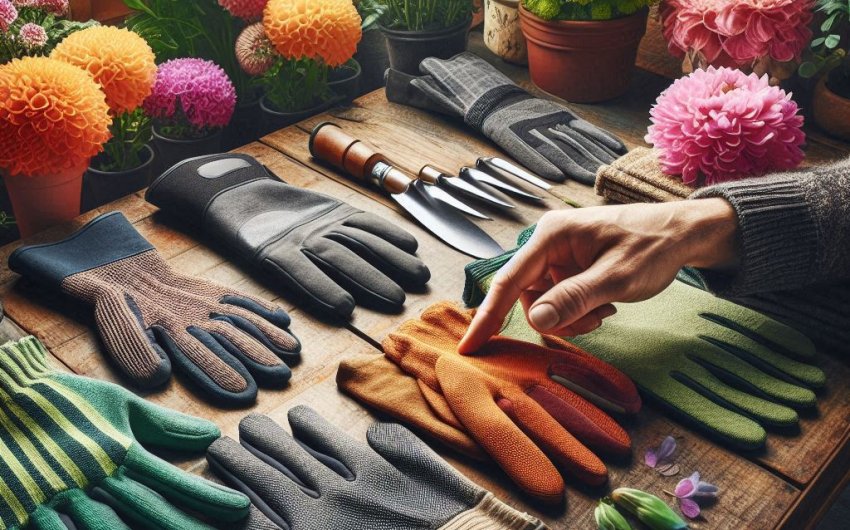
There's nothing quite like the feeling of digging your hands into fresh soil, isn't there? The earthy smell, the cool texture – it's a fundamental part of gardening. But sometimes, that connection comes with a cost: dirt under your fingernails, blisters, scratches from thorns, or even chemical irritation. This is where a good pair of gardening gloves becomes your best friend.
Finding the best gardening gloves isn't a one-size-fits-all situation. Just like you wouldn't use a delicate trowel for heavy digging, you wouldn't want thick, bulky gloves for planting tiny seeds. The right pair of gloves can protect your hands, improve your grip, and make every gardening task more comfortable and enjoyable. It's about matching the glove to the job, and to your specific needs.
This guide is your ultimate resource for navigating the world of gardening gloves. We'll demystify the different types, materials, and features, and give you practical advice on how to choose the right pair for your needs. Get ready to protect your hands, enhance your gardening experience, and truly understand what makes a glove the "best" for you.
Why Good Gardening Gloves Are Essential
You might think gardening gloves are just for keeping your hands clean, but their importance goes far beyond preventing a bit of dirt under your fingernails. A good pair of gloves is a fundamental tool for safety, comfort, and efficiency in the garden.
1. Protection from Injury
This is the most crucial role of gardening gloves.
- Thorns and Prickles: Imagine reaching for a rose or blackberry bush without protection. Ouch! Thick gloves are essential for handling thorny plants like roses, barberry, or even some cacti. A good pair of rose gardening gloves will have extra long cuffs.
- Splinters and Sharp Edges: Whether you're working with wood, rough stones, or broken pots, gloves protect against splinters, cuts, and scrapes.
- Blisters and Calluses: Repetitive motions like digging, raking, or pruning can lead to painful blisters and calluses. Gloves provide a protective barrier and cushioning.
- Bites and Stings: While not foolproof, gloves offer a layer of protection against unexpected insect bites or stings (like from bees or spiders) when rummaging through dense foliage or turning compost.
2. Barrier Against Irritants and Chemicals
Your hands are exposed to a lot in the garden.
- Dirt and Grime: Of course, they keep your hands clean and prevent dirt from embedding under your nails.
- Plant Sap and Toxins: Many plants have irritating or mildly toxic sap (e.g., euphorbias, some tomatoes, poison ivy). Gloves prevent direct skin contact.
- Fertilizers and Pesticides: When applying garden chemicals, even organic ones, gloves provide a necessary barrier to protect your skin from direct exposure. This is crucial for safe gardening practices.
- Soil Microbes: While many soil microbes are beneficial, some can cause infections, especially if you have cuts or scrapes on your hands. Gloves reduce this risk.
3. Improved Grip and Dexterity
Good gloves aren't just about protection; they can actually help you work better.
- Non-Slip Grip: Many gloves feature textured palms or coatings that enhance your grip on tools, even when wet or muddy. This makes tasks safer and more efficient.
- Reduced Hand Fatigue: Some gloves offer ergonomic designs or padding that can reduce strain and fatigue during long gardening sessions.
- Thermal Protection: For cold weather gardening, insulated gloves keep your hands warm, allowing you to work longer and more comfortably.
4. Comfort and Enjoyment
Ultimately, gloves should make gardening more pleasurable.
- No More Dirty Hands: If you hate getting your hands dirty, gloves are a must!
- Extended Work Time: When your hands are comfortable and protected, you're more likely to spend longer, more productive, and more enjoyable hours in the garden.
In essence, gardening gloves are an indispensable part of your gardening toolkit. They are an investment in your safety, comfort, and the overall enjoyment of your time outdoors. Choosing the best gardening gloves for each task ensures your hands are happy, allowing you to focus on the joy of cultivation.
Understanding Your Gardening Tasks: Matching Gloves to the Job
Before you pick out the best gardening gloves, think about the types of gardening tasks you actually do. There isn't one "best" glove for everything; the ideal glove depends on the specific job at hand. Matching your gardening gloves to your activity ensures you have the right balance of protection, dexterity, and comfort.
1. Light-Duty Tasks: Planting, Weeding, Sowing Seeds
These tasks require maximum dexterity and a good feel for the soil and small objects.
- What you're doing: Sowing tiny seeds, planting delicate seedlings, light weeding in soft soil, potting plants, deadheading flowers, tying up plants, picking ripe vegetables or berries.
- What you need in a glove:
- High Dexterity: You need to be able to feel small seeds and plant roots.
- Breathability: Your hands shouldn't get overly sweaty.
- Lightweight: You don't want bulky gloves hindering your movements.
- Good Grip: Even for light tasks, a good grip on small tools is helpful.
- Basic Dirt Protection: Keeps hands clean.
- Ideal Materials:
- Nylon or Polyester Knit with Nitrile or Latex Coating: These are often called "nitrile-coated gloves" or "gardening utility gloves." They offer excellent dexterity, breathability on the back of the hand, and a good grip on the palm. They dry quickly. You can find nitrile coated gardening gloves in multi-packs.
- Cotton with Dots: While less durable and water-resistant than nitrile, these offer good dexterity for very light dry tasks.
- Avoid: Thick leather gloves or heavy rubber gloves, which will reduce your dexterity too much.
2. Medium-Duty Tasks: Digging, Raking, Pruning
These tasks require more durability and protection, but still enough flexibility.
- What you're doing: General digging with a trowel or spade, raking leaves or debris, basic pruning of non-thorny shrubs, spreading mulch, turning compost.
- What you need in a glove:
- Good Durability: To withstand friction and abrasion.
- Moderate Protection: Against minor cuts, scrapes, and blisters.
- Enhanced Grip: For holding onto tools firmly.
- Comfort and Flexibility: Still need to be able to move your hands freely.
- Some Water Resistance (Optional but helpful): For working with damp soil or mulch.
- Ideal Materials:
- Synthetic Leather or Microfiber: Offers good durability, flexibility, and often a comfortable fit.
- Goatskin Leather: More durable than synthetic leather, offers good dexterity for natural material.
- Spandex/Synthetic Blends with Reinforced Palms: Often have padded or reinforced areas for comfort during repetitive tasks.
- Avoid: Very thin disposable gloves (not enough protection) or very thick, rigid gloves (too cumbersome).
3. Heavy-Duty Tasks: Thorny Plants, Major Pruning, Rough Materials
These are the tasks where maximum protection is paramount, even if it means sacrificing some dexterity.
- What you're doing: Handling roses, thorny bushes (blackberries, pyracantha), clearing brush, moving heavy rocks or logs, working with sharp tools, or dealing with potentially irritating plants (poison ivy – though still be very cautious).
- What you need in a glove:
- Maximum Puncture Resistance: To protect against thorns, splinters, and sharp edges.
- Excellent Durability: Must withstand heavy use and abrasion.
- Extended Cuffs/Gauntlets (for thorny plants): To protect forearms.
- Strong Grip: Even on rough surfaces.
- Ideal Materials:
- Thick Cowhide or Pigskin Leather: Offers superior puncture resistance and durability. Leather rose pruning gloves are a must for this type of work.
- Thick Synthetic with Reinforced Areas: Some high-tech synthetics offer good protection, often with reinforced fingertips and palms.
- Avoid: Any glove that feels thin or easily punctured.
4. Wet or Chemical-Related Tasks: Pond Work, Spraying
For tasks involving consistent wetness or chemicals, different considerations apply.
- What you're doing: Working in a pond or water feature, spraying pesticides or fertilizers, mixing concrete or mortar, clearing muddy drains.
- What you need in a glove:
- Complete Waterproofing: No water seeping through.
- Chemical Resistance: If handling strong chemicals.
- Good Grip (even when wet).
- Long Cuffs: To keep water or chemicals from getting inside.
- Ideal Materials:
- Nitrile or Neoprene (Thicker Versions): Offer excellent waterproofing and chemical resistance.
- Rubber Coated: Fully coated gloves are good for water.
- Avoid: Fabric-backed gloves that will soak through.
By assessing your typical gardening activities, you can build a small collection of gardening gloves that provides the right level of protection and comfort for every job, ensuring your hands are always ready for the next task in your garden.
Key Features to Look For in the Best Gardening Gloves
Once you know the type of tasks you'll be doing, it's time to delve into the specific features that distinguish great gardening gloves from mediocre ones. Paying attention to these details will help you choose the best gardening gloves for comfort, durability, and performance.
1. Material (The Core of the Glove)
The material is crucial for protection, dexterity, and durability.
- Leather (Cowhide, Pigskin, Goatskin):
- Pros: Excellent puncture and abrasion resistance, very durable, molds to your hand over time, good grip.
- Cons: Can be less breathable (especially in hot weather), can get stiff when wet and dry, often more expensive.
- Best for: Heavy-duty tasks, thorny plants, long-term durability. Goatskin offers good dexterity while being tough.
- Synthetic Leather/Microfiber:
- Pros: More breathable than real leather, often softer and more flexible right away, good durability, washable.
- Cons: Not as puncture-resistant as thick leather, may not last as long as premium real leather.
- Best for: Medium-duty tasks, general gardening.
- Nitrile, Latex, or Rubber Coating:
- Pros: Excellent grip (even when wet), good puncture resistance on the coated side, water-resistant or waterproof (depending on coating), often very affordable. The back of the hand is usually breathable fabric.
- Cons: Less breathable on the palm, can get sweaty, coating can wear off over time.
- Best for: Light to medium-duty tasks, wet conditions, excellent dexterity. Nitrile gardening gloves are a common and popular choice.
- Cotton/Knit Blends:
- Pros: Very breathable, comfortable, inexpensive.
- Cons: Offer minimal protection against thorns or sharp objects, get wet easily, not durable for heavy tasks.
- Best for: Very light, dry tasks like picking flowers.
- Spandex/Elastane Blends:
- Pros: Offer excellent flexibility and a snug fit, enhancing dexterity. Often used in combination with other materials.
- Cons: Little inherent protection on their own.
2. Fit and Sizing
A well-fitting glove is essential for comfort and dexterity.
- Snug, Not Tight: Gloves should fit snugly without being too tight or restrictive. Too tight, and they'll be uncomfortable and limit blood flow. Too loose, and they'll bunch up, reduce grip, and make delicate tasks impossible.
- Fingertip Fit: The fingertips of the glove should be close to the ends of your fingers without extra material flopping around. This is crucial for dexterity.
- Size Charts: Always consult the manufacturer's size chart. Measure your hand circumference and/or finger length if possible. Many gardening glove brands offer a good range of sizes.
- Try Before You Buy (If Possible): If buying in person, try them on and mimic gardening motions (clench your fist, hold a tool).
3. Cuff Style and Length
The cuff provides additional protection and comfort.
- Short Cuff (Wrist Length):
- Pros: Easy to put on and take off, good for general tasks where arm protection isn't critical.
- Cons: Doesn't protect wrists or forearms.
- Best for: Light to medium tasks, where you need maximum wrist flexibility.
- Elasticized Cuff:
- Pros: Keeps dirt and debris out, provides a secure fit.
- Cons: Can be a little tighter to pull on.
- Gauntlet Cuff (Long Cuff):
- Pros: Extends up the forearm, offering crucial protection against thorns, scratches, and irritating plants.
- Cons: Can be bulkier, may limit arm movement slightly.
- Best for: Rose pruning, clearing brush, dealing with thorny plants. Essential for thorn proof gloves.
4. Grip Enhancement
- Textured Palms/Fingers: Many gloves, especially those with synthetic or coated palms, feature textured surfaces (dots, patterns, rough finishes) to provide a non-slip grip, even when wet. This is vital for securely holding tools.
5. Padding and Reinforcement
- Strategic Padding: Some gloves have padded areas on the palms or knuckles to reduce fatigue and provide cushioning during repetitive tasks or when using power tools.
- Reinforced Fingertips: Extra layers of material on the fingertips increase durability and puncture resistance, especially important for digging.
6. Breathability and Ventilation
- Comfort in Heat: Look for gloves with breathable fabric backs (like mesh or thin knit) to prevent sweaty hands, especially for summer gardening.
7. Washability and Care
- Easy Clean-up: Many synthetic gloves can be machine washed, which is a huge convenience. Leather gloves usually require specialized cleaning.
By paying attention to these features and matching them to your specific gardening needs, you'll be well on your way to selecting the best gardening gloves that offer both protection and pleasure in your garden.
Top Types of Gardening Gloves and Their Best Uses
With so many materials and features, it can be helpful to categorize gardening gloves by their most common design types and their ideal uses. This overview will help you quickly identify the best gardening gloves for various tasks in your garden.
1. General-Purpose / Utility Gloves
These are often the first (and sometimes only) pair of gloves many gardeners own.
- Description: Typically feature a flexible, breathable knit or woven fabric on the back of the hand (nylon, spandex, cotton blend) with a durable, textured coating on the palm and fingers (nitrile, latex, or polyurethane).
- Best Uses: Light to medium-duty tasks, such as:
- Planting seedlings and small plants.
- Light weeding in soft soil.
- Potting and repotting.
- Sowing seeds.
- Harvesting delicate vegetables or fruits.
- General cleanup.
- Pros: Excellent dexterity, good grip (even when wet), often very breathable on the back, relatively inexpensive, usually machine washable.
- Cons: Not suitable for heavy-duty tasks or thorns. Coating can wear off over time.
- Look For: Multi-packs of nitrile coated gardening gloves are a popular and cost-effective option.
2. Leather Gardening Gloves (Classic & Durable)
Leather gloves come in various thicknesses and types of leather.
- Description: Made entirely or mostly of leather (cowhide, pigskin, goatskin).
- Best Uses: Medium to heavy-duty tasks where durability and puncture resistance are key:
- General digging and shoveling.
- Raking tough debris.
- Pruning larger, non-thorny shrubs.
- Handling rough materials like bricks or stones.
- Pros: Very durable, good abrasion resistance, molds to your hand over time for a comfortable fit, excellent grip on many surfaces.
- Cons: Can be less breathable, can stiffen when wet, often more expensive, require more specialized cleaning.
- Look For: Goatskin offers a good balance of dexterity and toughness. Cowhide is the most durable. Leather gardening gloves are a long-lasting investment.
3. Rose/Thorn Proof Gloves
Designed specifically for handling thorny plants.
- Description: Made from thick, tough leather (often cowhide or pigskin) with a crucial feature: long, gauntlet-style cuffs that extend up the forearm.
- Best Uses:
- Pruning roses and other thorny shrubs (barberry, pyracantha).
- Clearing dense, prickly brush.
- Handling cacti or other spiky plants.
- Pros: Superior puncture resistance for thorns, excellent forearm protection, very durable.
- Cons: Can be bulky and reduce dexterity for fine tasks, less breathable.
- Look For: Reinforcement in key areas like fingertips and palms. Rose pruning gloves are a must for rose enthusiasts.
4. Waterproof / Chemical-Resistant Gloves
Designed for wet or chemical-handling tasks.
- Description: Fully coated in a waterproof material like latex, nitrile, or neoprene, often extending up the forearm. The interior may be lined for comfort.
- Best Uses:
- Working in ponds or water features.
- Handling muddy, wet soil.
- Mixing or spraying fertilizers or pesticides.
- Washing garden tools.
- Pros: Keeps hands completely dry, protects against chemical exposure, usually offers good grip when wet.
- Cons: Can be less breathable, may feel bulky, can get sweaty.
- Look For: Material specifically labeled for chemical resistance if that's your primary use. Waterproof gardening gloves are essential for specific tasks.
5. Winter/Cold Weather Gloves
Designed for gardening in chilly temperatures.
- Description: Feature insulated linings (fleece, Thinsulate) with a durable, often water-resistant or waterproof, outer layer.
- Best Uses:
- Working in cold weather, early spring, or late fall.
- Clearing light snow or frost.
- Pros: Keeps hands warm and comfortable, often waterproof.
- Cons: Can be bulky, reducing dexterity.
- Look For: Good grip even in cold conditions.
Many gardeners find it beneficial to own at least two pairs of gloves: a lightweight, dexterous pair for light tasks and a more heavy-duty or specialized pair for tougher jobs. This allows you to always have the best gardening gloves for the task at hand, enhancing both your protection and enjoyment in the garden.
Caring for Your Gardening Gloves for Longevity
Investing in the best gardening gloves means you'll want them to last. Proper care and maintenance can significantly extend the lifespan of your gloves, keeping them comfortable and functional for many gardening seasons.
1. Cleaning Your Gloves
Regular cleaning removes dirt, sap, and sweat, preventing odor and prolonging material life.
- For Fabric/Coated Gloves (Nitrile, Latex, Spandex Blends):
- Most can be machine washed in cold water on a gentle cycle. Check the label!
- Use a mild detergent.
- Air dry them completely. Do NOT put them in a dryer, as high heat can damage coatings and fabric.
- For light cleaning, simply rinse them under a faucet with a little dish soap and air dry.
- For Leather Gloves:
- Avoid Submerging: Do not machine wash or soak leather gloves, as this can make them stiff and crack.
- Spot Clean: For dirt, allow mud to dry and then brush it off. For stubborn stains, gently wipe with a damp cloth and a very mild soap (like saddle soap or a gentle leather cleaner).
- Air Dry Slowly: If they get wet, reshape them on your hands, then allow them to air dry slowly away from direct heat or sunlight (which can cause cracking).
- Condition (Optional): Apply a small amount of leather conditioner once dry to keep them supple.
2. Proper Drying
This is crucial for all types of gloves to prevent mold, mildew, and odors.
- Air Dry Completely: Always allow gloves to air dry thoroughly after each use, especially if they've gotten wet or sweaty.
- Good Airflow: Hang them up or lay them flat in a well-ventilated area. Avoid stuffing them into a tight drawer or tool bag while damp.
- Inside Out: If they get very sweaty, turn them inside out to help the interiors dry.
3. Storage
Proper storage keeps your gloves organized and protected.
- Cool, Dry Place: Store gloves in a cool, dry place away from direct sunlight, which can degrade materials over time.
- Organized: Use a hook in your shed or garage, or keep them in a dedicated drawer or basket. This prevents them from getting lost or damaged.
- Avoid Extreme Temperatures: Don't leave gloves in a hot car or directly exposed to freezing temperatures for prolonged periods, as this can damage materials.
4. Inspection and Repair
- Check for Wear: Periodically inspect your gloves for holes, tears, or excessive wear.
- Small Repairs: For small holes or tears in fabric gloves, a needle and strong thread can often fix them. Leather gloves might be repaired with leather glue or patches for minor damage.
- Know When to Replace: Eventually, even the best gardening gloves will wear out. When holes become too large, the coating peels significantly, or they no longer offer adequate protection, it's time to replace them.
By following these simple care tips, you can extend the life of your gardening gloves, ensuring they continue to provide comfort, protection, and reliable performance throughout your many gardening adventures.