
Gardening Pots and Planters: How to Choose the Best One for Your Plants
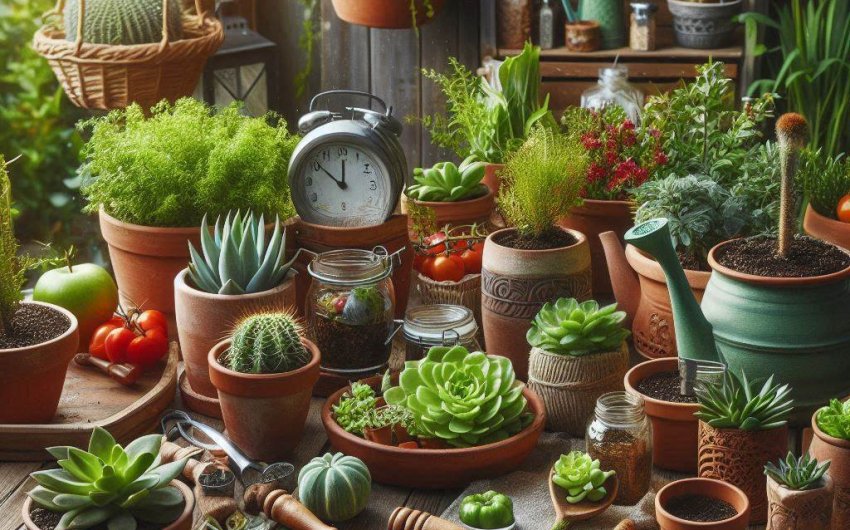
Stepping into a garden center can be overwhelming, especially when you hit the aisle filled with gardening pots and planters. There are so many shapes, sizes, colors, and materials! It's easy to pick the prettiest one, but choosing the right pot for your plant is more than just about looks. The perfect planter can help your plant thrive, while the wrong one can lead to stunted growth or even worse.
This guide will break down everything you need to consider when selecting gardening pots and planters. We'll cover the importance of size, different materials, drainage, and even how to match the pot to your specific plant's needs. Get ready to learn how to make smart choices that will lead to happier, healthier plants and a more beautiful garden!
Why Does the Right Pot Matter for My Plants?
It might seem like a simple container, but the pot plays a huge role in your plant's health and growth.
How Does Pot Size Affect Plant Growth?
Size truly matters when it comes to planters.
- Root Space: Plants need enough room for their roots to grow and spread. If a pot is too small, roots can become cramped, preventing the plant from taking up enough water and nutrients. This leads to stunted growth, yellowing leaves, and a generally unhealthy plant. This is often called being "root-bound."
- Too Big Can Be Bad Too: Surprisingly, a pot that's too big can also be a problem. A large pot holds a lot of soil that the plant's roots can't quickly absorb water from. This can lead to the soil staying wet for too long, increasing the risk of root rot (a disease caused by lack of oxygen to roots in soggy conditions). Excess soil can also hold unused nutrients, potentially harming the plant.
- Growth Potential: Choose a pot size that matches your plant's mature size or its growth rate. For fast-growing plants, you might need to "pot up" (move to a slightly larger pot) regularly. For slow growers, a smaller pot is fine. A good plant grow bag can offer flexibility.
- The "Two-Inch Rule" (General Guideline): When potting up, generally choose a pot that is only 1-2 inches larger in diameter than the current pot. For very large plants, you might go up 3-4 inches.
Why Is Drainage So Important?
This is non-negotiable for almost all plants.
- Prevents Root Rot: Most plants (except some aquatic or bog plants) hate sitting in soggy soil. Standing water deprives roots of oxygen, leading to root rot, which is a fungal disease that can quickly kill your plant. A drainage hole allows excess water to escape.
- Flushes Salts: Water evaporating from the soil surface leaves behind mineral salts. If there's no drainage hole, these salts build up over time, which can harm your plant. Watering until water drains out helps flush these salts away.
- Oxygen for Roots: Roots need both water and oxygen. Good drainage ensures that after watering, fresh air (oxygen) can enter the soil as water drains away.
- Saucers/Trays: If your pot has a drainage hole and you're using it indoors or on a patio, you'll need a saucer or drip tray underneath to catch the excess water. Ensure the pot isn't sitting in standing water in the saucer for too long. A good plant saucer is essential.
What Are the Different Pot Materials and Their Pros & Cons?
Each material has unique properties that affect how often you water, how hot the roots get, and the overall look.
1. Terracotta / Clay Pots
A classic and breathable choice.
- Pros:
- Excellent Breathability: Terracotta is porous, meaning it allows air and moisture to pass through its walls. This helps the soil dry out more quickly, which is great for plants that prefer drier conditions or for preventing overwatering.
- Prevents Root Rot: The quick-drying nature reduces the risk of root rot.
- Natural Aesthetic: They have a classic, earthy look that complements many plant types and garden styles.
- Heavy and Stable: Larger terracotta pots are heavy, making them stable and less likely to tip over in windy conditions.
- Cons:
- Dries Out Quickly: Because they are so porous, terracotta pots dry out very quickly, especially in hot, sunny, or windy conditions. This means plants in terracotta will need more frequent watering, which might be a disadvantage for busy gardeners.
- Brittle: They can crack or break easily if dropped or exposed to freezing temperatures while wet.
- Salt Buildup: Salts can leach through the walls and create white crusty deposits on the outside, which some people dislike (though it's harmless).
- Heavy: Larger ones can be very heavy to move. You can find beautiful terracotta plant pots.
2. Plastic Pots
Lightweight, affordable, and widely available.
- Pros:
- Retains Moisture: Plastic pots are non-porous, so they hold moisture in the soil for longer. This means less frequent watering, which is great for water-loving plants or gardeners who travel.
- Lightweight: Very easy to move, even larger sizes.
- Durable and Inexpensive: Resistant to breaking, cracking (unless brittle plastic), and are very budget-friendly.
- Variety: Available in countless colors, shapes, and sizes.
- Cons:
- Poor Airflow: Lack of breathability can sometimes lead to overly wet soil and poor root aeration if drainage isn't perfect or if you overwater.
- Can Overheat: Dark plastic pots can absorb a lot of heat from the sun, potentially "cooking" roots in hot climates.
- Less Stable: Lighter pots can easily tip over in strong winds, especially with taller plants.
- Less Aesthetic: Can sometimes look less natural or "cheap" compared to other materials. Look for durable plastic plant pots for outdoor use.
3. Ceramic / Glazed Pots
Decorative and moisture-retaining.
- Pros:
- Beautiful and Decorative: Glazed ceramic pots are often chosen for their aesthetic appeal. They come in a vast array of colors, patterns, and finishes, adding a stylish touch to any garden or home.
- Retains Moisture: Like plastic, the glaze makes them non-porous, so they hold moisture well, reducing watering frequency.
- Heavy and Stable: Generally quite heavy, providing good stability for plants, especially tall ones.
- Cons:
- Poor Airflow: Similar to plastic, lack of porosity can lead to soggy soil if overwatered.
- Expensive: Often pricier than plastic or terracotta.
- Brittle: Can crack or break easily if dropped or exposed to freezing temperatures (water expands when frozen, cracking the pot).
- Heavy: Larger ones can be very difficult to move. There are many beautiful glazed ceramic planters to choose from.
4. Metal Pots
Modern and durable.
- Pros:
- Modern Aesthetic: Often provide a sleek, contemporary look (e.g., galvanized steel, copper).
- Durable: Generally quite strong and resistant to breaking.
- Lightweight (Aluminum): Some metals like aluminum are lightweight and easy to move.
- Cons:
- Heat Conduction: Metal heats up very quickly in the sun and stays hot, which can seriously damage plant roots. Consider this for hot climates.
- Rust: Unless galvanized, stainless steel, or specifically treated, many metals can rust over time.
- Heavy (Steel/Iron): Some metals can be very heavy.
- Drainage: Ensure they have adequate drainage holes as they are non-porous.
5. Fabric Grow Bags
Breathable and flexible.
- Pros:
- Excellent Airflow and Drainage: The fabric material (typically non-woven geotextile fabric) allows for fantastic air circulation to the roots ("air pruning" prevents root circling) and superior drainage, greatly reducing the risk of root rot and overwatering.
- Prevents Overheating: The breathable fabric helps dissipate heat, keeping roots cooler in hot weather.
- Lightweight and Portable: Very easy to move, even when filled with soil. Many have handles.
- Inexpensive and Collapsible: Very affordable and can be stored flat when not in use.
- Cons:
- Dries Out Quickly: Like terracotta, they dry out faster, requiring more frequent watering.
- Less Aesthetic: Their appearance might not suit all garden styles.
- Durability: While reusable for several seasons, they don't last as long as rigid pots. A good garden grow bag can be a fantastic tool.
6. Wood Planters
Natural and rustic.
- Pros:
- Natural Look: Blend beautifully into a garden setting.
- Insulation: Wood provides good insulation, protecting roots from extreme temperature swings.
- Size: Can be built in very large sizes for substantial plants or trees.
- Cons:
- Rot/Deterioration: Wood will eventually rot over time, especially if not made from rot-resistant wood (like cedar or redwood) or treated. Avoid chemically treated wood for edible plants.
- Maintenance: May require sealing or staining to prolong life.
- Heavy: Larger wooden planters are very heavy once filled.
- Pests: Can sometimes attract wood-boring insects.
How Do I Match the Pot to My Plant's Needs?
The key is to consider your plant's specific preferences.
What Kind of Roots Does My Plant Have?
This dictates pot depth and width.
- Deep-Rooted Plants: Plants like tomatoes, carrots, or roses need deep pots to accommodate their long taproots or extensive root systems. Look for deep planters for vegetables.
- Shallow-Rooted Plants: Herbs, lettuce, and many annual flowers have shallower roots and can thrive in wider, shallower pots or window boxes.
- Spreading Roots: Plants that spread widely (like some shrubs) might need wider pots or tubs.
What Are My Plant's Water Needs?
This will influence your choice of material.
- Plants that like to dry out between waterings:
- Good choices: Terracotta pots, fabric grow bags. Their porous nature helps the soil dry faster.
- Examples: Succulents, cacti, rosemary, lavender, some herbs.
- Plants that prefer consistently moist soil:
- Good choices: Plastic pots, glazed ceramic pots. Their non-porous nature helps retain moisture.
- Examples: Ferns, impatiens, many tropical houseplants.
What About My Climate and Location?
Environmental factors play a role.
- Hot Climates/Sunny Spots:
- Avoid dark plastic and metal pots, as they can absorb too much heat and damage roots.
- Terracotta and fabric grow bags can be good because they allow heat to dissipate, but they will require more frequent watering.
- Light-colored plastic or ceramic pots are better as they reflect heat.
- Cold Climates/Winter Storage:
- Terracotta and glazed ceramic pots are prone to cracking in freezing temperatures if left outdoors and absorb moisture. Bring them indoors or ensure they are completely dry before freezing.
- Plastic, fabric grow bags, and treated wood are generally more resistant to freezing.
What Are Some Final Tips for Choosing and Using Pots?
A few extra pointers to help you succeed.
Always Ensure Drainage
This cannot be stressed enough.
- Drainage Holes: If a pot doesn't have a drainage hole (which some decorative ones don't), drill one! Use a drill bit appropriate for the material (masonry bit for ceramic/terracotta, wood bit for wood, metal bit for metal, regular bit for plastic).
- Avoid Gravel at the Bottom: A common myth is to put a layer of gravel or broken pottery at the bottom of a pot to improve drainage. This actually creates a "perched water table" effect, where water collects just above the gravel layer, potentially causing more issues with soggy soil. It's better to use proper potting mix and adequate drainage holes.
- Potting Mix: Always use a high-quality, well-draining potting mix specifically designed for containers, not garden soil, which can compact and drain poorly in a pot. You can find excellent potting mix for containers.
Consider Mobility
Do you need to move your plants easily?
- Casters/Dollies: For very large or heavy planters, consider using a plant dolly with wheels or planters with built-in casters to make moving them much easier for cleaning, rearranging, or winter storage. A heavy duty plant caddy is invaluable.
- Lightweight Materials: If you frequently rearrange your patio or need to bring plants indoors seasonally, choose lighter materials like plastic or fabric grow bags.
Don't Forget Aesthetics
The pot is part of your garden's design!
- Match Your Style: Choose pots that complement your home's architecture and your garden's overall style.
- Color and Texture: Consider how the pot's color and texture will look with the plant it holds and other elements in your outdoor space.
- Grouping: For a more impactful display, group several pots of different sizes and materials together.
Choosing the best gardening pots and planters for your plants is a thoughtful process, but it's one that truly pays off in the long run. By considering the crucial factors of pot size, material, drainage, and your plant's specific needs, you'll be well on your way to cultivating a thriving, beautiful, and vibrant container garden that you can enjoy for seasons to come!