
Essential Gardening Tools Every Gardener Should Have
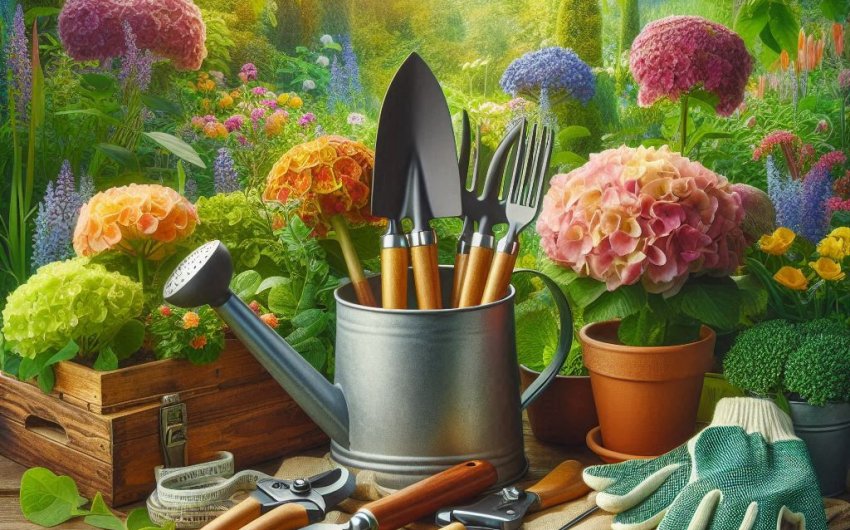
Stepping into a garden is stepping into a world of endless possibilities, growth, and beauty. Whether you're a seasoned green thumb with years of experience or just starting your very first pot of herbs, having the right gardening tools can make all the difference. The right tool not only makes tasks easier and more efficient but also helps you care for your plants properly, leading to healthier growth and a more enjoyable gardening experience.
But with so many gardening tools on the market, it can be overwhelming to figure out what you truly need. You don't need to buy everything at once, but investing in a few essential gardening tools will set you up for success. This guide will walk you through the must-have items that every gardener should consider owning, detailing their uses, what to look for, and how they can empower your gardening triumphs.
Why Are Good Gardening Tools So Important?
Investing in quality tools pays off in many ways.
Do They Make Gardening Easier?
Absolutely! The right tool for the job makes tasks less physically demanding and more enjoyable.
- Efficiency: Using a sharp, effective tool saves time and effort. Trying to dig with a flimsy trowel or prune with dull shears is frustrating and inefficient.
- Reduced Strain: Ergonomically designed tools can reduce strain on your back, wrists, and hands, preventing fatigue and injuries, especially during long gardening sessions.
- Precision: Specialized tools allow for more precise work, whether it's making a clean cut on a stem or accurately digging a planting hole.
Do They Help My Plants Stay Healthy?
Yes, tools are vital for plant well-being.
- Clean Cuts: Sharp pruning tools make clean cuts that heal quickly, reducing the risk of disease entry. Dull tools tear plant tissue, leaving open wounds vulnerable to pathogens.
- Proper Planting: Using appropriate digging tools ensures proper hole depth and width for healthy root development.
- Pest and Disease Management: Tools are used for tasks like removing diseased plant parts, applying treatments, or cultivating soil to deter pests.
- Soil Health: Tools like forks and shovels help in amending soil, improving aeration, and creating a healthy environment for roots.
What Are the Essential Hand Tools for Every Gardener?
These are the tools you'll reach for most often, for daily tasks.
1. Hand Trowel
Your go-to digging and planting tool.
- Purpose: Ideal for digging small holes for planting seedlings, transplanting small plants, scooping soil into pots, weeding, and mixing amendments into garden beds.
- What to Look For:
- Strong Blade: Look for a sturdy stainless steel or forged steel blade that won't bend easily.
- Ergonomic Handle: A comfortable handle made of wood or composite material that fits well in your hand. Many have soft grips.
- Full Tang: The blade should extend into the handle (full tang) for maximum durability.
- Why it's essential: This is the most versatile handheld digging tool for container gardening, small beds, and precise tasks. A high-quality garden trowel will last a lifetime.
2. Hand Pruners / Secateurs
For clean cuts on branches and stems.
- Purpose: Essential for cutting small branches, pruning shrubs, deadheading flowers, harvesting vegetables, and shaping plants.
- Types:
- Bypass Pruners: Work like scissors, with two blades that bypass each other. They make clean, precise cuts and are best for live stems. Most gardeners prefer these.
- Anvil Pruners: One sharp blade cuts against a flat anvil. Good for dead wood but can crush live stems.
- What to Look For:
- Sharp, Strong Blades: High-carbon steel or stainless steel blades that hold a sharp edge.
- Comfortable Grip: Spring-loaded handles that fit your hand well, with a secure locking mechanism.
- Size: Choose a size that feels comfortable and appropriate for the typical branch thickness you'll be cutting.
- Why it's essential: Clean cuts are vital for plant health, preventing disease entry. A sharp pair of bypass pruners is a must-have.
3. Garden Gloves
Protect your hands from thorns, dirt, and blisters.
- Purpose: Protect hands from thorns, sharp objects, blisters, dirt, and chemicals.
- What to Look For:
- Durability: Made from sturdy materials like leather, synthetic leather, or tough fabrics.
- Dexterity: Choose gloves that allow enough flexibility for fine motor tasks like planting seeds.
- Fit: Gloves should fit snugly but comfortably.
- Water Resistance: Some gloves offer water resistance, which is great for wet gardening tasks.
- Why it's essential: Prevents injuries, keeps hands clean, and makes gardening more comfortable. A good pair of gardening gloves is invaluable.
4. Weeding Tool (Hand Weeder)
Efficiently remove unwanted plants.
- Purpose: For removing stubborn weeds, especially those with taproots like dandelions.
- Types: Many designs exist, including dandelion weeders (long, narrow fork), cobra head weeders, or Japanese weeding sickles (hori hori knife).
- What to Look For:
- Sturdy Construction: A strong, sharp blade or fork that won't bend.
- Comfortable Handle: Allows for good grip and leverage.
- Why it's essential: Makes weeding much easier and more effective than just pulling by hand, especially for deeply rooted weeds. A popular choice is a dandelion weeder tool.
What Are the Essential Long-Handled Tools?
These provide leverage and reach for larger tasks.
1. Garden Spade or Shovel
For serious digging and moving soil.
- Purpose: Digging planting holes, turning soil, edging beds, moving soil, compost, or mulch.
- Types:
- Round-Point Shovel: General-purpose digging, good for moving loose materials.
- Square-Point Shovel: Better for scooping and moving materials from flat surfaces.
- Digging Spade: Has a flat, sharp blade, ideal for cutting into turf or compacted soil, and edging.
- What to Look For:
- Forged Steel Blade: Strongest and most durable.
- Sturdy Handle: Fiberglass or hardwood handles are common. Look for a D-handle for better grip and leverage.
- Foot Rest: A lip on the top of the blade to push with your foot.
- Why it's essential: Indispensable for any significant digging, planting, or landscape work. A garden digging spade is a workhorse.
2. Garden Rake
For leveling, smoothing, and gathering.
- Purpose: Leveling soil, smoothing seedbeds, spreading mulch, gathering leaves and debris.
- Types:
- Bow Rake (Garden Rake): Has short, sturdy tines, great for moving heavy materials and breaking up clumps.
- Leaf Rake: Has long, flexible tines, specifically designed for gathering leaves and light debris.
- What to Look For:
- Strong Head: Metal head that resists bending.
- Durable Handle: Wood or fiberglass.
- Good Connection: How the head connects to the handle is key for durability.
- Why it's essential: For preparing planting areas and keeping your garden tidy. A reliable garden bow rake is versatile.
3. Garden Fork (Digging Fork / Spading Fork)
Aerating soil and breaking up clumps.
- Purpose: Loosening compacted soil, aerating lawns (especially for high-traffic pet areas), mixing compost or amendments into beds, digging up root crops, dividing perennials.
- What to Look For:
- Strong, Forged Tines: Resists bending, especially in heavy soil.
- Comfortable Handle: Similar to a shovel.
- Why it's essential: Great for improving soil structure without completely turning it over, especially for no-dig or raised bed gardens. A garden digging fork is excellent.
What Are the Essential Watering Tools?
Proper hydration is critical for healthy plants.
1. Watering Can
For precise watering of pots and seedlings.
- Purpose: Delivering water directly to the base of plants in pots, raised beds, or delicate seedlings, without splashing soil or wasting water.
- What to Look For:
- Comfortable Handle: Easy to carry when full.
- Proper Spout: A long, slender spout for precise watering, often with a "rose" (sprinkler head) for gentle rain-like watering.
- Capacity: Choose a size that's manageable when full.
- Why it's essential: Gentle and controlled watering, especially for plants prone to powdery mildew (by avoiding wetting leaves). A good watering can for indoor plants (for smaller) or outdoor watering can (for larger).
2. Garden Hose and Nozzle
For broader watering tasks.
- Purpose: Watering larger garden beds, lawns, filling watering cans, and general cleanup.
- What to Look For (Hose):
- Length: Choose a length that easily reaches all parts of your garden.
- Durability: Kink-resistant, durable materials like rubber or heavy-duty vinyl.
- Couplings: Brass or sturdy plastic couplings are best.
- What to Look For (Nozzle): A multi-pattern nozzle offers versatility for different watering needs (gentle shower for seedlings, jet for cleaning).
- Why it's essential: For efficient watering of larger areas. A reliable garden hose with nozzle is a must.
What Are Some Bonus Tools for Serious Gardeners?
Once you have the basics, consider adding these for more advanced tasks.
1. Wheelbarrow or Garden Cart
For moving heavy loads.
- Purpose: Transporting soil, compost, mulch, rocks, tools, and harvested crops around your garden.
- What to Look For:
- Capacity: Match to your needs.
- Balance: A well-balanced design makes it easier to push.
- Tires: Pneumatic tires offer smoother rolling over uneven ground.
- Why it's useful: Saves your back and multiple trips. A heavy-duty garden cart is often more stable than a wheelbarrow.
2. Loppers
For thicker branches.
- Purpose: Cutting branches too thick for hand pruners (usually up to 1.5-2 inches in diameter).
- What to Look For:
- Bypass or Anvil: Bypass for live wood, anvil for dead wood.
- Long Handles: Provide leverage for thicker cuts.
- Sharp Blades: High-quality steel.
- Why it's useful: Extends your pruning capabilities without needing a saw. A good pair of gardening loppers is great.
3. Cultivator / Hand Fork
For loosening soil and weeding between plants.
- Purpose: Breaking up compacted soil, mixing amendments, and light weeding in tight spaces.
- What to Look For: Sturdy tines and a comfortable handle.
- Why it's useful: Great for aerating around established plants without disturbing roots too much.
4. Soil Knife / Hori Hori
A multi-purpose Japanese garden tool.
- Purpose: Digging, weeding, cutting roots, planting, transplanting, and even measuring (some have depth markings).
- What to Look For: A sturdy, sharp blade with a serrated edge on one side.
- Why it's useful: Highly versatile and often considered a "do-it-all" tool by many gardeners. A Hori Hori knife is very popular.
How Do I Care for My Gardening Tools?
Proper tool care ensures longevity and performance.
1. Clean After Each Use
Remove dirt and debris.
- Wipe Down: After each gardening session, wipe down your tools to remove dirt, sap, and moisture.
- Scrub: For stubborn dirt, use a stiff brush or steel wool.
- Soap and Water: Wash with soapy water if needed, then dry thoroughly.
2. Sharpen Regularly
Keep blades keen.
- Sharpness: Sharp tools make clean cuts and require less effort.
- Tools: Use a sharpening stone or diamond sharpener for pruners, loppers, and knives. For shovels and hoes, a metal file works well. You can find a gardening tool sharpener.
3. Lubricate and Protect
Prevent rust and keep moving parts smooth.
- Oil Blades: After cleaning and sharpening, wipe metal blades with a light coating of linseed oil, mineral oil, or tool oil to prevent rust.
- Moving Parts: Apply a drop of oil to the pivot points of pruners and loppers.
- Handles: For wooden handles, occasionally rub them with linseed oil to prevent cracking and splinters.
4. Proper Storage
Keep tools organized and protected.
- Dry Location: Store tools in a dry place (shed, garage, or tool rack) to prevent rust.
- Hang Tools: Hang long-handled tools to keep them off the floor and prevent accidents or damage.
- Tool Caddy: Use a gardening tool caddy or bucket for your hand tools.
Equipping yourself with these essential gardening tools is the first step toward a more efficient, enjoyable, and rewarding gardening experience. By investing in quality tools and maintaining them properly, you'll be well-prepared for any task your garden throws your way, helping you cultivate thriving plants and a beautiful outdoor space for years to come!