
Container Gardening: A Beginner’s Guide to Growing Plants in Small Spaces
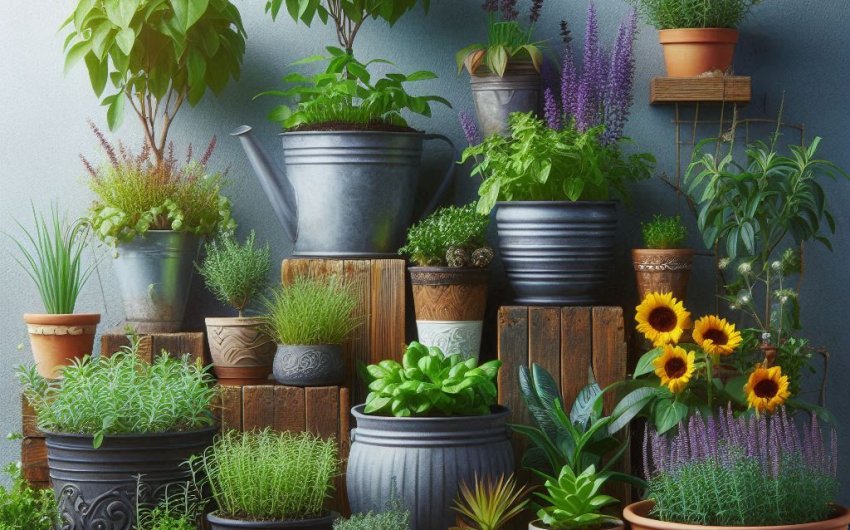
Why is container gardening perfect for small spaces?
Imagine wanting a vibrant garden but only having a tiny balcony or a small patch of concrete. Or maybe you rent, and you can't dig up the yard. This is where container gardening becomes your best friend. It's the perfect solution for growing plants in small spaces.
Container gardening means growing plants in pots, tubs, window boxes, or any kind of container instead of directly in the ground. This opens up a world of possibilities for urban dwellers, apartment residents, or anyone with limited ground space.
Here’s why it’s so perfect:
- Space-Saving: You can fit many plants into a small area by stacking pots, hanging them, or arranging them vertically. Your balcony, patio, or even a sunny windowsill can become a thriving garden.
- Flexibility and Mobility: If a plant needs more sun, you can simply move its pot. If a storm is coming, you can bring tender plants indoors. This mobility is a huge advantage, letting you adjust to changing light conditions or weather.
- No Garden Plot Needed: You don't need a traditional yard. Any paved area, rooftop, or porch can become your gardening spot. This makes gardening accessible to almost everyone.
- Less Weeding: Since plants are in contained spaces, you'll have far fewer weeds to deal with compared to a traditional garden bed.
- Better Control: You have full control over the soil type, nutrients, and water for each plant. This is especially good if your native soil isn't ideal.
- Pest and Disease Management: It can be easier to spot and deal with pests or diseases when plants are in containers, and you can isolate affected plants more easily.
Container gardening truly breaks down barriers, allowing anyone to enjoy the beauty and bounty of growing their own plants, no matter how small their space.
What types of containers are best for beginners?
Choosing the right container is the first step in container gardening. For beginners, it's best to start with containers that are easy to use, durable, and offer good conditions for plants. There are many options, but some are more beginner-friendly than others.
Material Matters:
- Plastic Pots:
- Pros: Lightweight, inexpensive, wide variety of sizes and colors. They retain moisture well, meaning you might water less often. Great for starting out.
- Cons: Can look less natural. Lighter colors may fade over time. Dark colors can get very hot in direct sun, potentially cooking roots.
- Tip: Look for UV-resistant plastic.
- Terracotta/Clay Pots:
- Pros: Classic, natural look. Porous material allows air exchange, which is good for roots. Helps prevent overwatering by wicking away excess moisture.
- Cons: Heavier and more fragile than plastic. They dry out very quickly, meaning you'll need to water more often, especially in hot weather. Can be more expensive.
- Tip: Great for plants that like drier conditions (like succulents).
- Fabric Grow Bags:
- Pros: Excellent drainage and air circulation (air pruning roots for healthier growth). Lightweight and flexible. Fold flat for easy storage. Often made from recycled materials.
- Cons: Dry out faster than plastic. May not look as "finished" as other pots for a formal aesthetic.
- Tip: Perfect for vegetables, herbs, and larger plants where root health is key. You can find many fabric grow bags online.
Size Matters:
- Drainage Holes: No matter the material, every container MUST have drainage holes at the bottom. Without them, water will sit and roots will rot. If a container doesn't have holes, drill them yourself.
- Right Size for the Plant: Choose a container that is big enough for the mature size of your plant. Small plants can start in smaller pots and be moved to larger ones later. Larger plants (like tomatoes or small shrubs) need big pots (10-20 gallons or more). Roots need space to grow.
- Weight: Consider the weight of the container once it's filled with wet soil and a plant. If you plan to move it, choose lighter materials or use wheeled plant caddies.
For beginners, a good mix of plastic pots and fabric grow bags often provides the best balance of affordability, ease of use, and versatility for a variety of plants in a container garden.
What is the best potting mix for container plants?
The potting mix is arguably the most important ingredient for successful container gardening. Unlike garden soil, which is often heavy and compacts easily, potting mix is specially designed for containers. Using the wrong mix is a common mistake for beginners.
Why You Can't Use Garden Soil:
- Compaction: Garden soil (or topsoil) becomes very dense and compacted in a pot. This squeezes out air that roots need to breathe.
- Poor Drainage: It holds too much water, leading to soggy conditions and root rot.
- Pests and Diseases: Garden soil can contain weed seeds, pests, and disease pathogens that you don't want in your pots.
What Makes a Good Potting Mix:
A good potting mix is lightweight, drains well, and holds enough moisture and nutrients for plants. It's usually a blend of several ingredients:
Peat Moss or Coco Coir (Base):
- Peat Moss: Light, fluffy, and holds water very well. It's often slightly acidic, which many plants like.
- Coco Coir: A sustainable alternative to peat moss, made from coconut husks. It also holds water well and provides good aeration.
- Function: These form the bulk of the mix, holding moisture and providing a soft structure for roots.
Perlite or Vermiculite (Aeration/Drainage):
- Perlite: White, lightweight, volcanic rock. It creates air pockets in the soil, improving drainage and preventing compaction. It doesn't hold much water itself.
- Vermiculite: A mineral that expands when heated. It helps retain moisture AND improves aeration. It holds more water than perlite.
- Function: Crucial for ensuring roots get enough oxygen and preventing waterlogging.
Compost or Worm Castings (Nutrients):
- Compost: Decomposed organic matter. Adds nutrients, improves soil structure, and introduces beneficial microbes.
- Worm Castings: Worm "poop" – a rich, natural fertilizer.
- Function: Provides slow-release nutrients to feed your plants.
Optional: Slow-Release Fertilizer: Many commercial potting mixes come with a small amount of slow-release fertilizer already mixed in. This gives your plants a good start.
Choosing a Potting Mix for Beginners:
For beginners, the easiest option is to buy a high-quality, all-purpose commercial potting mix. Look for bags labeled "Potting Mix" or "Container Mix" specifically, not "Topsoil" or "Garden Soil." Brands like Miracle-Gro Potting Mix or similar quality options are widely available and perform well.
These commercial mixes are formulated with the right balance of ingredients for most plants. As you gain experience, you might try mixing your own specialized blends, but for a beginner's container garden, a good bag of ready-to-use potting mix is your best bet.
Which plants are best for container gardening beginners?
Choosing the right plants as a beginner in container gardening can make all the difference between success and frustration. Start with plants that are generally easy to grow, adaptable to pots, and provide quick rewards.
Here are some of the best choices for beginners:
Herbs (Super Easy and Rewarding!)
- Basil: Loves sun and regular water. Very fragrant and great for cooking.
- Mint: Grows easily, but can spread aggressively in the ground. Perfect for containers as it keeps it contained.
- Rosemary: Needs lots of sun and well-draining soil. Drought tolerant once established.
- Thyme: Similar to rosemary, loves sun and doesn't mind drying out a bit.
- Chives: Onion-like flavor, easy to grow, and produces pretty purple flowers.
- Parsley: Likes consistent moisture and can tolerate some shade.
Vegetables (Dwarf and Compact Varieties are Key)
- Lettuce & Leafy Greens: 'Salad Bowl' lettuce, spinach, kale, arugula. Grow quickly, tolerate some shade, and you can harvest outer leaves for continuous supply.
- Radishes: Very fast-growing, ready in just a few weeks. Great for quick success.
- Bush Beans: Look for 'Bush' varieties, not 'Pole' beans, as they don't need tall supports.
- Cherry Tomatoes: 'Patio' or 'Bush' varieties are bred for containers. They produce lots of small, sweet tomatoes. Needs a decent-sized pot and a sturdy stake.
- Bell Peppers: 'Patio' or dwarf varieties. Need full sun and consistent watering.
- Small Carrots: Look for 'Thumbelina' or 'Danvers Half Long' varieties that don't need deep soil.
- Spinach: Quick, easy, and can be harvested as cut-and-come-again.
Flowers (For Beauty and Pollinators)
- Marigolds: Bright, cheerful, and very easy to grow from seed or seedling. They attract pollinators and can even deter some pests.
- Petunias: Trailing varieties are great for hanging baskets. They flower all summer with deadheading.
- Nasturtiums: Edible flowers and leaves with a peppery taste. Easy to grow from large seeds.
- Zinnias (dwarf varieties): Bright, long-lasting blooms that attract butterflies.
- Impatiens: Perfect for shady spots, offering continuous color.
Fruits (Small Varieties)
- Strawberries: Many varieties do well in pots, hanging baskets, or specialized strawberry planters.
When selecting plants, always check the label for "compact," "dwarf," or "patio" varieties, as these are specially bred to thrive in containers. And always consider the plant's light requirements (full sun, partial sun, shade) when deciding where to place your new container garden. Starting with these easy-going plants will build your confidence and give you early successes.
How important is watering for container plants?
Watering is absolutely critical in container gardening, arguably even more so than for plants grown directly in the ground. It's often the biggest challenge for beginners, but once you understand it, it becomes much easier.
Why Watering is Different in Containers:
- Faster Drying: Containers (especially smaller ones or those made of terracotta) dry out much faster than garden beds. They have less soil volume to hold moisture, and heat can penetrate the sides of the pot.
- Nutrient Leaching: When water drains out the bottom of a pot, it can carry away dissolved nutrients. This means container plants need more frequent feeding.
- Root Vulnerability: Roots in pots are more exposed to temperature changes. Consistent moisture helps protect them.
How to Water Effectively:
- Check Before You Water: Don't just water on a schedule (e.g., every day). Always check the soil moisture first.
- The Finger Test: Stick your finger about 1-2 inches deep into the soil. If it feels dry, it's time to water. If it's still moist, wait.
- Weight Test: Lift the pot. If it feels surprisingly light, it's dry.
- Soil Moisture Meter: An Upgraded Soil Moisture Meter with Large Screen is an excellent tool for beginners. Stick the probe in, and the large screen will tell you exactly how wet or dry the soil is. This takes away all the guesswork. You can find many soil moisture meters for easy use.
- Water Deeply and Slowly: When you do water, water until it drains out the bottom of the pot. This ensures that the entire root ball gets saturated. Water slowly to allow the soil to absorb it, rather than it just running over the top.
- Water in the Morning: Watering in the morning is generally best. It allows the plant to absorb water throughout the day and lets any excess moisture on leaves evaporate before nightfall, reducing the risk of fungal diseases.
- Avoid Overwatering: Too much water can be as bad as too little, leading to root rot. Always make sure your pots have drainage holes. If you're consistently getting "WET" readings on your soil moisture meter days after watering, you might have drainage issues.
Factors Affecting Watering Needs:
- Plant Type: Some plants (like succulents) need less water; others (like ferns) need more.
- Container Material: Terracotta dries faster than plastic.
- Container Size: Smaller pots dry faster.
- Weather: Hot, sunny, or windy weather increases water evaporation.
- Plant Size: Larger plants with more leaves transpire (release water) more, thus needing more water.
Mastering watering is the key to successful container gardening. Your plants will thank you with lush growth and abundant blooms or harvests.
How do you fertilize container plants effectively?
Fertilizing container plants is very important because, unlike plants in the ground, their potting mix has limited nutrients. Over time, these nutrients are used up by the plant or washed away with watering. You need to replenish them regularly.
Why Fertilize Container Plants?
- Limited Nutrients: Potting mixes are designed for good drainage and aeration, but they don't naturally contain a huge reserve of nutrients like rich garden soil.
- Leaching: Every time you water until it drains out, some dissolved nutrients are lost from the pot.
- Active Growth: Plants in containers, especially vegetables and flowers, are often pushed to grow and produce heavily, which depletes nutrients faster.
Types of Fertilizers for Beginners:
Slow-Release Granular Fertilizers:
- What they are: Small beads or pellets that release nutrients slowly over weeks or months, usually coated in a material that breaks down over time.
- How to use: You mix them into the potting mix when planting or sprinkle them on top of the soil. Follow the package directions for how much to use and how often to apply (e.g., every 3-6 months).
- Pros: Very easy for beginners. You "set it and forget it" for a while. Consistent feeding.
- Cons: Less immediate control if a plant suddenly needs a boost.
Liquid Fertilizers:
- What they are: Concentrated liquid solutions that you mix with water and apply when you water your plants.
- How to use: Dilute according to package directions (often "half-strength" is recommended for container plants to avoid burning roots). Apply every 2-4 weeks during the active growing season.
- Pros: Provides an immediate nutrient boost. Easy to adjust frequency and strength.
- Cons: Requires more frequent application.
Organic Options (Compost/Worm Castings):
- What they are: Natural, slow-release nutrient sources.
- How to use: Mix a small amount of compost or worm castings into your potting mix when planting. You can also add a thin layer on top of the soil every few months, letting it slowly work its way in.
- Pros: Improves soil health, very gentle on plants, environmentally friendly.
- Cons: Slower to release nutrients than synthetic fertilizers.
Tips for Effective Fertilizing:
- Read the Label: Always follow the directions on your chosen fertilizer packaging. More is NOT better and can burn your plants.
- Fertilize During Active Growth: Plants need fertilizer most when they are actively growing, flowering, or producing fruit (usually spring and summer). Reduce or stop fertilizing in fall and winter when most plants are dormant.
- Water Before Fertilizing (with liquid): If using liquid fertilizer, water your plant first with plain water. This ensures the soil is already moist, preventing root burn from the concentrated fertilizer.
- Choose the Right N-P-K Ratio: Look for a balanced fertilizer (e.g., 10-10-10 or 20-20-20) for general growth. For flowering or fruiting plants, you might use one higher in Phosphorus (P) and Potassium (K), like a "bloom booster."
With consistent and careful fertilizing, your container garden will flourish, providing you with healthy, vibrant plants throughout the growing season.
How do you manage sunlight for container plants?
Sunlight is absolutely essential for almost all plants, and in container gardening, you have a unique advantage: you can move your plants to get the right amount of light. Getting sunlight right is critical for plant health and productivity.
Why Sunlight is So Important:
- Photosynthesis: Plants use sunlight to make their food through a process called photosynthesis. Without enough light, they can't make enough energy to grow, flower, or produce fruit.
- Growth and Development: Proper light ensures strong stems, healthy leaves, and overall vigorous growth.
- Flowering and Fruiting: Many flowering and fruiting plants (like tomatoes, peppers, and most flowers) need ample direct sunlight to produce blooms and fruit.
Understanding Light Categories:
- Full Sun: At least 6 hours (and ideally 8+ hours) of direct sunlight per day. This is usually what fruiting vegetables, most herbs, and many flowers need.
- Partial Sun/Partial Shade: 3-6 hours of direct sun per day. These plants do well with morning sun and some protection from intense afternoon sun.
- Full Shade: Less than 3 hours of direct sun, or dappled light all day. This is for plants that don't tolerate much direct sun, usually foliage plants or certain flowers.
Managing Sunlight in Your Container Garden:
- Observe Your Space: Before you buy plants, spend a day (or even a week) observing your balcony, patio, or garden area. Note where the sun hits and for how long.
- Match Plants to Light: Once you know your light conditions, choose plants that thrive in those conditions. Don't put a sun-loving tomato in a shady spot, or a shade-loving fern in full sun.
- The Mobility Advantage: This is where container gardening shines!
- Chase the Sun: If you have plants that need full sun but your space only gets a few hours in one spot, you can move the pots around during the day to "chase" the sun.
- Provide Shade: If you have sun-sensitive plants and your area gets intense afternoon sun, you can move them into a shadier spot during the hottest part of the day, or use an outdoor umbrella or shade cloth.
- Winter Protection: In cooler climates, you can move tender plants indoors to a sunny window for winter.
- Consider Vertical Gardening: Use shelves, hanging baskets, or wall planters to make the most of vertical space, especially if sun only hits certain levels.
Proper sunlight management is a cornerstone of successful container gardening. Your ability to move and adjust your plants according to their light needs gives you an unparalleled level of control, leading to healthier, more productive, and more vibrant plants.
What are common pest and disease issues in container gardens and how to handle them?
Even in a controlled container garden setting, pests and diseases can sometimes appear. The good news is that they are often easier to spot and manage in pots compared to large garden beds.
Common Pests and How to Deal with Them:
Aphids:
- Appearance: Small, pear-shaped insects, often green, black, yellow, or pink. They cluster on new growth and undersides of leaves.
- Damage: Suck sap, causing distorted leaves and sticky residue (honeydew).
- Solution:
- Water Blast: A strong spray of water can knock them off plants.
- Neem Oil: A natural insecticide that disrupts their feeding and reproduction. Follow package directions.
- Insecticidal Soap: Sprays on contact to suffocate them.
- Beneficial Insects: Encourage ladybugs, which eat aphids.
Spider Mites:
- Appearance: Tiny, almost invisible dots. Look for fine webbing on undersides of leaves and tiny yellow speckles on leaves.
- Damage: Suck sap, causing leaves to look dull, stippled, or bronzed.
- Solution:
- Water Blast: Rinse leaves thoroughly, especially undersides.
- Increase Humidity: Spider mites thrive in dry conditions. Mist your plants.
- Neem Oil/Insecticidal Soap: Apply regularly.
Fungus Gnats:
- Appearance: Tiny black flying insects that hover around soil, especially common with houseplants or in overwatered outdoor pots. Larvae (tiny clear/white worms) live in soil.
- Damage: Larvae feed on plant roots, especially in young plants. Annoying for humans.
- Solution:
- Let Soil Dry Out: This is key. Fungus gnats love consistently wet soil. Use your Upgraded Soil Moisture Meter to ensure you're not overwatering.
- Yellow Sticky Traps: Catch adult gnats.
- Beneficial Nematodes or BT (Bacillus thuringiensis israelensis): Biological controls that target larvae in the soil.
Common Diseases and How to Handle Them:
Root Rot:
- Cause: Too much water and poor drainage, suffocating roots.
- Symptoms: Wilting (even though soil is wet), yellowing leaves, mushy stem base.
- Solution: Prevent with proper watering (use a soil moisture meter!) and good drainage holes. If caught early, let soil dry completely. For severe cases, repot with fresh, dry potting mix after trimming off rotten roots.
Powdery Mildew:
- Cause: Fungal disease, often from high humidity and poor air circulation.
- Symptoms: White, powdery spots on leaves and stems.
- Solution: Improve air circulation (don't crowd plants). Spray with a mixture of baking soda and water (1 tsp baking soda per quart of water) or Neem oil. Remove severely affected leaves.
General Tips for Pest and Disease Management:
- Inspect Regularly: Check your plants daily for any signs of trouble. Early detection is key.
- Good Air Circulation: Don't crowd plants. Good airflow helps prevent many fungal issues.
- Water Properly: Overwatering is a leading cause of problems. Use your Upgraded Soil Moisture Meter!
- Quarantine New Plants: Before adding new plants to your container garden, keep them separate for a week or two to ensure they don't bring in pests or diseases.
- Sanitation: Remove dead leaves, fallen debris, and diseased plant parts promptly. Clean your tools between uses.
- Healthy Plants Resist Better: Strong, well-fed plants are naturally more resistant to pests and diseases.
By staying vigilant and using these simple, non-toxic methods first, you can effectively manage most pest and disease issues in your container garden, ensuring your plants remain healthy and productive.