
Common Plant Diseases and How to Treat Them
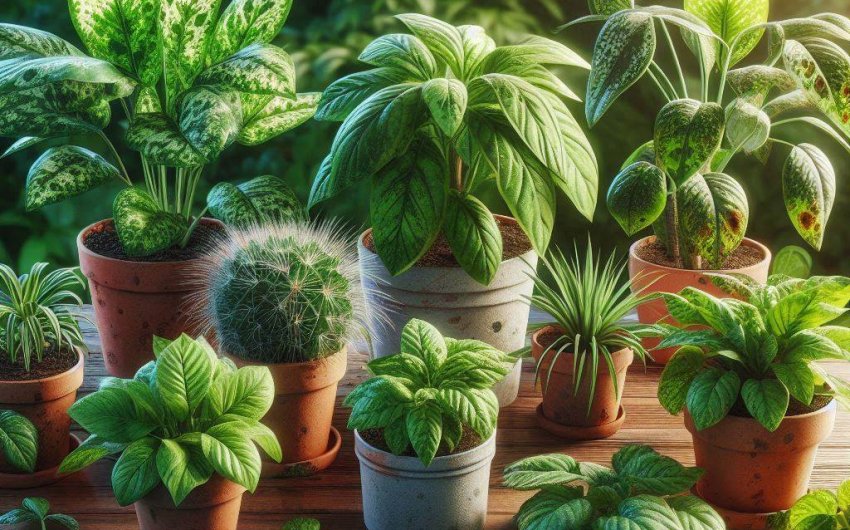
Every gardener eventually faces a common challenge: plant diseases. You nurture your plants, watch them grow, and then suddenly, something looks off. Leaves might start to spot, wilt, or turn strange colors. It can be frustrating to see your beloved greenery suffer, but knowing what to look for and how to act can save your plants and your harvest.
Plant diseases are often caused by tiny organisms like fungi, bacteria, or viruses, or sometimes by poor growing conditions. Understanding the signs of these common plant diseases is the first step towards treatment. This guide will help you identify some of the most frequent culprits in the garden and provide practical, easy-to-follow advice on how to get your plants back to vibrant health.
What Causes Plant Diseases and How Can I Prevent Them?
Before we dive into specific diseases, let's understand why they happen and, more importantly, how we can stop them before they even start.
What Are the Main Types of Plant Pathogens?
Plant diseases aren't just one thing; they come from different kinds of microscopic bad guys.
- Fungi: These are the most common cause of plant diseases. Fungal spores travel easily through the air, water, or even on tools. They thrive in damp, humid conditions and often show up as spots, molds, wilts, or rot. Examples include powdery mildew and blight.
- Bacteria: Bacterial diseases often cause soft rots, cankers (sunken lesions), and galls (unusual growths). They usually enter plants through wounds or natural openings and spread quickly in wet conditions.
- Viruses: These are the trickiest to deal with. Plant viruses are tiny particles that hijack a plant's cells to reproduce. They often cause stunted growth, distorted leaves, mosaic patterns (mottled yellow and green), or unusual streaking. Viruses are often spread by sap-sucking insects like aphids or from infected tools.
- Nematodes: While technically microscopic worms, some nematodes are plant parasites that attack roots, causing galls or stunted growth, which can mimic nutrient deficiencies or wilting diseases.
How Can I Create a Healthy Garden to Prevent Diseases?
Prevention is always easier than treatment! A strong, healthy plant is better at fighting off diseases.
- Choose resistant varieties: When buying seeds or plants, look for varieties that are listed as disease-resistant. Many popular vegetables and flowers now have improved resistance to common diseases.
- Practice crop rotation: Don't plant the same type of crop in the same spot year after year. Rotate your crops annually. This helps prevent disease-causing organisms from building up in the soil. For example, if you grow tomatoes in one spot this year, plant beans or corn there next year. This is a vital practice for healthy garden soil.
- Good sanitation:
- Clean tools: Always clean and sterilize your gardening tools (pruners, shovels, stakes) between uses and especially between different plants, using rubbing alcohol or a bleach solution (1 part bleach to 9 parts water). This prevents spreading diseases from one plant to another.
- Remove infected parts: As soon as you see signs of disease, carefully remove and destroy (do not compost!) infected leaves, stems, or fruits. Bag them and throw them in the trash to prevent the spread of spores.
- Clear debris: Keep your garden free of plant debris and weeds, which can harbor pests and disease organisms.
- Proper spacing and air circulation: Plant your vegetables and flowers according to the recommended spacing on the seed packet. Overcrowding reduces air circulation, which creates damp, humid conditions that fungal diseases love.
- Water smart:
- Water at the base: Always water the soil at the base of your plants, avoiding overhead watering. Wet leaves, especially overnight, create a perfect breeding ground for fungal spores.
- Water deeply and less often: Encourage strong root growth by watering deeply rather than frequent, shallow sprinkles. Allow the top inch or two of soil to dry out between waterings.
- Healthy soil: Build rich, well-draining soil by adding plenty of organic matter like compost. Healthy soil leads to healthy roots and stronger, more resilient plants. A soil testing kit can help you understand your soil's needs.
- Manage pests: Many pests, like aphids and whiteflies, can spread plant viruses and other diseases. Control pest populations early to reduce disease transmission.
What Are Common Fungal Diseases and How Can I Treat Them?
Fungal diseases are perhaps the most frequently encountered problem in home gardens. They often appear as spots, coatings, or wilts.
1. Powdery Mildew
This is one of the most recognizable plant diseases.
- Symptoms: White, powdery patches appear on the top surfaces of leaves and stems. It looks like someone sprinkled flour on your plants. Over time, affected leaves may turn yellow, brown, and eventually shrivel and die.
- Commonly affects: Squash, cucumbers, pumpkins, zucchini, roses, lilacs, and many other ornamentals.
- Cause: Various species of fungi that thrive in humid conditions with poor air circulation, but also in dry weather with high humidity (e.g., cool nights, warm days).
- Treatment:
- Remove affected leaves: Prune and destroy (do not compost) any leaves heavily covered with powdery mildew.
- Improve air circulation: Ensure proper plant spacing and prune out some inner leaves to allow air to flow through the plant canopy.
- Baking soda spray: Mix 1 tablespoon of baking soda with 1 gallon of water and a few drops of mild liquid soap. Spray affected plants every 7-10 days, ensuring good coverage, especially the undersides of leaves.
- Neem oil: A natural fungicide and insecticide, neem oil can be effective. Mix according to package directions and spray on affected plants. You can find organic neem oil.
- Fungicides: For severe cases, consider an organic fungicide specifically for powdery mildew. Follow directions carefully.
2. Early Blight and Late Blight
These are serious diseases, especially for tomatoes and potatoes.
- Early Blight Symptoms: Dark brown to black spots with concentric rings (like a target pattern) appear on older, lower leaves. Leaves yellow around the spots, eventually dying. Can also affect stems and fruit.
- Late Blight Symptoms: Water-soaked lesions appear on leaves, turning dark brown/black with a fuzzy white mold on the underside during humid conditions. It spreads rapidly, causing plants to collapse. Fruit develops greasy-looking, dark spots.
- Commonly affects: Tomatoes, potatoes, and other members of the nightshade family.
- Cause: Early Blight is caused by the fungus Alternaria solani. Late Blight is caused by the oomycete Phytophthora infestans. Both thrive in cool, wet conditions.
- Treatment (Difficult for Late Blight):
- Sanitation: Remove and destroy (do not compost!) all infected plant parts immediately. For late blight, it's often recommended to remove entire infected plants to prevent spread.
- Watering: Water at the base of plants.
- Mulch: Use mulch to prevent soil splashing onto lower leaves, which can spread fungal spores.
- Fungicides: For early blight, copper or sulfur-based fungicides can help prevent spread if applied early and consistently. For late blight, specialized fungicides might be needed, but prevention is key, as it's highly aggressive. Look for a copper fungicide for vegetables.
- Resistant varieties: Choose blight-resistant tomato and potato varieties.
3. Rust
Another common fungal issue, easily recognized by its color.
- Symptoms: Small, rusty-colored (orange, brown, or yellow) powdery spots or pustules appear primarily on the undersides of leaves and stems. The upper side of the leaf may show corresponding yellow or white spots.
- Commonly affects: Beans, onions, garlic, daylilies, hollyhocks, and many other plants.
- Cause: Various species of rust fungi, which need moisture to thrive and spread by wind.
- Treatment:
- Remove affected leaves: Prune and destroy infected leaves to reduce spore count.
- Improve air circulation: Space plants properly and prune excess foliage.
- Watering: Water at the base of plants, avoiding wetting the foliage.
- Fungicides: Copper or sulfur-based fungicides can help prevent or control rust if applied regularly. Consider a general garden fungicide.
- Resistant varieties: Choose rust-resistant plant varieties if available.
4. Damping-Off
A common killer of seedlings.
- Symptoms: Young seedlings suddenly wilt and collapse at the soil line, often looking water-soaked or constricted at the stem base. They fail to emerge from the soil.
- Commonly affects: Any seedling grown from seed, especially in humid or cold conditions.
- Cause: Several soil-borne fungi, including Pythium, Rhizoctonia, and Fusarium.
- Treatment (Prevention is Best):
- Sterile potting mix: Always use a sterile seed-starting mix when planting seeds. Never reuse soil from previous plantings. You can find sterile seed starting mix.
- Clean containers: Sterilize seed-starting trays and pots with a bleach solution (1:9 bleach to water) before use.
- Good drainage: Ensure seed trays have adequate drainage holes.
- Proper watering: Don't overwater. Keep the soil moist but not soggy. Provide good airflow around seedlings.
- Temperature: Maintain appropriate temperatures for germination and growth.
What Are Common Bacterial Diseases and How Can I Treat Them?
Bacterial diseases can be tougher to treat once they've set in, making prevention even more vital.
1. Bacterial Spot/Blight
Often confused with fungal spots, but different.
- Symptoms: Small, water-soaked spots appear on leaves, stems, and sometimes fruit. These spots often have a yellow halo and may turn dark brown or black. On fruit, they can be raised and scab-like. Can also cause cankers on stems.
- Commonly affects: Tomatoes, peppers, beans, cabbage, and other brassicas.
- Cause: Various species of bacteria. They spread easily through splashing water (rain, overhead irrigation) and thrive in warm, humid conditions.
- Treatment (Difficult to Cure):
- Remove infected plants: Severely infected plants should be removed and destroyed immediately to prevent spread.
- Sanitation: Clean tools, and avoid working with plants when they are wet.
- Watering: Water at the base to avoid splashing.
- Copper-based sprays: While not a cure, copper-based sprays can help slow the spread of bacterial diseases if applied preventatively or at the first sign of infection. Look for a bacterial leaf spot spray.
- Resistant varieties: Choose disease-resistant varieties of tomatoes and peppers.
2. Bacterial Wilt
A rapid wilting disease.
- Symptoms: Plants suddenly wilt and collapse, often starting from one side of the plant. If you cut the stem and gently squeeze, a milky, stringy ooze may come out.
- Commonly affects: Cucumbers, melons, squash, and other cucurbits.
- Cause: Bacteria (Erwinia tracheiphila) that is spread by cucumber beetles. The bacteria multiply in the plant's vascular system, blocking water flow.
- Treatment: No effective chemical treatment once infected.
- Remove infected plants: Destroy infected plants immediately to prevent the spread of the bacteria.
- Control cucumber beetles: Manage cucumber beetle populations early in the season, as they are the primary vector for this disease. Use row covers to protect young plants, or apply appropriate insecticides if necessary. You can use a natural insect control for beetles.
- Resistant varieties: Plant resistant cucurbit varieties if available.
What Are Common Viral Diseases and How Can I Treat Them?
Viral diseases are typically the hardest to control because there's no cure once a plant is infected. Prevention and pest control are paramount.
1. Mosaic Virus
Creates a mottled appearance.
- Symptoms: Leaves develop a mottled, mosaic pattern of light and dark green or yellow areas. Leaves may also be distorted, stunted, or crinkled. Fruit might be bumpy, discolored, or small. Stunted plant growth is common.
- Commonly affects: Tomatoes, cucumbers, squash, peppers, beans, and many ornamental plants.
- Cause: Various types of viruses (e.g., Cucumber Mosaic Virus, Tobacco Mosaic Virus). These are often spread by sap-sucking insects (aphids, leafhoppers) or by contact (infected tools, hands, tobacco products).
- Treatment: No cure.
- Remove infected plants: Immediately remove and destroy (do not compost!) any suspected virus-infected plants to prevent spread to healthy plants.
- Pest control: Control sap-sucking insects like aphids, which transmit viruses. Use insecticidal soap or neem oil.
- Sanitation: Wash hands and sterilize tools frequently when working with plants, especially if you smoke (tobacco mosaic virus can be spread this way).
- Weed control: Remove weeds from the garden, as some can host viruses.
- Resistant varieties: Choose virus-resistant varieties when possible.
What Should I Do if I Suspect a Plant Disease?
When you notice something amiss, don't panic! Follow these steps.
1. Identify the Problem
Be a detective in your garden.
- Observe carefully: Look closely at the symptoms. Where are they located (old leaves, new leaves, stems, fruit)? What do the spots look like? Is there any mold or fuzz?
- Research: Use online resources, garden guides, or local extension services to compare your symptoms with pictures and descriptions of common plant diseases.
- Consider conditions: Think about the recent weather (wet, dry, hot, cold) and your watering habits. These can often be clues.
2. Act Quickly and Safely
Early action can make a big difference.
- Isolate or remove: If you suspect a serious or highly contagious disease (like late blight or a virus), consider isolating or immediately removing the affected plant to protect others.
- Prune affected parts: For localized issues like powdery mildew or early stages of spots, carefully prune off and destroy the infected leaves or stems. Always clean your pruners afterward.
- Apply treatment: Based on your identification, choose the appropriate treatment (e.g., fungicide, insecticidal soap, cultural changes). Read product labels carefully for dilution and application instructions.
3. Review and Adapt
Learn from your experience.
- Monitor: After treatment, monitor your plants closely to see if the disease is spreading or if your efforts are working.
- Adjust practices: If diseases continue to be a problem, review your garden practices. Do you need to improve air circulation? Adjust watering? Start fertilizing differently? Is crop rotation needed?
- Record keeping: Keep a simple garden journal of what you planted, where, what problems you encountered, and what treatments you tried. This information is invaluable for future seasons. A simple garden journal can be very helpful.
Dealing with plant diseases is a normal part of gardening. While it can be disheartening, understanding the common culprits, practicing good prevention, and acting quickly with appropriate treatments will help you maintain a healthy, thriving garden. Your plants will thank you for it!