
Composting for Beginners: How to Turn Waste into Nutrient-Rich Soil
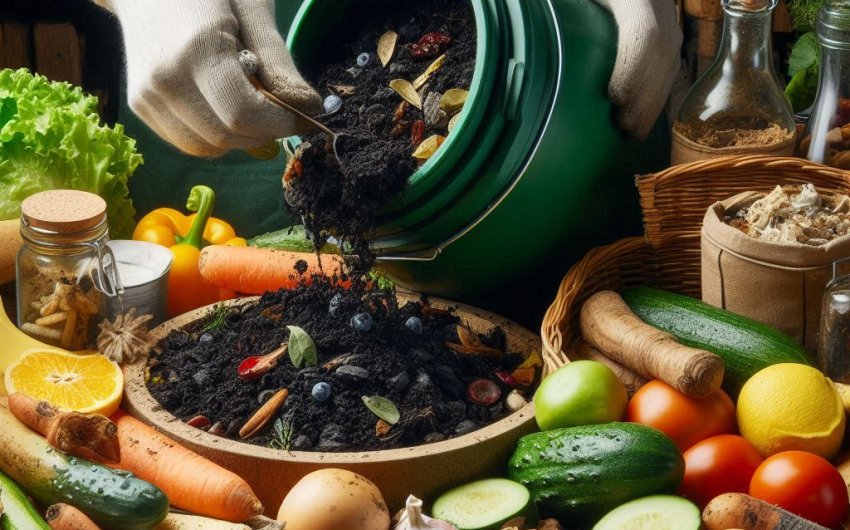
Have you ever looked at your kitchen scraps – those banana peels, coffee grounds, and vegetable trimmings – and wondered if there was a better place for them than the trash can? What about all those fallen leaves in your yard, or the grass clippings after you mow? The answer is a resounding "yes!" And that better place is a compost pile.
Composting is like magic for your garden. It's a natural process where organic materials break down into a dark, crumbly, earthy-smelling substance called compost, often called "black gold" by gardeners. This isn't just dirt; it's a super-food for your plants and a powerful way to reduce waste.
If you're new to the idea, the thought of composting might seem a bit daunting. You might imagine smelly piles, attracting critters, or a complicated science experiment. But don't worry! Composting for beginners is much simpler than you think. This guide will walk you through everything you need to know, from understanding the basics to setting up your first successful compost pile. Get ready to turn your everyday waste into something truly valuable for your garden and the planet.
What Exactly is Composting and Why Should You Do It?
Before we dive into the "how-to," let's understand the "what" and "why" of composting. It's more than just piling up garbage; it's a controlled process that mimics nature's way of recycling.
What is Compost?
Compost is basically decomposed organic matter. Think about what happens in a forest: leaves fall, branches break down, and old plants die. Over time, all this material breaks down into rich, dark soil on the forest floor. That's nature's compost. We're just speeding up that process in a backyard setting.
The finished compost looks and feels like dark, rich soil. It smells like fresh earth, not rotting garbage. It's full of nutrients and beneficial microbes that are amazing for plant growth.
Why Should You Compost? The Benefits Are Huge!
There are so many good reasons to start composting. It benefits your garden, your wallet, and the environment.
1. Boosts Your Garden's Health
This is often the main reason people start. Compost is like a multivitamin for your garden soil.
- Nutrient-Rich: It slowly releases essential nutrients that plants need to grow strong and healthy. It's not a quick burst like chemical fertilizers, but a steady supply that feeds plants over time.
- Improves Soil Structure: If you have sandy soil, compost helps it hold water and nutrients better. If you have heavy clay soil, compost loosens it up, allowing air and water to reach roots more easily. This improved structure leads to better root growth and healthier plants.
- Increases Water Retention: Compost acts like a sponge, helping your soil hold onto water. This means you'll need to water your plants less often, saving you time and money.
- Feeds Microbes: Compost is teeming with beneficial microorganisms (tiny living things like bacteria and fungi). These microbes help break down organic matter in the soil, making nutrients available to plants. They also help fight off plant diseases.
- Reduces Pests and Diseases: Healthy, well-fed plants are more resistant to pests and diseases. Compost helps build that natural resistance.
2. Reduces Waste and Landfill Burden
This is a massive environmental benefit.
- Less Trash: Food scraps and yard waste make up a huge portion of what we throw away. By composting, you divert these materials from landfills.
- Reduces Methane Gas: When organic matter rots in a landfill without air, it produces methane, a very powerful greenhouse gas that contributes to climate change. Composting, which uses air, produces much less methane.
3. Saves Money
- Free Soil Amendment: Why buy expensive bags of soil amendments or potting mix when you can make your own high-quality compost for free?
- Reduces Fertilizer Needs: With nutrient-rich compost, you'll need fewer chemical fertilizers, saving you money there too.
- Less Watering: As mentioned, compost helps soil hold water, meaning lower water bills.
4. Eco-Friendly and Sustainable
- Closes the Loop: Composting is a fantastic example of a sustainable cycle. You use materials from the earth (plants, food), return them to the earth as compost, and then use that compost to grow more plants. It's a truly circular system.
- Builds Healthy Ecosystems: You're nurturing a tiny ecosystem in your backyard, filled with helpful creatures and microbes.
So, while it might seem like a small act, composting has a ripple effect, improving your garden, reducing your waste, and helping the planet. Ready to get started?
What Can You Compost? The "Greens" and "Browns" Explained
The success of your compost pile depends heavily on what you put into it. The secret lies in balancing two main types of materials: "Greens" and "Browns."
The "Greens": Nitrogen-Rich Materials
"Greens" are materials that are rich in nitrogen. They tend to be moist and fresh. Think of them as the "engine" that heats up your compost pile and helps it break down quickly.
Examples of Greens:
- Kitchen Scraps:
- Fruit and vegetable peels and scraps (apple cores, banana peels, carrot tops, potato skins, lettuce, kale, etc.).
- Coffee grounds (and filters!).
- Tea bags (paper or natural fiber bags, remove staples).
- Eggshells (crush them first to help them break down faster).
- Yard Waste:
- Fresh grass clippings (use in thin layers to prevent matting and odor).
- Fresh plant trimmings and garden waste (leaves, stems, spent flowers from your garden).
- Weeds (avoid weeds with seeds, as they might not "cook" enough to kill the seeds).
What to Know About Greens:
- They tend to break down quickly.
- They can get smelly if there are too many and not enough air or browns.
- They provide the necessary nitrogen for the microorganisms to thrive and work their magic.
The "Browns": Carbon-Rich Materials
"Browns" are materials that are rich in carbon. They are typically dry and coarser. Think of them as the "bulk" of your compost pile, providing structure and allowing air to circulate. They are slower to break down than greens.
Examples of Browns:
- Yard Waste:
- Dead leaves (these are gold for composters!).
- Dry grass clippings.
- Wood chips (small ones are best).
- Straw or hay.
- Small twigs and shredded branches.
- Household Items:
- Shredded newspaper (black ink only, avoid glossy paper).
- Cardboard (shredded, remove tape and labels).
- Paper towel and toilet paper rolls.
- Sawdust (from untreated wood only, use sparingly as it can be very carbon-heavy).
What to Know About Browns:
- They provide the carbon that balances the nitrogen from the greens.
- They help keep the pile aerated, preventing odors.
- They are slower to decompose.
The Ideal Ratio: Balancing Greens and Browns
The magic of composting lies in the balance. You want a good mix of Greens and Browns. A common guideline is to aim for a ratio of about 2 to 3 parts Browns to 1 part Greens by volume.
- Too many Greens: Your compost pile might become soggy, compacted, and smelly because there's not enough air. It will also break down very slowly due to lack of carbon.
- Too many Browns: Your compost pile will be too dry and won't heat up. It will break down very, very slowly, or not at all.
Don't get too hung up on exact measurements, especially when you're just starting. The best way to learn is by doing and observing your pile. If it smells bad (like rotten eggs), add more browns. If it's not breaking down and looks dry, add more greens and some water.
What NOT to Compost (Especially for Beginners)
Just as important as knowing what to add, is knowing what to keep out of your compost pile. These items can attract pests, create odors, or introduce harmful pathogens.
- Meat, Bones, Fish, and Dairy Products: These will attract pests (rats, raccoons, flies) and create very strong, unpleasant odors. They also break down slowly and can harbor harmful bacteria.
- Fats, Oils, and Greases: These also attract pests and can create greasy, smelly pockets in your compost.
- Diseased Plants: Composting diseased plants can spread the disease to your healthy garden when you use the finished compost.
- Pest-Infested Plants: Similar to diseased plants, you don't want to accidentally introduce pests into your garden.
- Weeds with Seeds: Most home compost piles don't get hot enough to kill weed seeds, meaning you'll just spread weeds when you use your compost.
- Pet Waste (Dog and Cat Feces): These can contain harmful pathogens (bacteria, parasites) that are not typically killed in a home compost pile. It's unsafe to use compost made with pet waste on edible gardens.
- Treated Wood or Sawdust from Treated Wood: Treated wood can contain chemicals that are harmful to plants and soil microbes.
- Coal Ash or Charcoal Briquettes: These can contain harmful heavy metals or chemicals. Wood ash from a fireplace (untreated wood only) can be added sparingly as a source of potassium, but don't overdo it.
- Synthetics: Plastics, synthetic fabrics, styrofoam – these won't break down. Remove all stickers, labels, and plastic from food scraps or cardboard.
By sticking to the recommended "greens" and "browns" and avoiding the "don'ts," you'll be well on your way to creating beautiful, healthy compost.
Choosing Your Composting Method: Bins and Piles
Once you know what to compost, you need a place to do it! There are many ways to set up a compost system, from simple piles to fancy bins. The best method for you depends on your space, budget, and how much effort you want to put in.
1. Simple Compost Pile (Open Pile)
This is the most basic method and perfect for large yards or those with a lot of yard waste.
- How it works: You simply create a pile of your compostable materials directly on the ground.
- Pros:
- Free! No cost for a bin.
- Easy to start. Just start piling.
- Good for large volumes: You can add a lot of material quickly.
- Cons:
- Less tidy: Can look a bit messy.
- Can attract critters: More open to animals.
- Harder to turn: Requires more effort to mix the pile.
- May not get as hot: Can take longer to break down, especially if not turned often.
- Best for: Large gardens, rural areas, people who generate a lot of yard waste.
2. Basic Compost Bin (Enclosed Pile)
These are structures that hold your compost pile, making it tidier and sometimes helping it heat up faster.
a. Wire Mesh Bin
- How it works: You can make this yourself from a roll of hardware cloth or fencing, shaping it into a cylinder.
- Pros:
- Inexpensive and easy to build.
- Good airflow: The open mesh allows plenty of air, which is great for decomposition.
- Easy to access and turn: You can lift the whole bin off the pile to turn it.
- Cons:
- Can dry out quickly due to all the airflow.
- Less contained: Small scraps might fall out.
- Best for: Most suburban gardens, easy DIY. You can buy a wire compost bin already made.
b. Wood Pallet Bin
- How it works: Use old wooden pallets to create a three- or four-sided box.
- Pros:
- Often free or cheap if you can find pallets.
- Sturdy and good looking.
- Good airflow through the gaps in the pallets.
- Cons:
- Can be harder to turn unless you build a multi-bin system.
- Requires some basic construction skills.
- Best for: Those who want a sturdy, attractive, and often free option.
c. Plastic Compost Bin (Store-bought)
- How it works: These are typically solid plastic bins, often with a lid and a small door at the bottom to remove finished compost. Some are tumbling designs.
- Pros:
- Tidy and contained: Keeps the pile neat and deters pests.
- Retains moisture and heat well.
- Many models are designed for easy turning or aeration.
- Cons:
- Can be more expensive.
- May require a bit more effort to manage the moisture and aeration if not a tumbler.
- Best for: Small to medium gardens, those who prefer a neat appearance and want pest deterrence. Look for a plastic compost bin that suits your needs.
3. Compost Tumblers
Compost tumblers are enclosed drums mounted on a stand that you can rotate.
- How it works: You add materials through an opening, seal it, and then spin the drum to mix the contents.
- Pros:
- Super easy to turn: Just give it a spin! This means faster composting.
- Very tidy and pest-proof: Fully enclosed.
- Good heat retention: Gets very hot inside, speeding up decomposition.
- No bending or shoveling.
- Cons:
- More expensive.
- Limited capacity: Not ideal for very large amounts of waste.
- Can sometimes get bogged down if too wet or too full.
- Best for: Small gardens, people who want very fast compost, those with physical limitations, or anyone who wants the easiest turning method. A compost tumbler is a popular choice for urban dwellers.
4. Vermicomposting (Worm Composting)
This is a special type of composting that uses specific types of worms, usually red wigglers, to break down food scraps.
- How it works: Worms live in a special bin (a worm bin) with bedding (like shredded newspaper) and eat your food scraps, turning them into nutrient-rich worm castings (worm poop!).
- Pros:
- Ideal for small spaces (apartments, indoors).
- Breaks down food scraps very quickly.
- Produces incredibly rich worm castings and "worm tea" (liquid fertilizer).
- No turning required!
- No odors if done correctly.
- Cons:
- Cannot compost yard waste (leaves, branches).
- Requires managing live worms (not for everyone!).
- Cannot compost meat, dairy, or oily foods.
- Best for: Apartment dwellers, those with very small yards, or anyone interested in a fascinating, low-effort way to compost kitchen scraps. You will need a worm composting bin and some red wiggler worms.
Choosing Your Location
No matter which method you choose, pick a good spot for your compost bin or pile:
- Shady to partly shady: This helps prevent the pile from drying out too quickly in direct sun.
- Well-drained area: You don't want your pile sitting in standing water.
- Accessible: Close enough to your kitchen for food scraps and your garden for yard waste and using the finished compost.
- Not too close to your house or neighbors: While a well-managed pile shouldn't smell, it's good practice.
- On bare soil: This allows beneficial microbes and worms from the ground to enter the pile and start the decomposition process.
Don't overthink it for your first bin. Start simple, observe, and adjust as you go!
Setting Up Your First Compost Pile: Step-by-Step
You've got your materials, you've picked your method and location – now it's time to build your first compost pile! This step-by-step guide will help you get it started right.
Step 1: The Base Layer
Start your compost pile directly on bare soil. This allows beneficial organisms like worms and microbes from the earth to get into your pile and begin the work of breaking down materials.
- Lay down a base of coarse, woody "brown" materials. Think small branches, twigs, or shredded corn stalks. This layer (about 4-6 inches thick) helps with drainage and airflow at the bottom of your pile, preventing it from becoming soggy and anaerobic (without air). It's like building a good foundation for your compost home.
Step 2: Layering Greens and Browns
Now comes the fun part – building your layers! Remember the balance of "Greens" (nitrogen-rich) and "Browns" (carbon-rich).
- Start with a layer of Browns: Add about 6-8 inches of dry leaves, shredded paper, straw, or wood chips on top of your base layer.
- Add a layer of Greens: On top of the browns, add a thinner layer (about 2-4 inches) of kitchen scraps, grass clippings, or fresh plant trimmings.
- Repeat the Layers: Continue alternating layers of browns and greens. Think of it like making a lasagna! Always aim for more browns than greens (remember the 2-3 parts browns to 1 part greens ratio). This helps manage moisture and odors.
- Smaller Pieces Break Down Faster: Chop up larger pieces of food scraps or garden waste before adding them. Smaller pieces have more surface area, which means the microbes can work on them faster. A small garden shredder can be useful for breaking down larger yard waste.
Step 3: Add Water
Compost microbes need moisture to do their job, just like we need water to live.
- Water Each Layer: As you build your layers, lightly water each new layer. You want the pile to be moist, like a wrung-out sponge, but not soaking wet.
- Consistency is Key: If your pile gets too dry, decomposition will slow down. If it gets too wet, it can become slimy and smelly, and lack of oxygen will slow things down.
- Use a Hose with a Gentle Sprayer: A simple garden hose with an adjustable nozzle works well for this.
Step 4: Add a "Booster" (Optional but Recommended)
To kick-start the process and introduce beneficial microbes, you can add a thin layer of:
- Finished compost: If you have some from a previous batch.
- Garden soil: A shovelful of healthy garden soil contains the microbes needed for decomposition.
- Compost starter: These are commercially available products that contain microbes and nutrients to speed things up. A compost starter can give your pile a good boost.
This step introduces the microscopic "workers" that will break down your waste.
Step 5: Start Turning (Aerating) Your Pile
Aeration (getting air into the pile) is crucial for healthy, odor-free composting. It provides oxygen for the beneficial microbes that do the breaking down.
- How often to turn: For faster composting, turn your pile every few days or once a week. For slower composting (known as "cold composting"), you can turn it less often, maybe once a month or even just let it sit.
- How to turn: Use a pitchfork or a compost aerator tool to mix the materials. Dig deep into the pile and bring the bottom layers to the top, and the outside layers to the inside. This distributes moisture, brings fresh oxygen to the microbes, and helps the pile heat up evenly. A compost aerator tool makes this job much easier.
- What it does: Turning helps speed up decomposition and prevents odors. If your pile starts to smell rotten, it's usually a sign it needs more air (and maybe more browns).
Step 6: Monitor and Adjust
Composting is an art and a science, and it takes a bit of observation.
- Moisture Check: Regularly feel your compost. If it feels dry, add water. If it feels soggy, add more dry browns and turn it.
- Temperature Check: For "hot composting" (faster decomposition), your pile should heat up in the middle. You can feel it by hand (it will be warm) or use a compost thermometer. A hot pile generally means temperatures between 130-160°F (55-70°C). This heat helps break down materials faster and kills some weed seeds and pathogens.
- Odor Check: A healthy compost pile should smell earthy, like a forest floor. If it smells rotten (like rotten eggs or ammonia), it’s likely too wet, has too many greens, and needs more air. Add more dry browns and turn it well.
- Add Materials Gradually: Don't dump huge amounts of one type of material at once (e.g., all your grass clippings). Mix them in gradually.
By following these steps and paying attention to your pile, you'll be well on your way to creating your own beautiful "black gold." Remember, composting is a continuous process, so keep adding materials and keep observing!
Troubleshooting Common Composting Problems
Even experienced composters run into issues sometimes. Don't get discouraged if your pile isn't acting exactly as you expect. Most problems have simple solutions. Here are the most common composting issues and how to fix them.
Problem 1: My Compost Pile Smells Bad (Rotten Eggs, Ammonia, or Sour)
This is the most common and noticeable problem, and it almost always points to a lack of air or too much "green" material.
- Cause:
- Not enough air (anaerobic conditions): This means there isn't enough oxygen for the good microbes to work, and different (smelly) microbes take over. This happens when the pile is too compacted or too wet.
- Too many "greens": An overload of nitrogen-rich materials without enough "browns" can lead to a sour, ammonia-like smell.
- Adding prohibited items: Meat, dairy, fats, or pet waste will definitely cause bad odors.
- Solution:
- Turn the pile: Use a pitchfork or a compost aerator tool to thoroughly mix the pile. This introduces oxygen. Turn it regularly!
- Add "browns": Mix in a good amount of dry, carbon-rich materials like shredded leaves, straw, wood chips, or shredded cardboard. These will absorb excess moisture and provide structure for air pockets.
- Check for prohibited items: Make sure you haven't accidentally added anything that shouldn't be there. Remove them if you find them.
- Adjust moisture: If it's too wet, the browns will help absorb moisture. If it's too dry, it won't smell but it won't break down, so check that too.
Problem 2: My Compost Pile Isn't Breaking Down (It's Cold and Still)
If your pile isn't shrinking or heating up, the microbes aren't active enough.
- Cause:
- Too dry: Microbes need moisture to thrive.
- Not enough "greens" (nitrogen): The "greens" provide the fuel for decomposition.
- Not enough air: Even if moist and balanced, a compacted pile won't break down quickly.
- Pieces are too big: Large chunks take a long time to decompose.
- Solution:
- Add water: Moisten the pile until it's like a damp sponge. Turn it as you add water to distribute it evenly.
- Add "greens": Mix in more fresh kitchen scraps, grass clippings (in thin layers), or fresh plant trimmings.
- Turn the pile: Aerate it well.
- Chop materials: Break down larger pieces into smaller chunks before adding them.
- Add a "booster": A shovelful of garden soil or a compost starter can introduce more active microbes.
Problem 3: My Compost Pile is Attracting Pests (Rats, Raccoons, Flies)
Pests are usually a sign that you're either adding the wrong materials or your pile is too open.
- Cause:
- Adding prohibited items: Meat, dairy, fats, bones, or pet waste are major attractants.
- Exposed food scraps: Leaving food scraps on the surface of the pile.
- Unsecured bin: An open pile or a bin that doesn't fully contain materials.
- Solution:
- Stop adding prohibited items immediately.
- Bury food scraps: Always bury your new "green" kitchen scraps deep inside the pile, at least 8-12 inches down, and cover them with "brown" materials. This makes them less accessible and less smelly to pests.
- Use a secured bin: If pests are a recurring issue, consider switching to a more enclosed compost bin or a compost tumbler that is harder for animals to get into.
- Maintain proper balance and moisture: A healthy, actively decomposing pile is less attractive to pests because the heat and rapid breakdown reduce odors.
Problem 4: My Compost Pile is Dry and Dusty
This means there's not enough moisture for the microbes to work effectively.
- Cause:
- Not enough water: Simple as that!
- Too many "browns": Excess dry, carbon-rich material can absorb all available moisture.
- Too much sun/wind exposure: An exposed pile can dry out quickly.
- Solution:
- Add water: Slowly add water while turning the pile until it feels like a damp sponge.
- Add "greens": If you have excess browns, adding some moist "greens" will help balance the moisture content.
- Cover the pile: A tarp or the lid of your compost bin can help retain moisture. If your bin is in a very sunny or windy spot, consider moving it to a shadier location.
Problem 5: My Compost is Taking Forever!
While "cold composting" is slow, if your "hot compost" pile isn't breaking down quickly, something is off.
- Cause:
- Lack of turning/aeration: Not enough oxygen.
- Improper "green" to "brown" ratio: Too many browns or not enough greens.
- Pieces are too large: Slows down decomposition.
- Too dry or too wet: Inhibits microbial activity.
- Solution:
- Increase turning frequency: Aim for once a week or more often.
- Adjust ratio: If it's mostly dry, woody stuff, add more greens. If it's soggy and smelly, add more browns.
- Chop materials smaller.
- Adjust moisture: Make sure it's consistently damp.
- Add a starter: Introduce more microbes.
Composting is an ongoing learning process. Don't be afraid to experiment and adjust. With a little attention, you'll soon have a thriving compost pile churning out fantastic soil amendments for your garden!
When is Compost Ready? How to Know When it's "Black Gold"
You've been diligently adding scraps, turning your pile, and keeping it moist. So, how do you know when all that effort has paid off and your compost is ready to use? There are a few clear signs to look for.
What Does Finished Compost Look Like, Feel Like, and Smell Like?
The transformation from kitchen scraps and yard waste to nutrient-rich compost is truly remarkable. When it's ready, it will have undergone a complete change.
- Appearance:
- Dark Brown or Black: The finished compost will be a uniform dark brown or almost black color. You shouldn't see distinct pieces of your original materials, like whole banana peels or leaves, anymore.
- Crumbly Texture: It should have a loose, crumbly texture, similar to rich potting soil. It won't be clumpy or slimy.
- Feel:
- Soft and Light: It should feel soft and airy, not heavy or dense.
- Uniform: When you pick up a handful, it should feel consistent throughout, without large, undecomposed lumps.
- Smell:
- Earthy and Fresh: The most important sign! Finished compost smells like a healthy forest floor or freshly tilled earth. It should not smell rotten, sour, or like ammonia. Any bad smells mean it's not ready or something went wrong in the process (refer to the troubleshooting section!).
What if There Are Still Some Chunky Bits?
It's very common to have a few larger, slower-to-decompose items still visible in your finished compost, especially woody materials like small twigs or avocado pits.
- Sifting (Optional): If you want a super fine, uniform compost for seed starting or top-dressing delicate plants, you can sift your compost. Use a compost sifter (a screen with a mesh size of about 1/2 inch to 1 inch) to separate the fine compost from the larger pieces. The larger pieces can then be returned to your active compost pile to continue breaking down. A compost sifter can be a helpful tool.
- Rough Compost: For most uses, like mixing into garden beds or around established plants, it's perfectly fine to use compost with a few larger, unfinished pieces. These will continue to break down in your garden soil, adding long-term benefits.
How Long Does it Take?
The time it takes for compost to be ready varies a lot, depending on several factors:
Composting Method:
- Hot Composting (active, well-managed): If you consistently turn your pile, maintain the right moisture, and have a good balance of greens and browns, you can have finished compost in as little as 2-3 months. This is ideal for quickly processing large amounts of material.
- Cold Composting (passive): If you simply pile materials and let them break down on their own with little or no turning, it can take 6 months to 2 years for the compost to be ready. This method requires minimal effort but a lot of patience.
- Compost Tumblers: Due to easy and frequent turning, tumblers can produce compost relatively quickly, sometimes in a few weeks to a few months.
- Vermicomposting: Worms are very efficient! They can produce worm castings in a few weeks to 2-3 months.
Size of Materials: Smaller pieces break down faster.
- Ratio of Greens to Browns: A good balance speeds up the process.
- Moisture and Aeration: Consistent moisture and plenty of air are crucial for fast decomposition.
Don't be discouraged if your first batch takes longer than you expect. It's a learning process. The key is to start, maintain, and observe. You'll get the hang of it quickly!
How to Use Your Finished Compost: Unleashing "Black Gold" in Your Garden
Congratulations! You've successfully turned your waste into magnificent compost. Now it's time to put that "black gold" to work in your garden. There are countless ways to use compost, and every method will benefit your plants and soil.
1. Soil Amendment for Garden Beds
This is one of the most common and effective ways to use compost.
- For New Garden Beds: If you're starting a new garden bed, mix a generous amount of compost (4-6 inches deep) into the top 6-12 inches of soil. This instantly improves soil structure, drainage, and nutrient content.
- For Existing Garden Beds: In established beds, spread a 1-3 inch layer of compost over the top of the soil in the spring or fall. You can gently work it into the top few inches with a rake or simply leave it on top (nature's way!). As you water, the nutrients will leach down into the soil.
2. Top-Dressing Plants
Top-dressing means applying a layer of compost directly around the base of existing plants.
- Flower Beds and Shrubs: Spread a 1-2 inch layer of compost around your perennial flowers, shrubs, and trees. Keep the compost a few inches away from the plant stems or tree trunks to prevent rot.
- Vegetable Plants: Once your vegetable seedlings are established, apply a thin layer of compost around them. This provides a slow release of nutrients throughout the growing season.
- Lawns: You can thin-spread a 1/4 to 1/2 inch layer of compost over your lawn, especially in areas that need a boost. Rake it in so it settles into the grass, or apply before rain.
3. Potting Mix and Seed Starting Mix
Compost is an excellent ingredient for homemade potting mixes, but usually not used on its own.
- Potting Mix: Combine compost with other ingredients like perlite, vermiculite, and peat moss (or coconut coir) to create a well-draining, nutrient-rich potting mix for containers. A common recipe might be 1 part compost, 1 part perlite, and 1 part peat moss or coconut coir.
- Seed Starting Mix: For starting seeds, you usually want a very fine, sterile mix. Sifted compost can be a component, but it's often best to combine it with a sterile medium like fine peat moss and perlite to ensure good drainage and prevent damping-off disease. Always make sure your compost for seed starting is truly fine and fully mature.
4. Making "Compost Tea"
This is a liquid fertilizer made by steeping compost in water.
- How to Make It: Fill a burlap sack or an old pillowcase with finished compost (about 1-2 pounds of compost per 5 gallons of water). Suspend it in a bucket of water (preferably rainwater or dechlorinated tap water) for 1-3 days. Stir it occasionally.
- How to Use It: Dilute the "tea" with more water until it's the color of weak tea. Use it to water your plants, giving them a quick boost of nutrients and beneficial microbes. It's especially good for young seedlings or plants that need a pick-me-up.
5. Mulch
Compost can also serve as a high-quality mulch.
- Benefits: Applying a 1-3 inch layer of compost around plants can help suppress weeds, retain soil moisture, and regulate soil temperature, all while slowly releasing nutrients as it breaks down further.
6. Filling Raised Beds
If you have raised garden beds, a significant portion of their fill can be a mixture of native soil and your homemade compost. This provides an excellent growing medium from the start.
How Much Compost to Use?
You can almost never use too much compost! Unlike synthetic fertilizers, compost won't "burn" your plants. The more you add, the better your soil will become over time. Start with recommended amounts (1-6 inches mixed in, or 1-3 inches as a top-dressing) and adjust based on your soil's needs and how much compost you generate.
Using your finished compost is the most rewarding part of the composting journey. It's a tangible way to see the benefits of your efforts, as your garden thrives and you contribute to a more sustainable lifestyle. Happy growing!